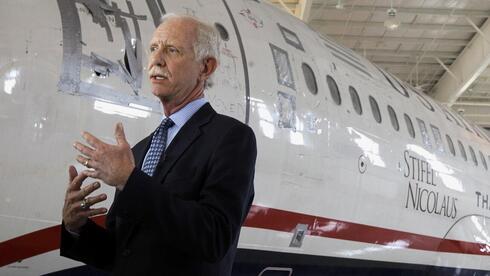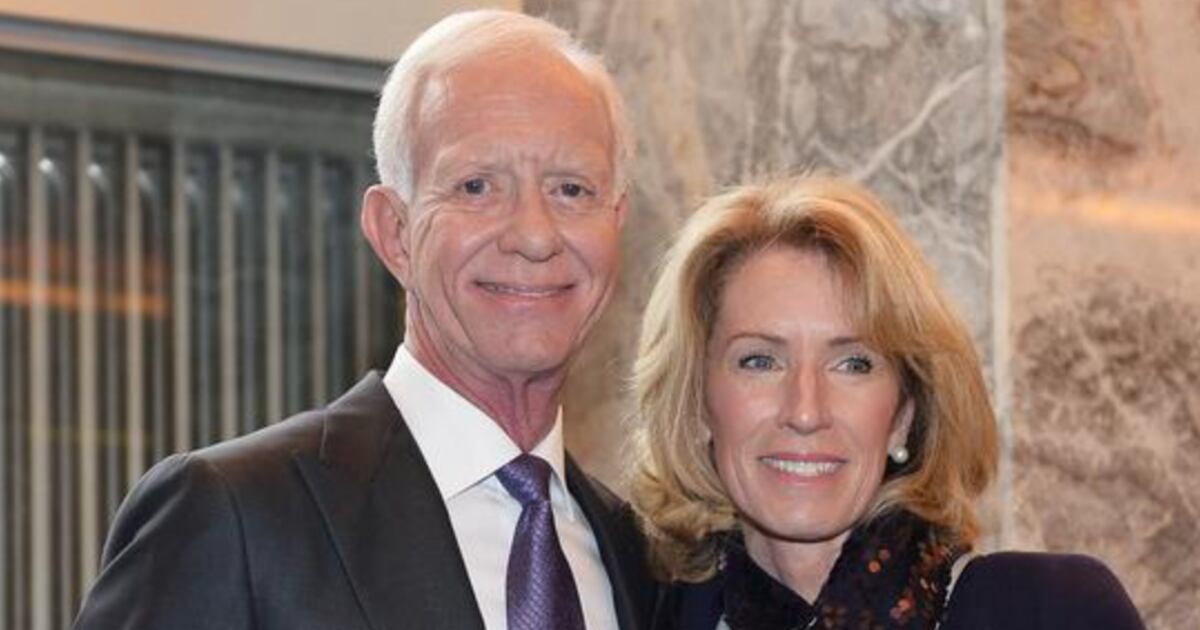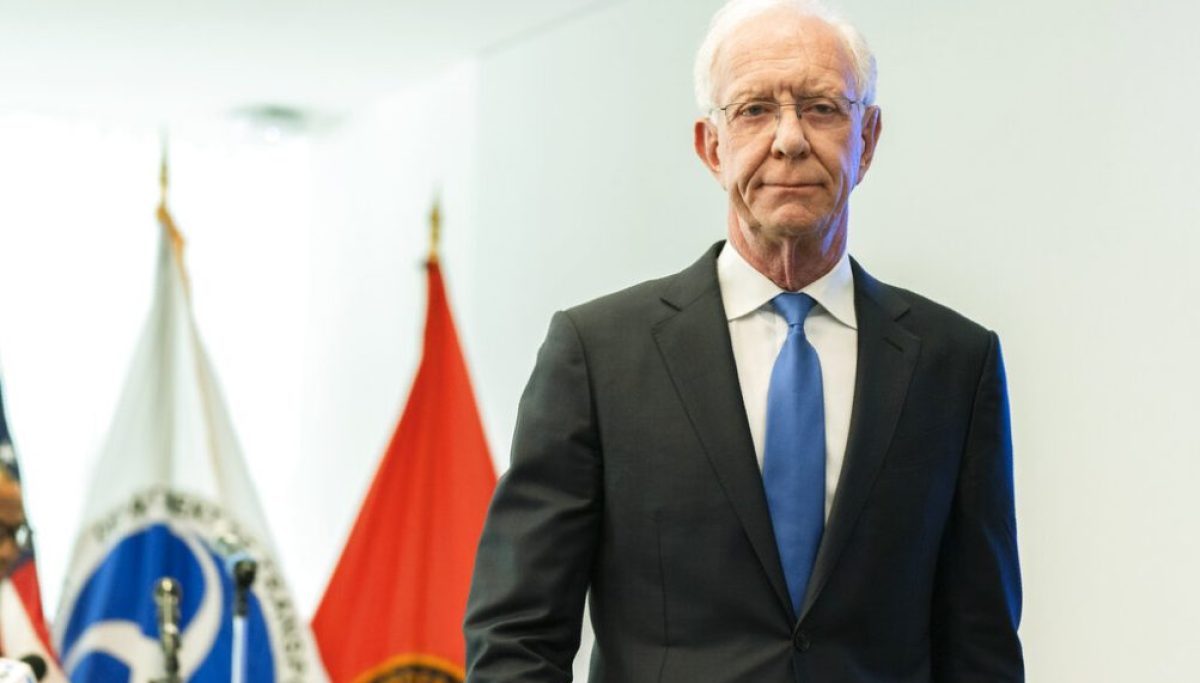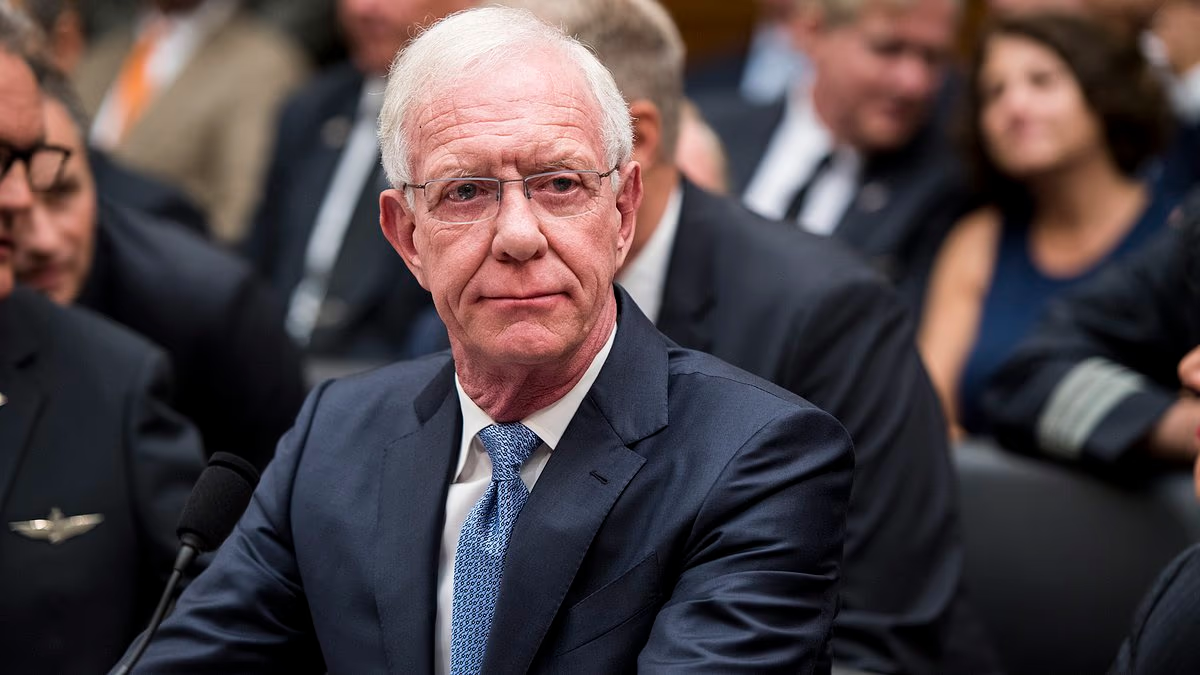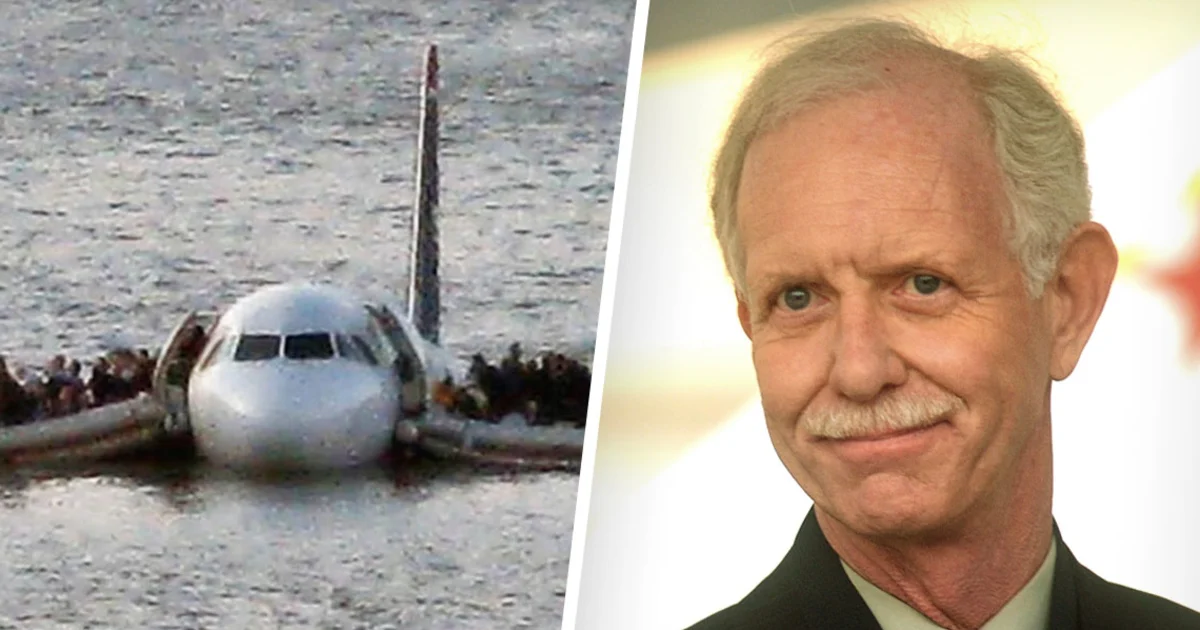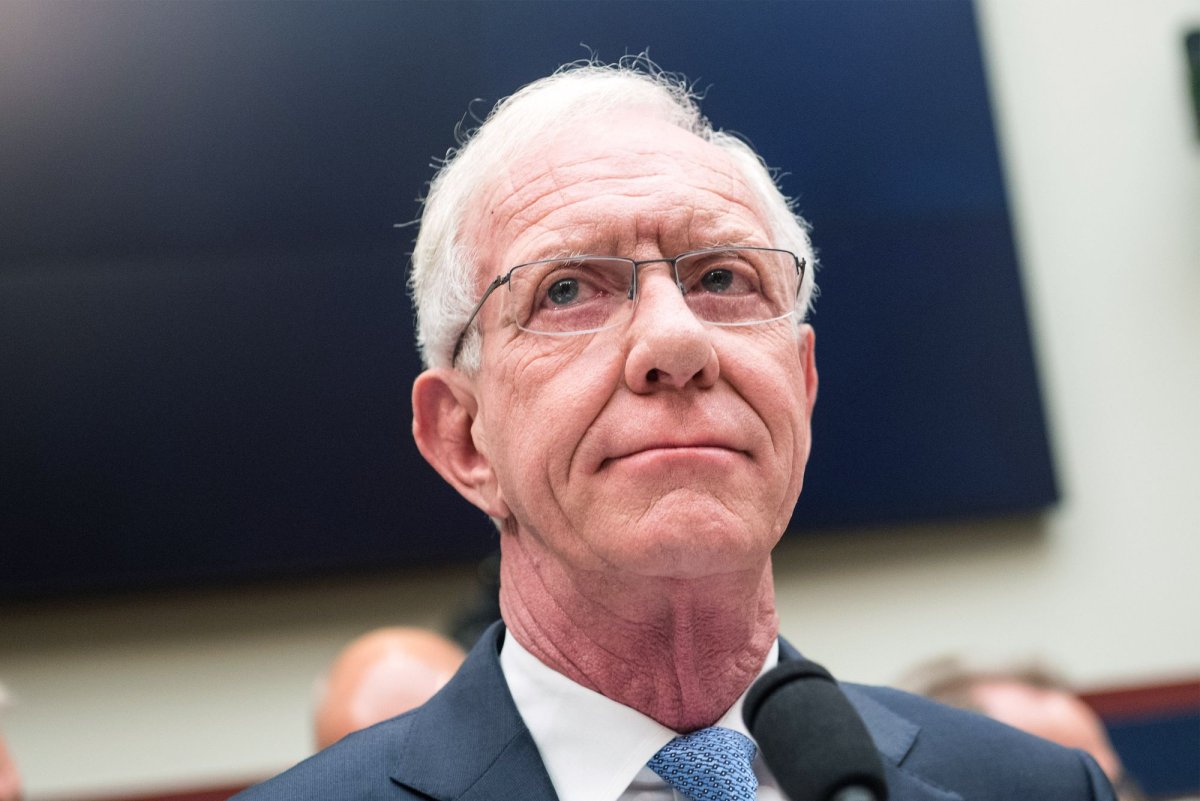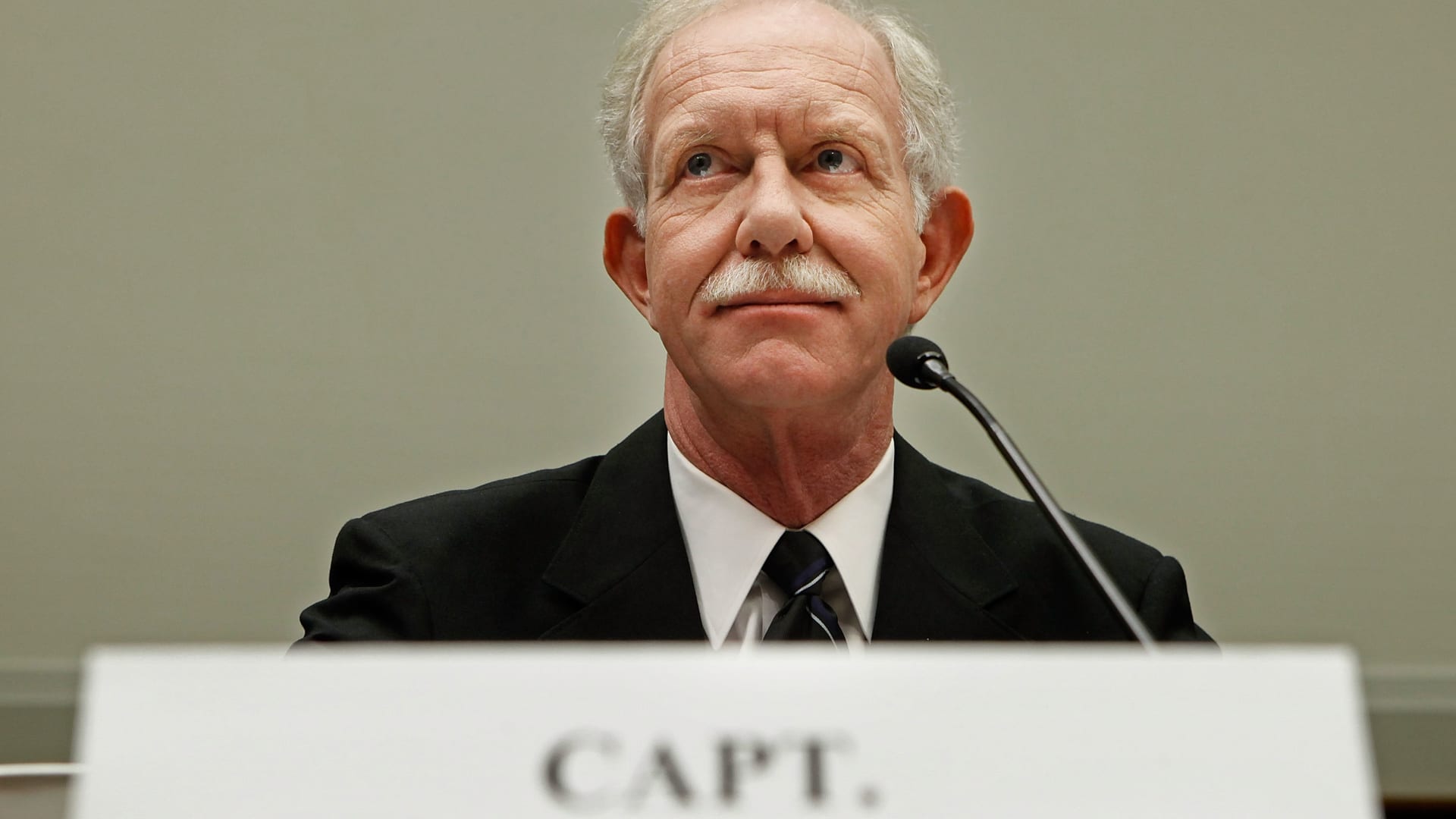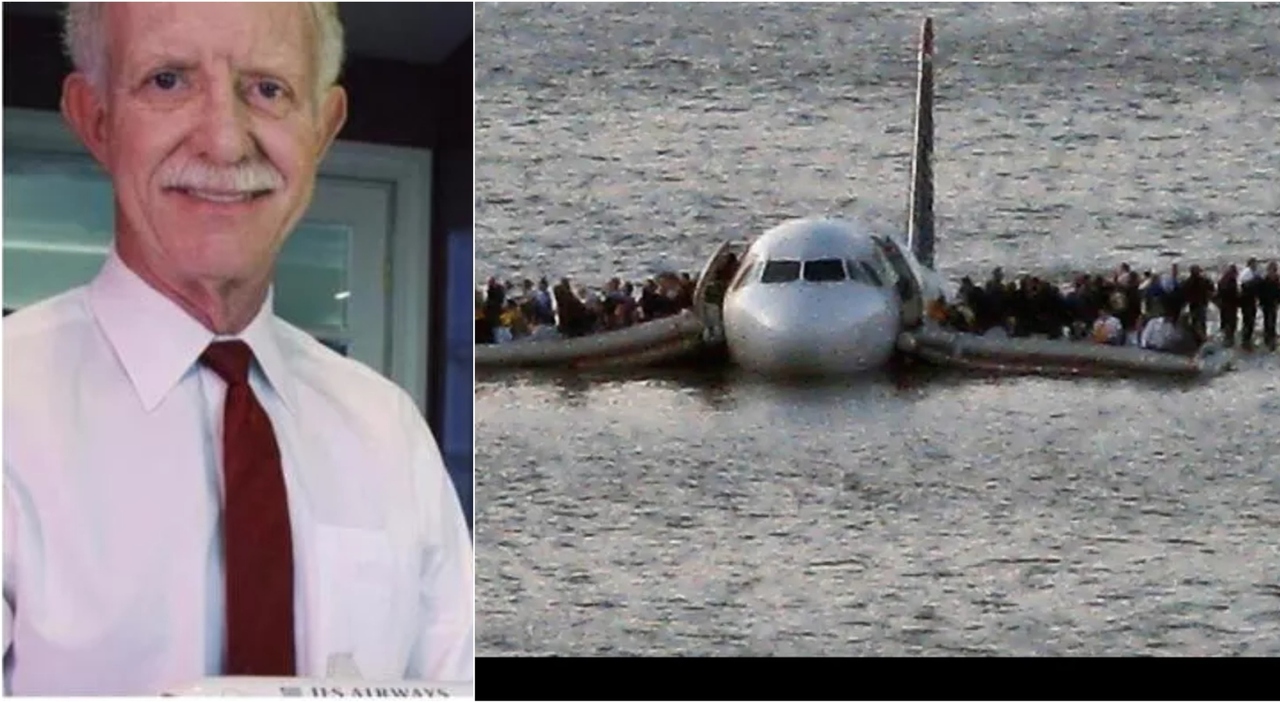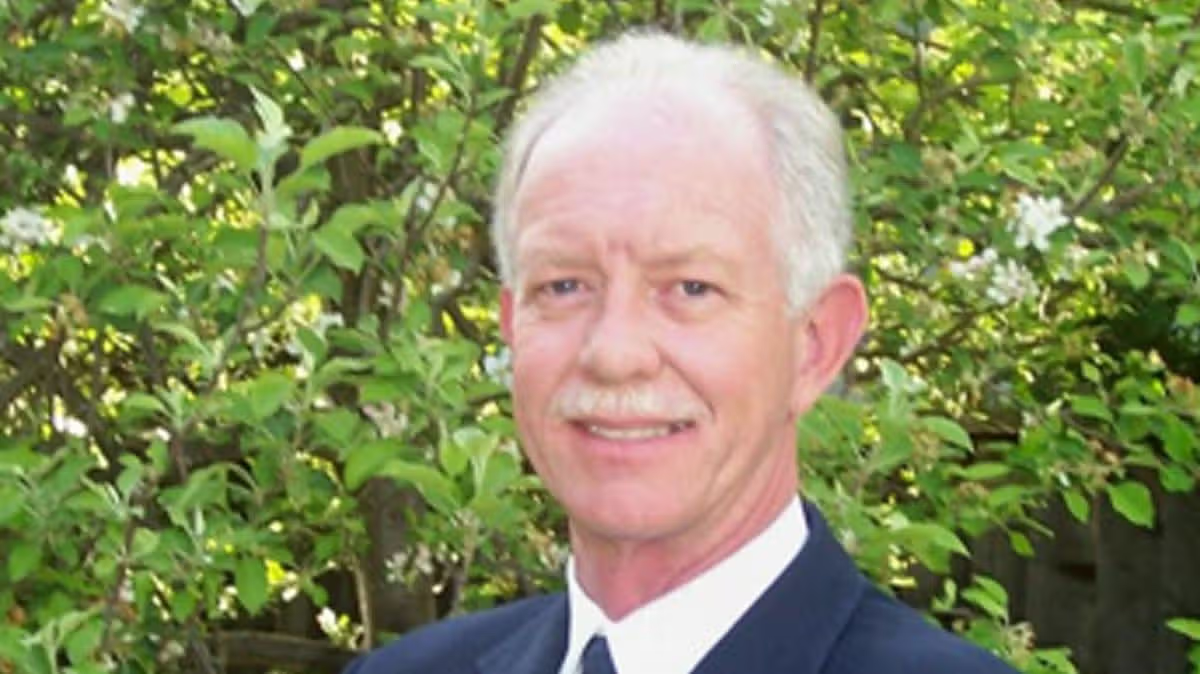
The pilot who saved 155 people after making a dramatic emergency landing in New York’s Hudson River has revealed he has recently been diagnosed with a terminal diseaseRachel Vickers-Price UK and World News Reporter23:59, 14 Jul 2026Updated 00:00, 15 Jul 2026An airline pilot who became an international hero after he crash-landed a plane into New York's Hudson River in 2009 has revealed he has been suffering through a secret health battle for almost a year, and has finally shared his bleak prognosis to the world. Captain Chesley "Sully" Sullenberger III shot to international stardom for his heroic efforts on one fateful winter's day 17 years ago, after a flock of geese disabled both engines of the US Airways Flight 1549 he was flying shortly after takeoff. The rest, as they say, is history. He saved all 155 lives of the passengers and crew on board. His incredible feat has been since dubbed "The Miracle on the Hudson" and has even been the subject of a 2016 movie directed by Clint Eastwood and starring Tom Hanks.But, despite even Captain Sully's heroic efforts, it would seem he can't dodge every curveball life can throw. In a recent interview with PEOPLE, the American hero confirmed he has been recently diagnosed with Alzheimer’s disease. "It is early stage. For now, this means a name may not come easily to me, I forget a story I have recently told, or I don’t sleep as well, but I am in the beginning of this long journey." Sullenberger, 75, shared with PEOPLE that he had trouble recalling details within the last year, in spite of having the rare boon of a photographic memory. He added that his official diagnosis with Alzheimer’s disease came nearly a full year ago, in August 2025. "This disease, [my doctor] has told me, spares no age group and impacts millions of people around the world. It is the unwanted visitor at the door," Capt. Sully said via a recent statement. Alzheimer's, the most common type of dementia, impacts more than seven million people in the US over the age of 65, according to the Alzheimer’s Association. Approximately 1 in 14 people over the age of 65 live with dementia in the UK. Sully's first officer on the ill-fated Flight 1549 also commented on the grim update from an aviation hero. Jeff Skiles said: "Sully is larger than life, even to me. He’s somebody I’ve always looked up to, and I think a lot of other people do, too. Hopefully, it’s going to progress slowly, and he’s going to be able to create the kind of life going forward that he would be proud of."As per medical analysts, it may have been the Miracle on the Hudson itself that caused Captain Sully's recent diagnosis. The aviation hero was diagnosed post-traumatic stress disorder (PTSD) in the wake of his heroic feat, which "doubles the risk of developing Alzheimer's because of changing brain chemistry and structure and sleep disruption." But, in spite of his recent diagnosis with a serious terminal illness, Captain Sully is - as usual - taking things in his stride. He said he plans to continue serving the public with a renewed focus on raising Alzheimer’s awareness. "This new phase of my life has challenged what it means to be of service," he said. "And the answer is to speak up. It is my hope that by sharing this, other families living in the shadows with this disease will feel they, too, can step forward." "So many people told us after Flight 1549, that the outcome gave them hope," he went on. "Lorrie, my incredible partner of 37 years, says we can all use a little of that hope right now." Though the soon-to-be National Aviation Hall of Fame inductee added that his diagnosis "will not prevent me from looking forward to and appreciating our future. I will navigate this chapter with my wonderful family by my side."Article continues below"Over the years, when people would ask about the successful outcome of Flight 1549, I would say that ‘courage can be contagious,’ and on that day it helped everyone band together to get everyone off that airplane successfully," he said. "Now we need that courage to battle this disease. I am now part of a larger community with many of you, and we will be courageous together." Alzheimer’s disease is the most common form of dementia, accounting for 60% to 80% of cases. It is a progressive, irreversible brain disorder that slowly destroys memory, thinking skills, and the ability to carry out simple tasks. While there is no cure for Alzheimer’s, there are treatments that can help slow its progression down. As can certain lifestyle changes, spanning both mental and physical activity. Plus, newer, more effective therapies are on the horizon, experts say. Psychiatrist Dr Daniel Amen has shared 11 factors to help fortify oneself from Alzheimer’s, with the brain imaging specialist stating that promoting blood flow, reducing inflammation, and avoiding toxins like alcohol and drugs can all help. He also listed other risk-reducing factors to be can improve one's mental health, boosting immunity, getting adequate sleep, and watching your weight. He also recommended staying informed of hereditary diseases, maintaining a healthy hormonal balance, and keeping the brain active in retirement as other ways to combat brain and memory diseases.
'Miracle on the Hudson' hero pilot shares devastating health battle
The pilot who saved 155 people after making a dramatic emergency landing in New York’s Hudson River has revealed he has recently been diagnosed with a terminal disease
887 words~4 min read