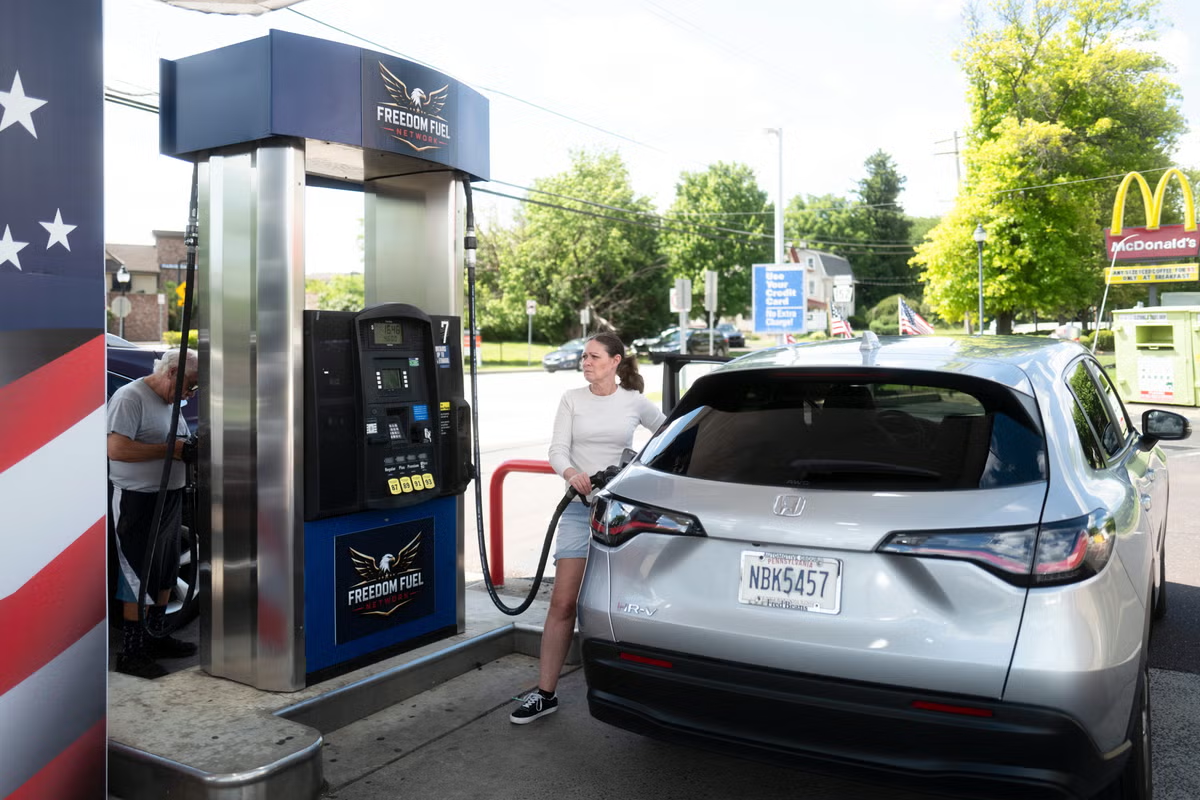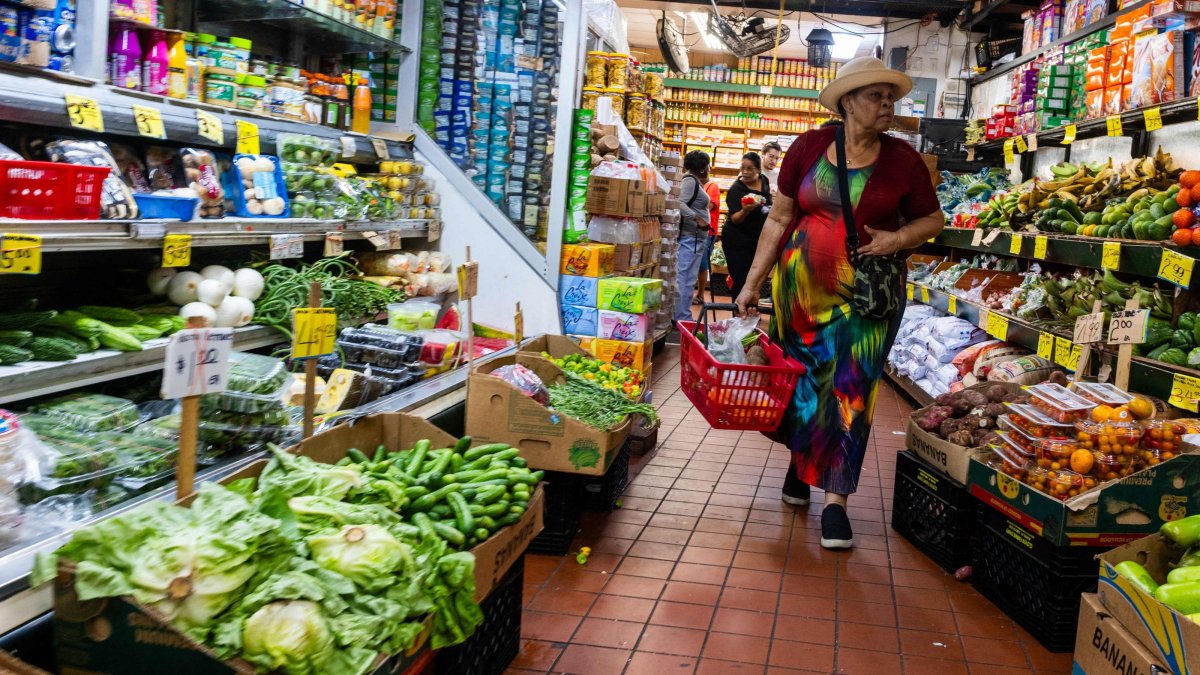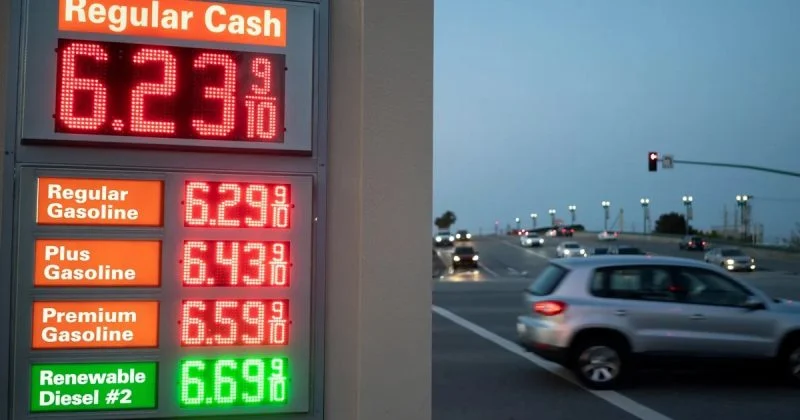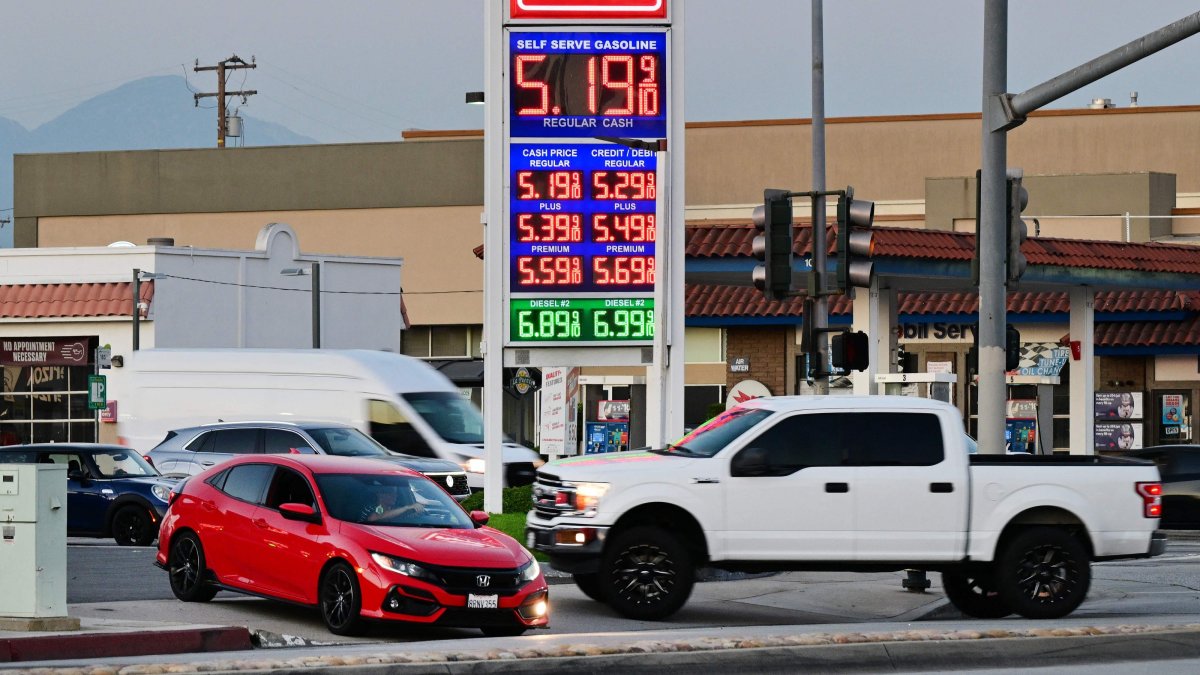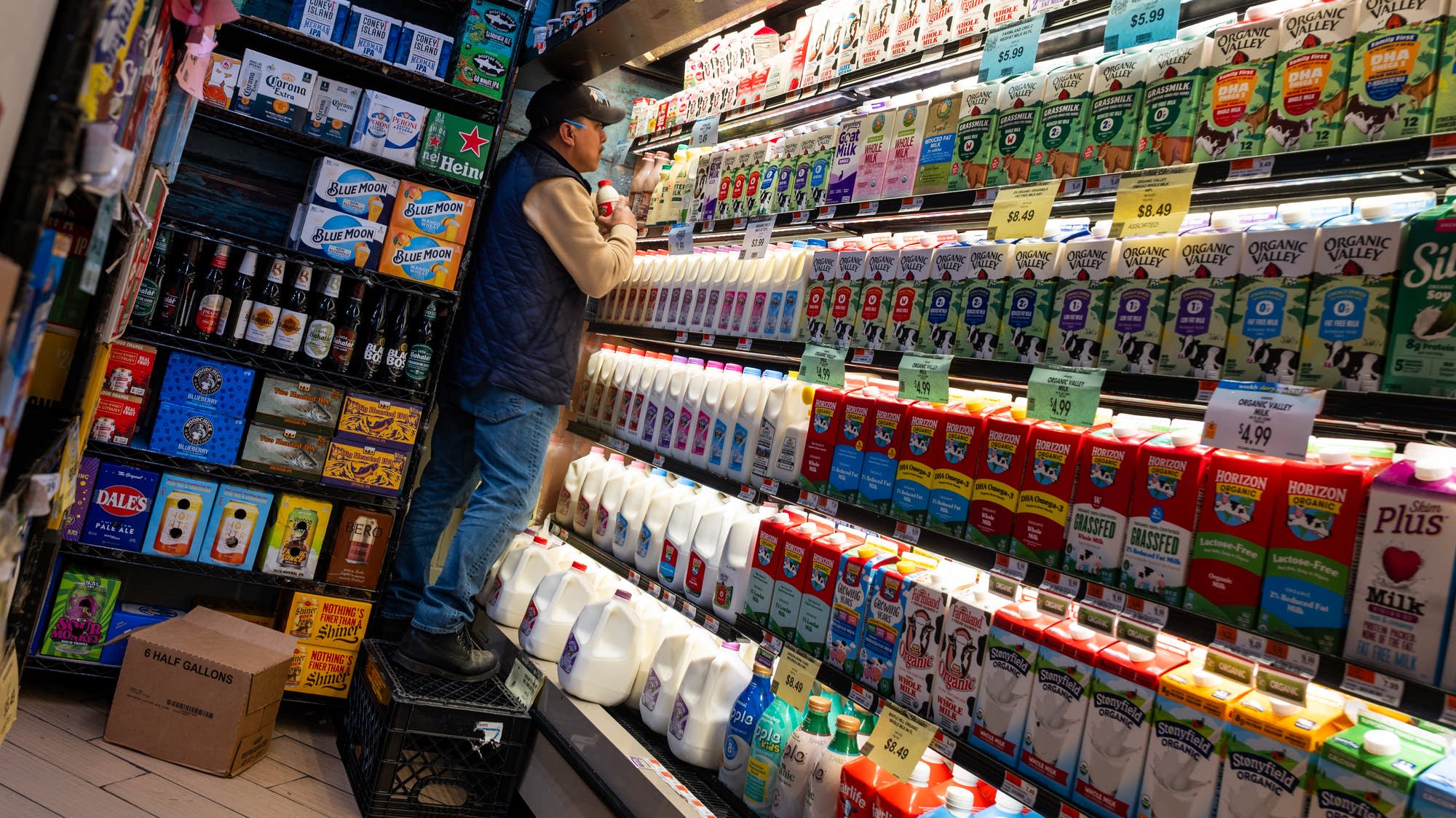
The June consumer price index, out Tuesday, came with some unexpected topline numbers. The CPI, which rose for three consecutive months, actually fell in June. The year-over-year inflation rate dropped from 4.2% in May, to 3.5%.It helped that gas prices fell nearly 10%, as the Iran war temporarily waned. But some of that’s been reversed already now that the U.S. and Iran are trading strikes again.But even the core rate, which excludes “volatile” food and energy prices, was pretty encouraging. If falling to a 2.6% annual rate, which is at least a little closer to the Federal Reserve’s 2% target.Economists and policymakers have been worried about the recent resurgence in inflation. So there was a lot to like in this report, like deceleration across both goods and services.Gargi Chaudhuri at BlackRock pointed in particular to services where prices could have spiked thanks to World Cup tourism.“Airfares, lodging away from home, food away from home — that would have a little bit of the World Cup flavor to them, if you will — they haven’t generated a meaningful inflationary impulse,” he said.Now, what the Fed might make of this report as it plots future interest rate policy to fight inflation is up for debate.In the dovish, glass half-full camp is Jay Hatfield at Infrastructure Capital Advisors. He pointed out that one big component of inflation — rent — is basically flat now. “The report was very positive for future inflation. Hopefully put the Fed back on track to hold rates for now and then cut when energy prices come down when the Strait reopens,” he said.In the “glass-closer-to-half-empty” camp is Richard de Chazal at investment firm William Blair. “It was clearly better than expected. But I don’t think it quite gives us the all-clear signal. The softness of this report suggests that we won’t have a rate increase at the end of July, but it doesn’t take a rate increase off the table for September,” he said.For one thing, he said, consumer expectations of inflation are still elevated, and the Fed may need to hike rates to fight that.“For everyday consumers just going to the grocery store, all they see is continued high prices,” de Chazal said.Including gas prices going back up in July, as the war in the Middle East heats back up.
Inflation slowed in June. What does that mean for interest rates?
The surprisingly strong CPI numbers mean the Fed is likely to hold interest rates steady at its next meeting in July.
383 words~2 min read