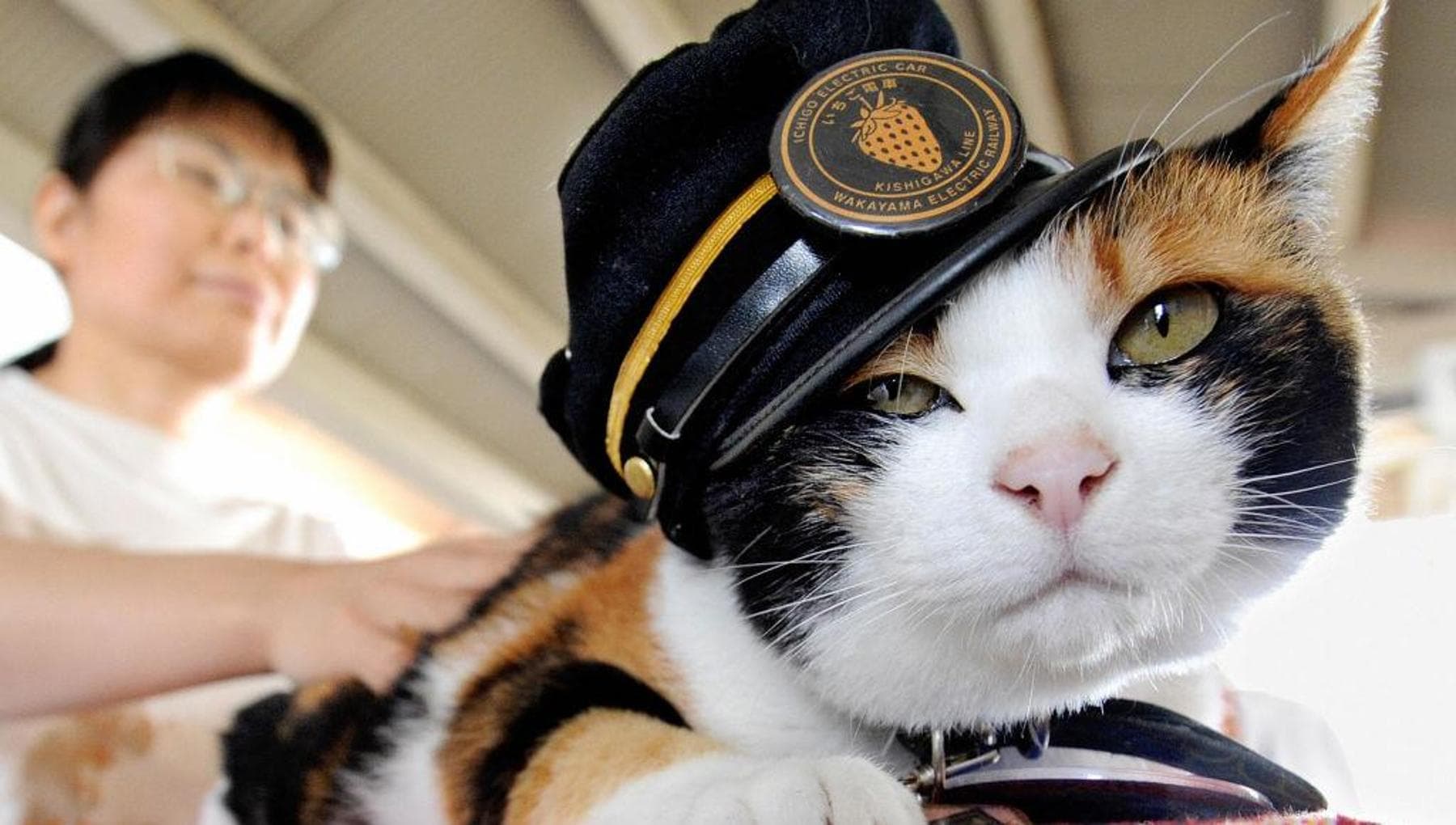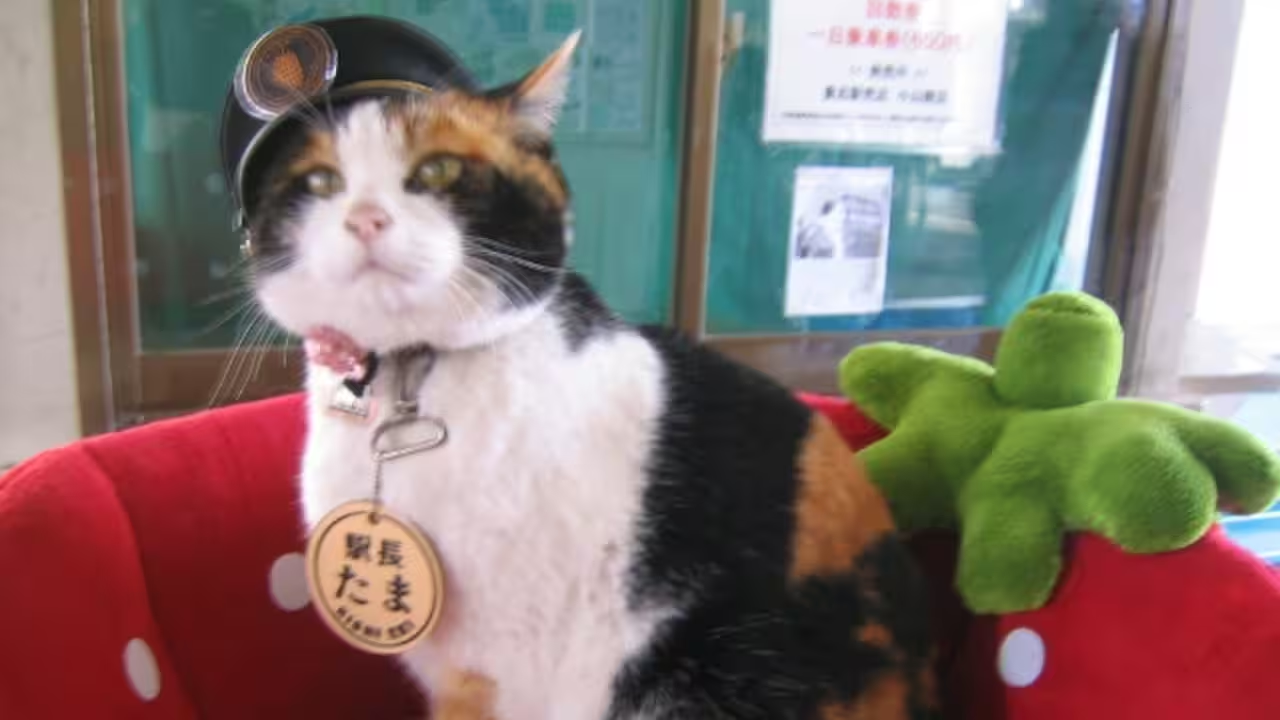
Station master Tama. Image credits: Wikimedia CommonsIn 2007, the Wakayama Electric Railway appointed a stray calico cat named Tama as honorary station master of Kishi Station as a light-hearted publicity stunt for a railway on the brink of decline. The rural line in Japan’s Wakayama Prefecture had been losing passengers over the years, and its future looked uncertain; to address those concerns, the railway staged a publicity stunt by appointing a cat as station master, and it became one of Japan’s best-known tourism success stories. Following the appointment, within a year, passenger numbers rose significantly as visitors travelled across the country and overseas to meet the feline station master. It is worth noting that economists later estimated that Tama generated more than ¥1.1 billion (around $10 million USD at that time). According to Wakayama Electric Railway, Tama became more than a mascot, with her influence being the driving force for regional revitalisation.A railway in financial trouble found an unexpected mascot to promote itselfThe Kishigawa Line narrowly avoided closing down after years of declining passenger numbers, and with Wakayama Electric Railway taking over the operations in 2006, they searched for creative ways to attract visitors without major investment. A stray calico cat that lived near the station was reportedly already popular among the locals, thus prompting the railway president, Misutaka Kojima, to appoint her as the honorary station master in January 2006. According to the Railway’s official history, Tama’s duties included greeting the passengers while wearing the custom-made station master’s cap. Notably, the appointment rapidly gained international attention, transforming the quiet rural station into a tourist destination.Okayama Electric Tramway. Image credits: Wikimedia CommonsThe publicity from Tama’s appointment exceeded expectations as fans travelled specifically to see the cat, purchase souvenirs and ride the railways. According to Wakayama Electric Railway, the number of passengers increased by 17% during the first year since the cat’s appointment. The company, taking advantage of the success, later introduced Tama-themed trains, cat-inspired merchandise and eventually rebuilt Kishi Station with a distinctive roof resembling a cat’s face, thus strengthening the station’s distinct identity.The Tama effect went beyond the railwayTama’s popularity generated major economic benefits that extended beyond the ticket sales, with restaurants, souvenir shops, and local businesses all experiencing an increase in visitors. According to an economic analysis by Professor Katsuhiro Miyamoyo of Kansai University, Tama generated approximately ¥1.1 billion during the first year as the station master. This estimate included tourism expenditure, merchandise sales, and broader regional economic activity stimulated by her popularity. Notably, this phenomenon became widely popular as the ‘Tama effect’, with business schools and tourism experts frequently citing it as one of the most successful examples of place branding driven by an authentic local story rather than a conventional marketing campaign.With Tama’s fame spreading internationally, the cat received several honorary promotions and was eventually appointed as the Operating Officer of the railway. This publicity stunt was widely covered by the international media, with tourists from around the world making Kishi Station a stop on their Japan itineraries. Following Tama’s death in 2015, thousands attended her memorial events and the cat was honoured in a traditional Shinto ceremony before being memorialised at a local shrine associated with the railway.Tama’s appointment showed that regional revitalisation does not always require billion-yen investment projects or large-scale campaigns. Instead, a simple decision rooted in local character created a powerful tourism brand that generated long-lasting economic benefits. According to Wakayama Electric Railway, Tama’s legacy continues through successor station masters, including Nitama and Yontama, thus ensuring that the station remains one of Japan’s most distinctive railways.
In 2007, a struggling Japanese railway named a stray calico cat as station master to attract riders, passenger numbers jumped 17%, and the cat later generated over ¥1.1 billion for the town
In 2007, the Wakayama Electric Railway appointed a stray calico cat named Tama as honorary station master of Kishi Station as a light-hearted publicity stunt for a railway on the brink of decline. The rural line in Japan’s Wakayama Prefecture had been losing passengers over the years, and its future looked uncertain; to address those concerns, the railway staged a publicity stunt by appointing a cat as station master, and it became one of Japan’s best-known tourism success stories.
594 words~3 min read