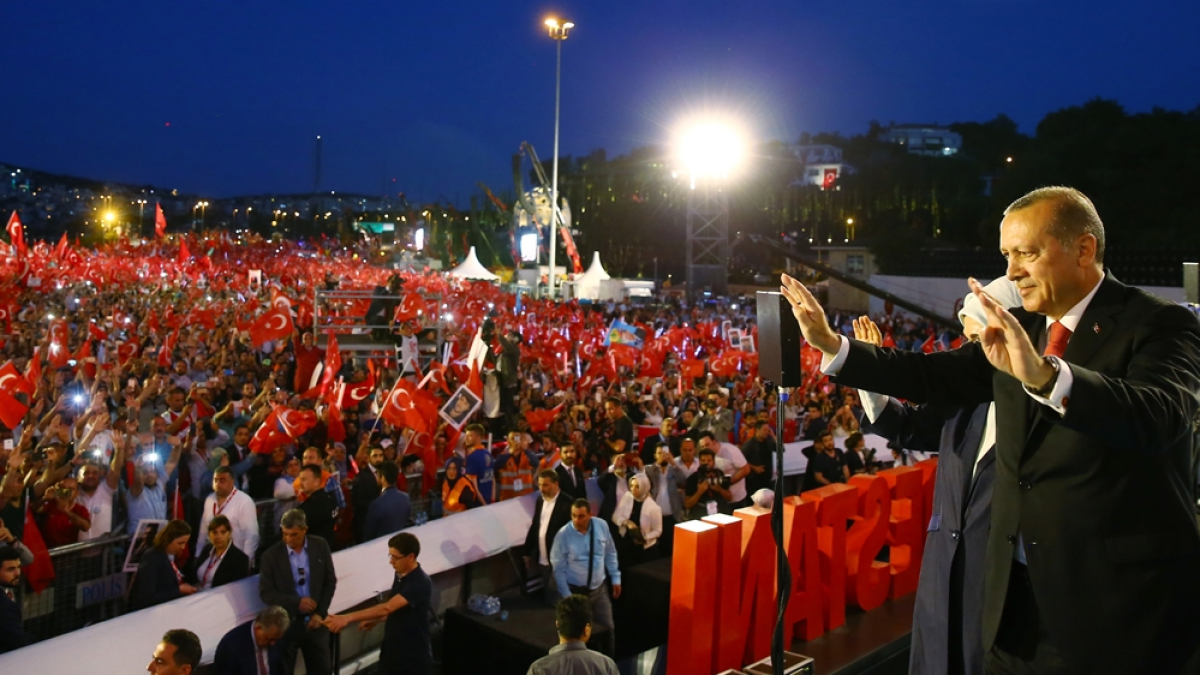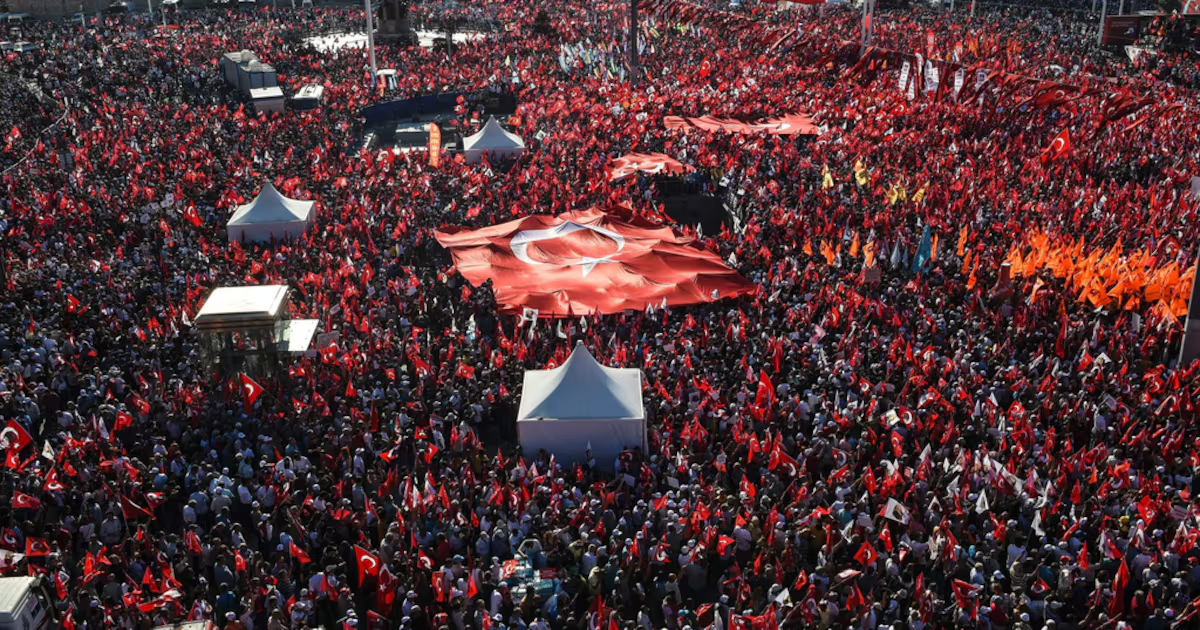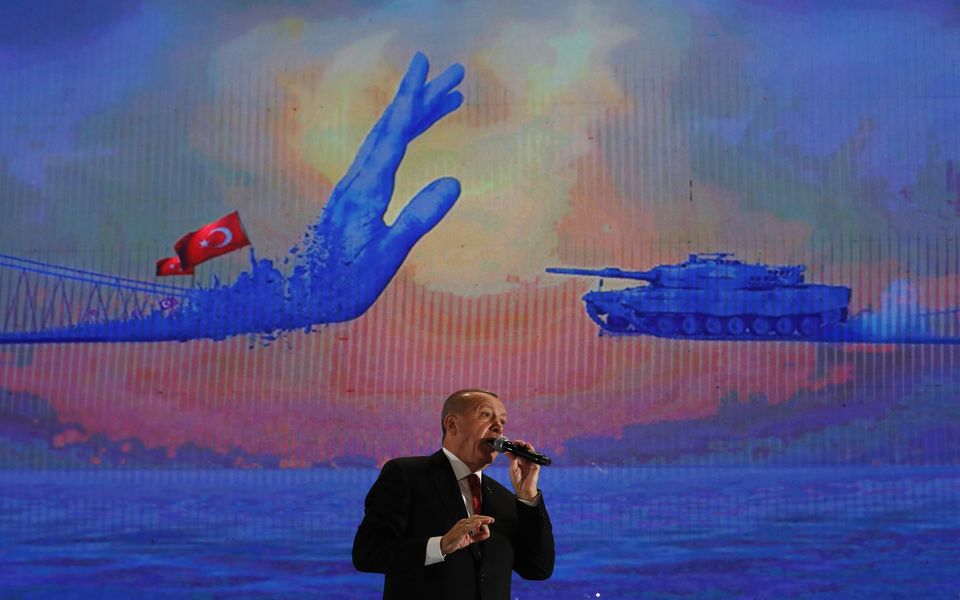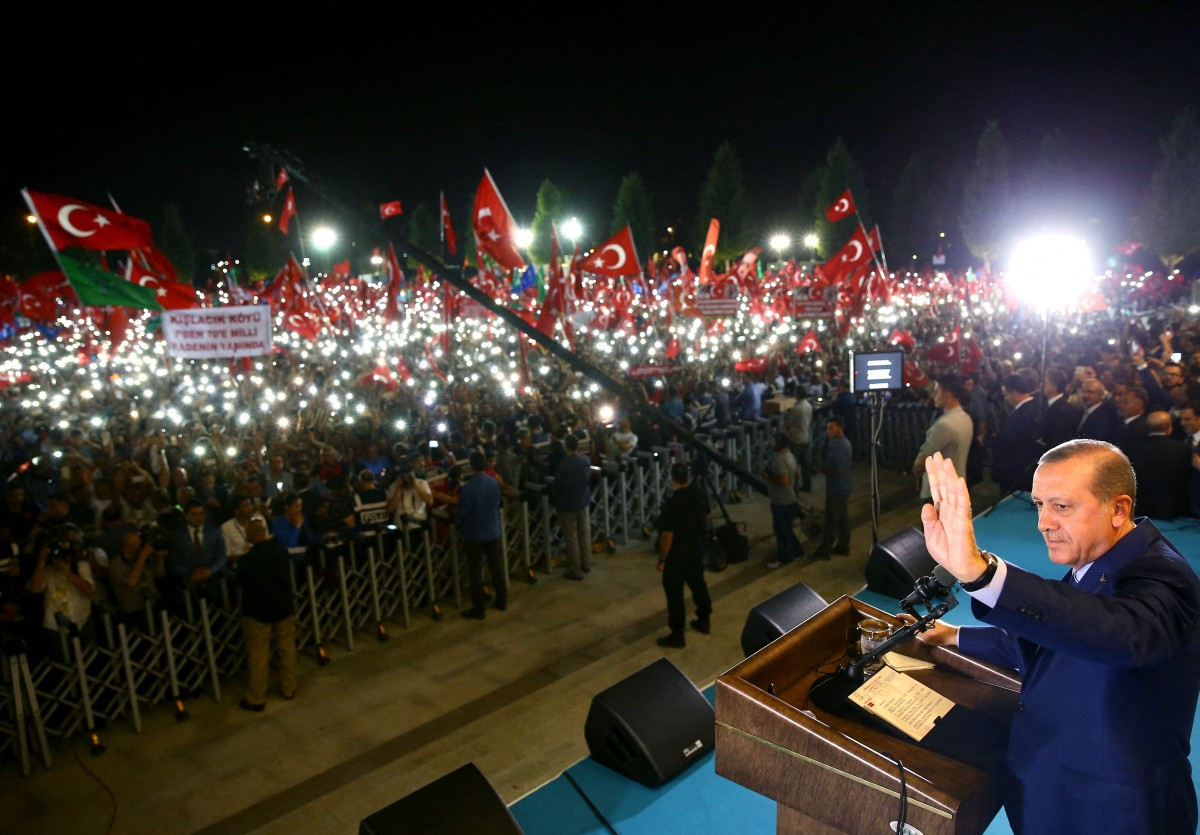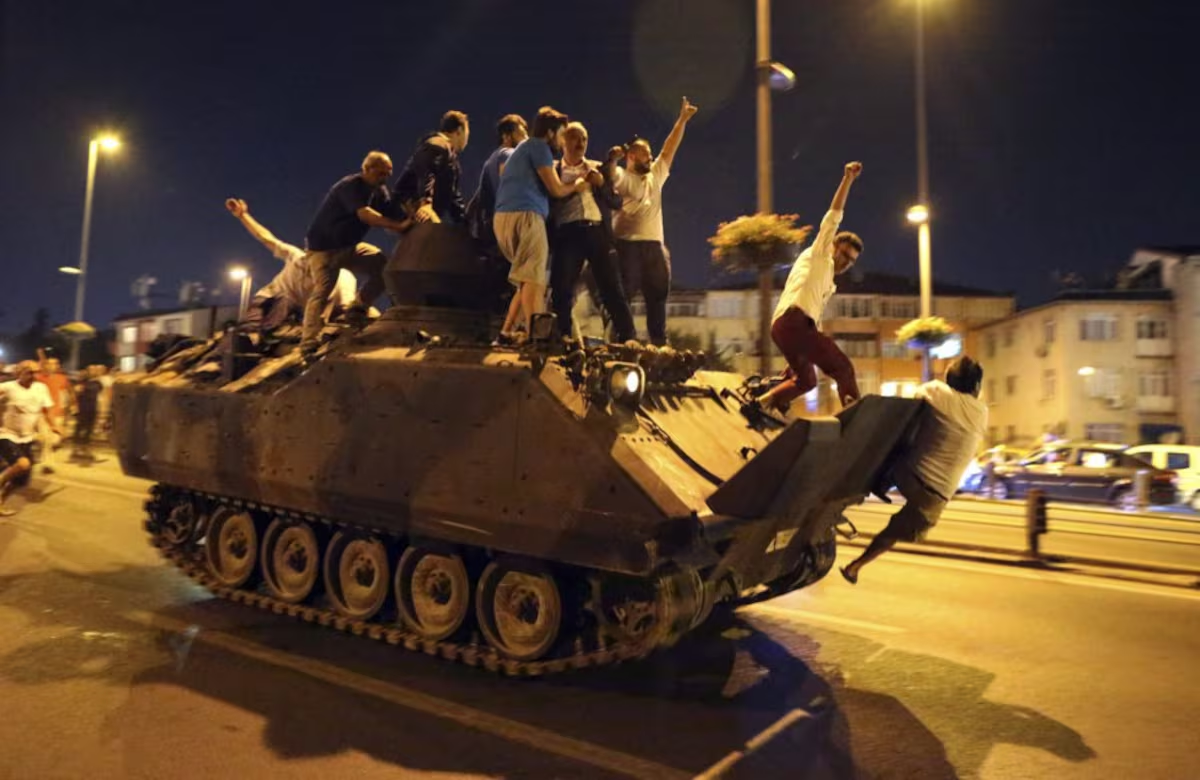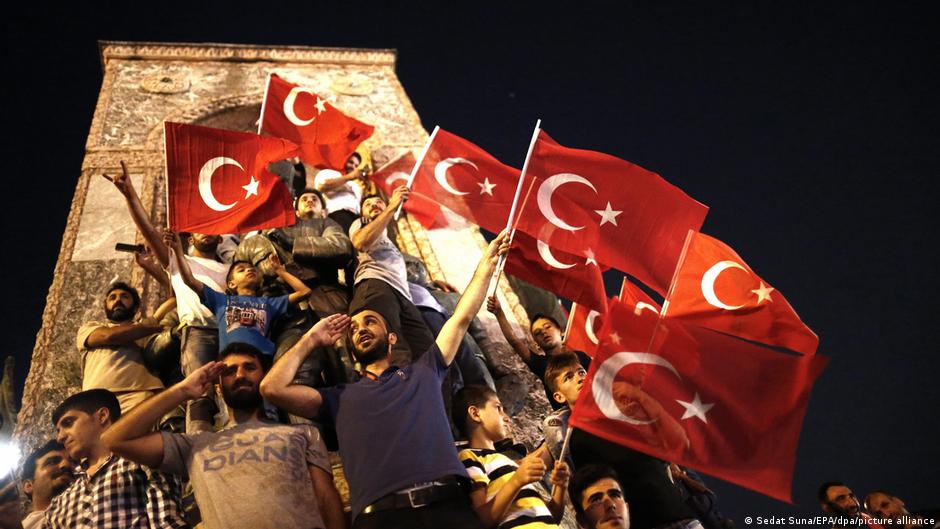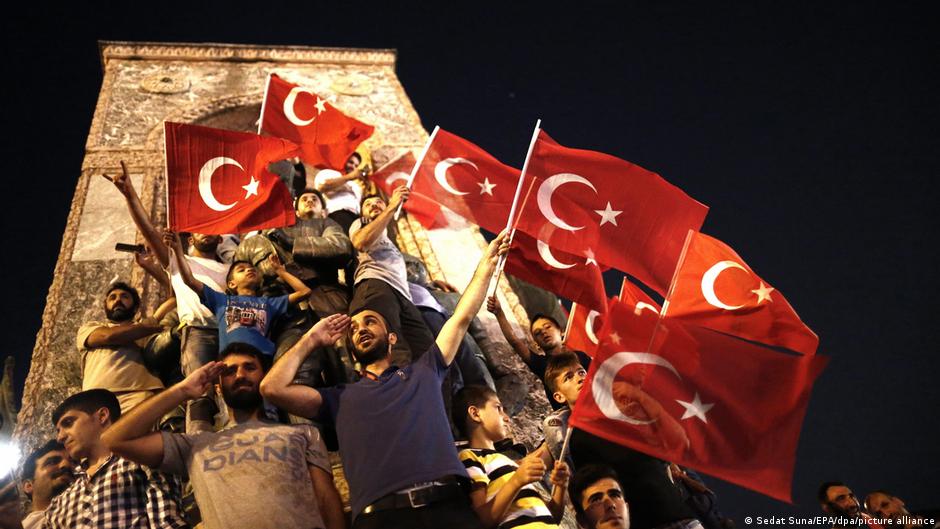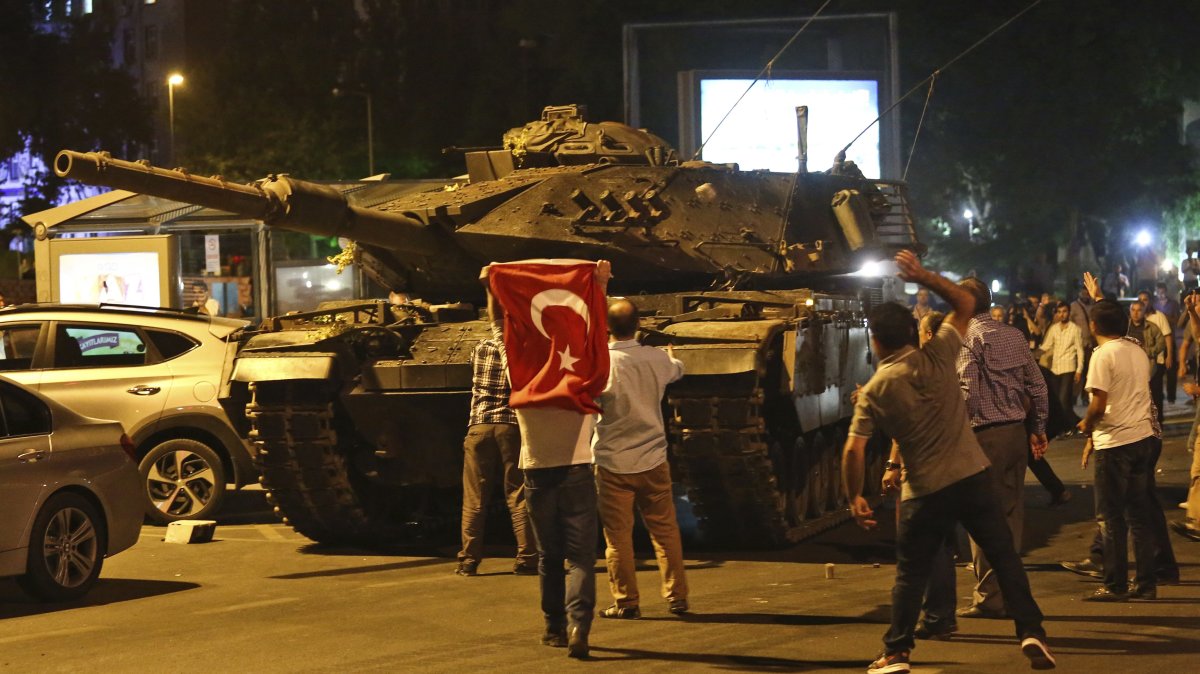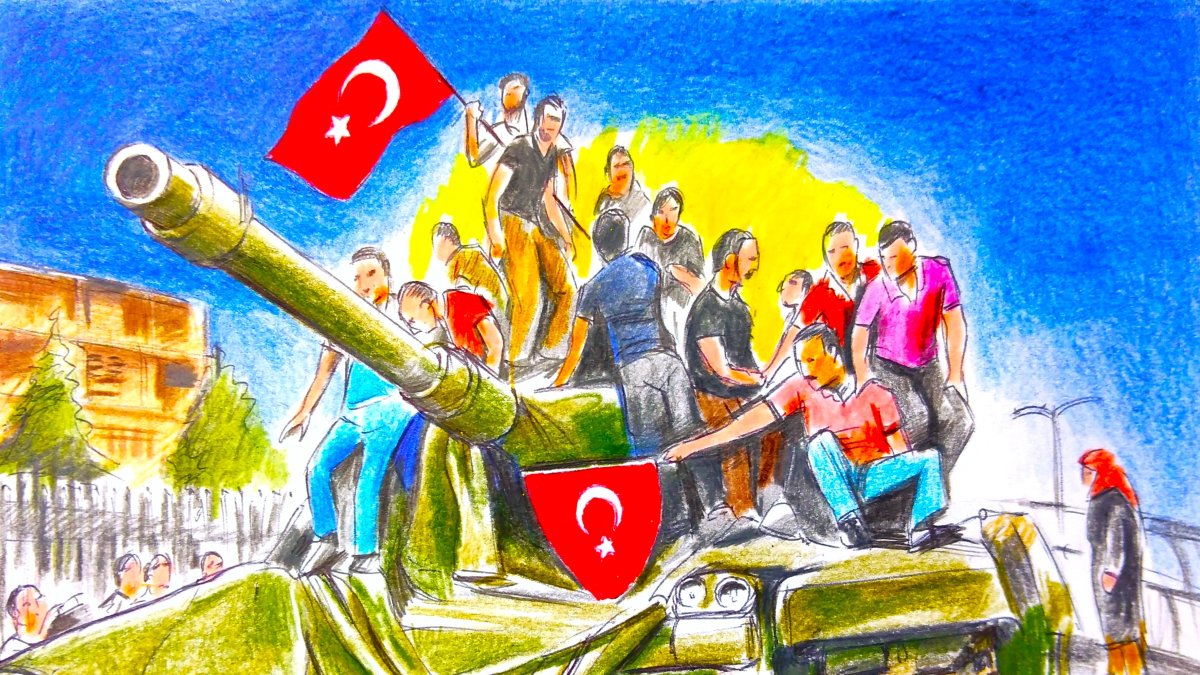
July 15, 2016, was a night of defiance, courage and extraordinary resolve. It was the night ordinary citizens confronted tanks, fighter jets and armed soldiers to stop a violent attempt to overthrow Türkiye's democratically elected government.
A decade later, the events of that summer evening remain among the defining moments in the country's modern history. For many Turks, July 15 represents more than a failed coup d'etat attempt; it stands as a national test of democratic resilience and civilian resistance.
On that night, tanks advanced across the bridges spanning the Bosporus while fighter jets carried out deadly attacks against Turkish civilians. The soldiers behind the uprising, later identified as members of the Gülenist Terror Group (FETÖ), a cult whose leader resided and died in the United States, had launched a coordinated attempt to seize power in Türkiye.
The coup attempt claimed the lives of 253 people and left more than 2,000 others injured. Yet its objective extended far beyond removing a democratically elected government from office. The plotters sought to overthrow the country's elected leadership, dismantle the constitutional order and silence the will of the Turkish people.