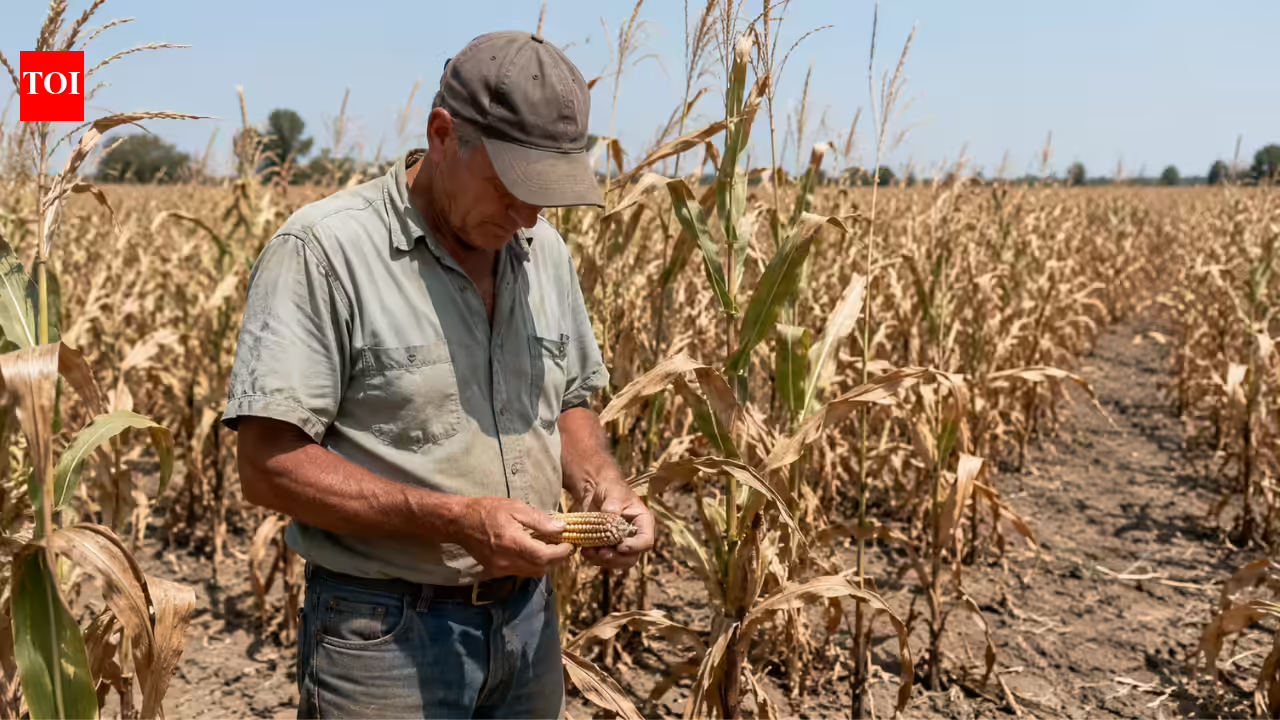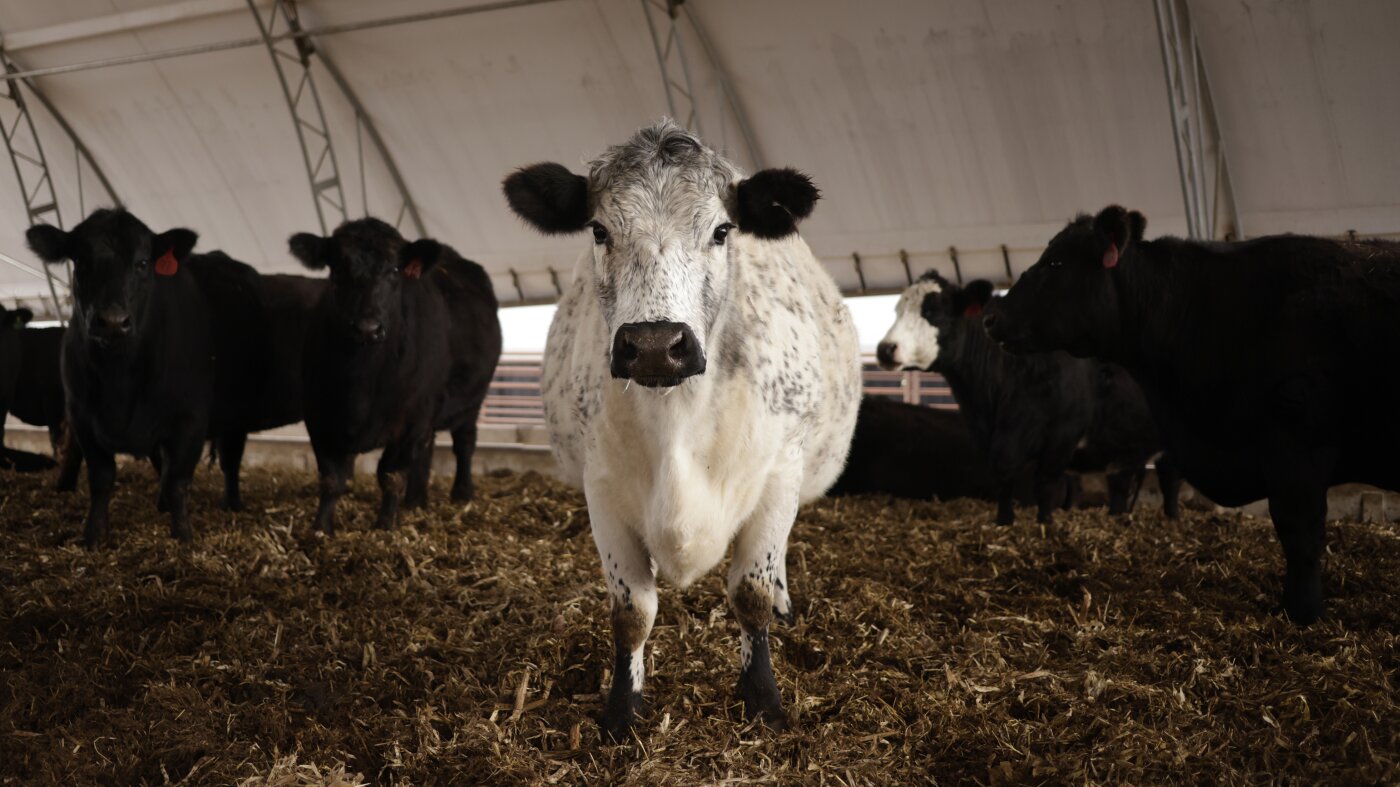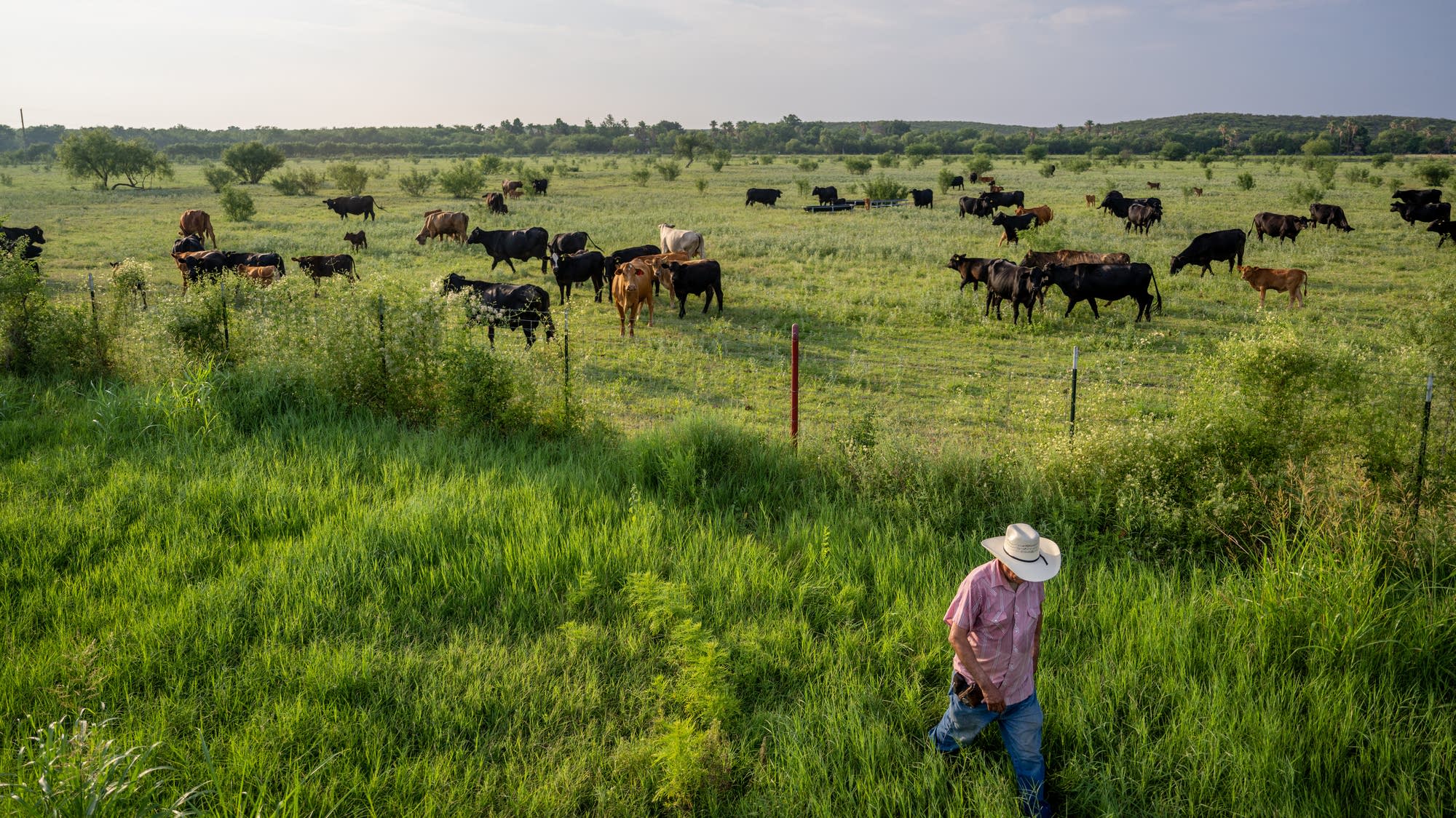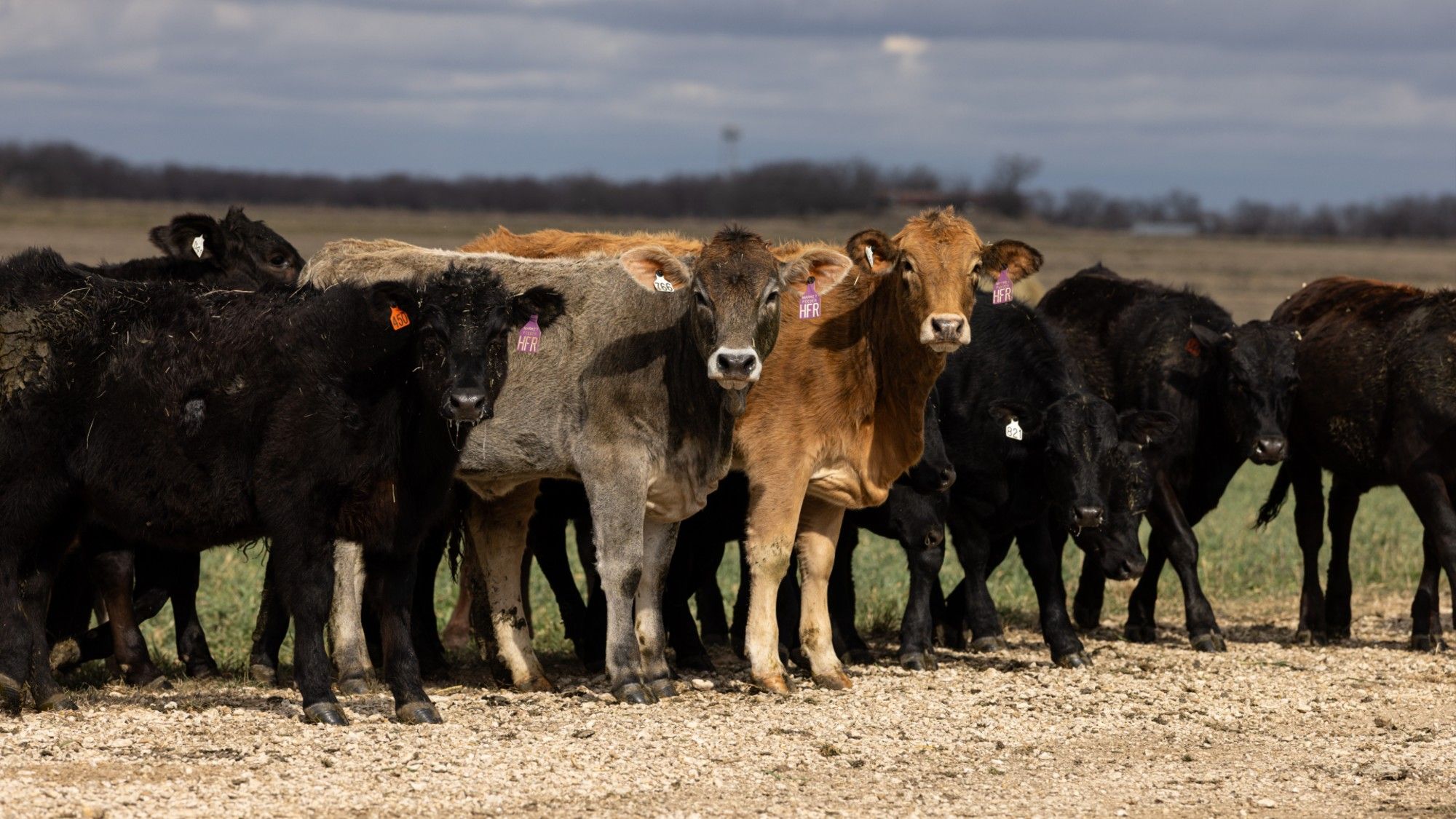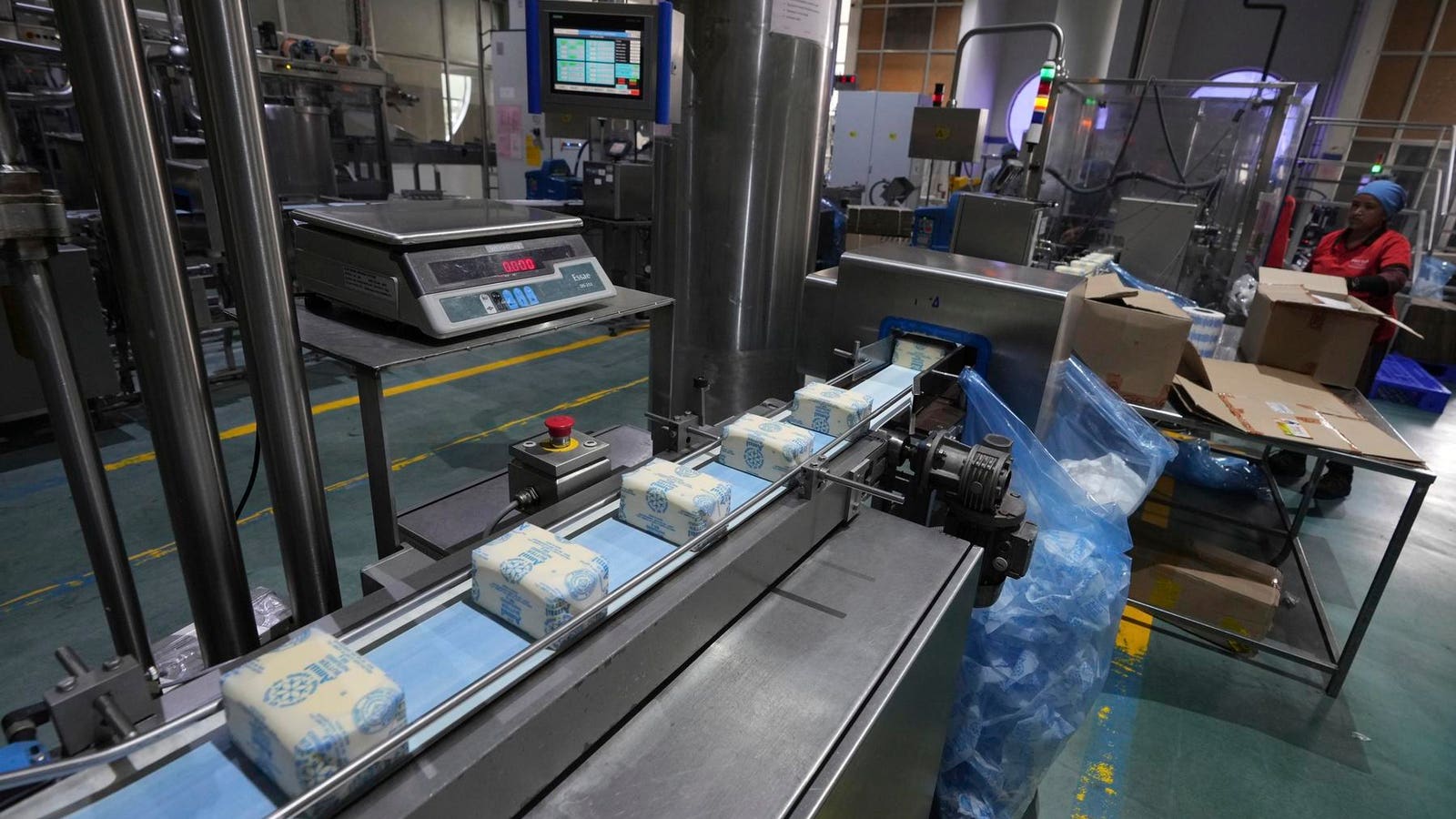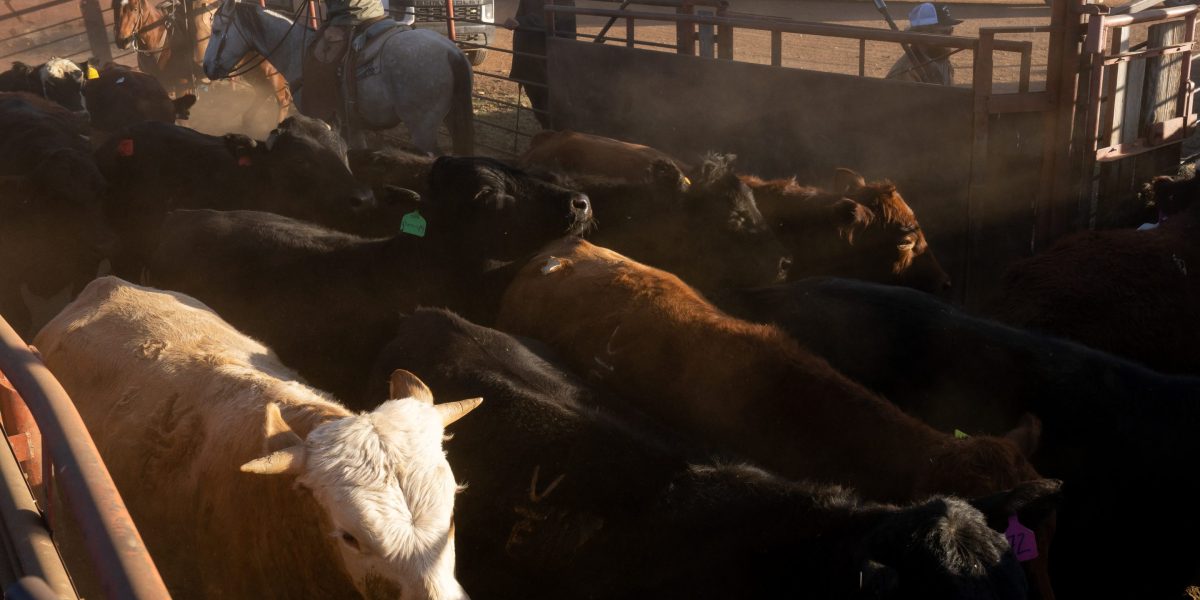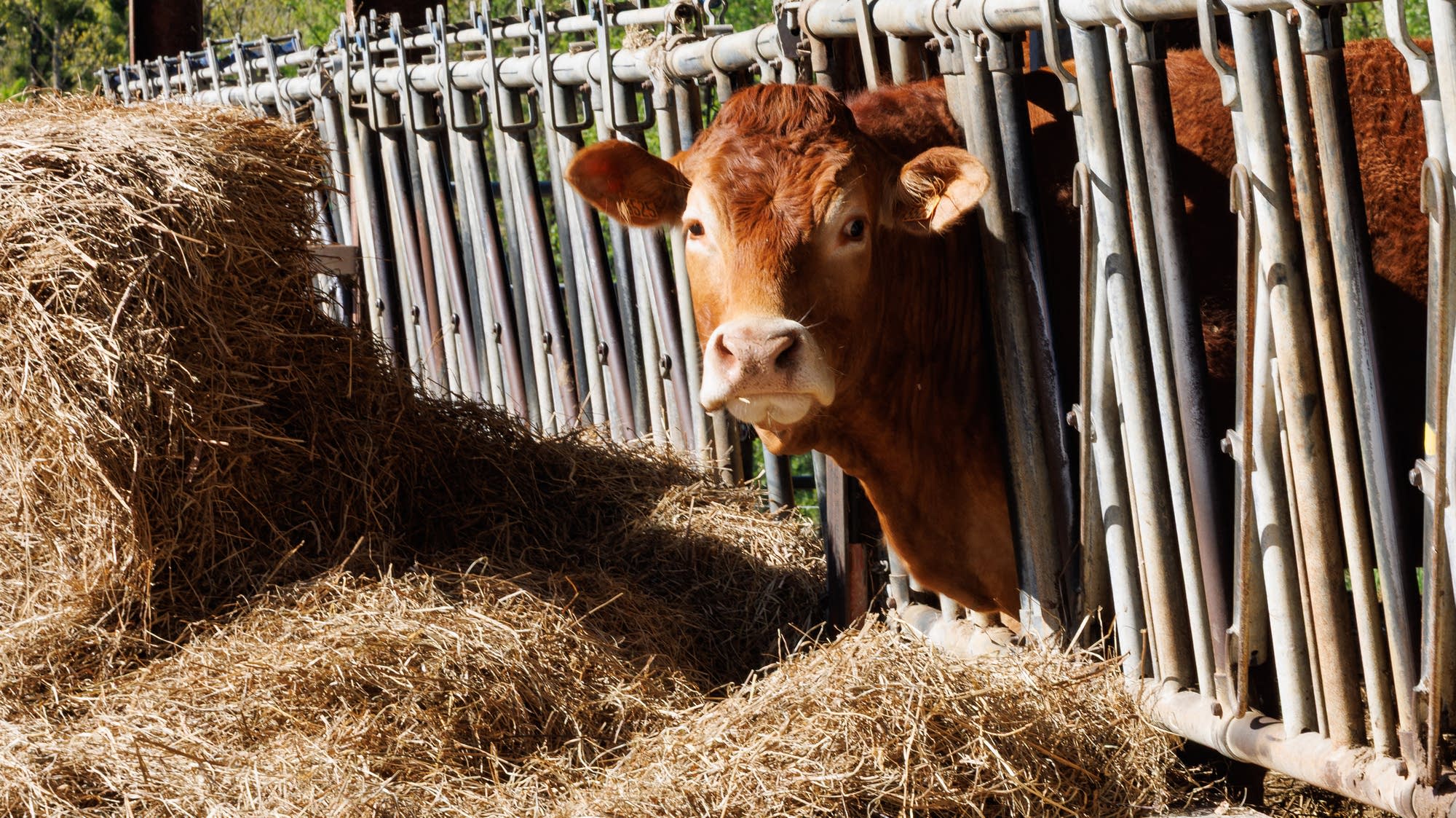
Unless you own livestock, you probably don’t think much about the price of hay. But you just might pay attention to what that gallon of milk or pound of ground beef costs. The cost of those things is, it turns out, related, because hay is a big part of cattle’s diets. But it's shaping up to be a tough year in the hay business, which means trouble for the harvest. Wyoming hay producer Tom Johnston picked up my call while he was clearing out debris from an irrigation ditch. The ditch is a lifeline for his hay crop, but it’s looking a little drier these days. Across the West, there’s a drought.“Because of the lack of water, there's not going to be near the hay produced as there is normally,” Johnston said.Over in the Midwest, hay yields may take a hit too — but not because of drought. “We had an extreme rain event in my area, 12 inches in just under 12 hours,” said Aaron Lehman with the Iowa Farmers Union.Some of the crop drowned and was ruined, he said. For surviving hay fields, operations are expensive in part because of the Iran war, “whether it's fuel costs or fertilizer costs or equipment costs.”That means more money spent harvesting smaller yields. So, the price tag on that hay is higher for livestock owners. “If hay prices are really high, then those total feed costs will go up,” said Derrell Peel, an economist at Oklahoma State. “If that’s severe enough and lasts long enough, we wind up liquidating cattle.”And that would mean a smaller national herd size, and shrinking herds have already led to higher beef prices.
Higher hay costs for farmers could spell higher beef and dairy prices for consumers
Hay yields in the U.S. may see a hit resulting from drought in the West and extreme rain in parts of the Midwest.
277 words~1 min read