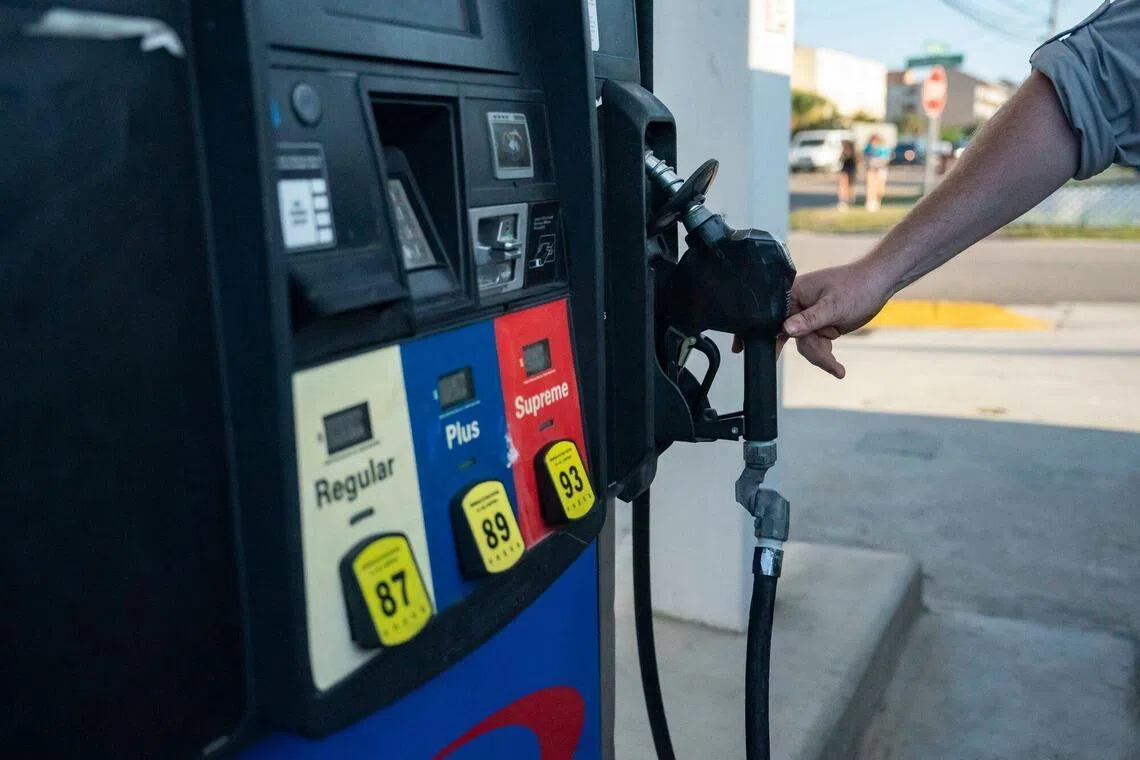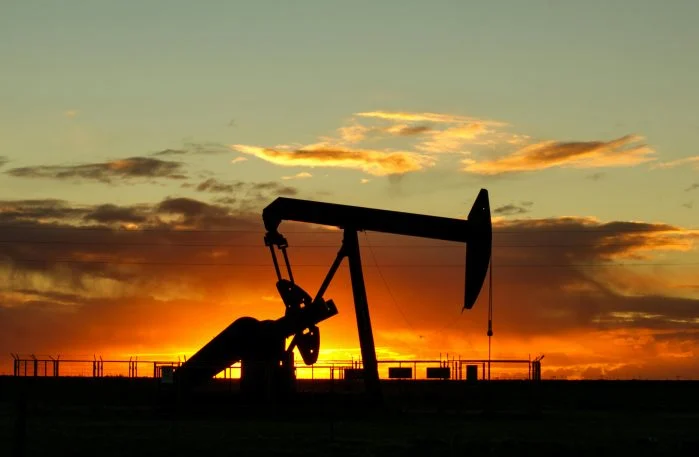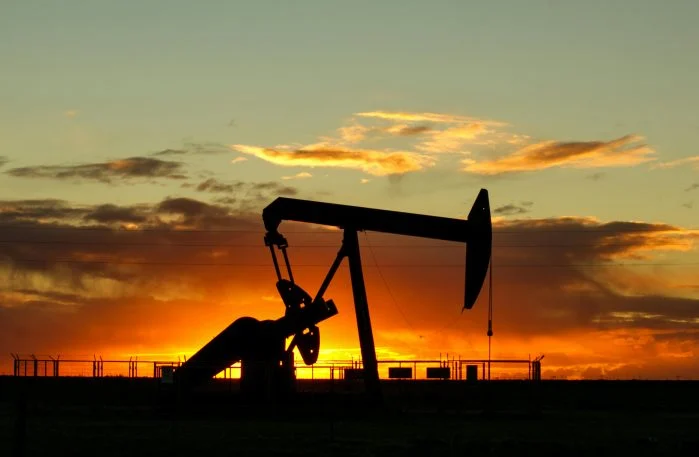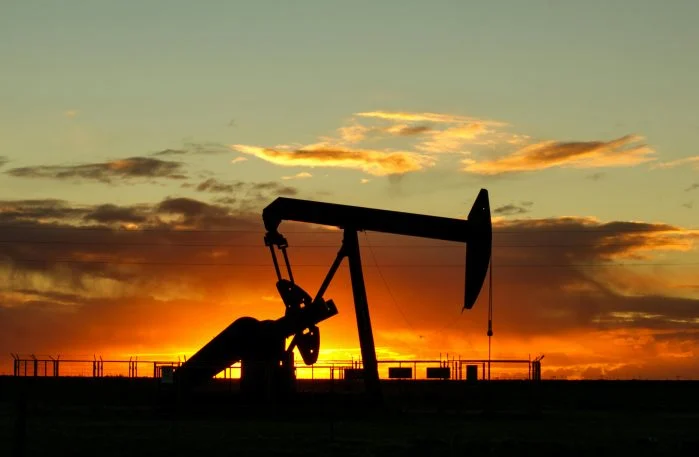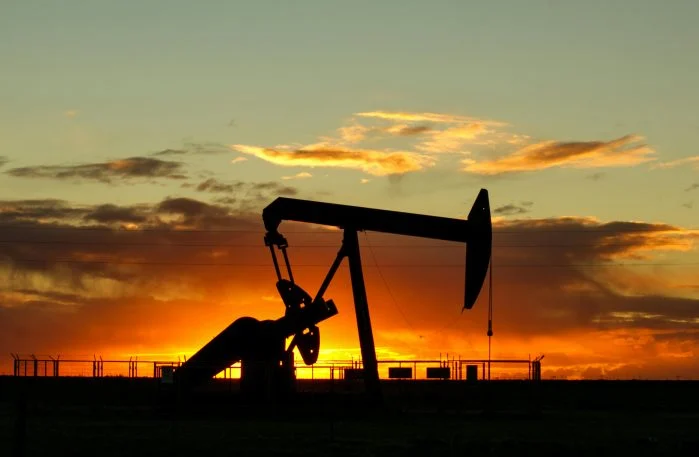
U.S.-Iran tensions have heightened concerns about rising gasoline prices, as the ongoing conflict has led to the closure of the Strait of Hormuz, a vital oil shipping route. This disruption has contributed to an increase in U.S. gasoline prices, which are nearing the $4.00 per gallon mark, driven by fears of constrained oil supply. The conflict, which began with U.S. and Israeli strikes, has impacted about 20% of the global oil supply by hindering tanker movements through the Strait. Recent U.S. strikes on Iranian air-defense systems have reignited fears, subsequently lifting WTI crude prices toward $72–$81 per barrel.
Key Takeaways
Market behavior suggests that U.S.-Iran tensions are perceived as a significant threat to global oil supply.
The disruption at the Strait of Hormuz appears consistent with scenarios that could push gasoline prices back to $4.00 per gallon.
Market pricing reflects an increase in the perceived likelihood of crude oil reaching new all-time highs by December 31.