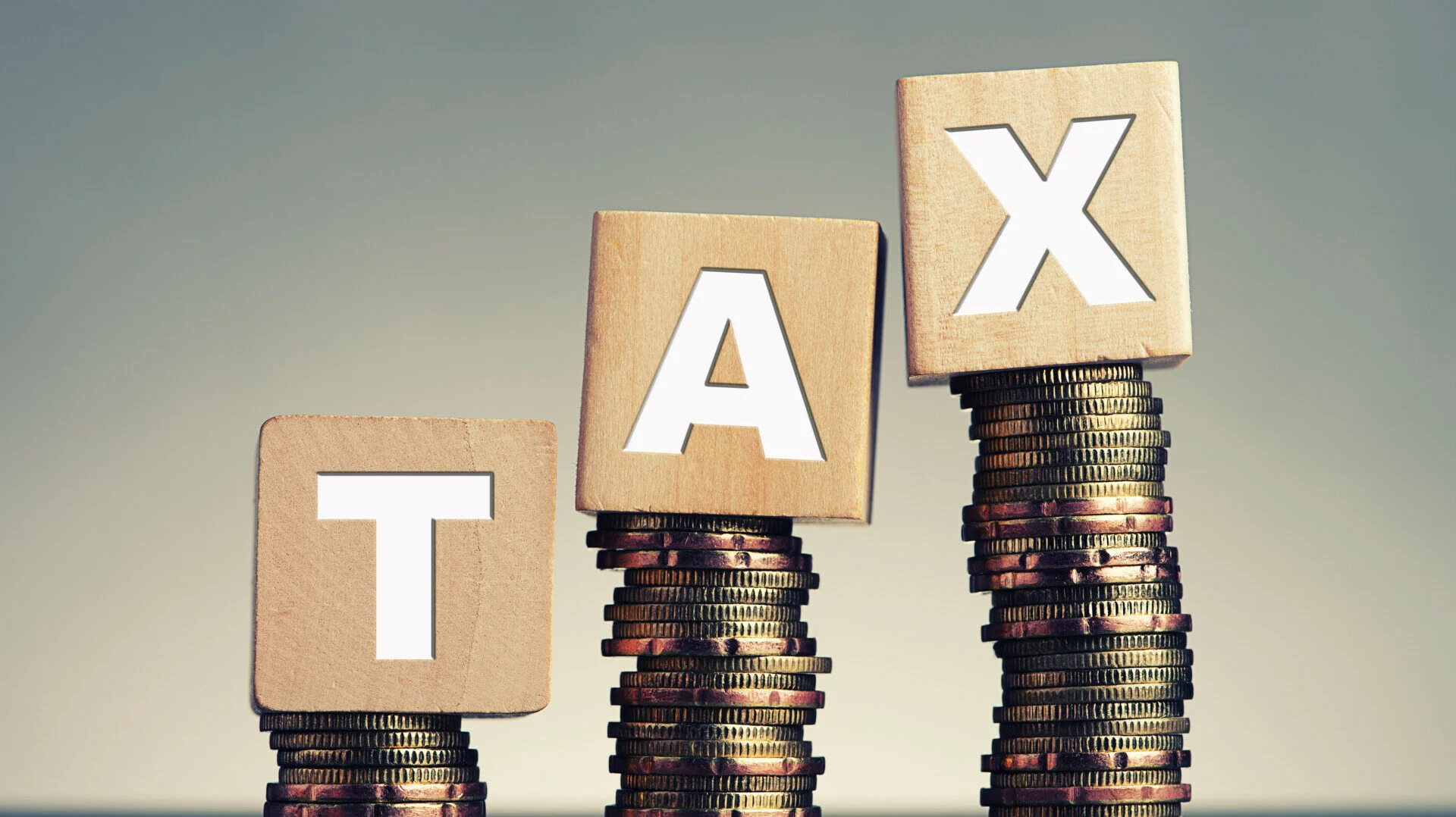
The real estate market has been beset by a major contradiction in recent years. On the one hand, housing prices have increased significantly, making the acquisition of a new home particularly difficult for a large part of society. On the other, construction activity is one of the sectors that has consistently been high on the tax evasion lists, as a result of which the discussion on property taxation does not only concern the amount of charges, but also the issue of tax justice.
At the center of this discussion is the VAT on newly built properties – a tax that was introduced, applied for a period of time and then suspended, with continuous extensions being given whenever the suspension term expires. At the same time, the property capital gains tax, which is also provided for by law but remains inactive, is in a similar situation.
These are essentially two taxes that have not been abolished, but have been placed on permanent suspension. This practice creates a special tax regime, where the legislation provides for specific rules, but their implementation is constantly being postponed to the future.
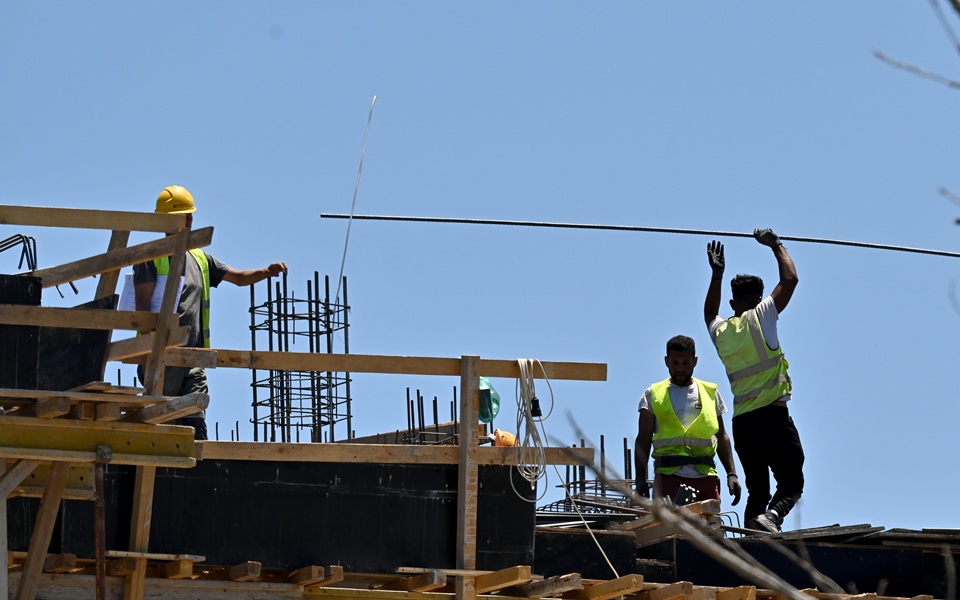
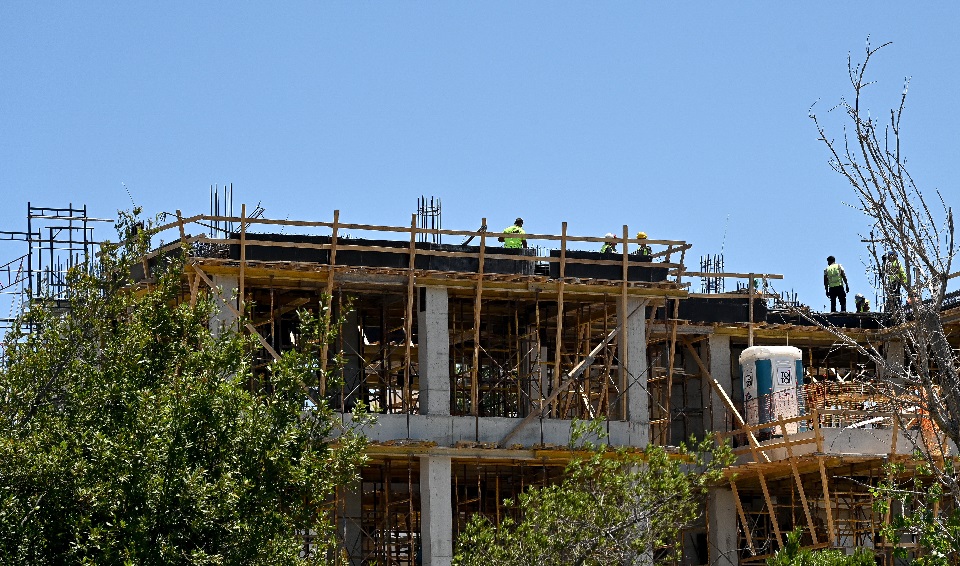
However, construction is one of the most important sectors of the Greek economy, with a large chain of activities that includes manufacturers, contractors, technical professions, suppliers of materials and services related to construction. At the same time, however, as evidenced by data from the tax administration, this is a sector in which cases of large-scale tax evasion are often identified.