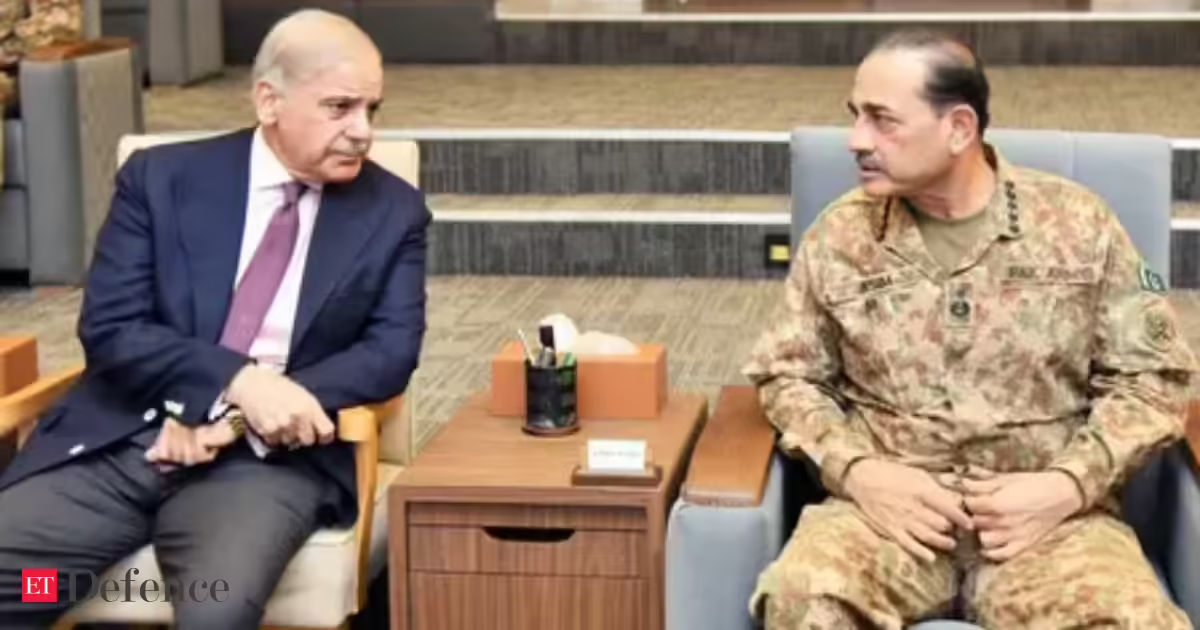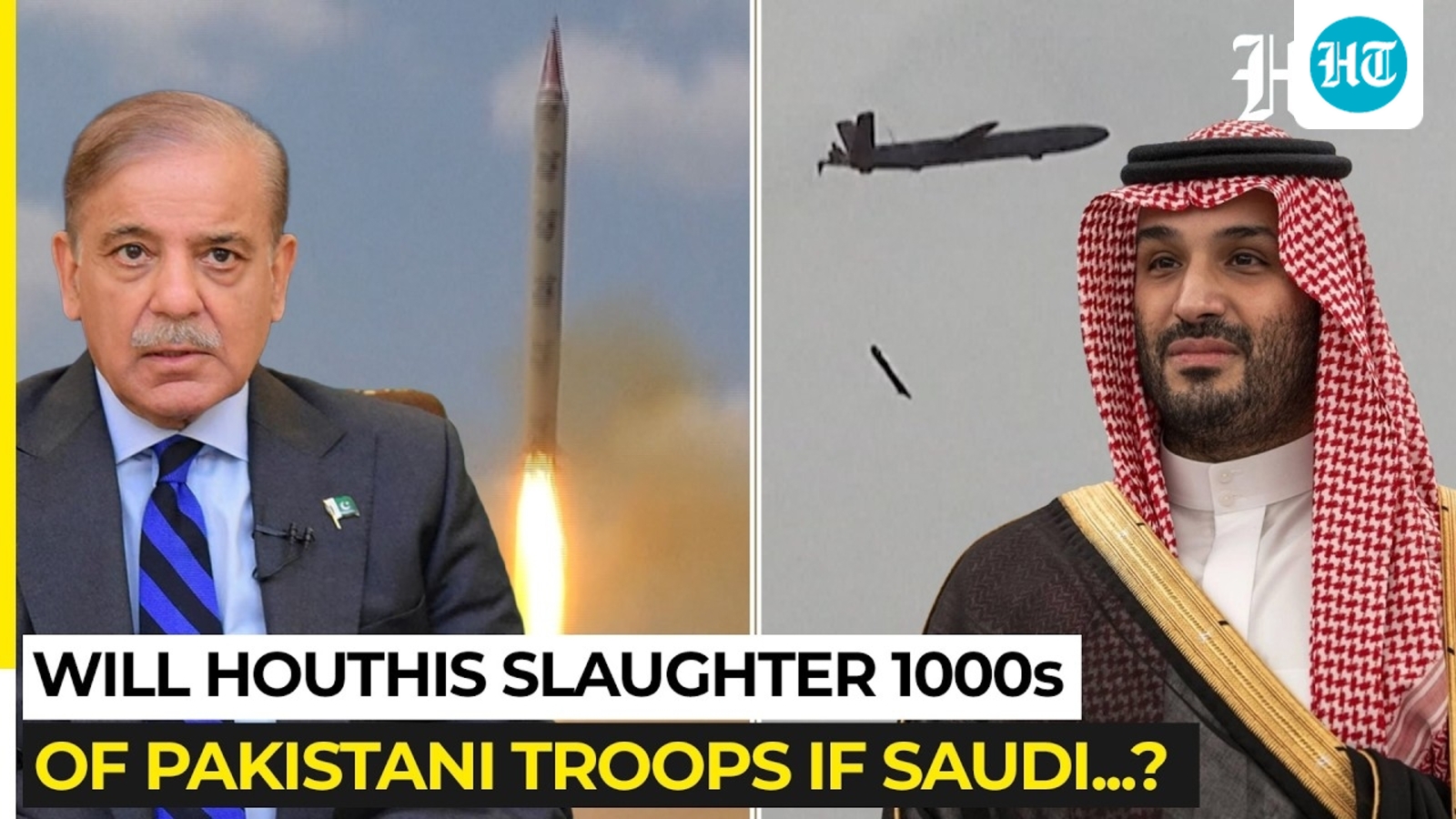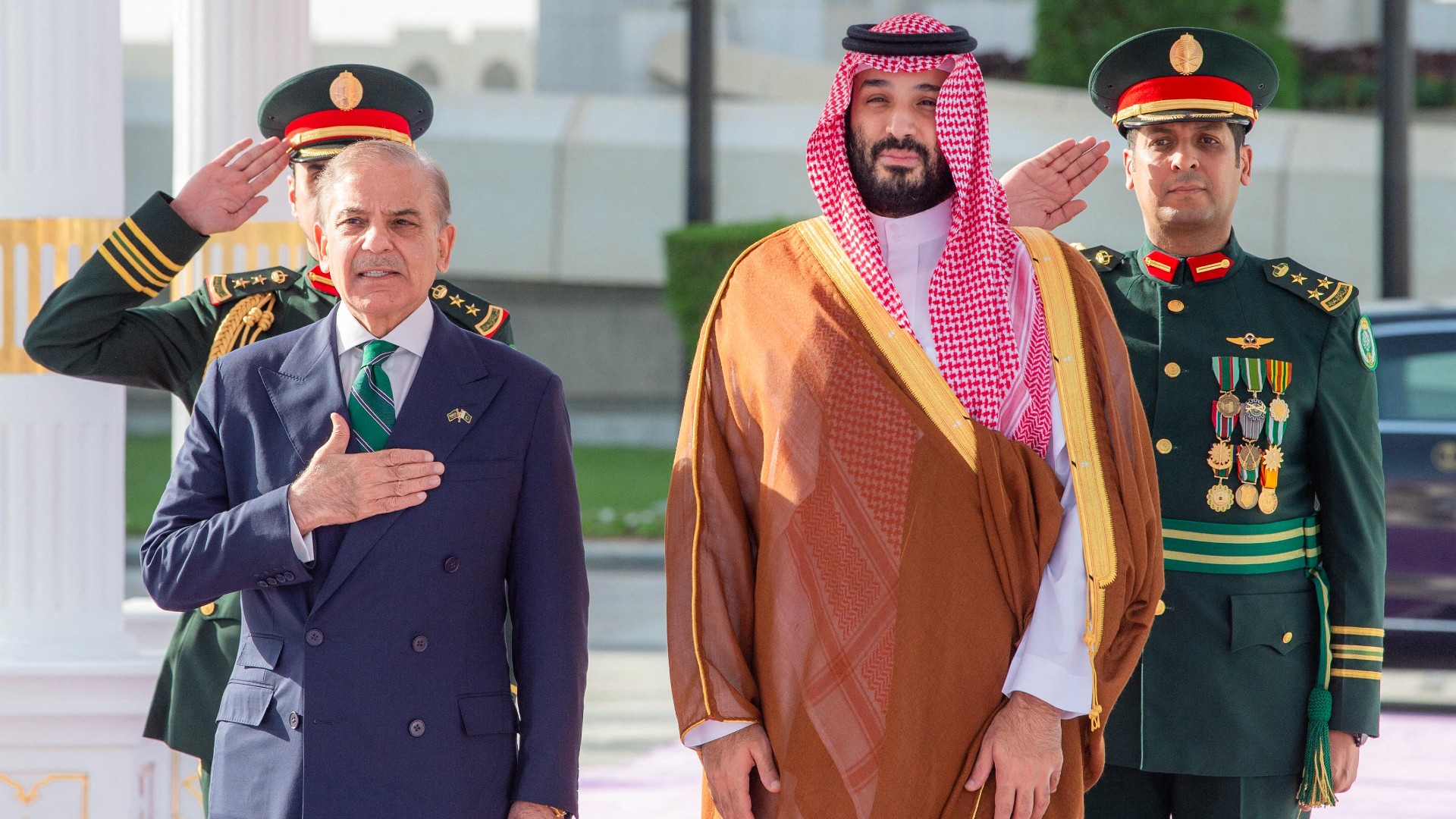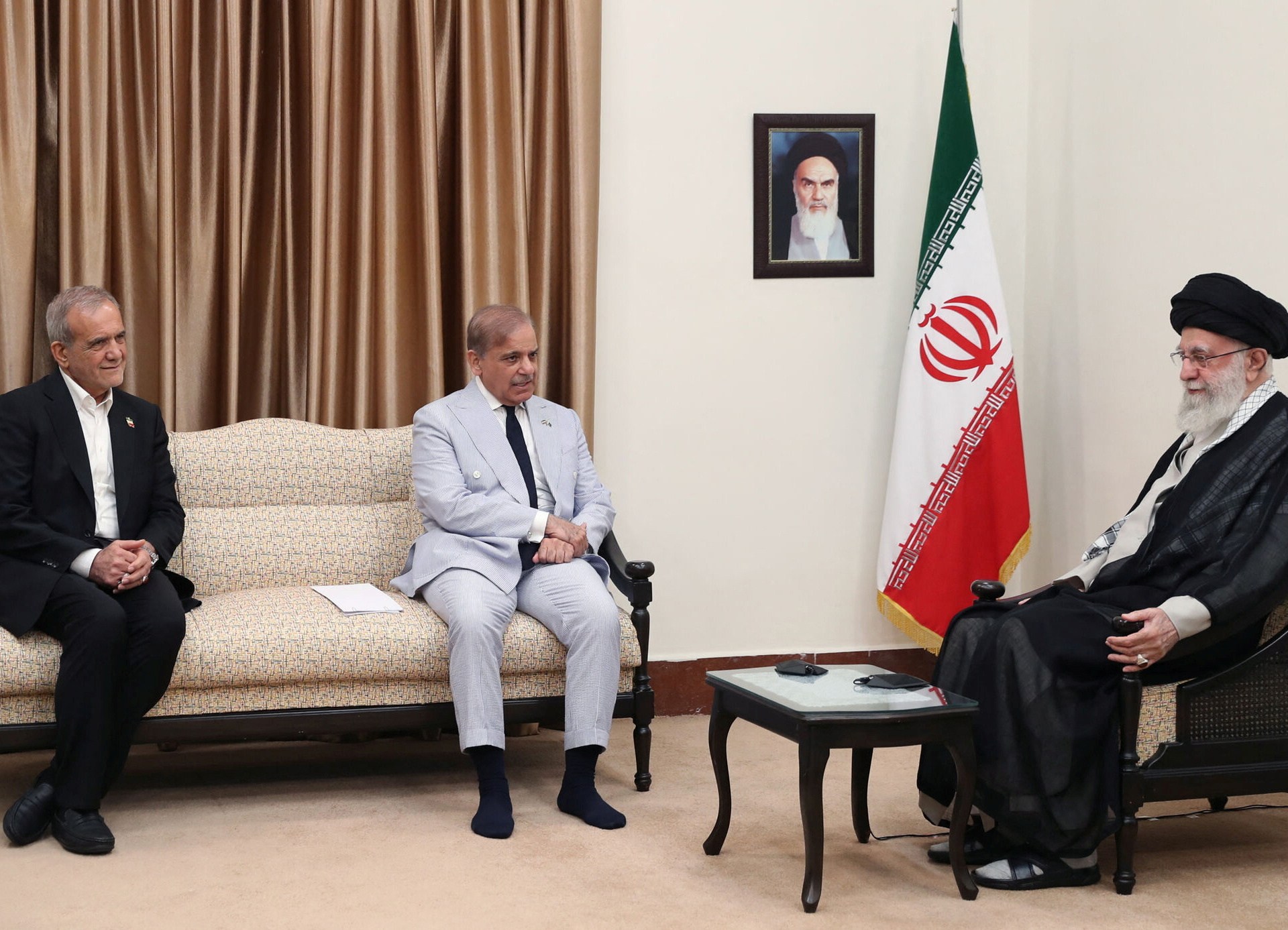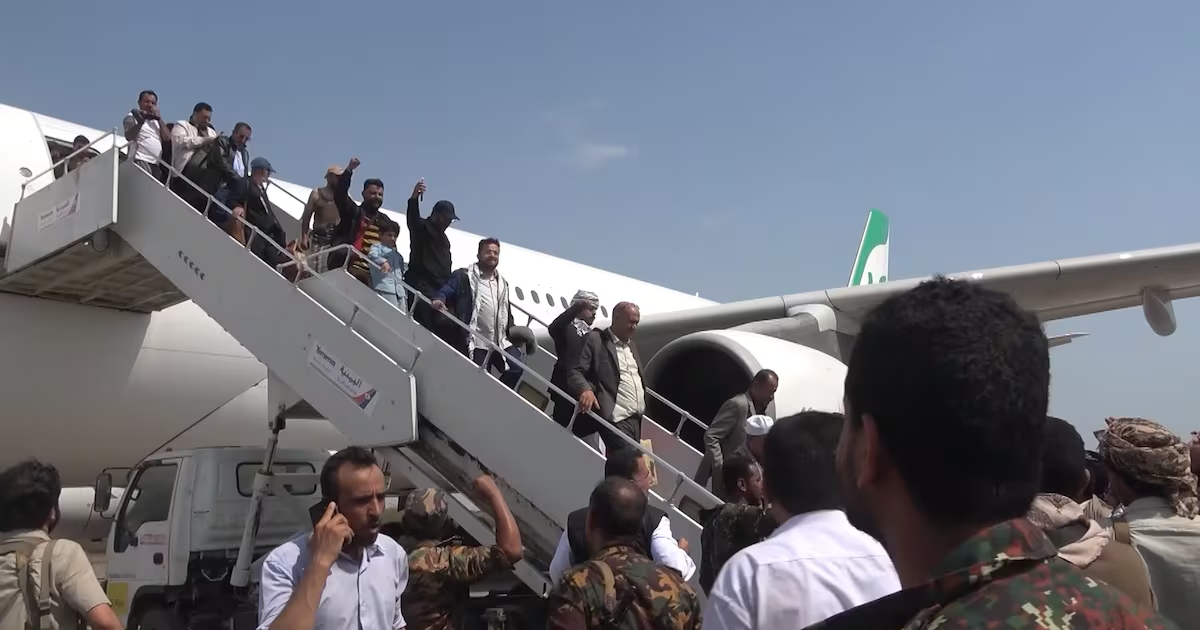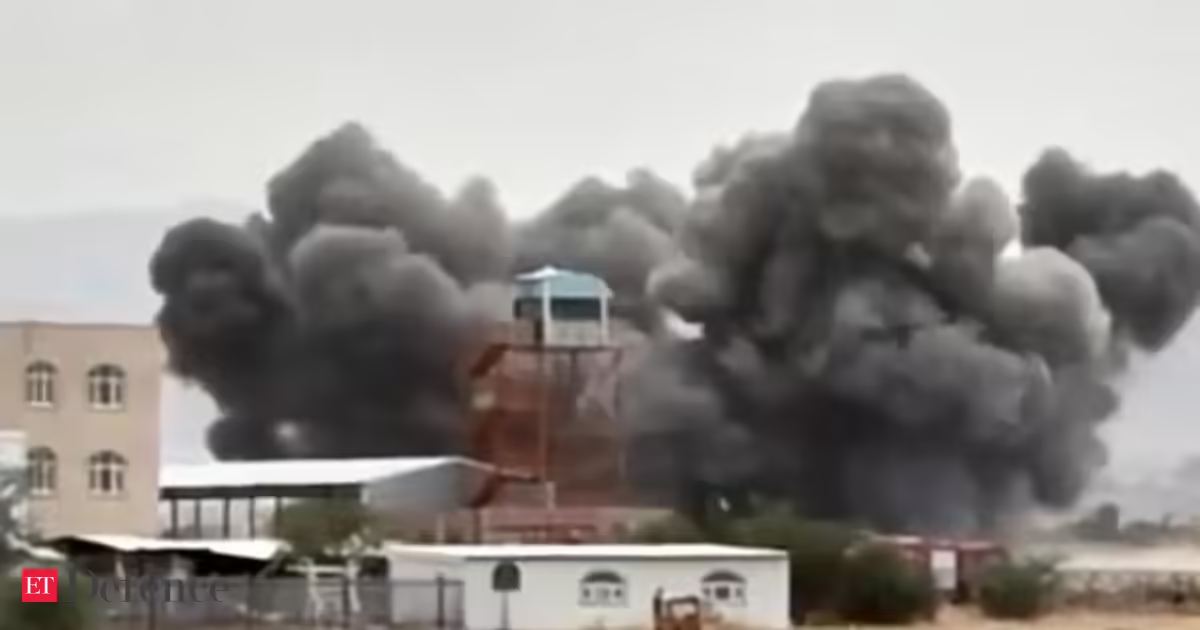
The fragile calm that had largely held between Saudi Arabia and Yemen’s Houthi movement for several years is showing signs of breaking down. A fresh round of attacks and counterattacks centered on Sanaa airport and Saudi territory has revived fears of a wider regional escalation at a time when tensions involving Iran are already running dangerously high. What might otherwise have remained a localised confrontation now risks becoming part of a much larger geopolitical struggle stretching from the Gulf to the Red Sea.For Pakistan, the stakes are unusually high. Islamabad has spent years balancing close strategic ties with Saudi Arabia while maintaining workable relations with neighbouring Iran. That balancing act becomes significantly harder if Saudi-Houthi hostilities intensify. The existence of a recently signed Saudi-Pakistan mutual defence agreement adds an entirely new layer of complexity and raises difficult questions about how far Pakistan could be expected to go if Riyadh comes under sustained attack.The immediate triggerThe latest escalation began when Yemen’s internationally recognised government, which is backed by Saudi Arabia and operates from Aden, targeted the runway at Sanaa International Airport. According to Yemen’s Defence Ministry, the objective was to prevent an Iranian aircraft from landing in the Houthi-controlled capital. The government claimed the flight was suspected of carrying military personnel and weapons. The Houthis rejected that narrative and said the aircraft was carrying passengers returning from Iran after attending the funeral of Iran’s late Supreme Leader Ayatollah Ali Khamenei.Also read | Trump drops Strait of Hormuz fee plan, seeks Gulf investment deals insteadThe Houthis responded by launching missiles and drones toward Saudi Arabia, including an attack targeting Abha International Airport. The movement described the strike on Sanaa airport as a violation of the de-escalation that had prevailed in recent years and vowed retaliation. The exchange represents the most serious Saudi-Houthi confrontation since the unofficial truce took hold in 2022.What makes the episode particularly significant is that it is not occurring in isolation. It comes amid a broader regional confrontation involving Iran, the United States and several Iranian-aligned groups across the Middle East.Trump’s backing and a shift in Saudi calculationsA major factor behind concerns of escalation is the reported involvement of the United States. According to Axios, President Donald Trump gave Saudi Crown Prince Mohammed bin Salman his backing for a tougher approach toward the Houthis before the latest strikes. The report suggests Riyadh had discussed the growing threat posed by Houthi-Iran coordination and sought American support for stronger action.That matters because Saudi Arabia had spent the past several years trying to reduce its direct military involvement in Yemen. After years of costly war, Riyadh appeared more interested in diplomacy and de-escalation. The latest developments may indicate that Saudi leaders increasingly believe the Houthis are again becoming a major security threat, especially if they are seen as an extension of Iranian regional strategy.American backing could make Saudi Arabia more willing to take risks that it might previously have avoided. At the same time, it increases the likelihood that any future Saudi-Houthi confrontation will be viewed by Tehran through the lens of the wider Iran-US rivalry.Why Bab el-Mandeb mattersThere is a possibility that the conflict could spread beyond Yemen and Saudi Arabia. The Bab el-Mandeb Strait is one of the world's most important maritime chokepoints, linking the Red Sea with the Gulf of Aden and the Indian Ocean.Since late 2023, the Houthis have repeatedly demonstrated their ability to disrupt shipping in the Red Sea. If hostilities with Saudi Arabia intensify and become linked to Iran’s broader confrontation with the United States, the Houthis could attempt to exert pressure through Bab el-Mandeb once again. There are already growing concerns that Iran may use its Houthi allies to threaten traffic through the strait as part of a broader regional pressure campaign.A serious disruption would affect global trade routes, increase shipping costs and potentially trigger sharp increases in energy prices. It would also internationalize the conflict even further by drawing in major naval powers seeking to protect maritime traffic.Pakistan’s new strategic constraintThe most important variable from Islamabad’s perspective is the Strategic Mutual Defense Agreement signed between Pakistan and Saudi Arabia in September 2025. The agreement explicitly states that aggression against one country will be considered aggression against both. It represented a major upgrade in a relationship that had already included decades of military cooperation.Pakistan has even stationed thousands of soldiers and fighter jets in Saudi Arabia under this pact. The relationship is one of the deepest defense partnerships in the Muslim world. Yet until recently, Islamabad had generally avoided direct involvement in Saudi Arabia’s regional disputes. The defense pact potentially changes that calculation. The exact operational details of the agreement remain unclear. It is not publicly known whether it creates automatic military obligations similar to NATO’s Article 5. Even so, the political expectations created by such language are difficult to ignore. If Saudi Arabia faces sustained missile and drone attacks and formally requests support, Pakistan could come under intense pressure to demonstrate solidarity.Islamabad’s traditional balancing actPakistan’s foreign policy establishment has historically tried to avoid choosing between Saudi Arabia and Iran. This balancing act reflects geography as much as diplomacy. Iran shares a long border with Pakistan. The two countries cooperate on border security and trade, even though relations have experienced periodic tensions. Pakistan also has a sizable Shia population, making sectarian spillover from Middle Eastern conflicts a domestic concern.Also read | DG Shipping to monitor Indian seafarersAt the same time, Saudi Arabia remains one of Pakistan’s most important strategic and economic partners. Millions of Pakistani workers live in the Gulf and Saudi financial assistance has repeatedly helped Pakistan during periods of economic stress. This balancing strategy was visible during the original Yemen war. Despite strong Saudi expectations, Pakistan’s parliament declined to authorize direct participation in military operations against the Houthis in 2015. Islamabad instead emphasized mediation and political dialogue. A renewed Saudi-Houthi war would test whether that approach remains viable under the new defense agreement.The political signals from IslamabadPakistan’s leadership, which has been acting as a peacemaker between the US and Iran, has so far adopted a cautious line. Prime Minister Shehbaz Sharif’s response to the latest Houthi attack was largely a general condemnation of attacks on Saudi Arabia and an expression of solidarity with the kingdom. Such statements are diplomatically routine and do not automatically imply military involvement.However, these carefully worded positions illustrate Pakistan’s predicament. If Riyadh interprets the mutual defense pact as requiring stronger support, Islamabad may find it difficult to maintain strategic ambiguity. Refusing Saudi requests could create strains in one of Pakistan’s most important bilateral relationships. Agreeing to a more active role, however, could undermine relations with Iran and expose Pakistan to retaliation from Iranian-aligned actors.One of the most delicate questions is how Tehran would interpret Pakistani involvement. A symbolic show of support for Saudi Arabia is one thing. The deployment of Pakistani air assets, intelligence capabilities or military personnel in support of Saudi defensive operations would be another matter entirely.From Iran’s perspective, there may be little distinction between direct combat participation and operational support if such assistance contributes to Saudi military effectiveness. In a region where proxy warfare has become commonplace, perceptions often matter as much as formal declarations. Pakistan would therefore face the risk of being gradually drawn into a conflict it did not initiate and does not want. Even if Islamabad’s role remained limited, Tehran or Iranian-aligned groups could view Pakistan as part of an opposing coalition.The risks for PakistanThe challenges would not be confined to foreign policy. Any visible Pakistani role in a Saudi-Houthi confrontation could deepen domestic political and sectarian tensions. Pakistan has invested heavily over the years in containing sectarian violence and preventing Middle Eastern rivalries from spilling into its internal politics. A conflict framed across the region as a struggle involving Saudi Arabia, Iran and their respective allies could place new pressures on Pakistan’s social cohesion, given its sizable Shia population. Policymakers in Islamabad are acutely aware of this risk, which helps explain their longstanding reluctance to become militarily entangled in Middle Eastern wars.The biggest danger for Pakistan is not a sudden decision to enter a war. It is the possibility of incremental involvement. A Saudi request for enhanced air defense cooperation could be followed by intelligence sharing. Intelligence cooperation could be followed by force protection missions. Each step might appear limited on its own, yet collectively they could transform Pakistan from a neutral actor into a participant in the eyes of regional adversaries.That is why the current Saudi-Houthi escalation would get close attention in Islamabad. The confrontation is unfolding at a moment when regional tensions involving Iran remain elevated, American support for a tougher Saudi posture appears stronger and strategic commitments between Pakistan and Saudi Arabia are deeper than ever before.For years, Pakistan has successfully balanced between Riyadh and Tehran. If the Saudi-Houthi conflict expands into a broader regional contest, maintaining that balance may become far more difficult. Islamabad could find itself confronting one of the most complicated foreign policy tests it has faced in decades: honoring a strategic partnership with Saudi Arabia without turning a neighboring Iran into an adversary. In a Middle East increasingly defined by interconnected conflicts, that may prove easier said than done.
One misstep away: Pakistan’s Iran tightrope faces its toughest test
Saudi Arabia and Yemen's Houthi movement are facing renewed conflict, raising regional escalation fears and making Pakistan's strategic balance between Saudi Arabia and Iran more difficult. A recent Saudi-Pakistan defence pact has added more complexity to Islamabad's obligations. The Bab el-Mandeb Strait's importance has grown as shipping disruptions have become a bigger concern.
1,534 words~7 min read