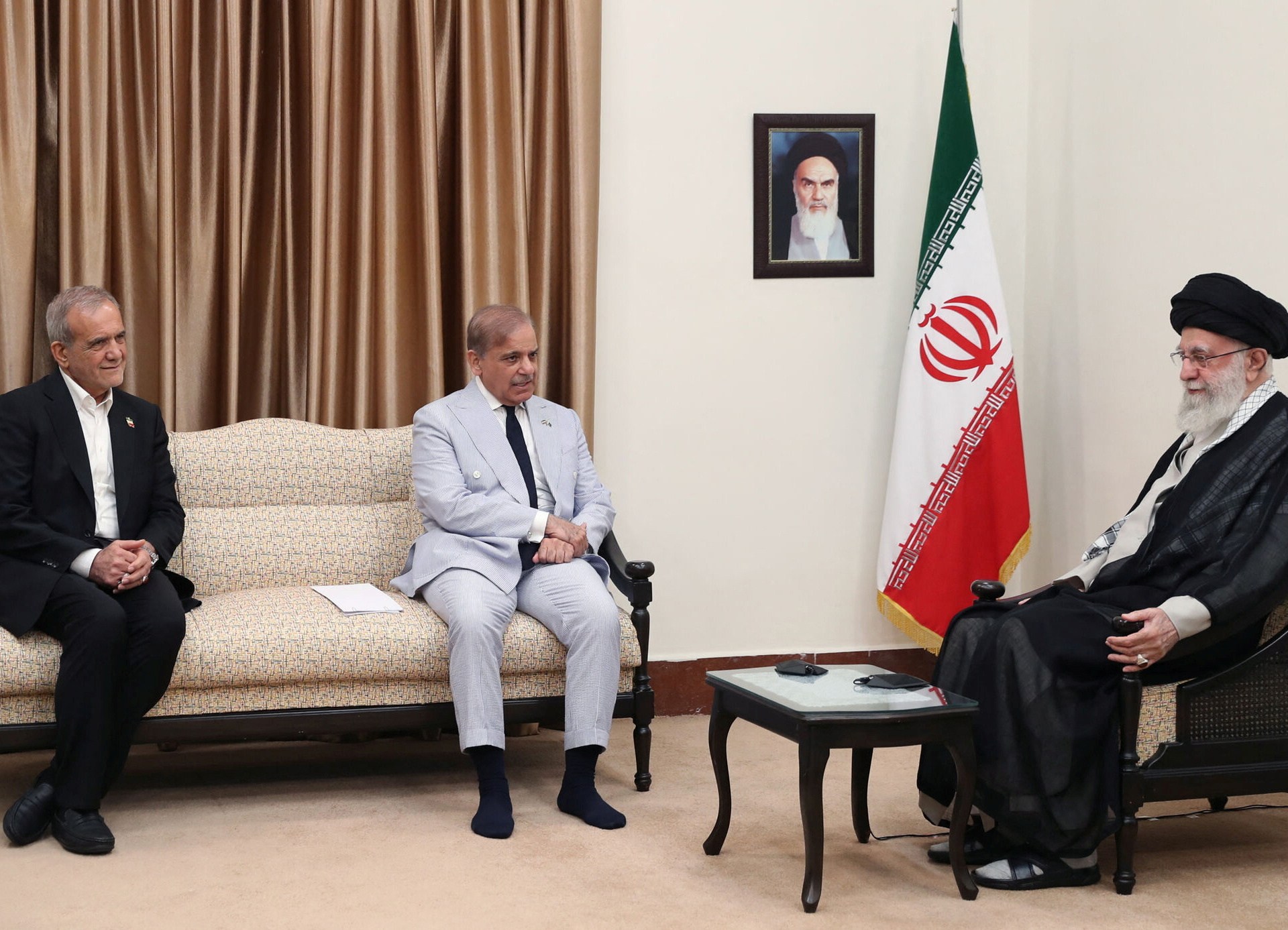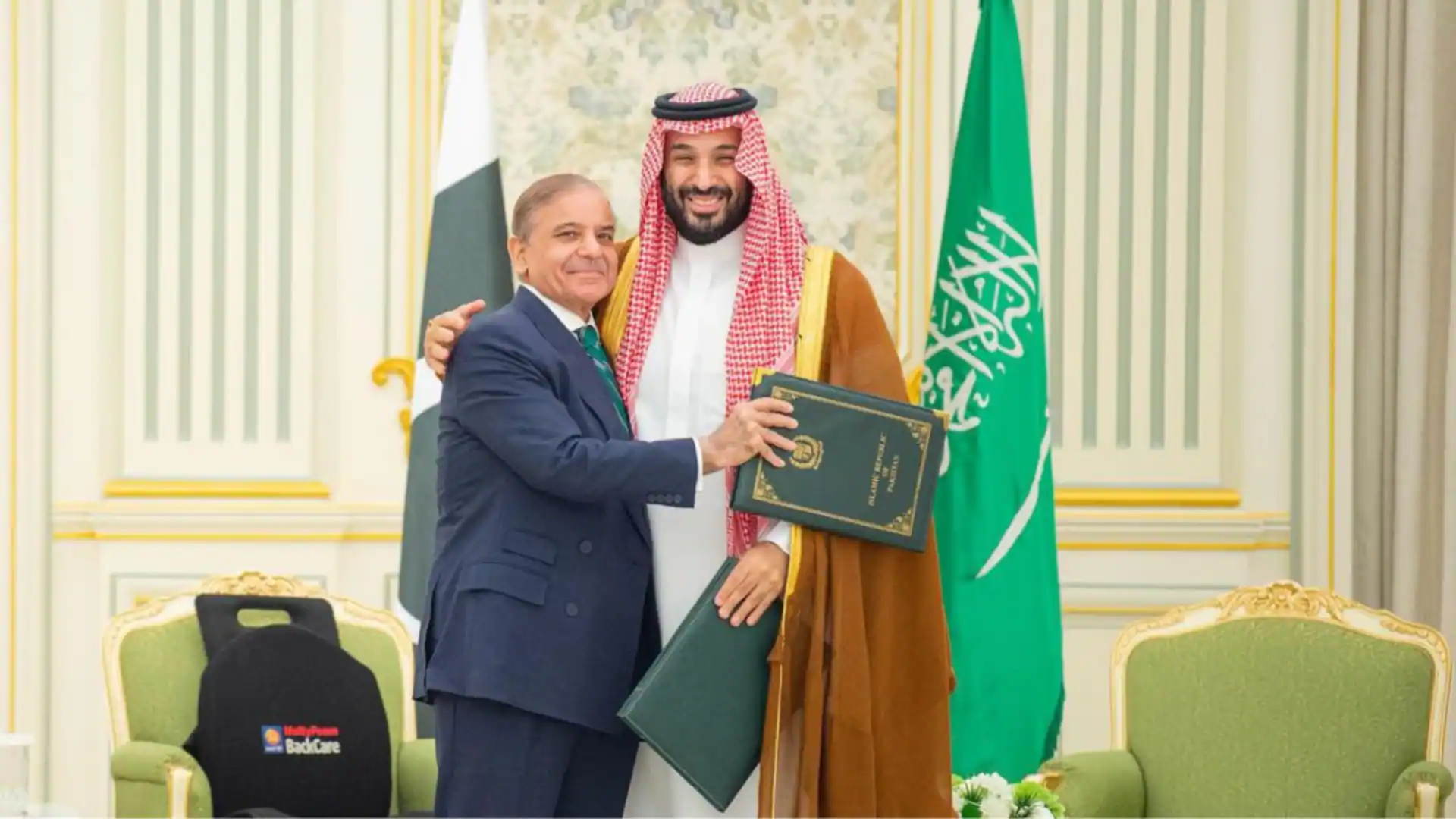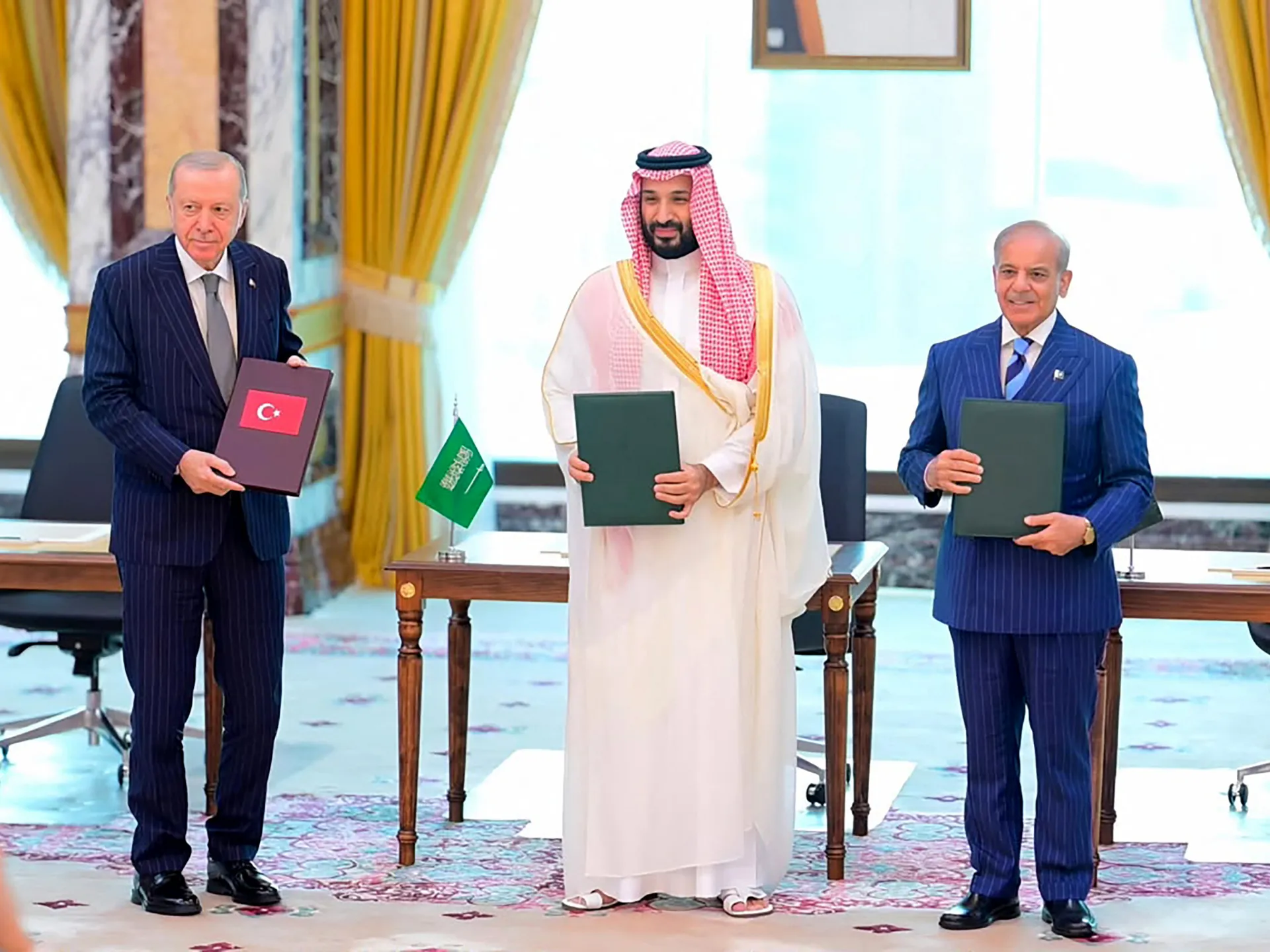
The recent turmoil in the Middle East has placed Pakistan in an unusually delicate strategic position. Following the coordinated strikes by the US and Israel against Iran and the killing of its supreme leader, Ayatollah Ali Khamenei, Tehran has retaliated by targeting several Gulf states, including Saudi Arabia.
However, amid the escalating crisis, Iranian missile and drone attacks on Saudi targets have raised fresh questions in Islamabad about the obligations embedded in Pakistan’s recently signed strategic mutual defence agreement with Riyadh.
Pakistani Foreign Minister Ishaq Dar on Tuesday offered the clearest indication yet that the defence agreement may influence regional diplomacy.
Speaking at a press conference in Islamabad and later in parliament, Dar said he had directly raised the pact in conversations with Iranian Foreign Minister Abbas Araghchi.
“We have a defence pact with Saudi Arabia, and I conveyed this to the Iranian side,” Dar said, describing recent diplomatic contacts. According to him, Tehran responded by seeking assurances that Saudi territory would not be used as a launchpad for attacks against Iran.