view more
Astronomers are closer to solving the mystery of how supermassive black holes feed themselves thanks to new images from the James Webb Space Telescope, or JWST.
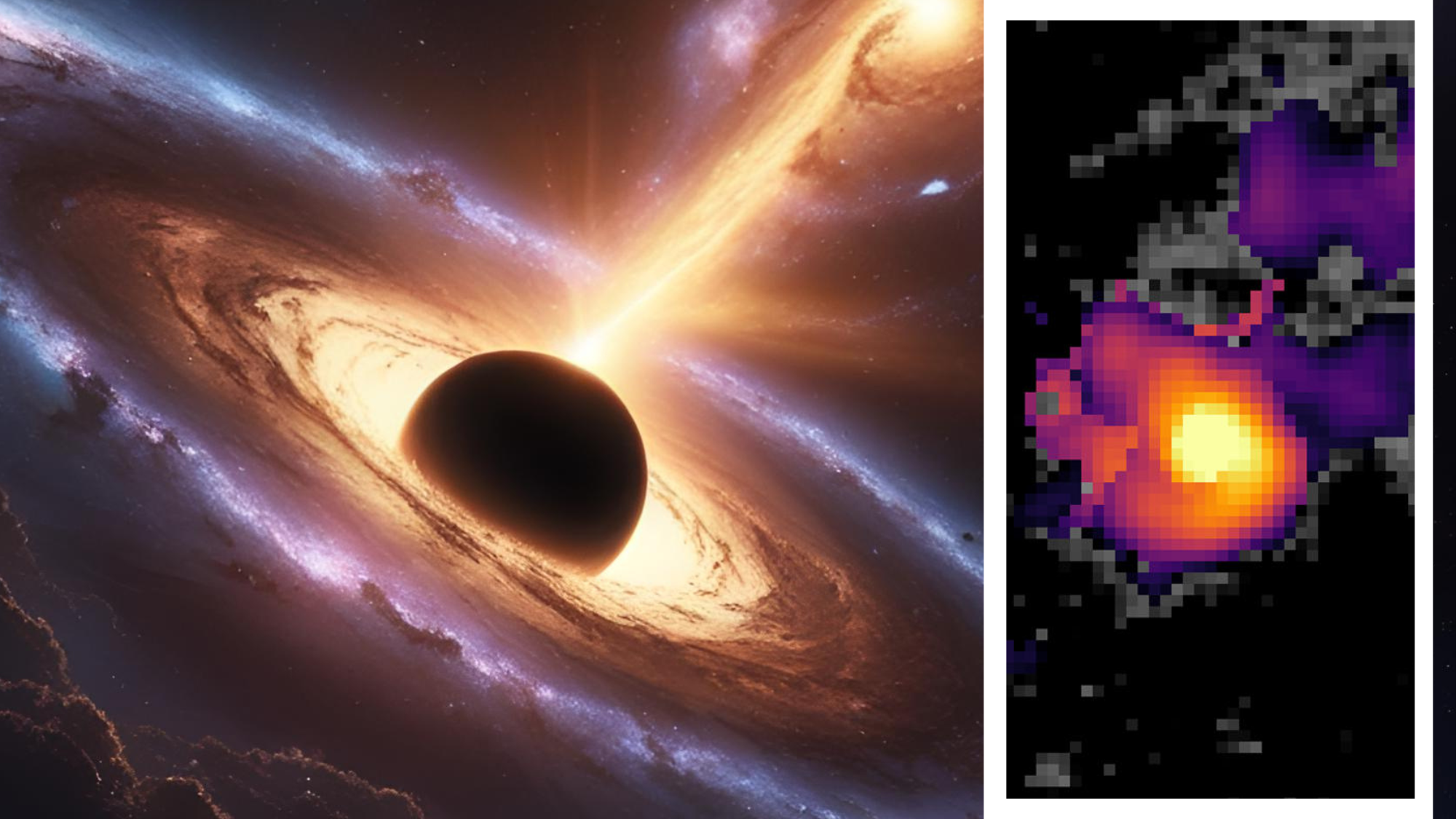
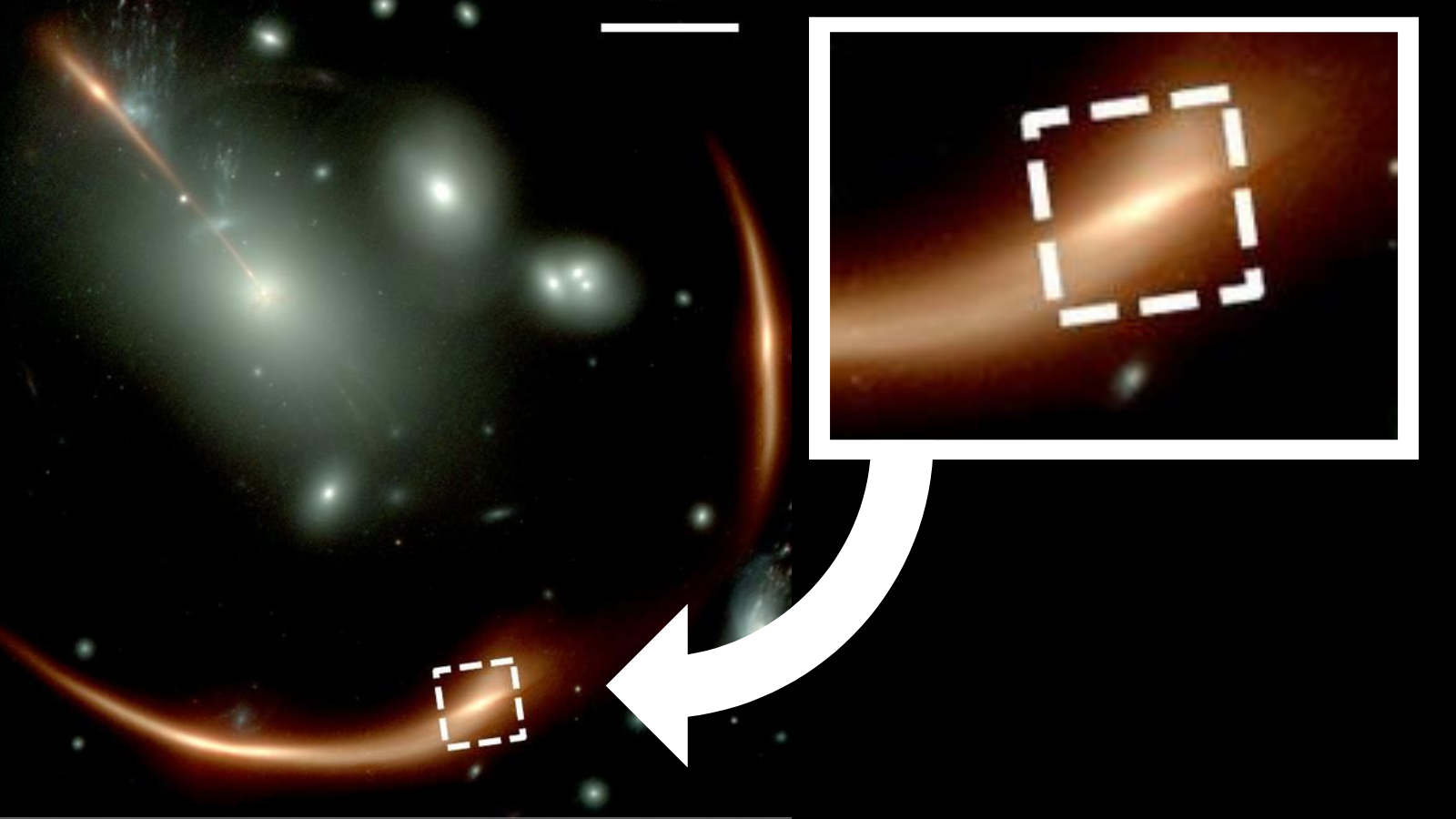
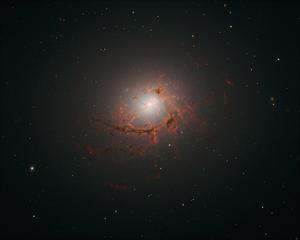
The images provide the clearest view ever seen of gaseous filaments connecting a galaxy’s hot atmosphere to the rotating disk of gas that feeds its central supermassive black hole.
Michigan State University helped an international team, led by the Université de Montréal, perform the observations and interpret the data, finding answers to a question that has stumped scientists for decades. The results were reported in the July 14 issue of The Astrophysical Journal Letters.
“JWST observations are offering us thousands of new facts and measurements, and I can report it’s a lot to absorb,” said Megan Donahue, MSU University Distinguished Professor of physics and astronomy. “We are all working together to solve the astrophysics questions about how these black holes get their fuel and how they interact with their host galaxy.”