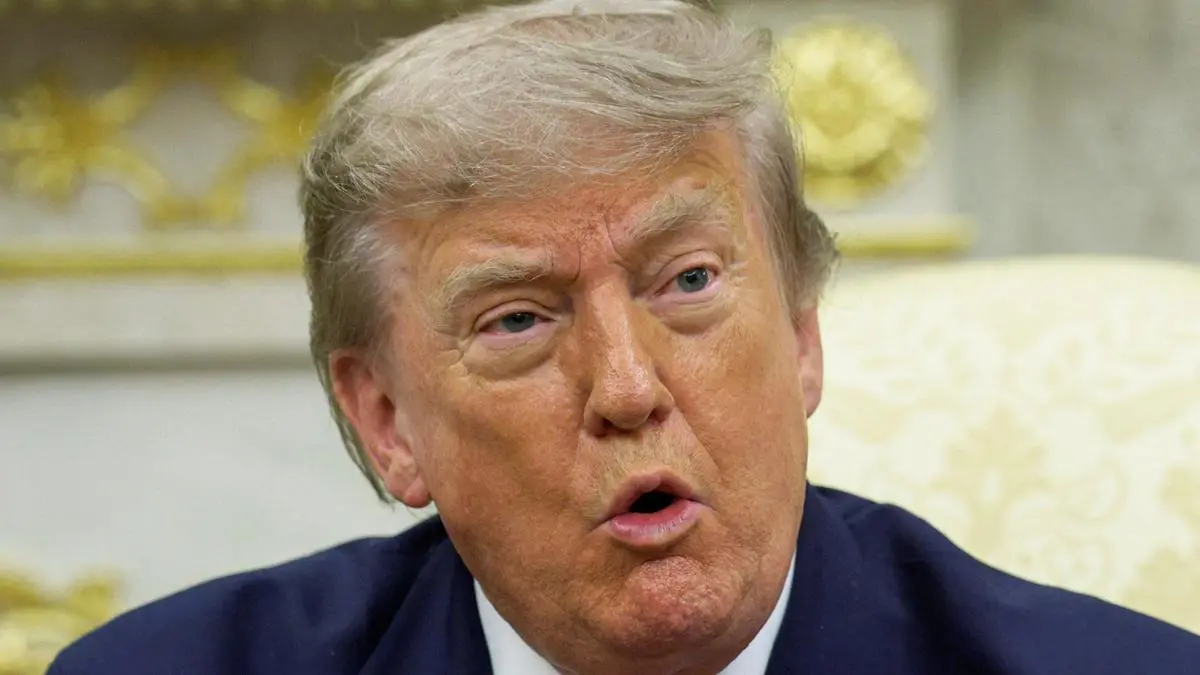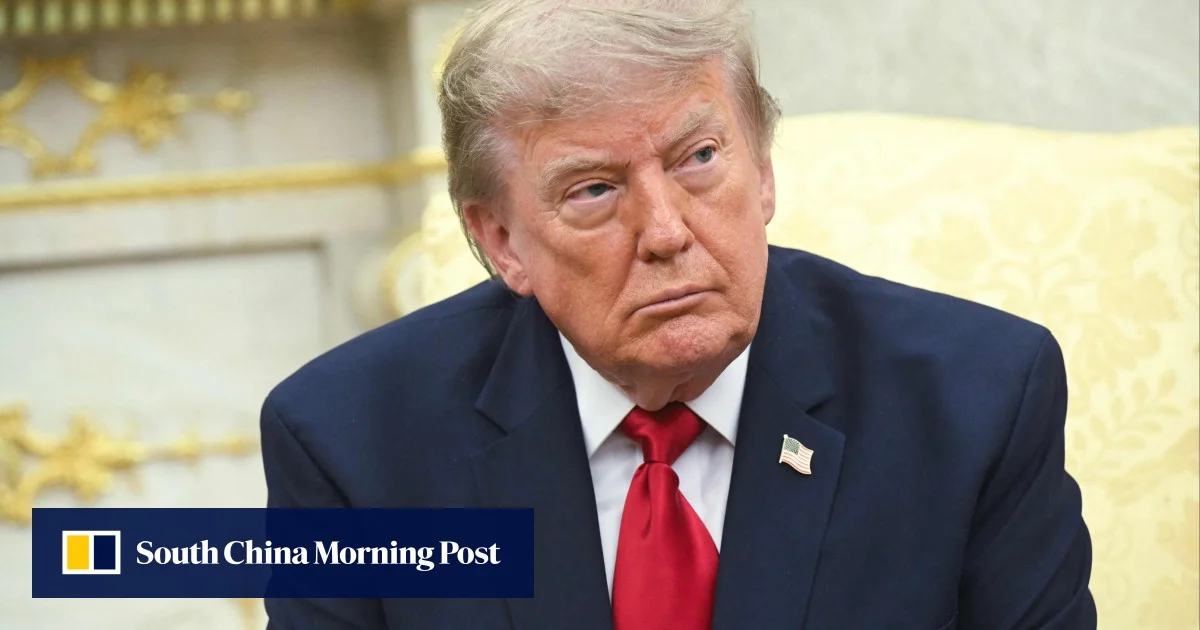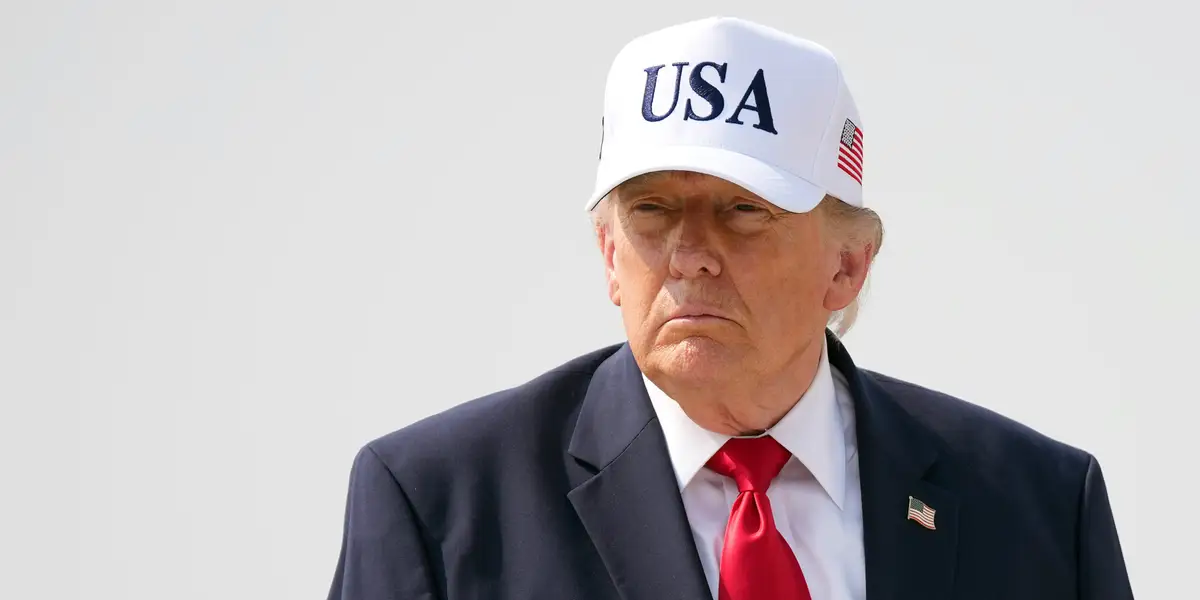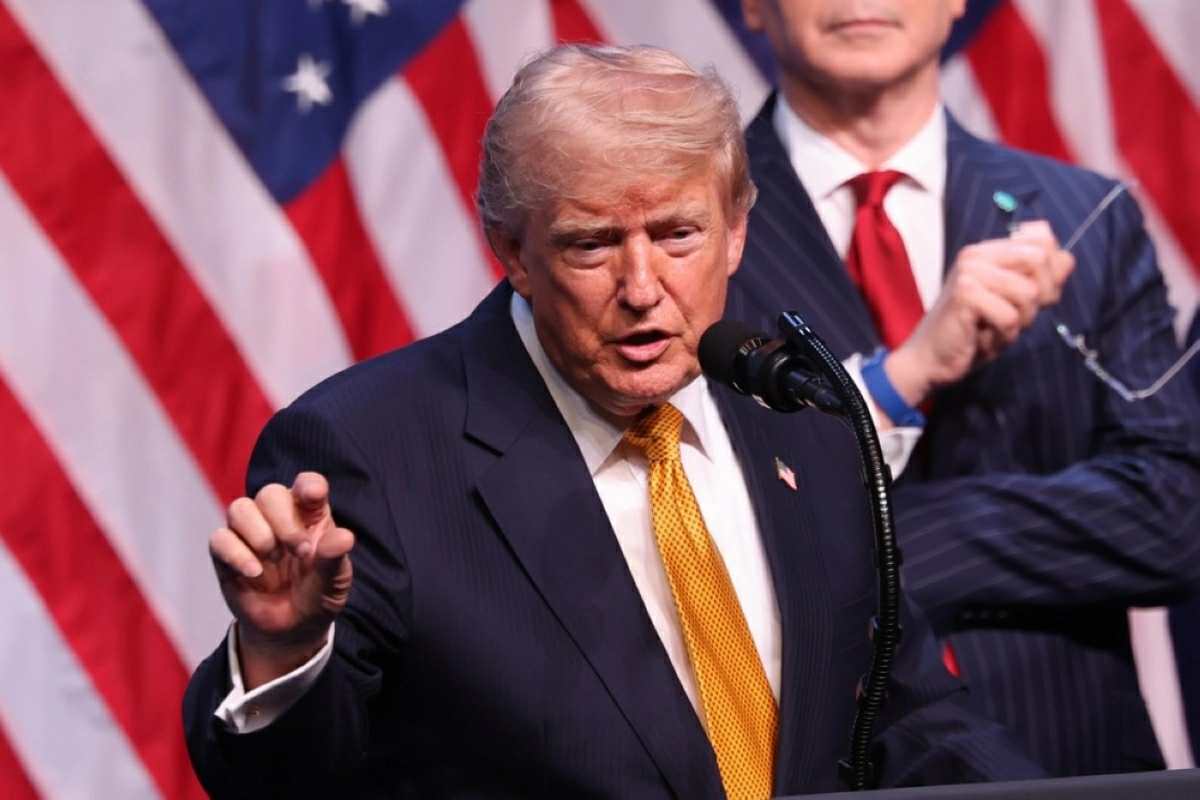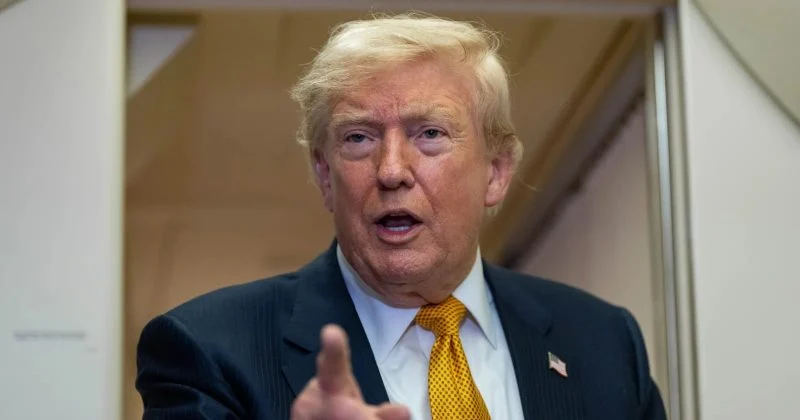
President Donald Trump dropped his proposed 20% reimbursement fee on non-Iranian cargo transiting the Strait of Hormuz on July 14, just one day after announcing it. The reversal came after what Trump described as “highly productive conversations with Middle East leadership,” which yielded commitments from Gulf states to invest in US manufacturing sectors instead.
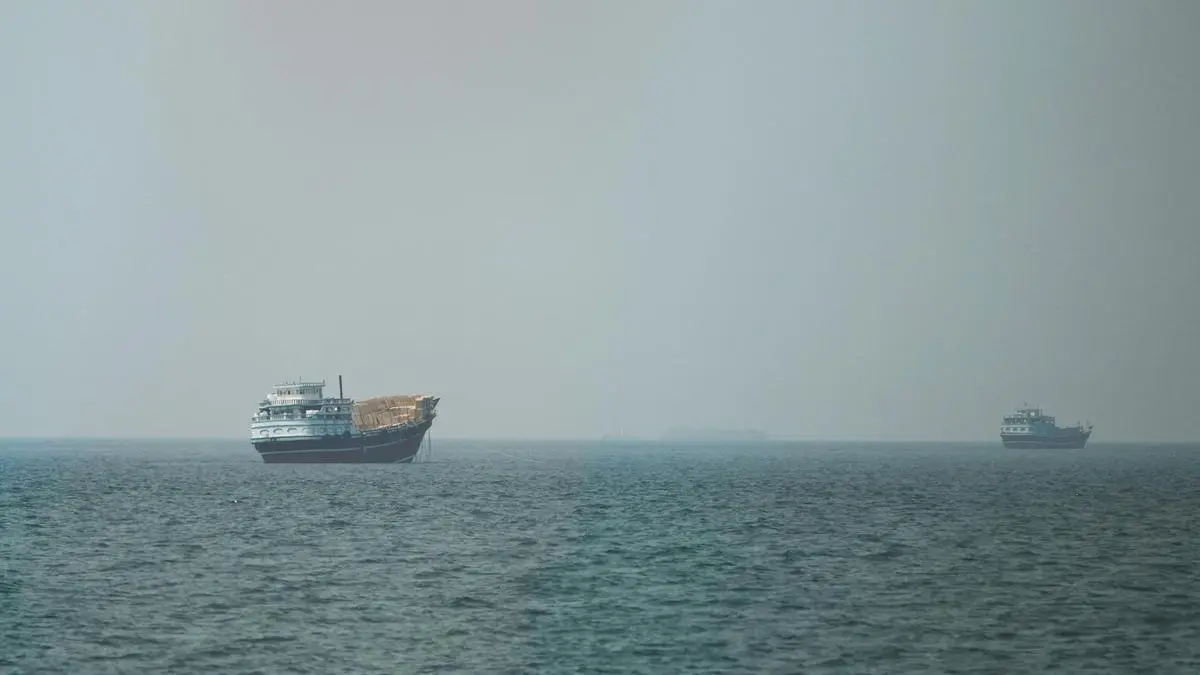
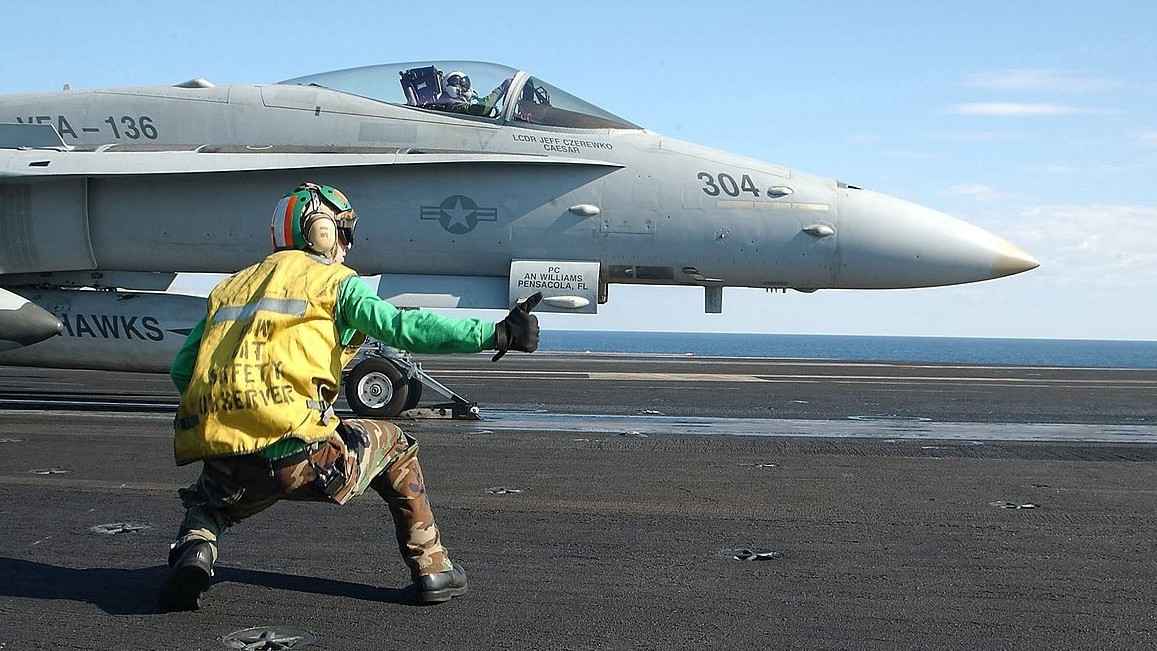
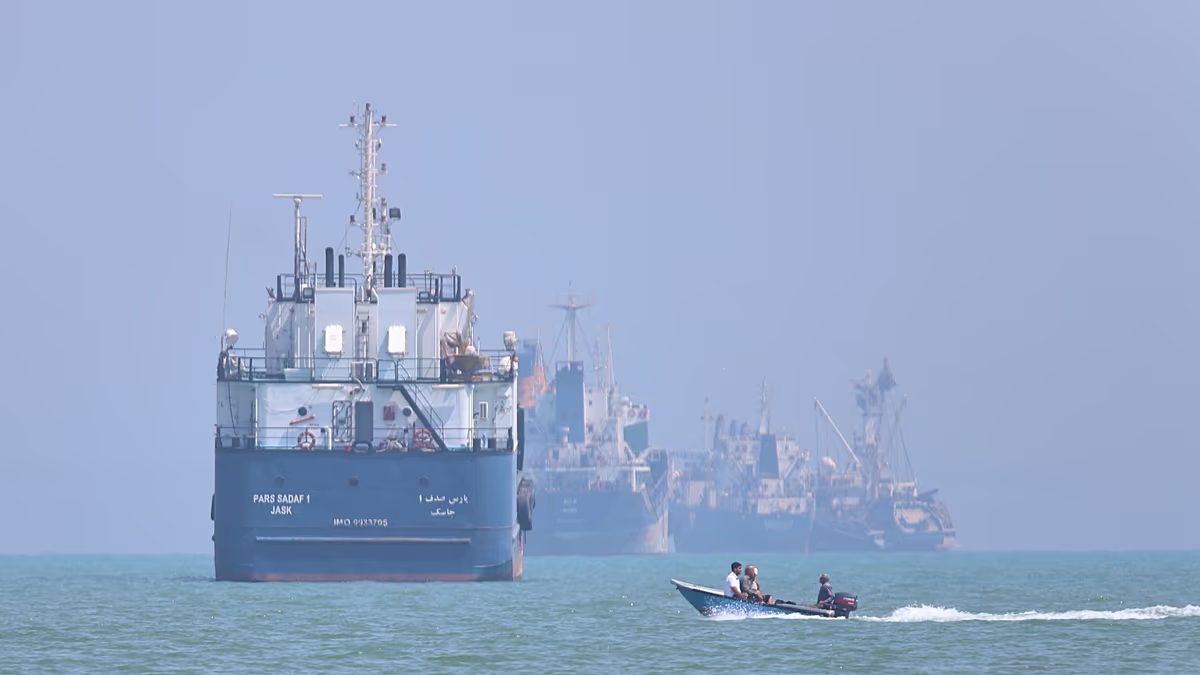
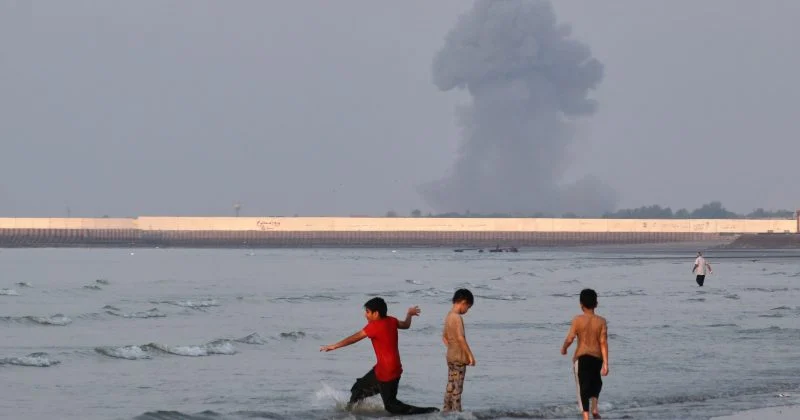
The fee is gone. The blockade is not. US naval forces began enforcing a full blockade against Iranian vessels and their clients at 16:00 ET on July 14, turning one of the world’s most critical shipping chokepoints into an active military zone.
What happened and why it matters
Roughly 20% of the world’s oil passes through the Strait of Hormuz, that narrow waterway between Iran and Oman.
Trump initially framed the blockade with a dual approach. First, label the US as the “Guardian of the Hormuz Strait.” Second, charge everyone 20% for the privilege of American protection. That second part evaporated within a day. Gulf state leaders apparently made a compelling counter-offer: direct trade and investment deals targeting US manufacturing, which gave Trump the economic win he wanted without the diplomatic headache of taxing allies’ cargo ships. Secretary of War Pete Hegseth and CENTCOM Commander Admiral Brad Cooper have been central figures in coordinating the military operation.