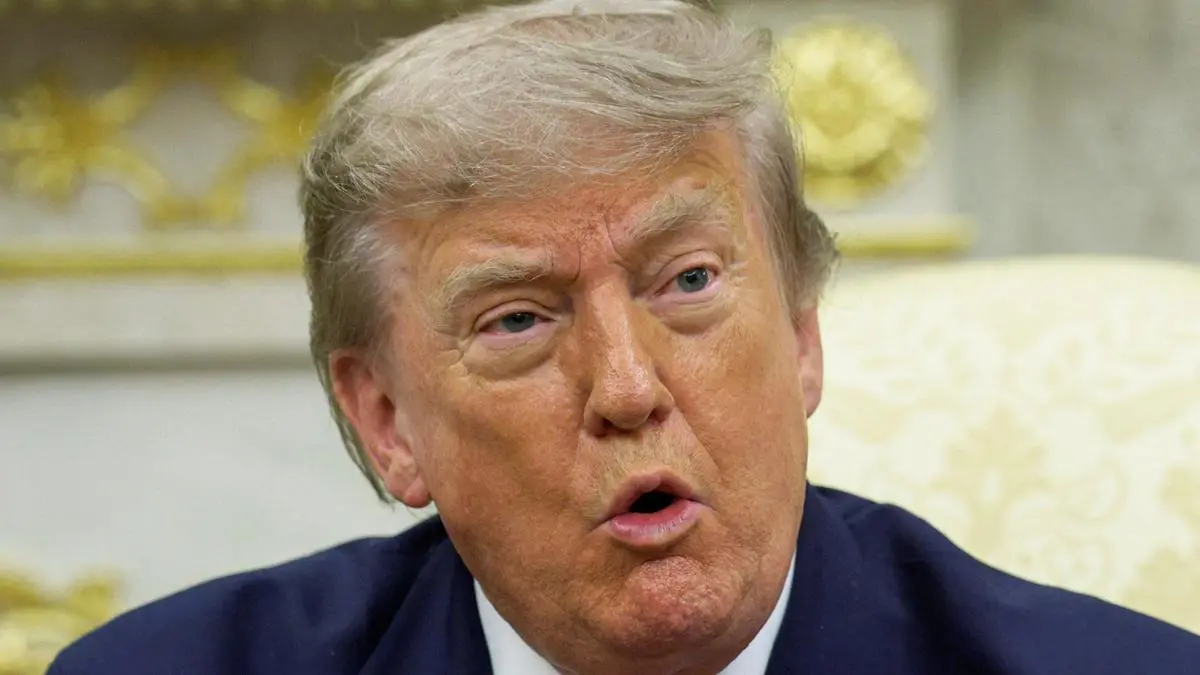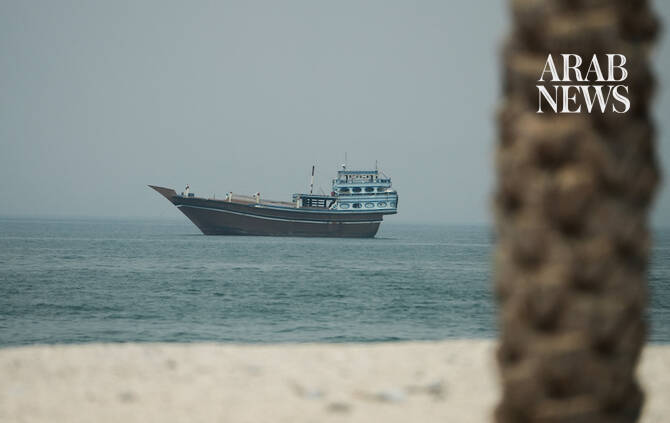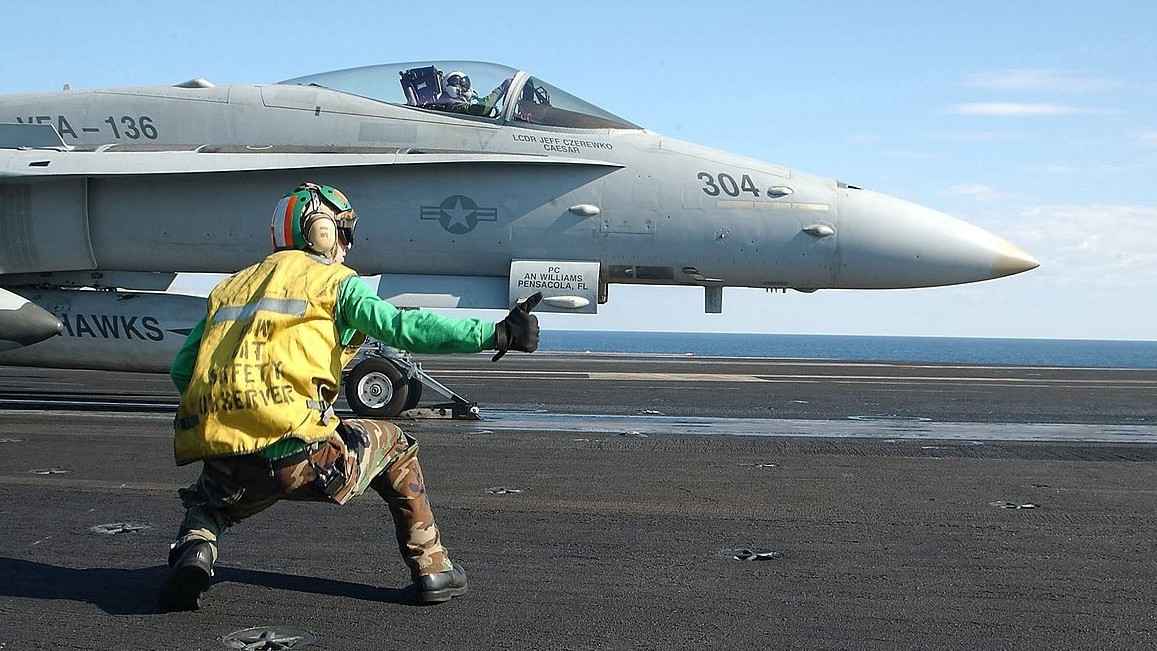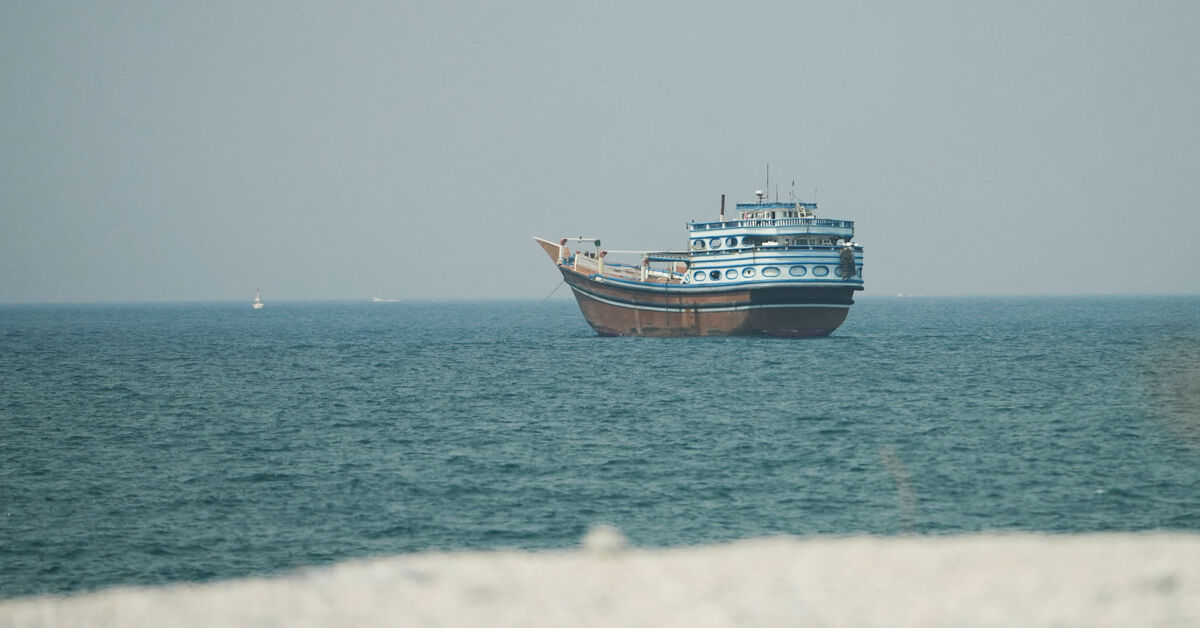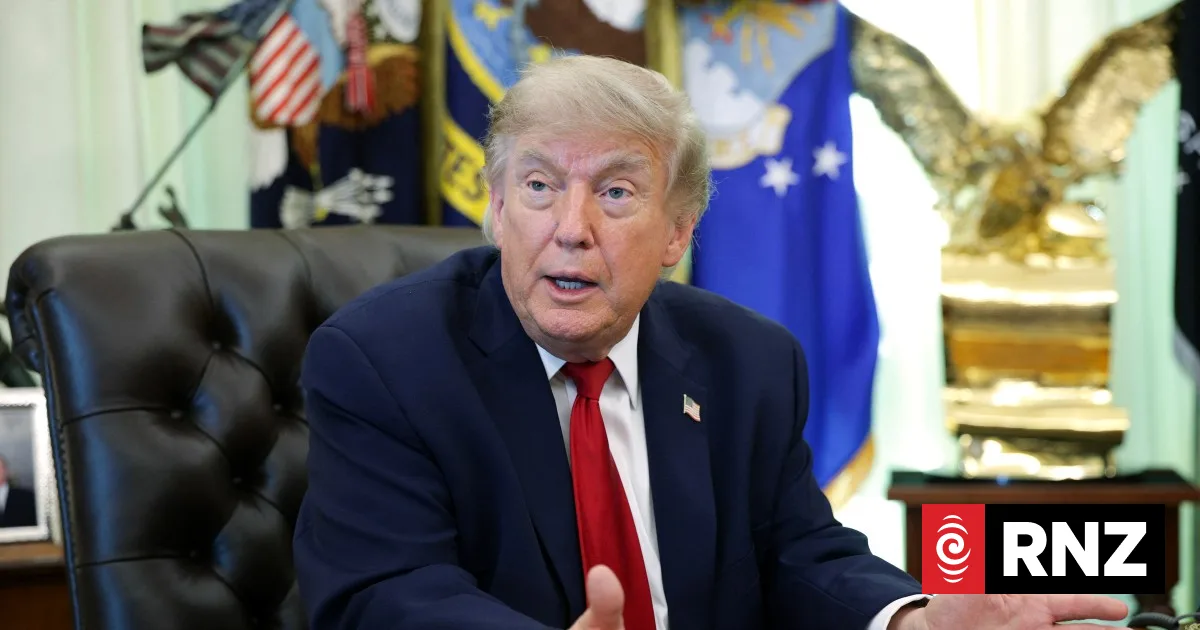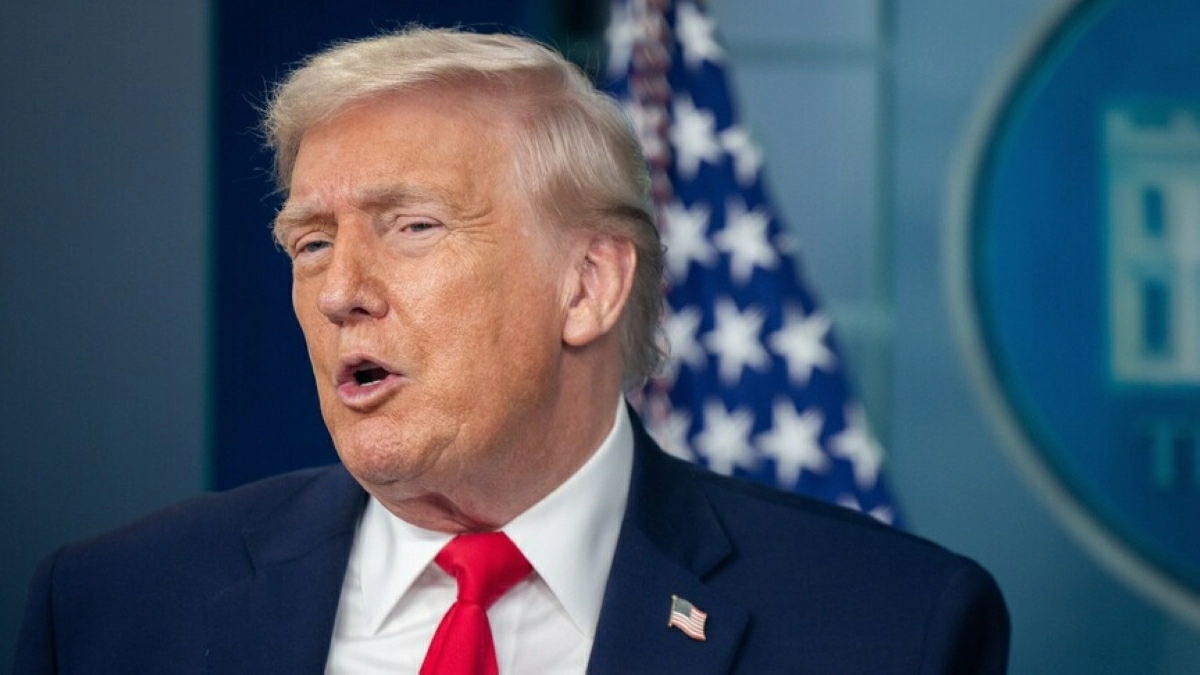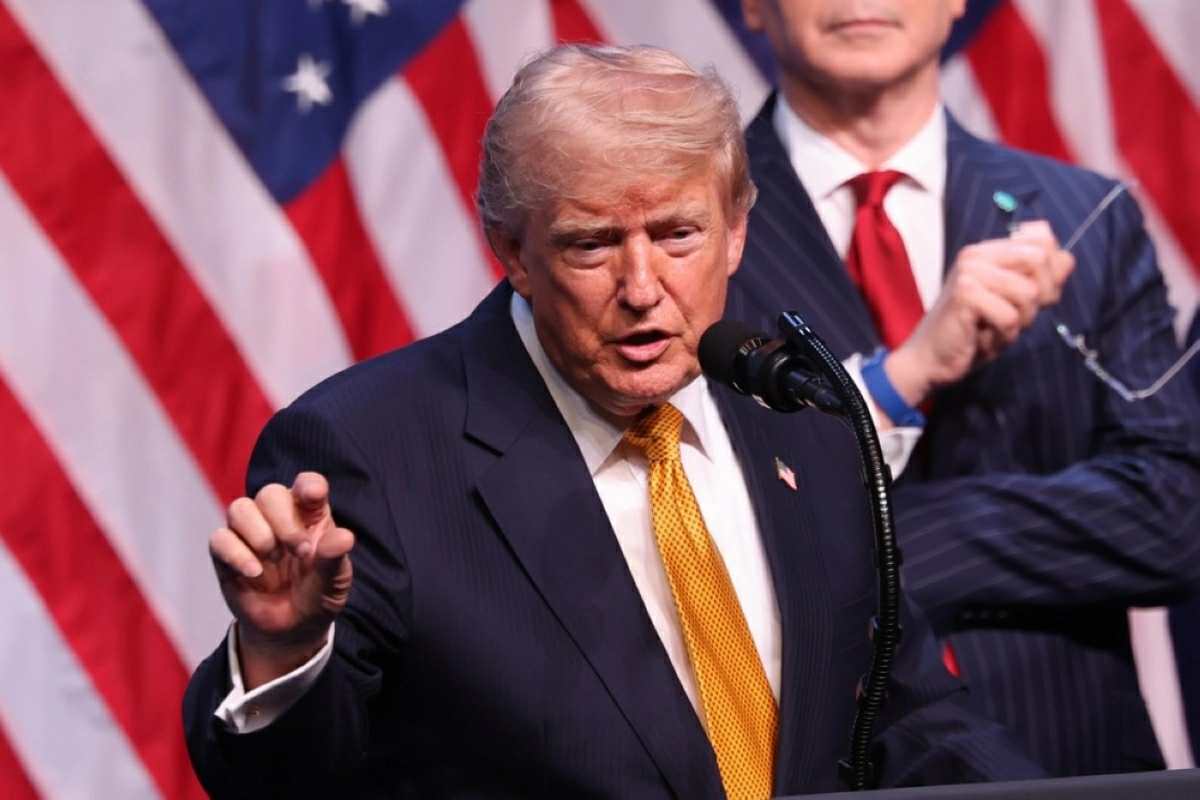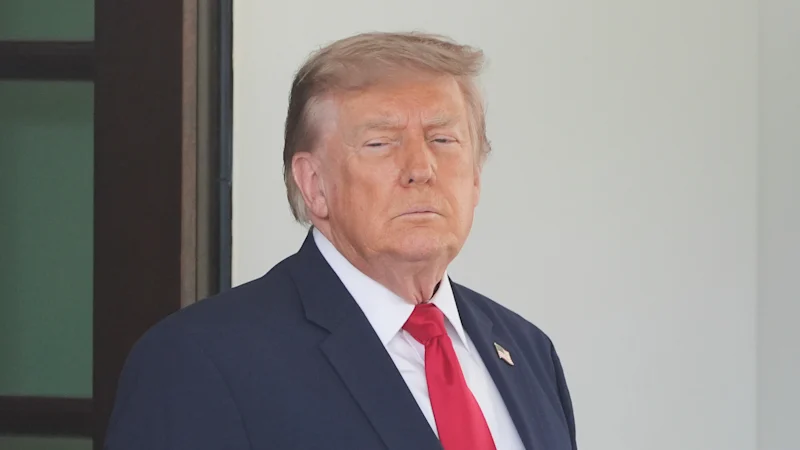
US President Donald Trump on Tuesday dropped his proposal to impose a 20 percent "reimbursement" fee on cargo shipped through the crucial Strait of Hormuz, saying that he will replace it with trade and investment deals with Middle Eastern countries.Trump made the remarks in a social media post, just a day after he announced that the United States will serve as the "guardian" of the strait and be "reimbursed" at a 20 percent rate on all cargo shipped through the waterway that Iran had all but closed amid the Middle East conflict."Based on highly productive conversations with Middle East leadership, I have decided to replace the 20 percent United States Reimbursement Fee with Trade and Investment Deals that the various Gulf States will be making into the United States," Trump wrote on Truth Social."Those Investments will be MASSIVE but, at the same time, extraordinarily good for them, and their future. As everyone is aware, we have the largest Dollar Investment into the United States, of any Country in History, but these new Investments will make that Number even larger," he added. US President Donald Trump speaks with Iraqi Prime Minister Ali al-Zaidi during their meeting in the Oval Office of the White House in Washington on July 14, 2026, in this photo released by EPA. (Pool photo) (Yonhap) Trump's plan for the reimbursement fee had caused concerns among countries that rely heavily on the Strait of Hormuz for energy imports. Some saw the move as contradictory to senior US officials' recent remarks that no country is allowed to charge tolls on the strait that they have described as an "international waterway."During a press availability, Trump said that he scrapped the proposed fee as Gulf state officials told him over the phone that they would like to "do it a different way" and invest in the US "with billions and billions of dollars.""(They told me) 'we would like to invest tremendously in the US as opposed to charging a fee,' and I like that actually because I don't think anybody should be able to charge a fee for the strait or for any other strait," he told reporters during a meeting with Iraqi Prime Minister Ali al-Zaidi at the White House."I don't think anybody should be really in that position, but we were doing it as a reimbursement. The Gulf states are going to invest a tremendous amount of money into the US, and that was very satisfactory to me. I think it's actually much better."The proposal for the fee came as disruptions to maritime traffic through the Strait of Hormuz, a key shipping route for oil, natural gas and other commodities, continued amid the Middle East conflict.As announced by Trump on Monday, the US military reimposed the naval blockade of Iranian ports, starting at 4 p.m. (Washington time). It had initially imposed its blockade against the Islamic Republic from April 13 to June 18 before lifting it under an interim peace agreement with Tehran.For the resumption of the blockade, the US has deployed more than 20 warships and hundreds of military aircraft operating across the Middle East, according to US Central Command (CENTCOM)."American forces remain vigilant, lethal, and ready," CENTCOM wrote on X.Ahead of the reimposition, CENTCOM forces started launching another round of strikes against Iran to continue degrading Iranian capabilities used to attack commercial shipping in the Strait of Hormuz, the command said.The blockade was put back in place, a week after the US announced the revocation of a general license that authorized the sale of Iranian oil.Rising tensions between the US and Iran have added to concerns over a potential return to all-out war. (Yonhap)
Trump drops 20% Hormuz fee; US naval blockade against Iran resumes
US President Donald Trump on Tuesday dropped his proposal to impose a 20 percent "reimbursement" fee on cargo shipped through the crucial Strait of Hormuz, sayi
607 words~3 min read