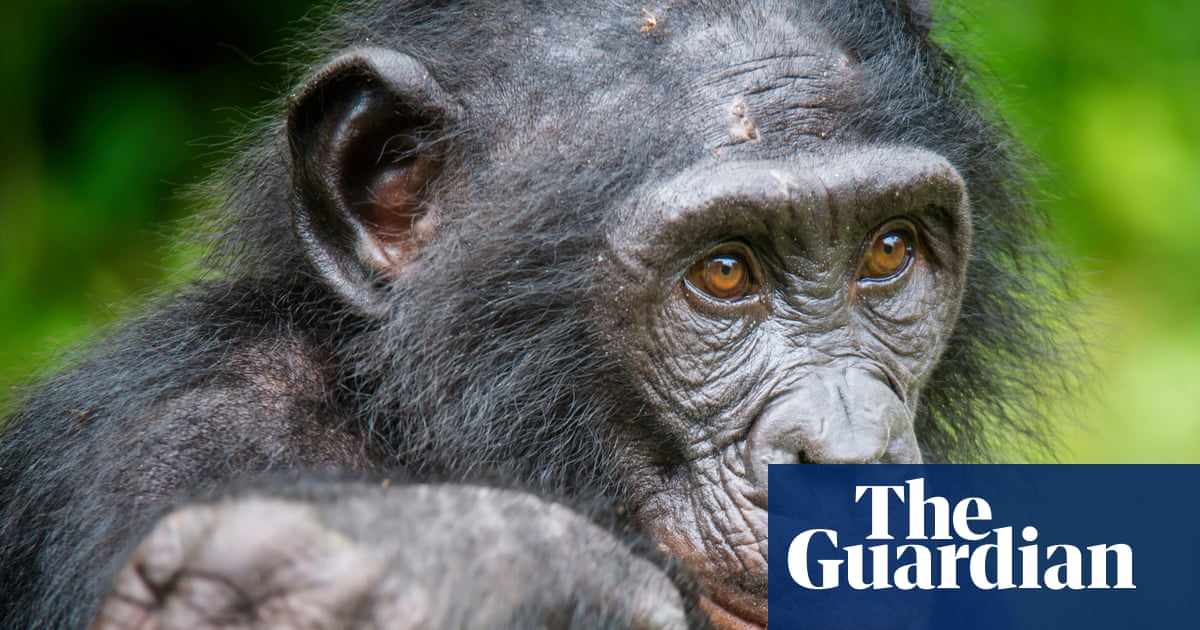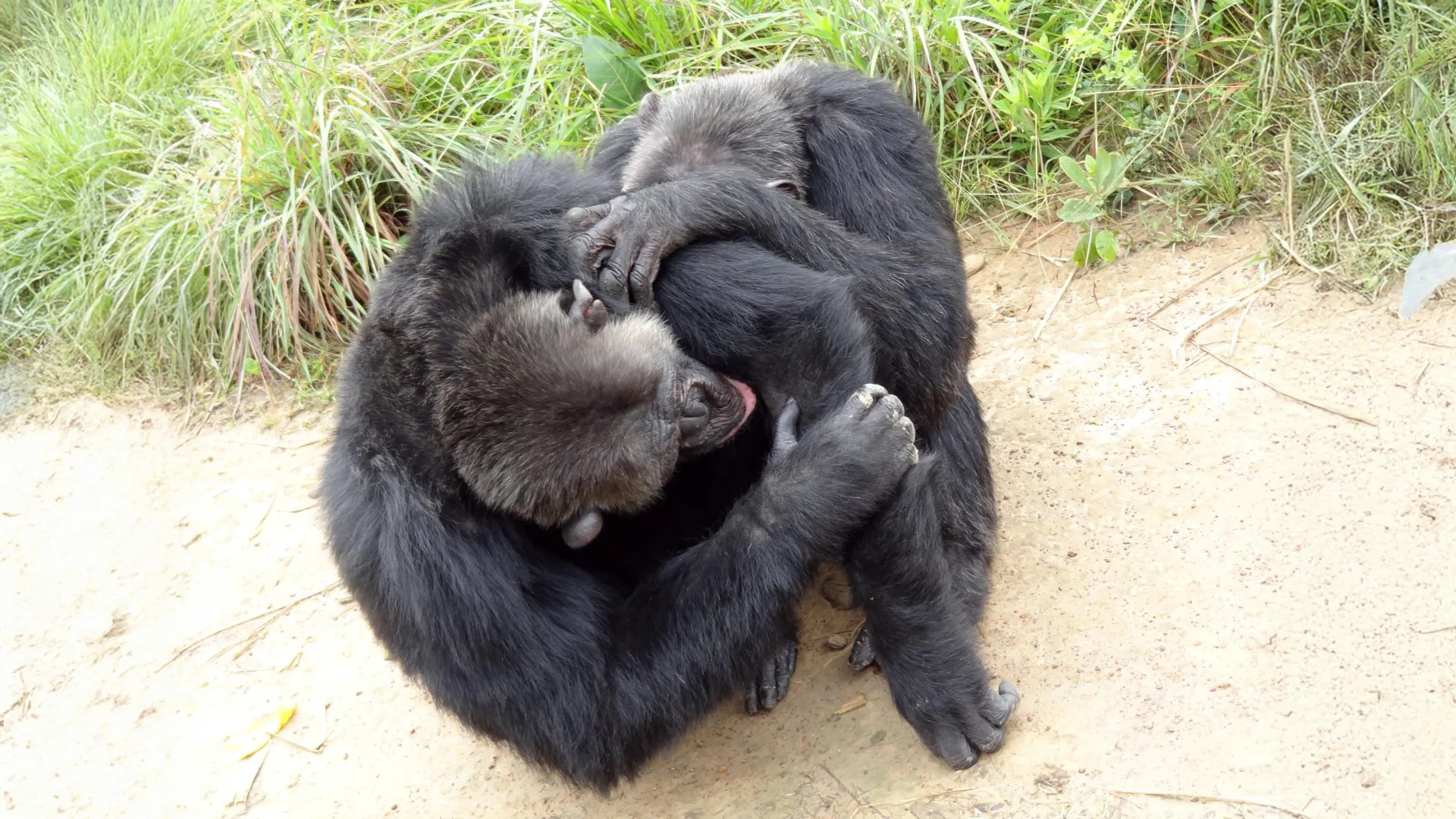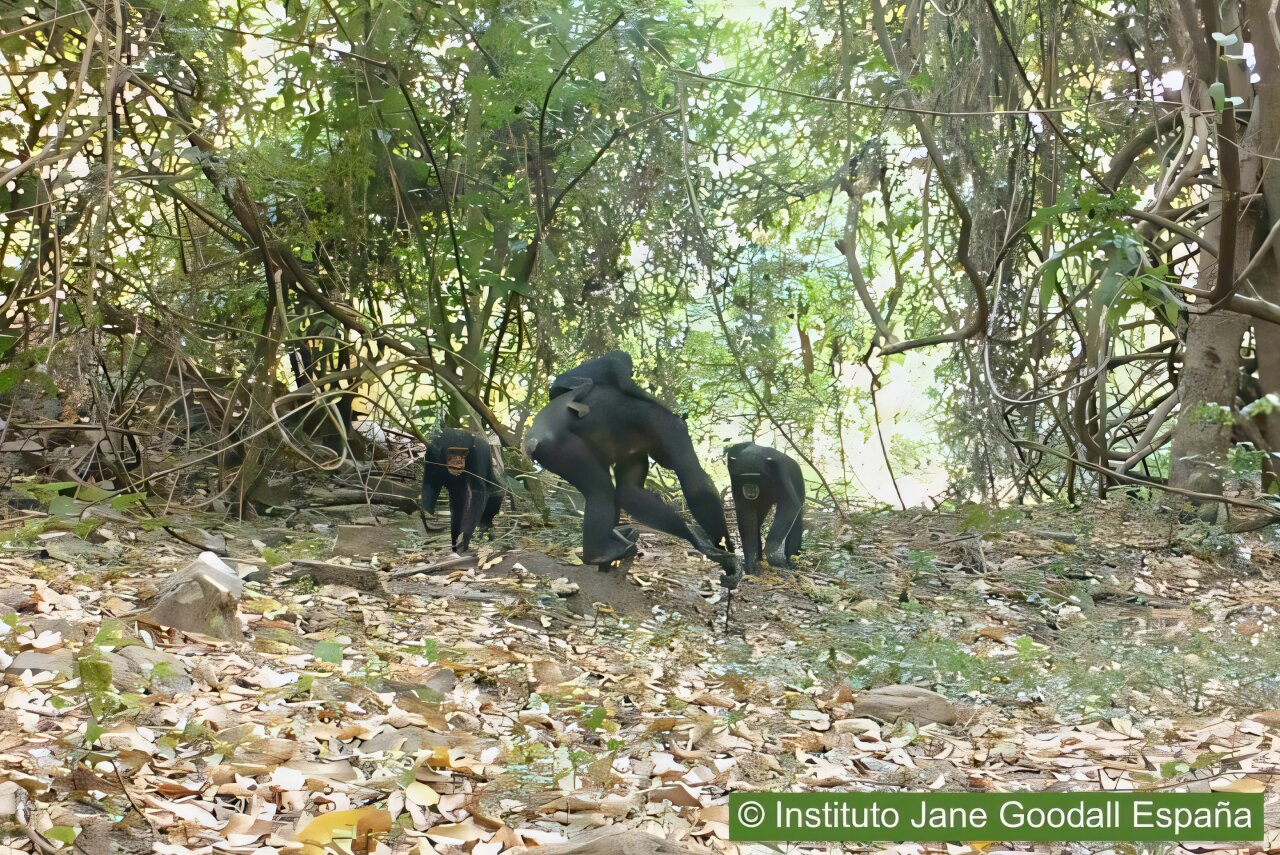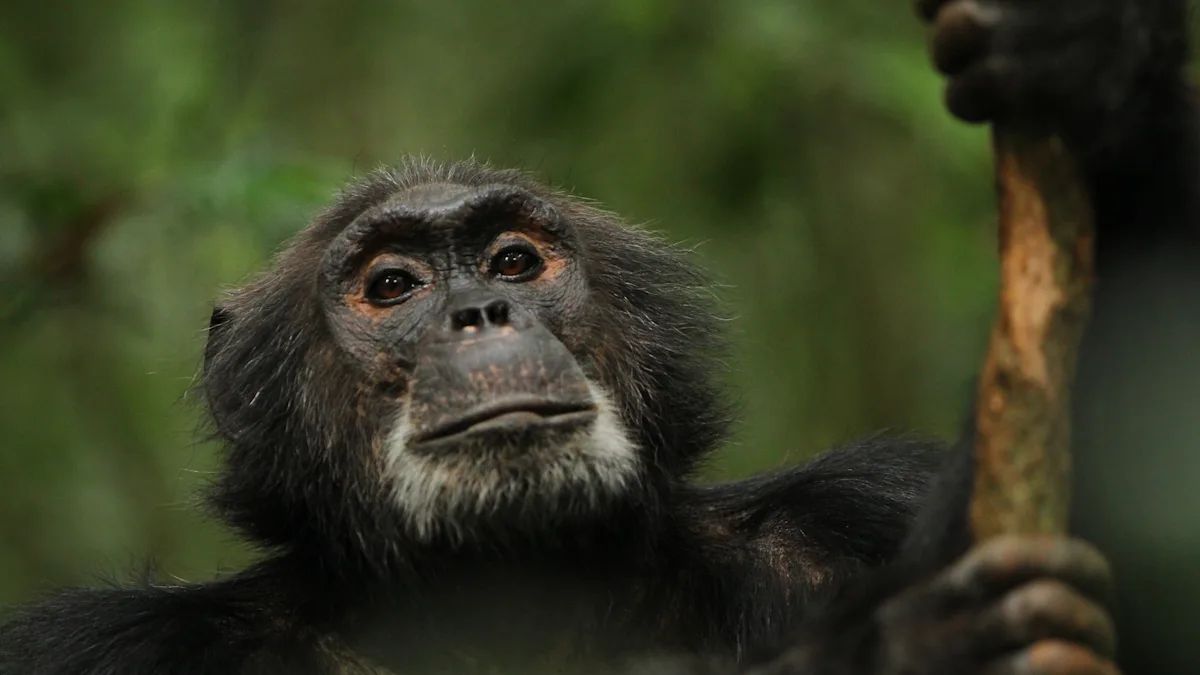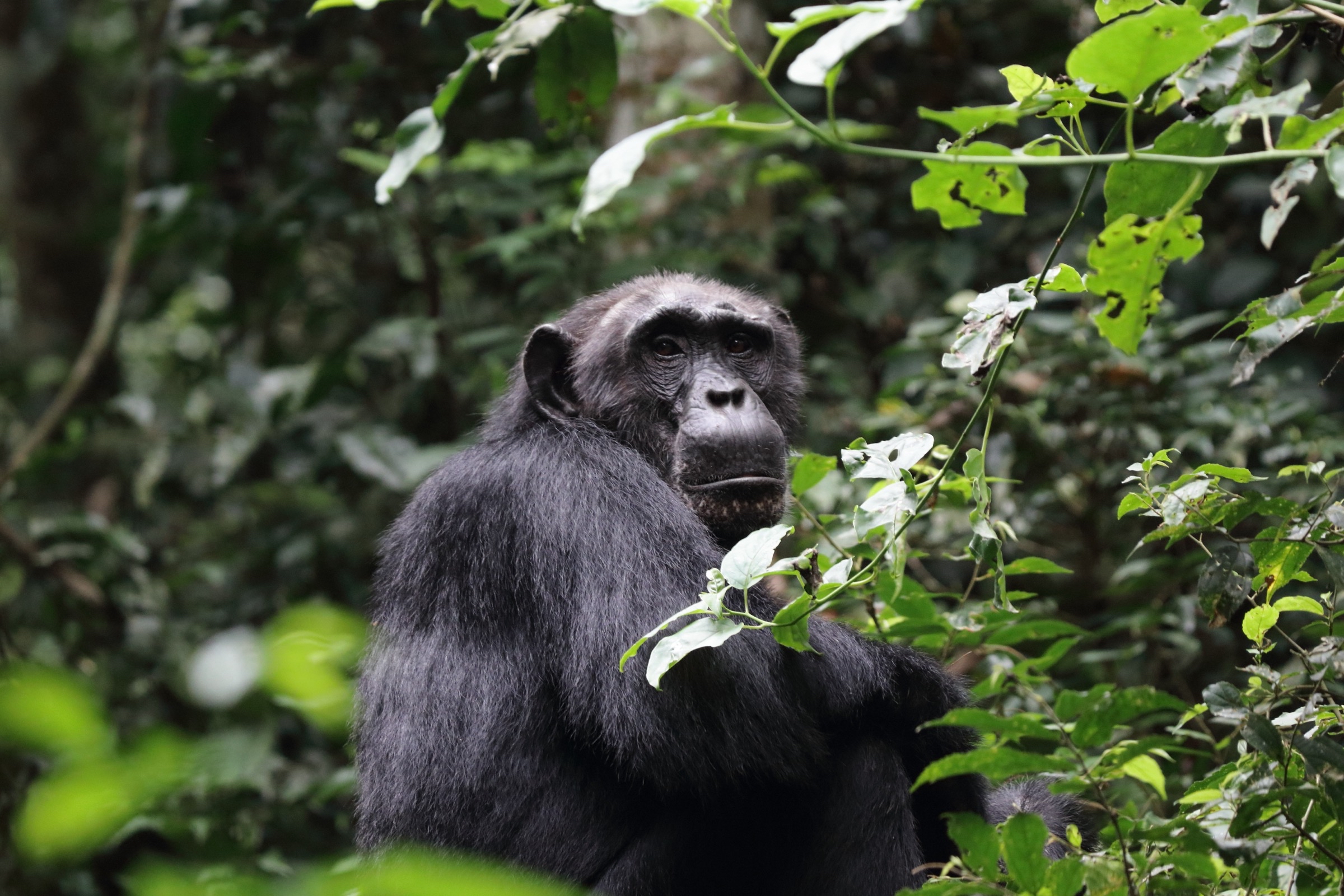
A study found that chimpanzees tend to take more physical risks as infants and young animals rather than as adolescents, like humans.The researchers hypothesize that the level of care humans provide may cut down on the risks young children might otherwise take.The team tracked how often 119 chimps dropped or leaped through the forests without holding onto any branches at Uganda’s Ngogo Chimpanzee Project, and analyzed the results according to the animals’ ages.Infant and young chimpanzees were more likely to launch themselves through the trees than adolescents or adults, despite the risk of injury.
Chimpanzees appear to be the biggest daredevils when they’re infants.
Humans tend to take more chances and put themselves in the most danger in adolescence, so the expectation has been that chimpanzees (Pan troglodytes), among our closest evolutionary cousins, follow a similar pattern. But undergraduate researcher Bryce Murray’s observations of young chimps — and especially infants — from video shot at the Ngogo Chimpanzee Project in Uganda didn’t quite jibe with that assumption, according to research published Jan. 16 in the journal iScience.
“I kept seeing these behaviors that seemed very risky,” Murray, the study’s lead author and a recent graduate from the University of Michigan in the U.S., told Mongabay. Young chimps, he noticed, frequently leaped through tree branches or dropped from them, flying freely through the air without holding onto anything.