For all the diversity of the human condition, one experience is almost universally painful: Adolescence.
It’s also unusual. Most other species pass from puberty to adulthood quickly, but humans linger for years in a transitional state, not quite children but not quite adults, either.
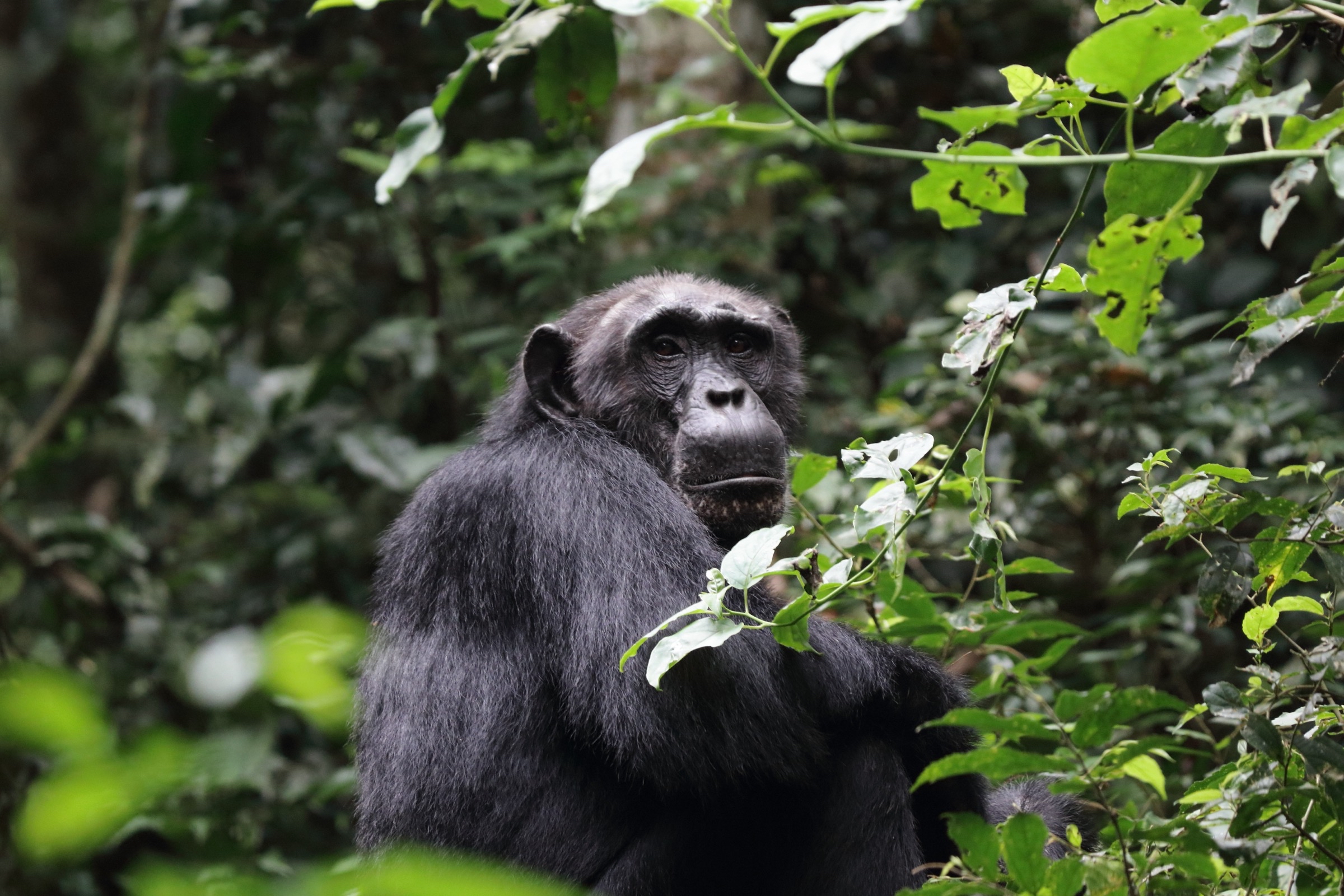
Evolutionary anthropologist Rachna Reddy wants to know why. To figure it out, she studies chimpanzees and bonobos, our two closest living evolutionary relatives, who share our unusually protracted and vulnerable adolescences.
“When we share a trait with both [those] species, it’s good evidence that our last common ancestor probably also had that trait,” said Reddy, a 2025-2026 fellow at the Harvard Radcliffe Institute. “Chimpanzees and bonobos in particular can really help us establish patterns that are universal in humans, so we can understand a bit more about ourselves.”
In a presentation on May 13, Reddy outlined research suggesting that our long, vulnerable, and frequently difficult adolescence might serve an important purpose, evolutionarily speaking. The findings draw on a decade of fieldwork at the Ngogo Chimpanzee Project in Uganda’s Kibale National Park, where researchers have been following the same population since 1993.