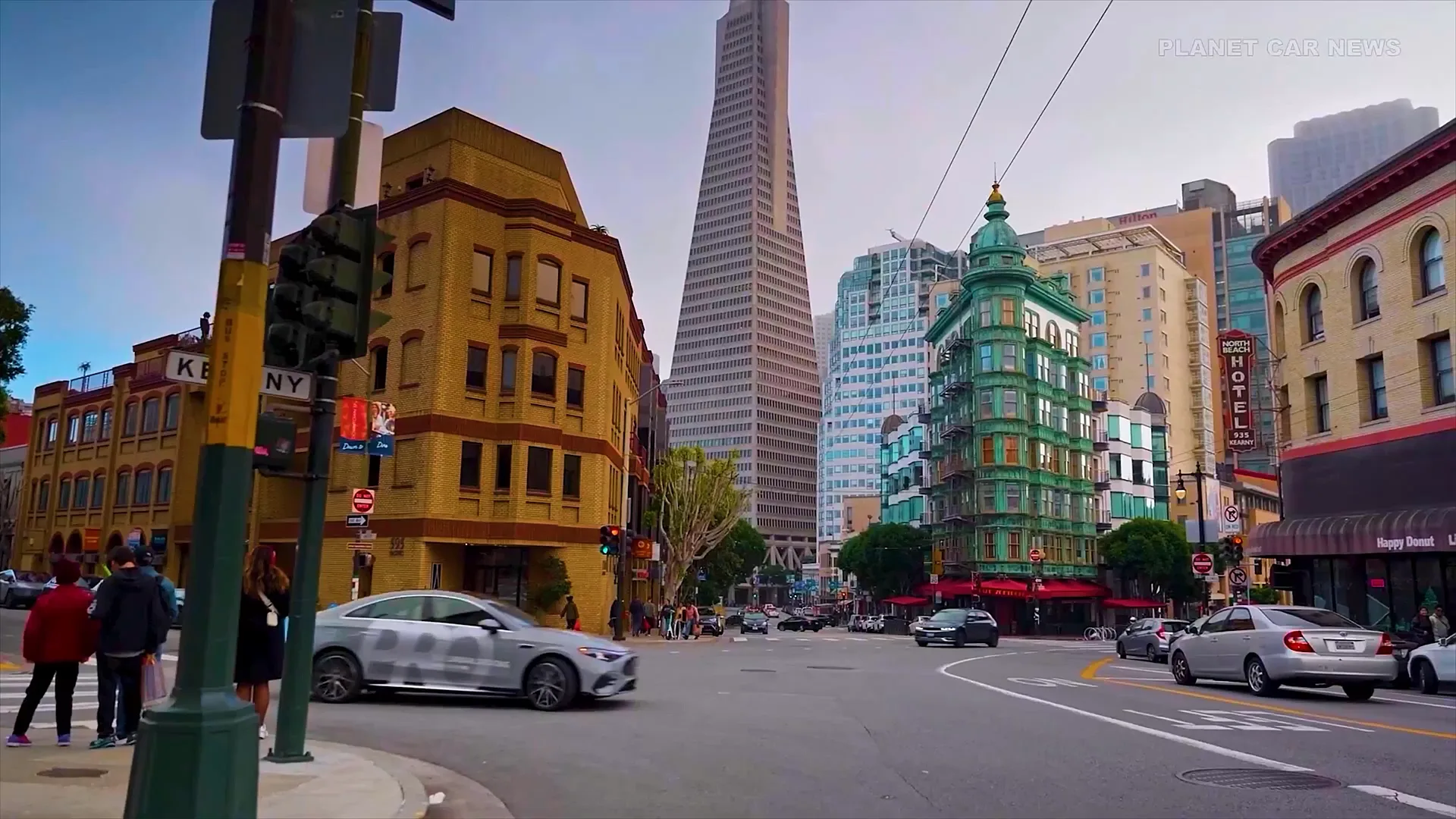
What if autonomous coding AI agents could push your vision reasoning models above 90% accuracy with almost no manual effort? When adapting vision reasoning models to production video tasks, developers often lose days to data formatting, container setup, training scripts, baseline evaluation, and hyperparameter sweeps before they even know whether post-training improves accuracy.
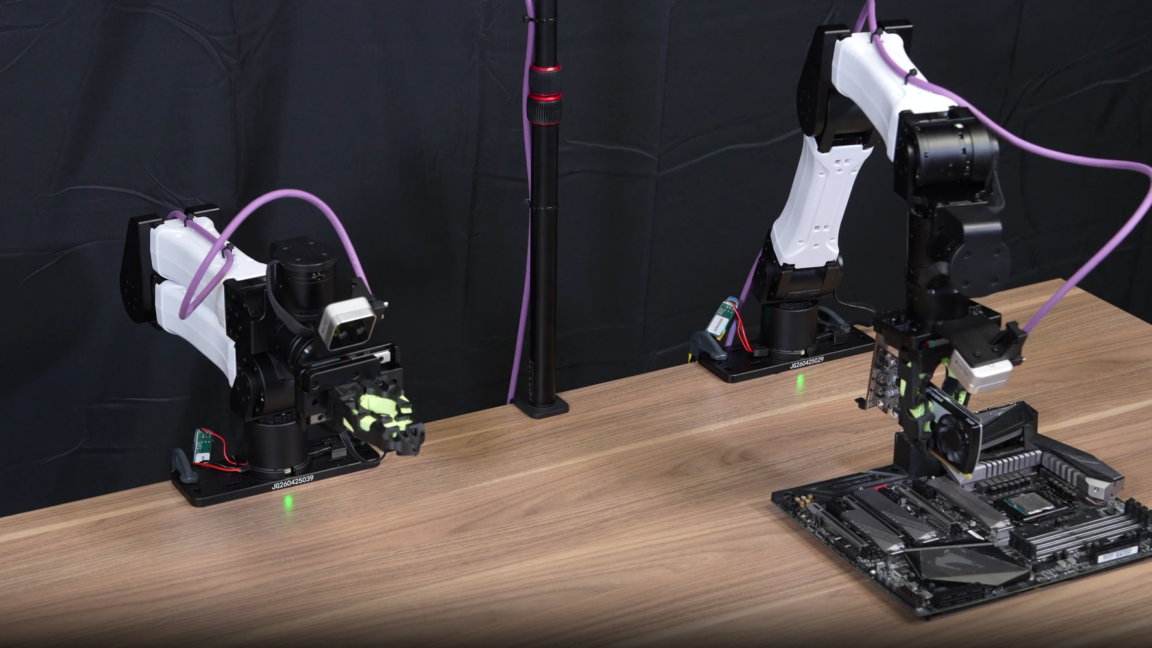
Combining the open physical AI world foundation model NVIDIA Cosmos 3 with NVIDIA TAO agent skills offers a solution to this challenge. Cosmos 3 connects understanding, generation, simulation, and action through a shared omnimodal world model. It unifies text, image, video, ambient sound, and action tracking under a mixture-of-transformers (MoT) architecture. While the model offers exceptional out-of-the-box vision reasoning, every real-world deployment requires domain specialization to handle unique camera angles, edge cases, and environments. This is where post-training becomes important.
This post demonstrates how you can seamlessly post-train the NVIDIA Cosmos 3 Nano model for video question answering using a coding agent and the NVIDIA TAO library of vision model agentic fine-tuning skills.
The NVIDIA experiments show that by using Low-Rank Adaptation (LoRA), the workflow efficiently adapted the model, instantly boosting the zero-shot baseline from 54.41% exact-match accuracy (4-way multiple-choice) to an impressive 87.14% in a single run. And by leveraging TAO AutoML to systematically sweep configurations and eliminate guesswork, it pushed peak accuracy to 93.35%, condensing what was a multiday engineering effort into a single day of automated execution, driven by a few natural language prompts.