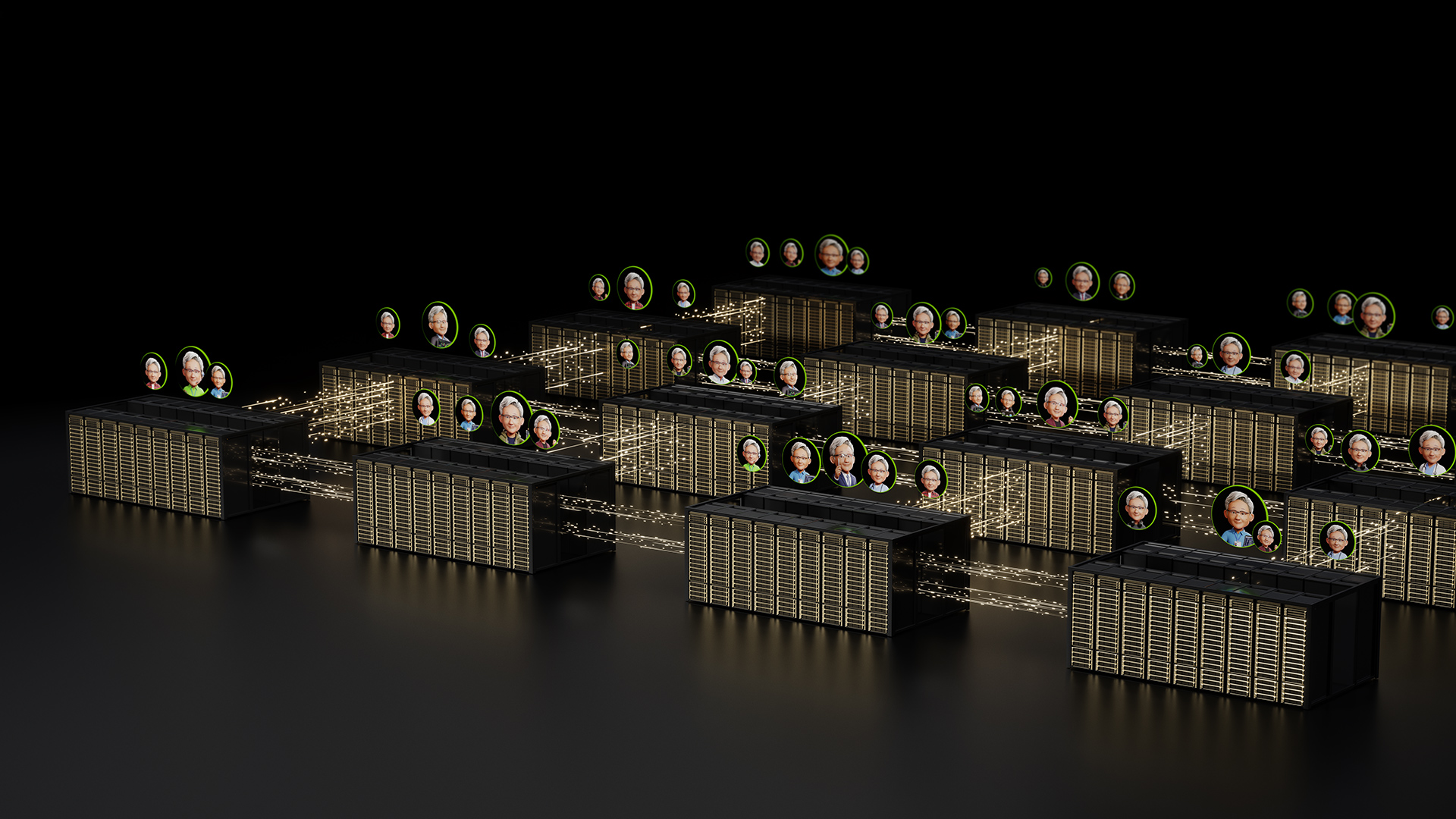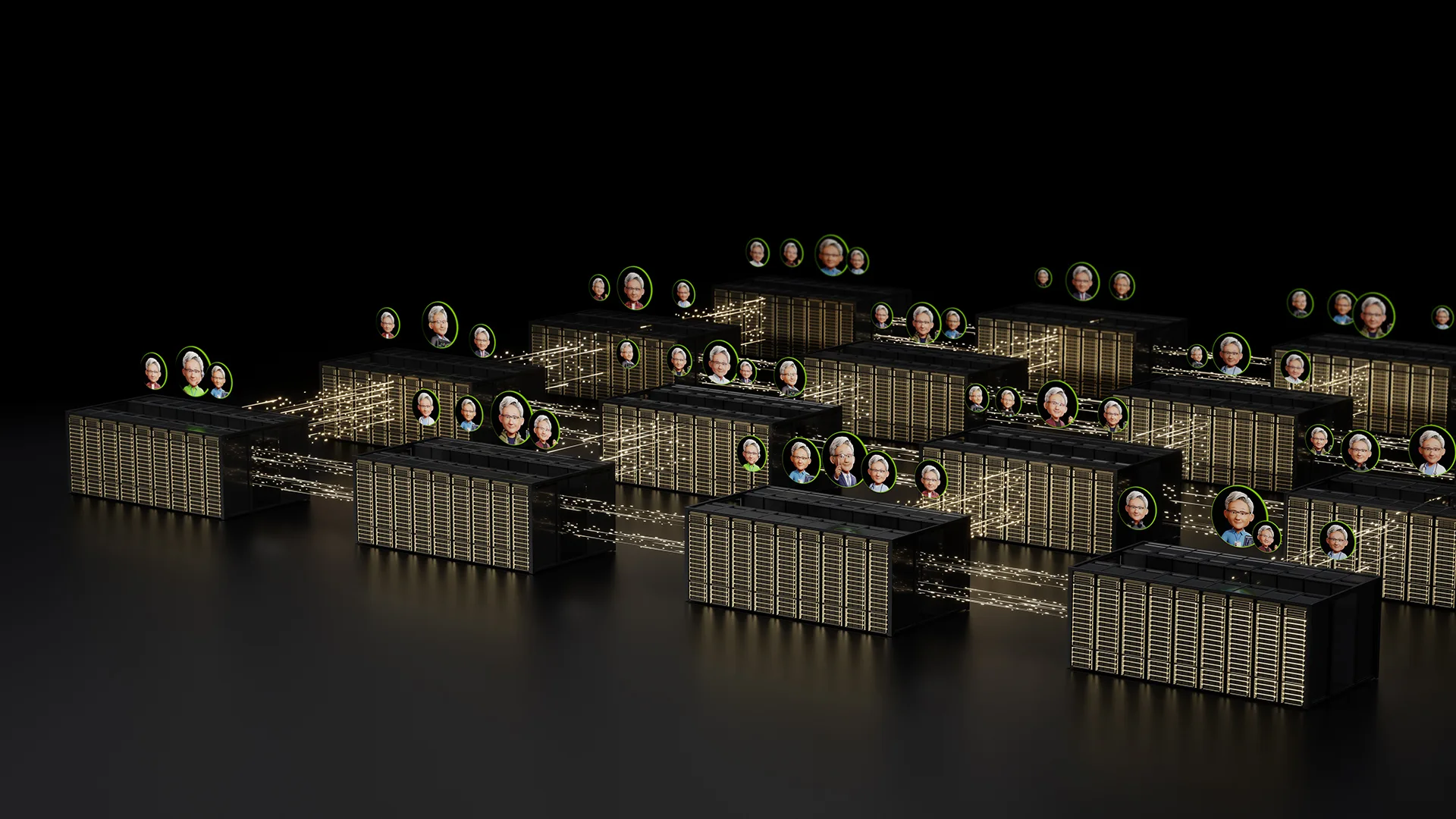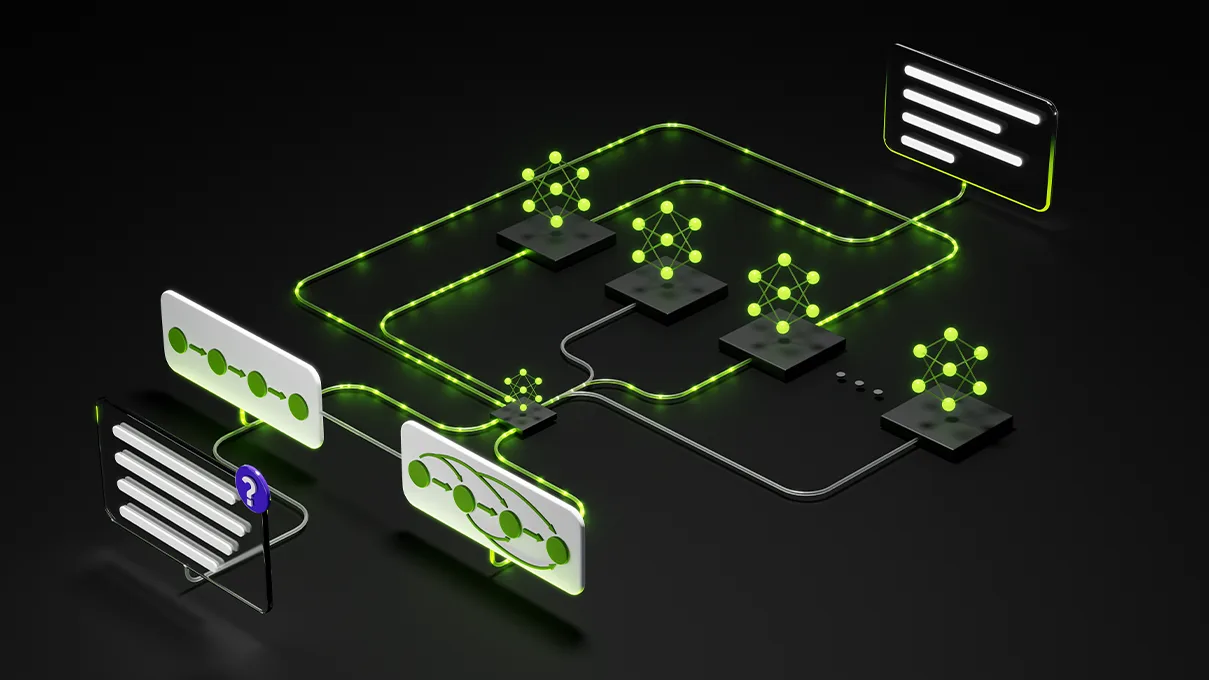
Last Friday, NVIDIA's research team published a result that should change how every backend team budgets its AI work. On ARC-AGI-3, a benchmark where agents play long-running games with no instructions, Claude Opus 5 scored 30.2% on its own. Wrapped in NVIDIA's agent system, called AVO, the exact same model scored 100%. All 183 levels, across all 25 public environments, using 12% fewer actions than the previous best system.
Nobody retrained the model. Nobody swapped in a bigger one. The NVIDIA team's conclusion was blunt: "system design, not model capability alone, can unlock frontier-level long-horizon performance."
That result did not arrive alone. Earlier this month one developer showed he could improve 15 different LLMs at coding in a single afternoon by changing exactly one thing: the edit tool in his harness. DeepSeek shipped a developer preview of its own harness, which hit 745 points on Hacker News. ZCode built one specifically for GLM-5.2. Lilian Weng wrote a whole essay on harness engineering for self-improvement. Somewhere between prompt engineering and context engineering, a distinct discipline crystallized this year, and it is called harness engineering.
Full disclosure: I have not run AVO, and the benchmark numbers I cite are NVIDIA's, verified against their engineering blog. But I run my own AI agent infrastructure, I have built agent harnesses around Spring Boot services for the past year, and the architecture NVIDIA describes maps almost one-to-one onto what a Java team can build in an afternoon. That is what this article is: the AVO architecture translated into plain Java you can run, extend, and ship behind your existing services.