On July 24, ARC Prize verified Claude Opus 5 at 30.16% on the ARC-AGI-3 public set. On August 21, NVIDIA reported the same model at 100.00 on the same set. The weights did not change. The code around them did.
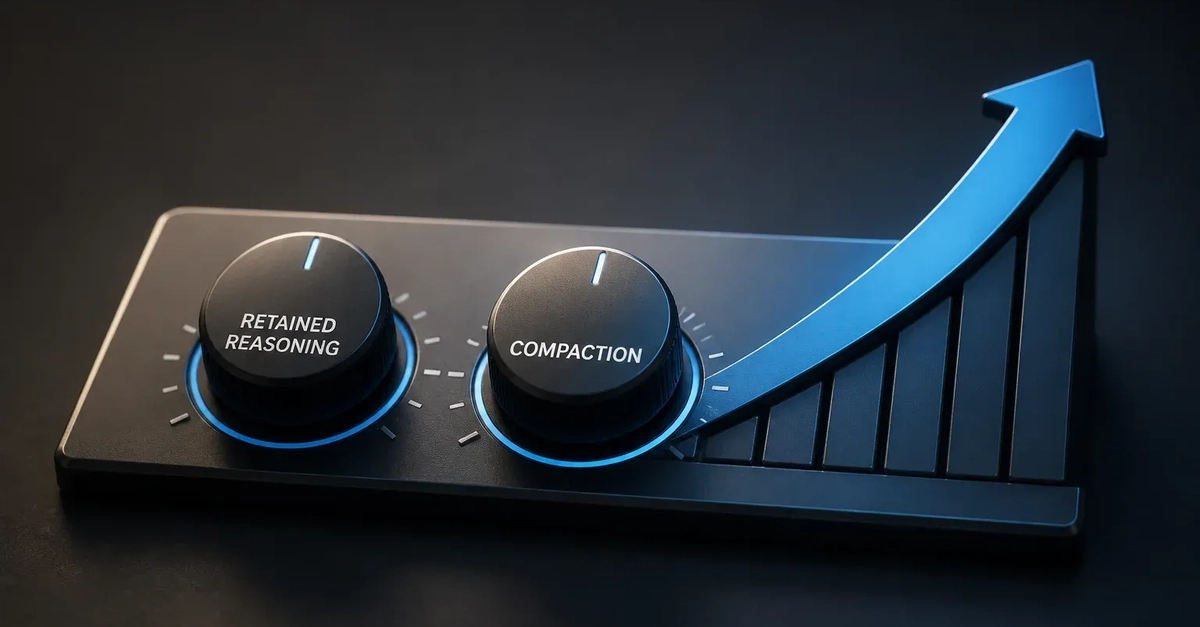
In between, MIT did the same thing (August 5), a group led by Impossible Research got to 98.98 (July 15), and OpenAI tripled GPT-5.6 Sol's score by flipping two API settings (July 29). Then Microsoft published a framework that trains the model through the harness (August 18), and Google published one that gives the environment a harness of its own (August 20).
In July I wrote that self-editing harnesses have a provenance problem. This month the problem moved up a level: the benchmark score itself has no provenance.
TL;DR: On ARC-AGI-3's public set, the spread between "model in the official harness" and "model in the best harness" is 25 to 70 points, on a benchmark designed to resist exactly this. None of the 100s are verified on the private set, and every author says so. Microsoft's Agent Lightning v1.0 runs RL with the deploy-time harness owning the loop, so the harness is becoming part of the weights, and its reward-hacking section is the checklist my July post warned about. A benchmark number without a harness version, memory state and action budget attached is a self-reported claim with an unmarked type. Unmarked means self-reported.