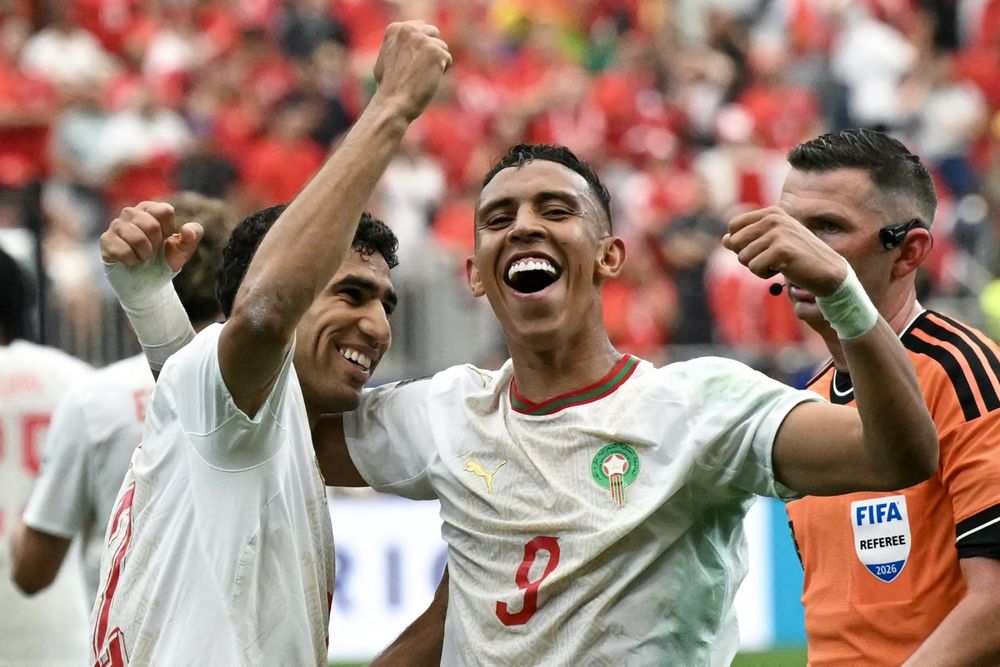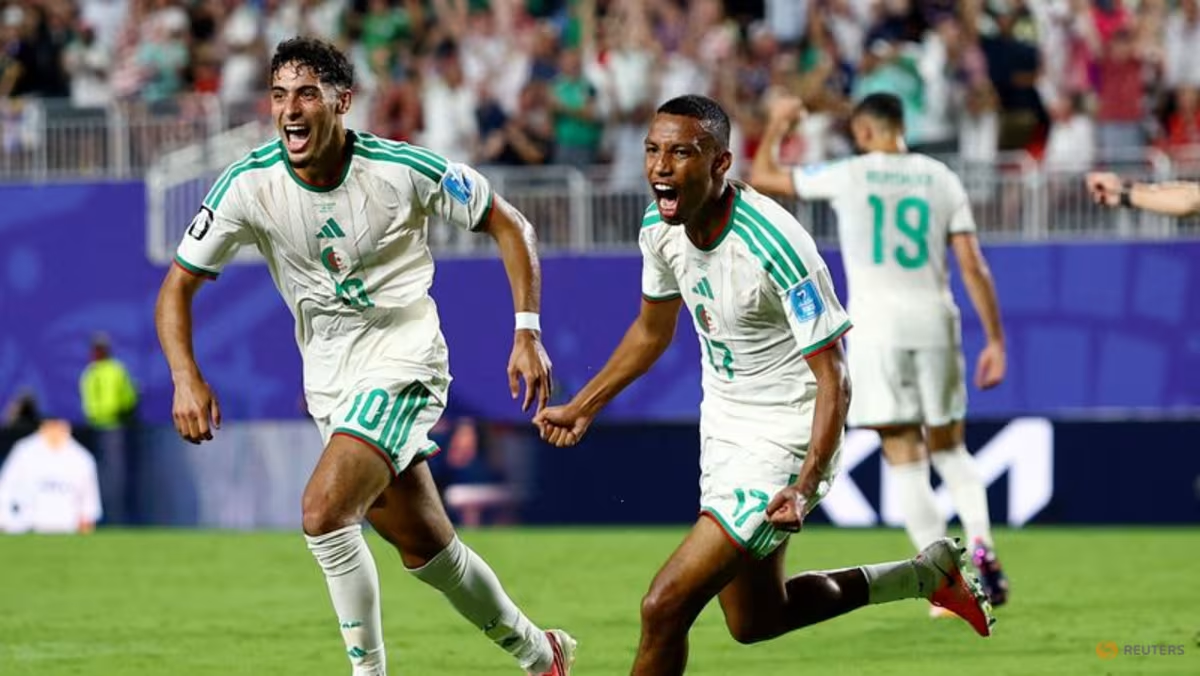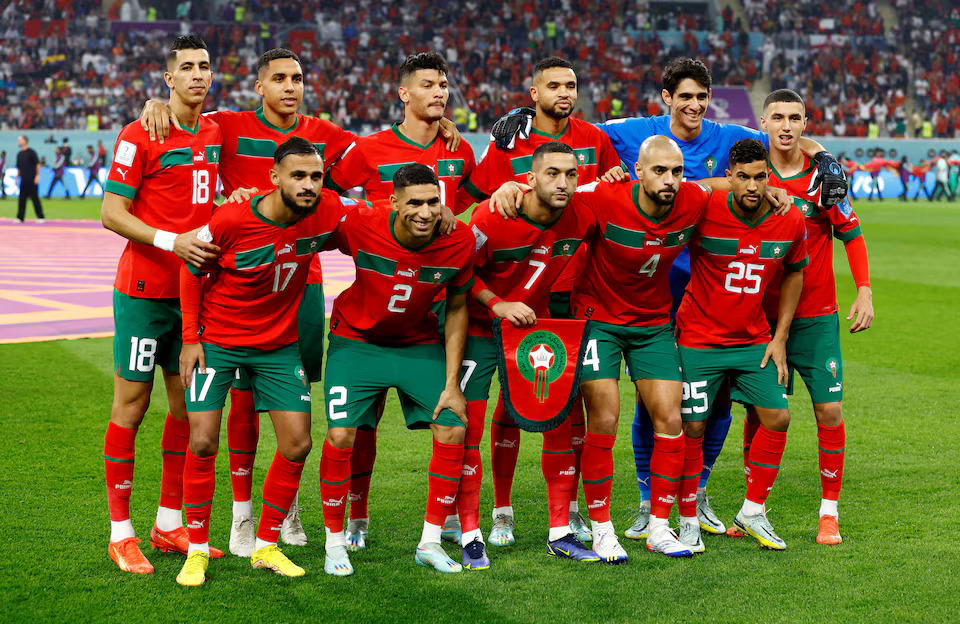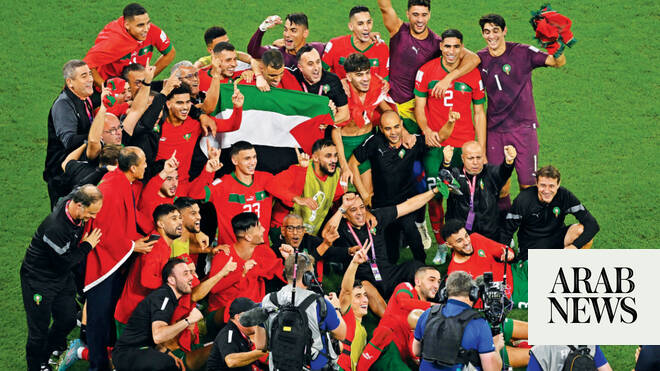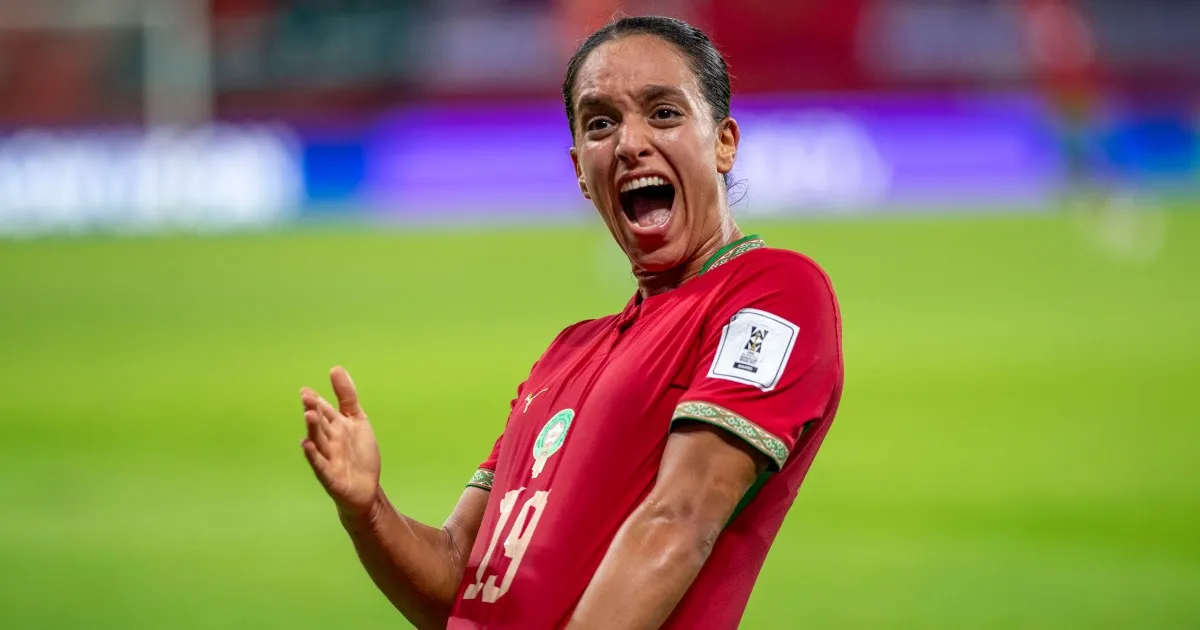
There was a dramatic increase in the number of countries able to qualify for the final stages of the 2026 men’s football World Cup. Of the 48 teams to qualify, global football body Fifa decided that nine would be African countries. This has functioned as a natural experiment for north Africa.
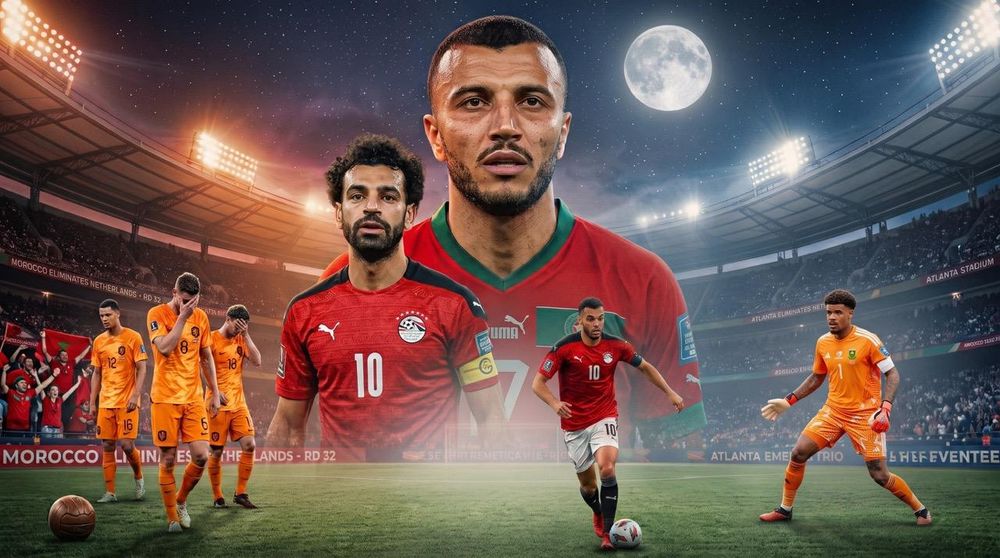
Four teams from the region arrived at the expanded tournament. They were Morocco (ranked 7th ahead of the cup), Algeria (28th), Egypt (29th) and Tunisia (46th). These are four neighbouring countries with comparable football cultures, but four different institutional choices – and four different outcomes.
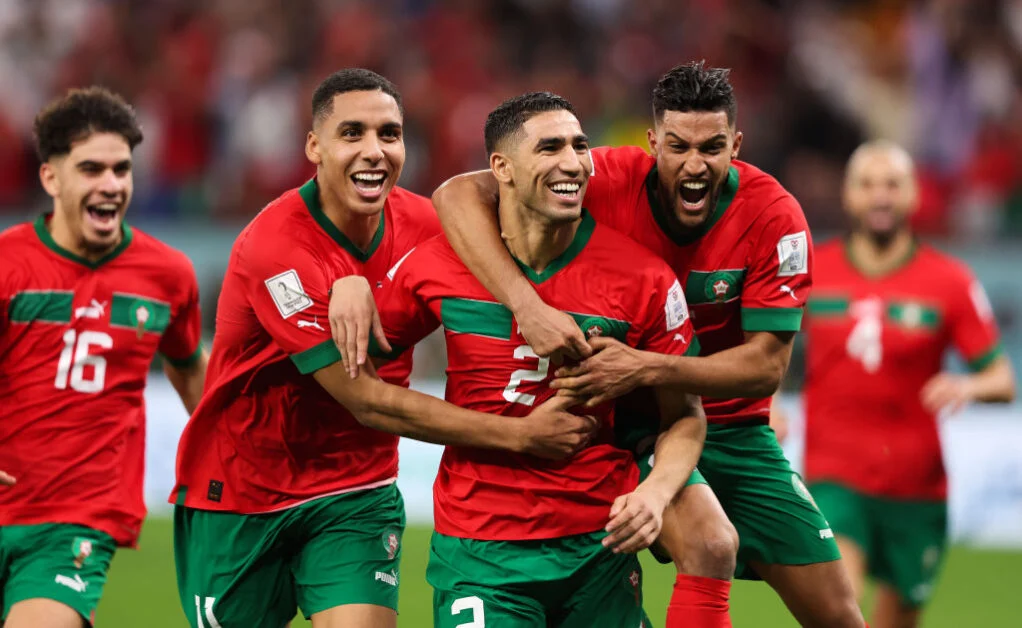
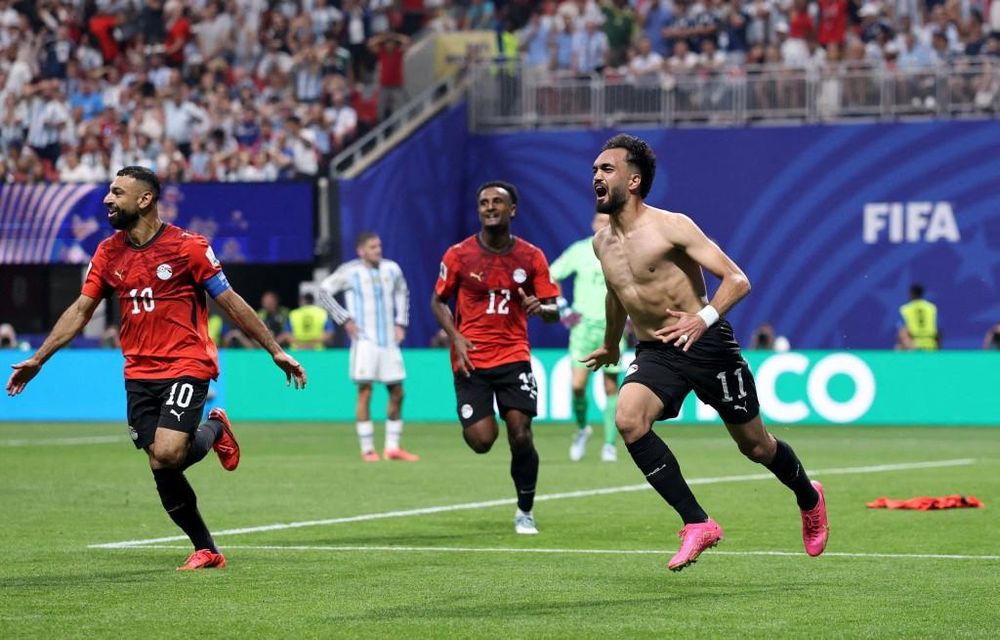
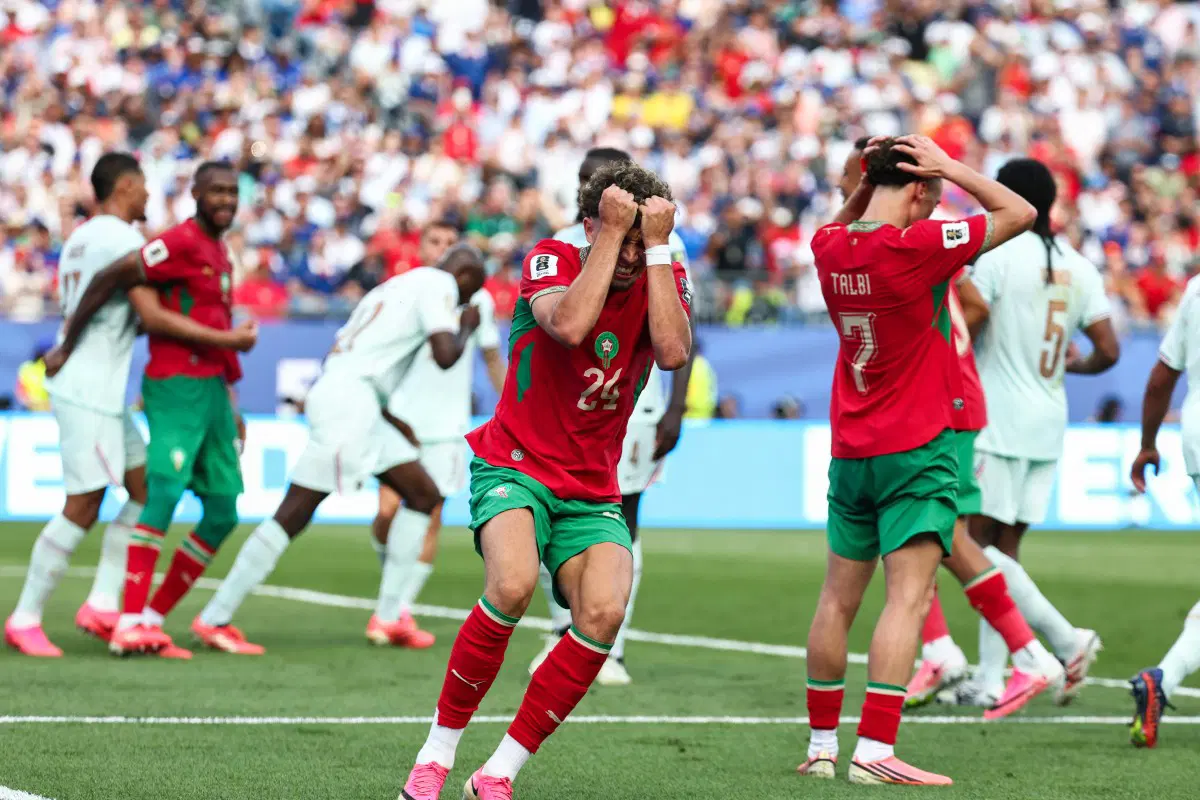
Morocco consolidated its place as a top world team, Egypt made a breakthrough, Algeria was frustrated and Tunisia collapsed. These results reveal competing models of football development, and reopen an old debate about who should coach African national teams.
I’m a scholar whose research focuses on the intersection of football, politics, business and society, with an emphasis on north Africa. It’s clear that the region’s emergence as Africa’s most successful performer at the World Cup reflects more than sporting achievement. It offers valuable insights into long-term football development strategies, governance, talent pathways and investment models.