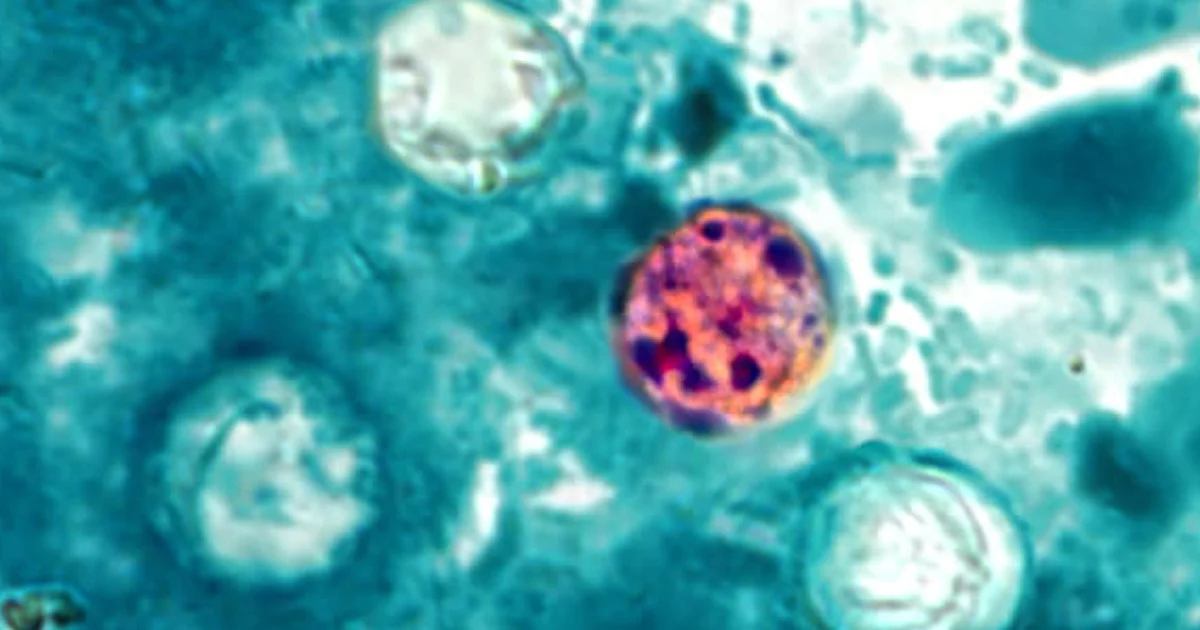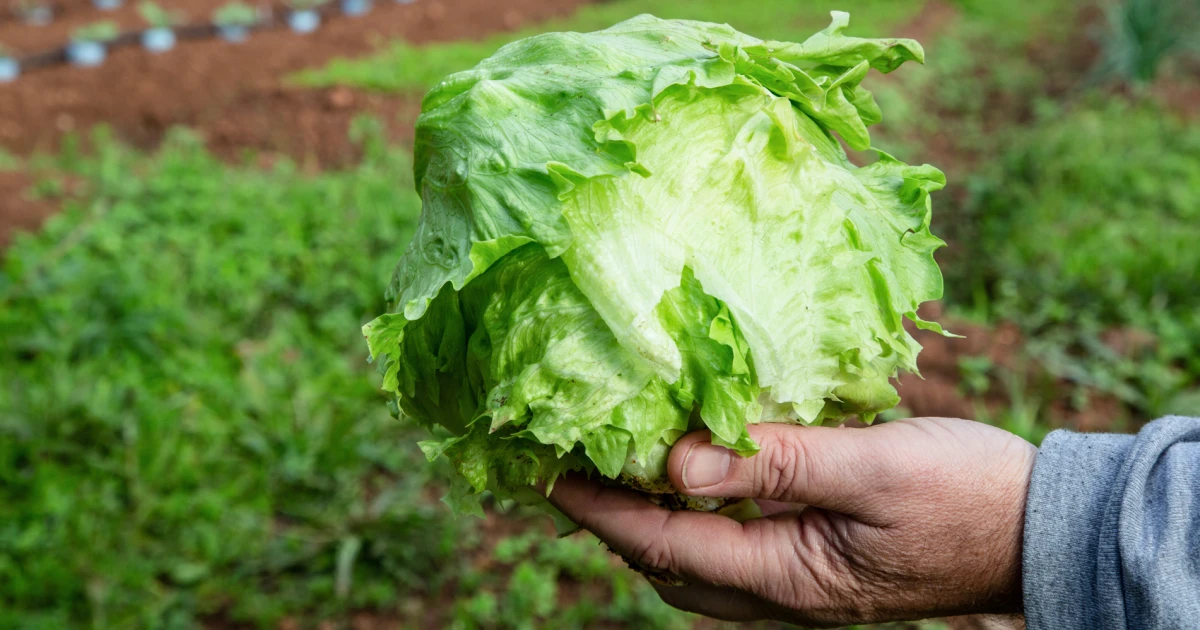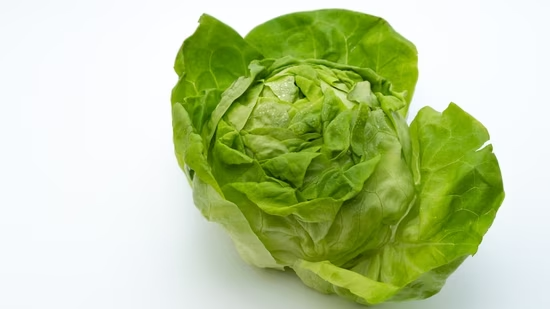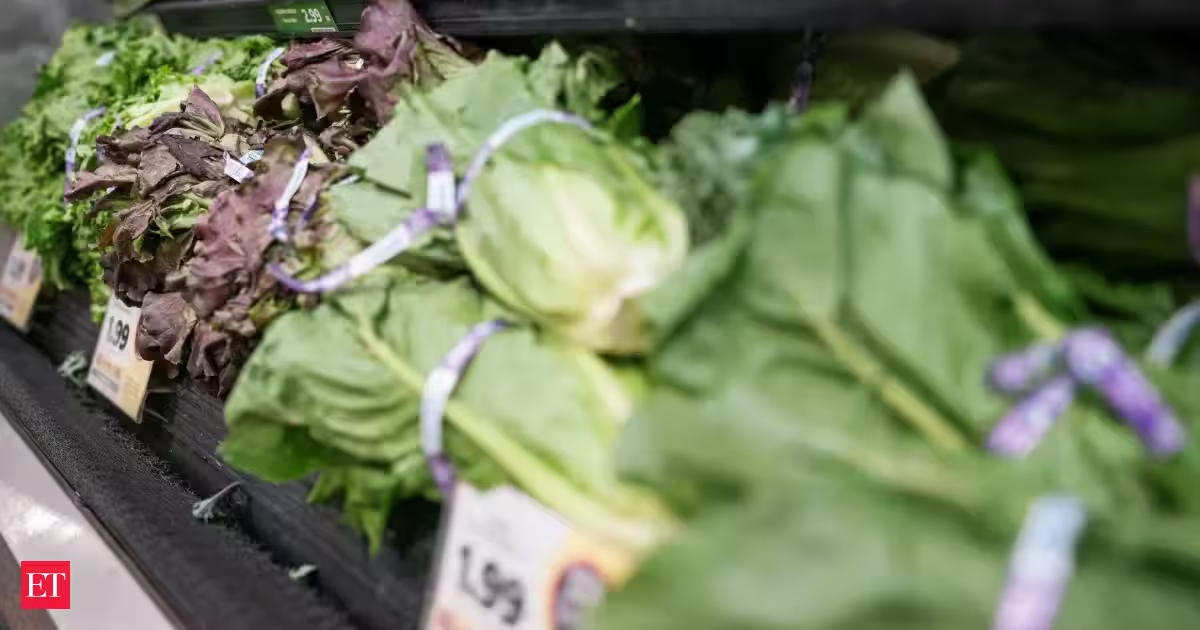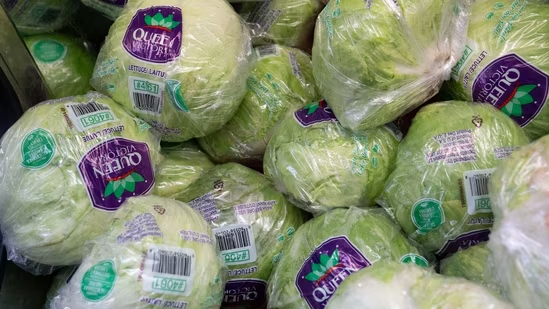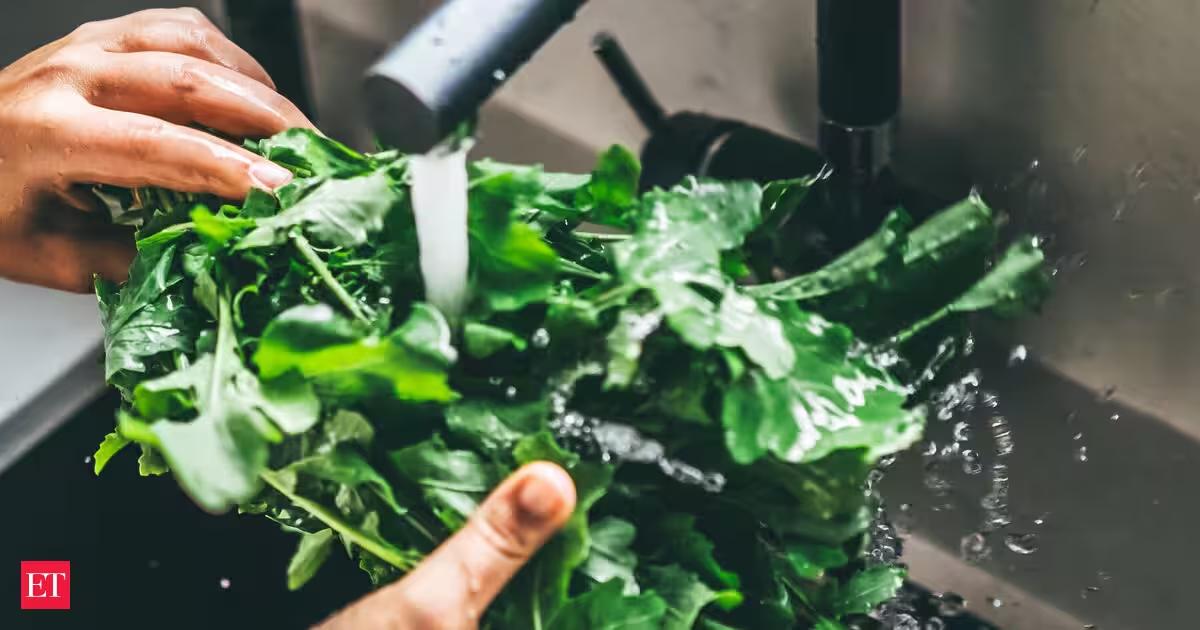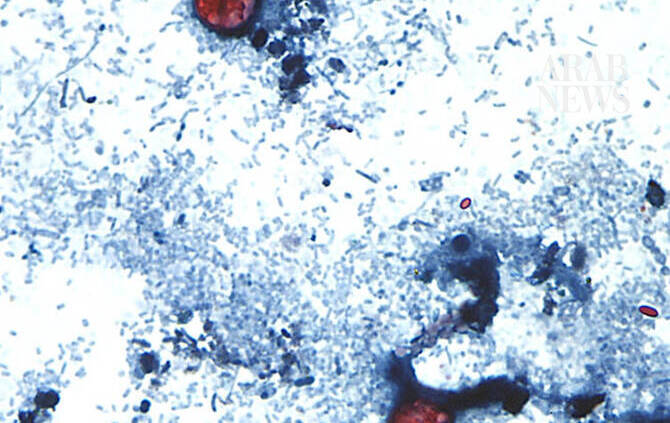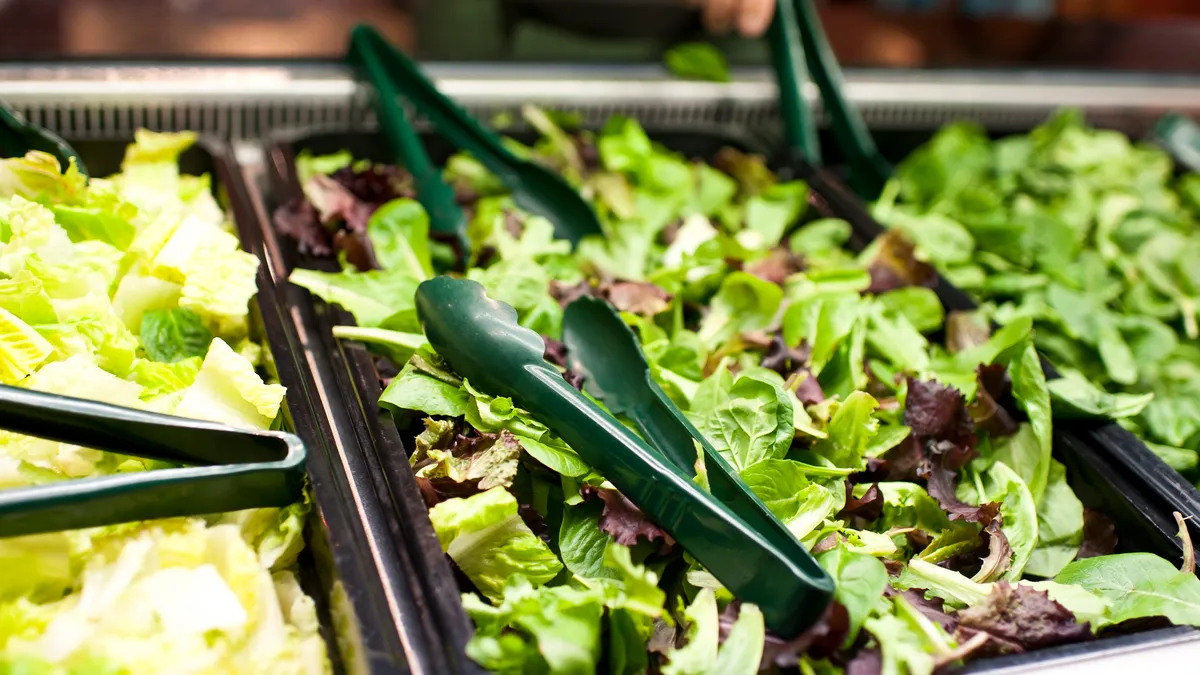
Lettuce could be causing a cyclosporiasis outbreak in Michigan, though officials are still not ruling out other food items as the source.On July 13, the Michigan Department of Health and Human Services announced that it has zeroed in on lettuce or salad greens as a potential source for the state's outbreak, which has left more than 2,600 people sick so far.However, no specific type of produce, grower or supplier has been identified as the source, and other food items have not been eliminated as a possibility, the agency said in a news release.Cyclosporiasis is a parasitic illness that can cause diarrhea, nausea and other gastrointestinal issues and is often contracted through contaminated food or water.Other states are reporting a surge in cyclosporiasis cases, but Michigan appears to have the highest number of cases so far. It also remains unclear whether there is currently a single, multistate outbreak linking all cases.As of July 9, the Centers for Disease Control and Prevention said it confirmed more than 840 cases of cyclosporiasis nationwide, though the agency noted that its data lags compared to state-by-state totals.Food is still the focus of cyclosporiasis outbreak investigation in MichiganWhile cyclosporiasis can be contracted through contaminated water, officials in Michigan said they currently believe the current outbreak is foodborne. Still, people should always avoid swallowing water from recreational swimming areas, they said.Dr. Natasha Bagdasarian, chief medical executive for Michigan DHHS, said in a statement that the agency wanted to notify residents about the possibility of a link to lettuce "so they can take steps to protect their families.""Early information has shown lettuce as a common product that regularly comes up during the investigation. We will continue to provide updates as we learn more," Bagdasarian said.Michigan DHHS also noted that past cyclosporiasis outbreaks in the United States and Canada have been linked to bagged salad mixes and kits, fresh cilantro, fresh basil, raspberries, snow peas and green onions.How to reduce risk of cyclosporiasisThe CDC recommends the following food safety measures when handling fresh vegetables or produce:Wash hands with soap and water before and after handling or preparing raw fruits and vegetables.Wash all fruits and vegetables thoroughly under running water before eating, cutting or cooking.Fruits and vegetables that are labeled "prewashed" do not need to be washed again at home.Scrub firm fruits and vegetables, such as melons and cucumbers, with a clean produce brush.Remove any damaged or bruised areas on fruits and vegetables before preparing and eating.Refrigerate cut, peeled or cooked fruits and vegetables as soon as possible.When it comes to lettuce specifically, Michigan DHHS recommends the following tips:Buy whole heads of lettuce rather than pre-washed, bagged lettuce or pre-mixed salad kits.Before preparation, throw away the outer two to three layers of leaves.Thoroughly wash the remaining inner leaves under clean running water.For any greens that can be cooked, cooking to a temperature of at least 158 degrees is the safest option.Melina Khan is a national trending reporter for USA TODAY. Keep up with her on X @melinakh and Instagram @bymelinakhan.
Lettuce could be the source of cyclosporiasis outbreak in Michigan
More than 2,600 cases of cyclosporiasis have been identified in Michigan as of July 13. Other states are also reporting growing outbreaks.
503 words~2 min read