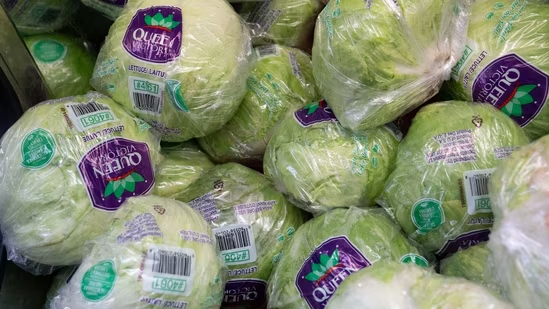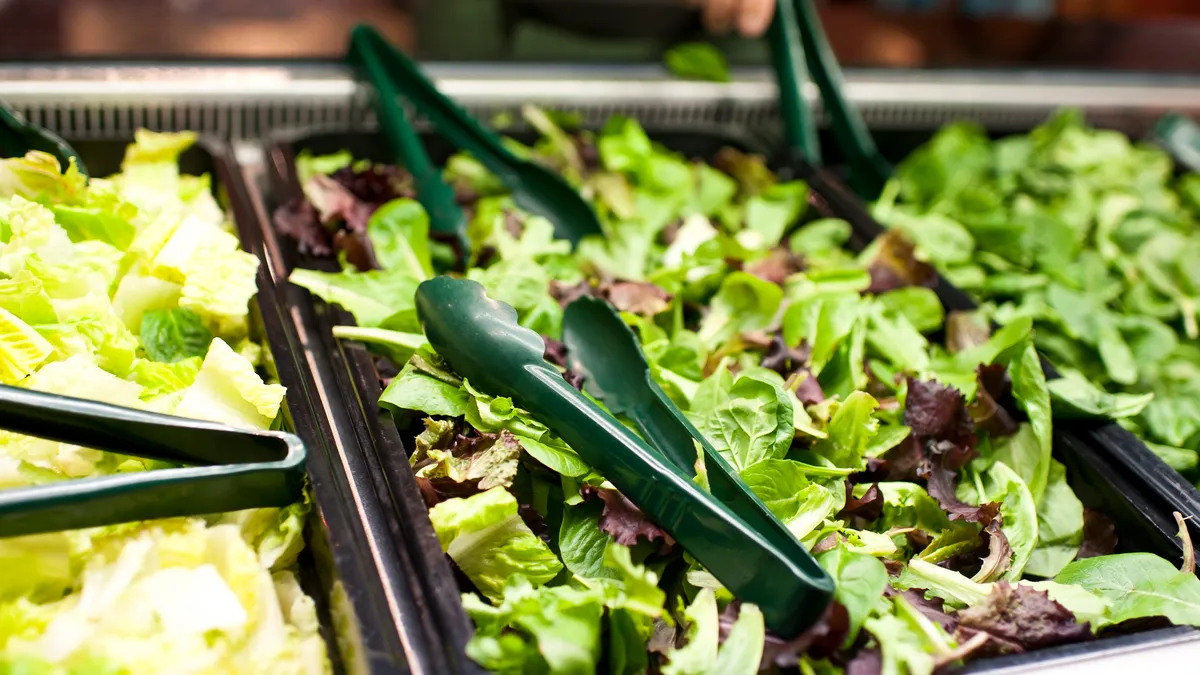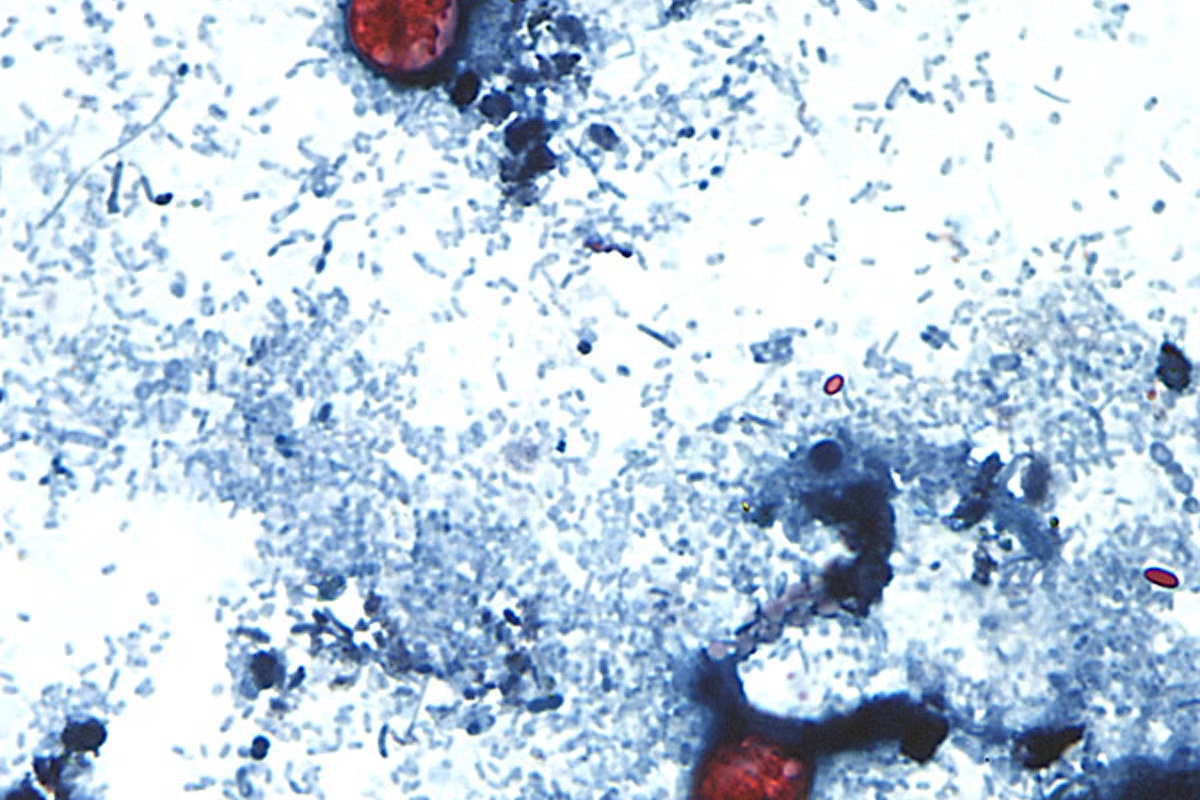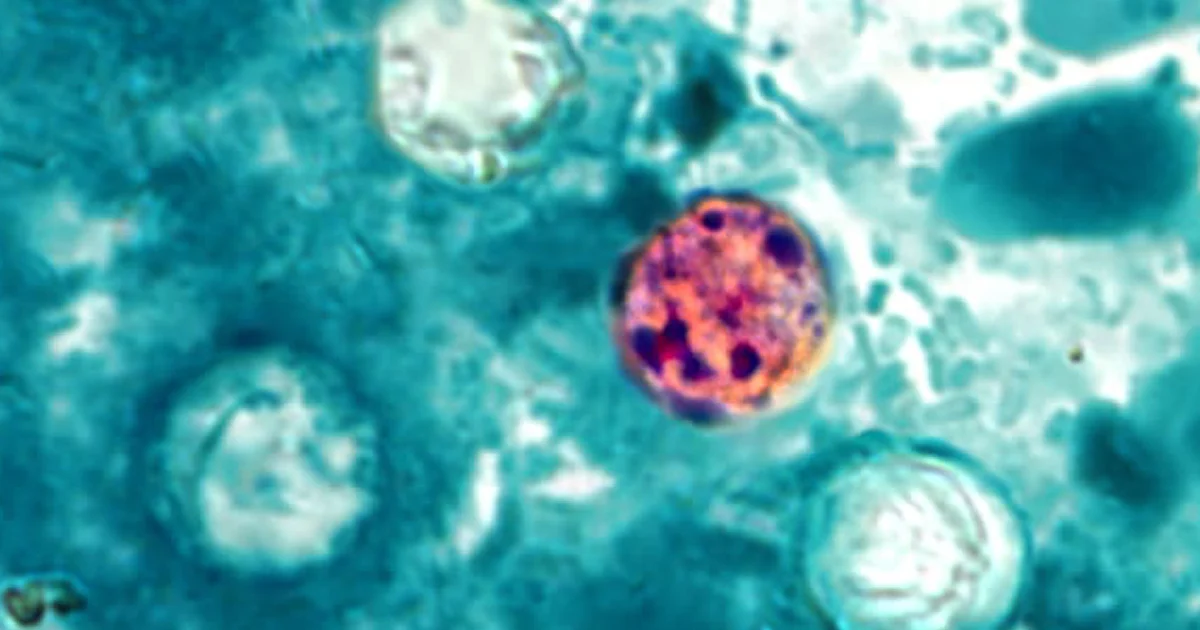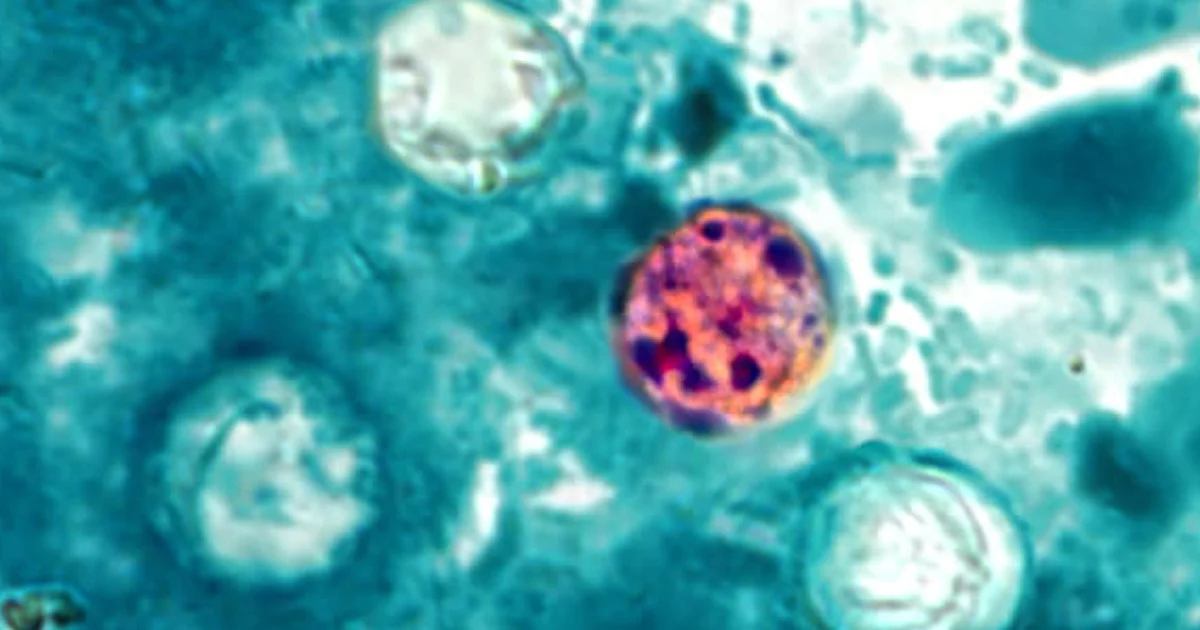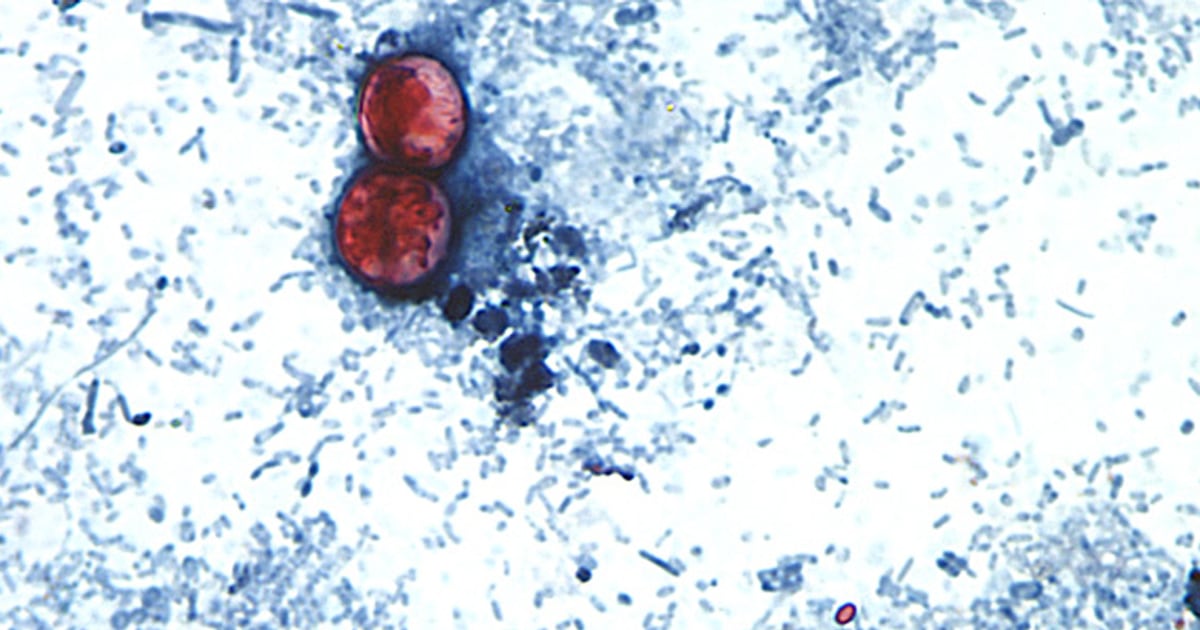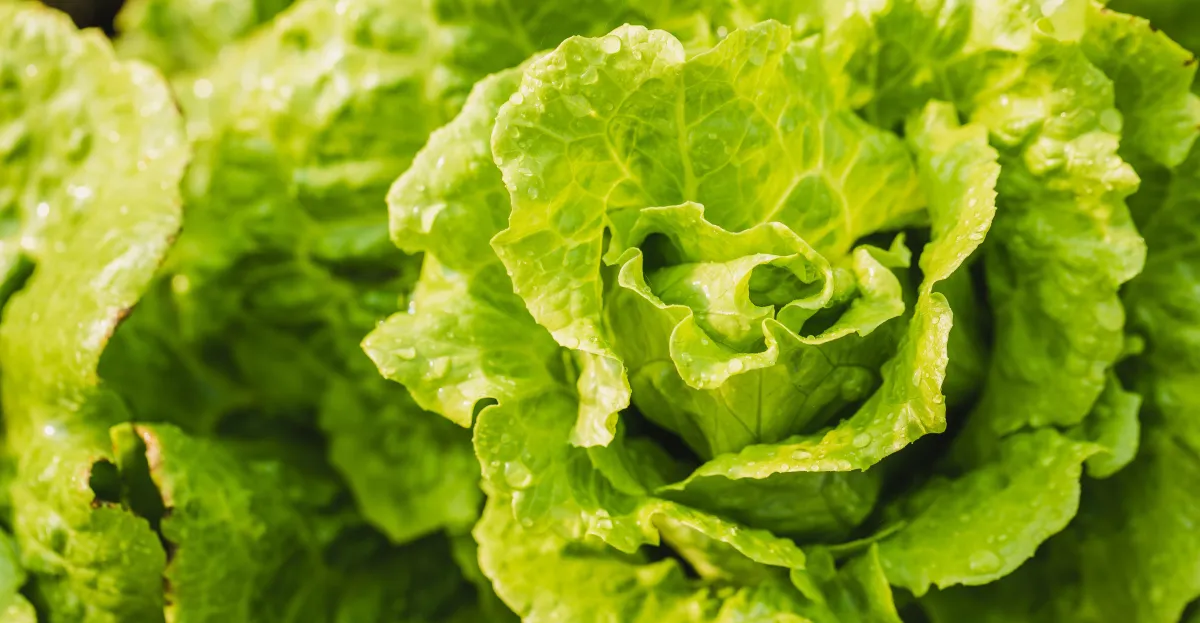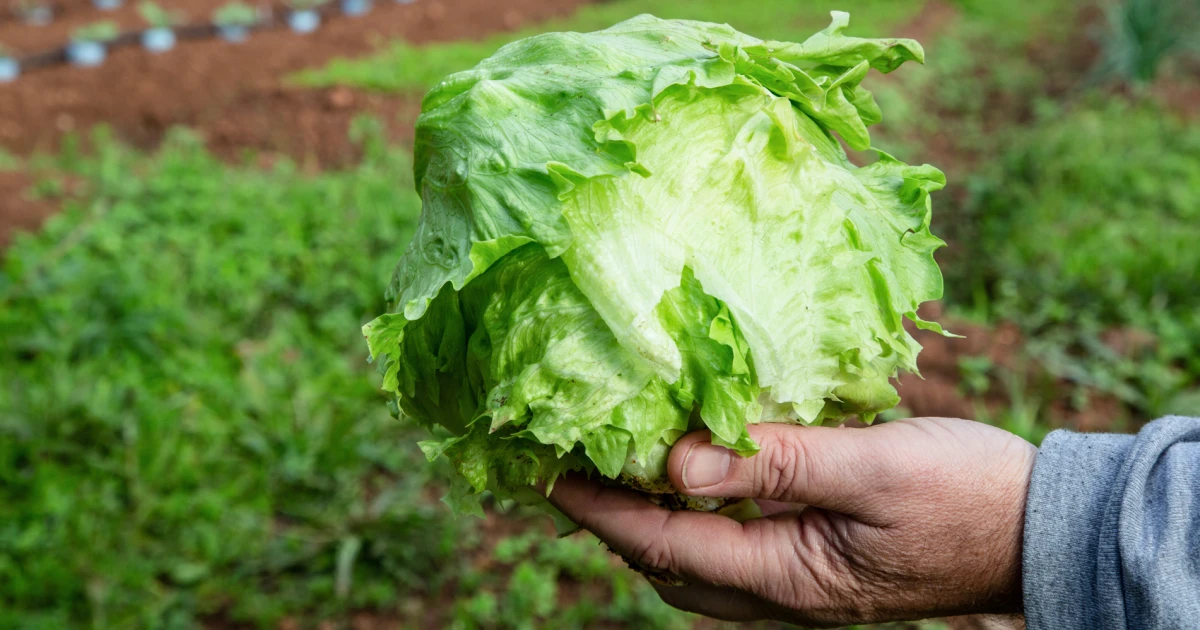
As of Tuesday, a parasite called cyclospora has sickened nearly 7,000 people in 34 states so far this summer. On Monday, Michigan health officials announced their first potential source: lettuce and salad greens. Their advice was sound: Buy whole heads, discard the outer leaves, wash what’s left. But it landed after vinegar rinses and peeling rituals had circulated online for weeks.
Michigan’s announcement was careful: Lettuce keeps surfacing in interviews, other foods cannot be ruled out, and no grower or supplier has been named. That is what a “potential source” is — a hypothesis strong enough to keep pulling on. Weeks into one of the largest cyclosporiasis surges on record, we still cannot answer the question people need answered: Which food is making us sick? The Centers for Disease Control and Prevention cannot yet say whether this is one outbreak with a common source or several unconnected clusters.
That uncertainty is not a footnote. It is the problem. Cyclospora is hard to trace under the best conditions, and these are not the best conditions: The systems designed to compensate for the difficulty — surveillance, staffing, traceability — has been cut, thinned, or deferred.
I am an epidemiologist and spend much of my time pushing back on health misinformation online. I saw the folk remedies early — vinegar soaks, warnings to swear off berries — building for weeks, ahead of any official word. This week the feeds finally had something official to cling to: “Lettuce is a potential source” became “it’s the bagged salad.” Google searches for “cyclospora” spiked to their highest level of the year — a crude measure of how many people were searching for guidance that does not yet exist.