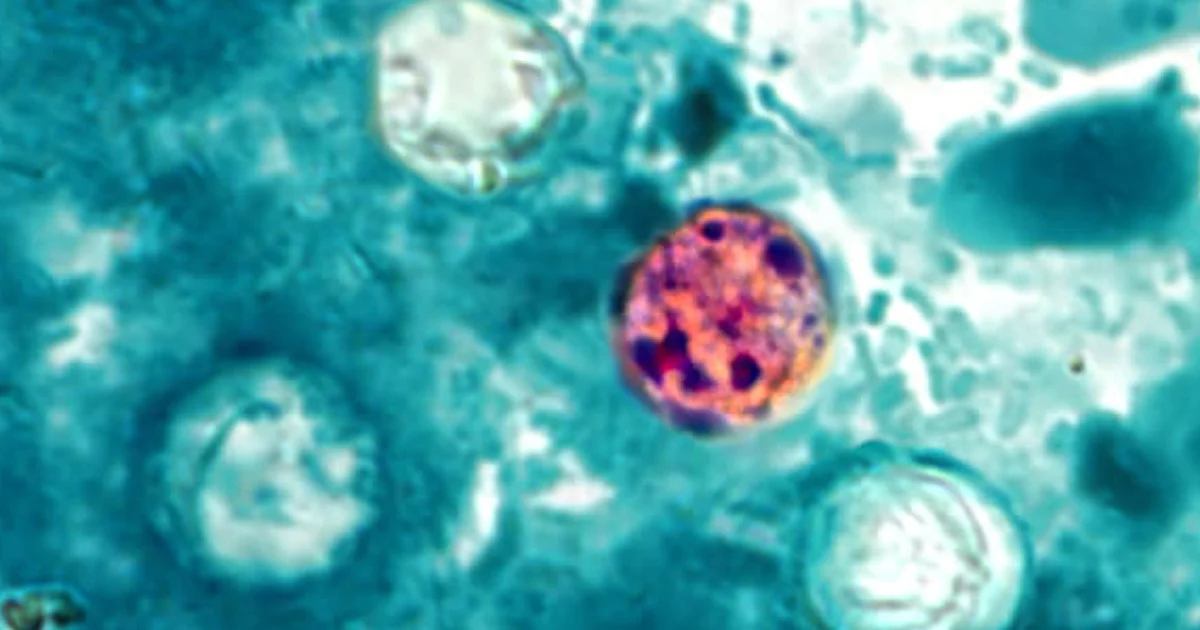
ToplineCases of cyclosporiasis, the diarrhea-causing parasitic illness reported in dozens of states, are spiking in Michigan, with more than 600 new cases reported on Thursday as the state’s total case count surpasses 4,300.Michigan reported more than 1,000 new cases of cyclosporiasis since Friday. (Photo by Nathan Posner/Anadolu Agency via Getty Images)Anadolu Agency via Getty ImagesKey FactsMichigan, the hardest-hit state, reported a total of 4,312 cyclosporiasis cases in the outbreak as of Thursday, with 102 individuals hospitalized—an increase of about 600 cases since Wednesday, when the state reported 3,762 illnesses.Michigan’s case count has more than tripled since last week: On July 9, the state reported 1,251 illnesses.The Centers for Disease Control and Prevention reported 1,645 confirmed U.S. cases as of Monday, noting it was aware of 5,100 additional cases that required further analysis to confirm the illnesses are domestically acquired cyclosporiasis.Michigan’s hardest-hit areas are Washtenaw County and Wayne County, the latter of which includes Detroit and has reported 582 cases.Other hard-hit states include Ohio, West Virginia and Kentucky, where the CDC has said more than 400 cases appear to be “epidemiologically linked, suggesting that there could be a common source of these infections.”what is the source of the outbreak?Officials are still trying to determine the cause of the outbreak, though Michigan’s health department said Monday preliminary investigation results suggest “lettuce or salad greens” may be the source. The investigation is ongoing, and health officials said other foods cannot yet be ruled out. “Early information has shown lettuce as a common product that regularly comes up during the investigation,” Michigan’s chief medical executive Natasha Bagdasarian said, adding there is no “definite product identified as the source of the outbreak.” The CDC says on its website it is working with state and federal partners to investigate the outbreak, though it has not yet identified a source. Outbreak Comes After CDC Loosened Monitoring Of CyclosporaThe surge in cases comes one year after the CDC removed cyclospora from a list of pathogens required to be monitored under the agency’s Foodborne Diseases Active Surveillance Network program. Ten states are part of the surveillance program, including New York, though neither Michigan nor Ohio are members. At the time, a CDC spokesperson told NBC News the program would “narrow its focus to Salmonella and [Shiga toxin-producing E. coli]” to “allow FoodNet staff to prioritize core activities.” Some experts have voiced fears scaling back the surveillance program would make it harder to know whether cases of certain foodborne diseases are rising. “CDC is backing off on one of their best surveillance systems,” Dr. J. Glenn Morris, director of the Emerging Pathogens Institute at the University of Florida who helped create the CDC’s foodborne disease surveillance program, told NBC News. What Is Cyclosporiasis—And How Does It Spread?Cyclosporiasis is a gastrointestinal disease caused by the microscopic parasite cyclospora, the CDC says. People can become infected by eating or drinking contaminated food or water. The disease does not spread directly from person to person. After ingesting the parasite, it can take weeks for symptoms to develop. The main symptom is diarrhea, described by experts as watery and sometimes “explosive.” Other symptoms can include loss of appetite, weight loss, cramping, bloating and increased gas. To prevent infection, experts recommend following basic hygienic practices, like washing hands before preparing food and rinsing fruits and vegetables before eating. further readingCyclosporiasis Cases Reported In 31 States—As Over 1,500 Infected In Michigan (Forbes)
Michigan Reports 600 New Cyclosporiasis Cases—Over 4,300 Total
Michigan has recorded more than 4,300 cases of cyclosporiasis, the diarrhea-causing parasitic illness, as of Thursday, tripling the number of cases since last week.
566 words~3 min read