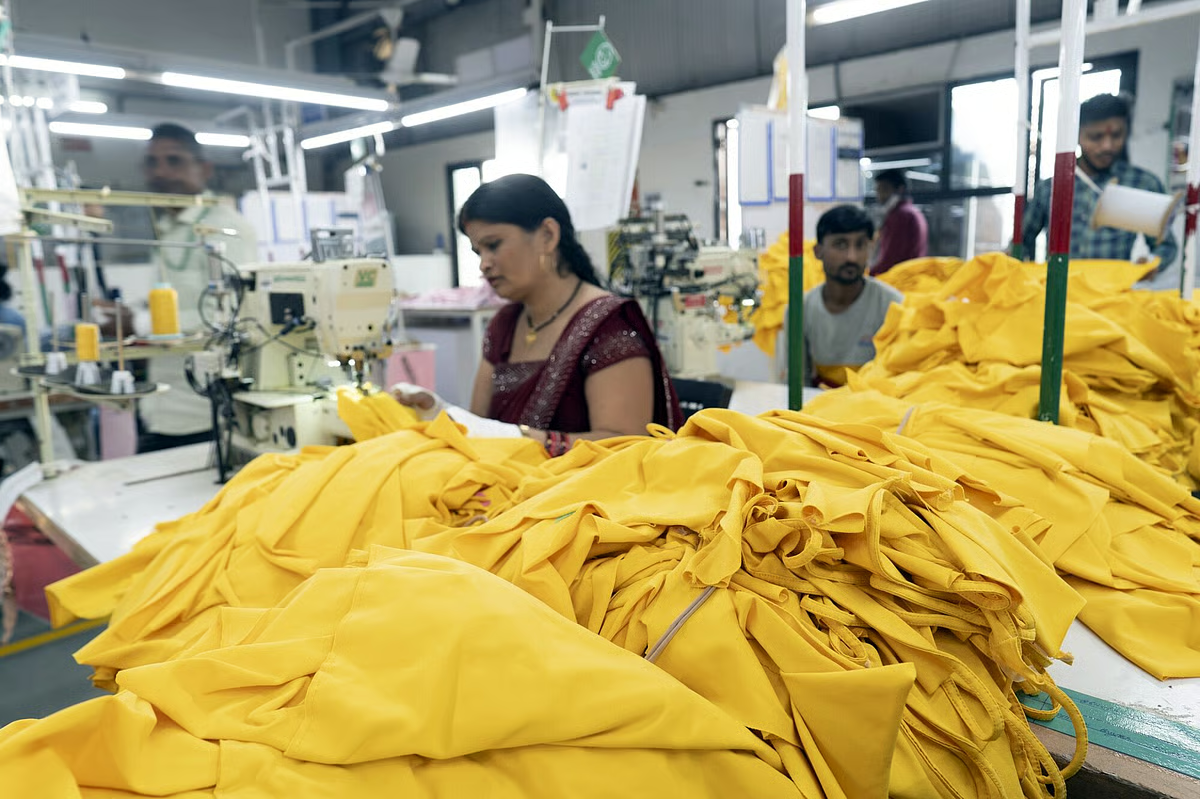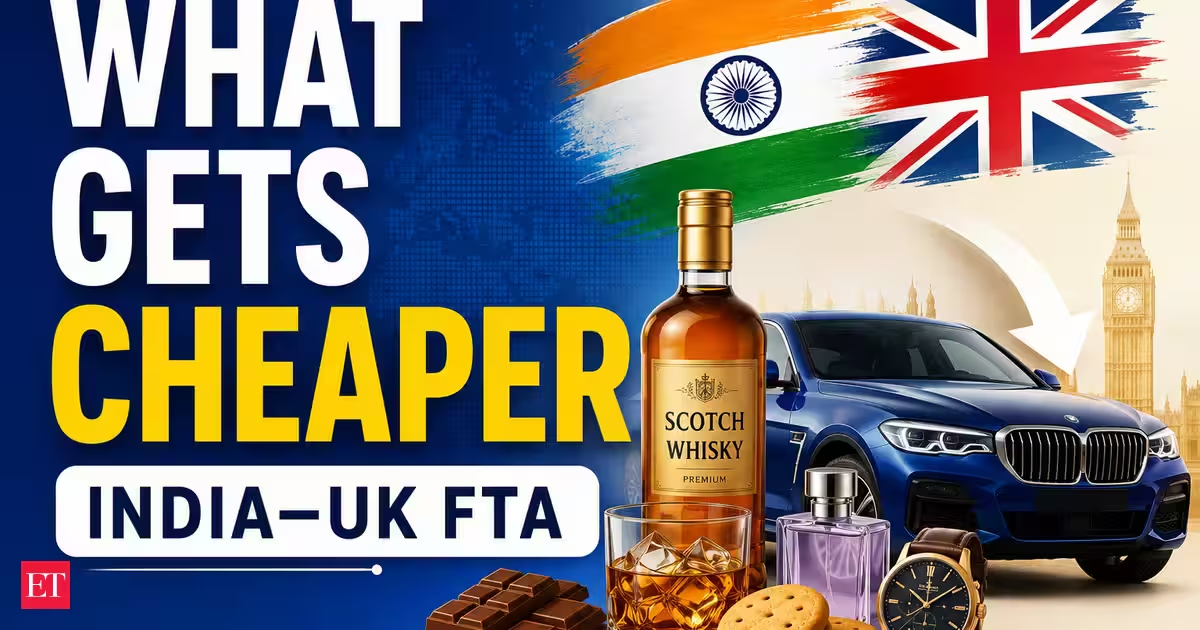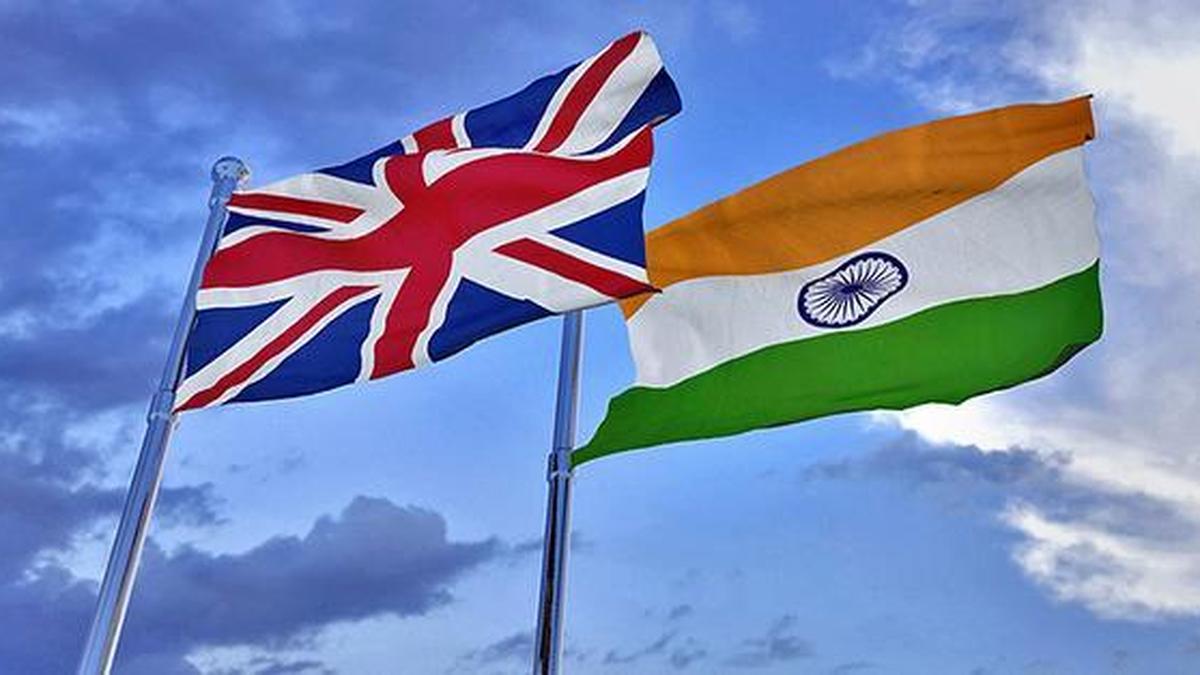
India has completed all domestic processes for implementing the India-UK comprehensive economic and trade agreement (CETA), which takes effect on July 15 and will eliminate import tariffs on most Indian exports to the UK, providing a major competitiveness boost to labour-intensive sectors, the government has said.The agreement, along with the Double Contribution Convention (DCC), marks one of India’s most ambitious trade deals and is expected to provide a fresh impetus to bilateral trade, which the two countries aim to more than double to $100 billion by 2030, up from about $55 billion at present, Commerce Secretary Rajesh Agrawal said at a media briefing on Tuesday.The biggest beneficiaries are expected to be sectors such as textiles, garments, leather, footwear, auto parts, chemicals, marine products, agri- processed food and engineering goods, as they currently face relatively high import duties (ranging from 4 per cent to 18 per cent) in the British market, officials said.“All domestic processes to implement the agreement have been completed and consignments will be flagged off from various parts of the country,” Agrawal said.India will continue to protect sensitive sectors including dairy, apples, cereals and most vegetables, he added.Tariff advantage“The agreement is expected to reshape competitive dynamics in the UK market by giving Indian exporters a tariff advantage over China and creating a more level playing field with preferential suppliers such as Vietnam, particularly in labour-intensive sectors including apparel, footwear and marine products,” an official pointed out.The CETA provides an unprecedented duty-free access to 99 per cent of India’s exports to the UK, covering over 99.5 per cent of the trade value, according to figures shared by the Commerce Department.The UK has also offered deep market access across 137 services sub-sectors and strong commitments in IT/ITeS, business, professional, financial, telecom, and education services. India has opened 89.5 per cent of its tariff lines, covering 91 per cent of the UK’s exports while safeguarding sensitive sectors and strategically important products.Improved accessAmong the key gains for the UK are improved access for Scotch whisky and gin, whose import duties will be reduced in stages, and passenger vehicles, which will receive sharply lower tariffs under a quota-based mechanism. British exporters of chocolates, cosmetics, medical devices, salmon and advanced manufacturing products are also expected to benefit.Agrawal noted that the pact offered much more than tariff liberalisation, with its 30 chapters covering areas such as digital trade, government procurement, MSMEs, innovation, labour, environment and gender. It also includes provisions to address non-tariff barriers, including sanitary and phytosanitary (SPS) measures and technical barriers to trade (TBT), to ensure that regulatory requirements do not become unjustified obstacles for Indian businesses.Published on July 14, 2026
India-UK FTA kicks in Wednesday, giving most labour-intensive exports zero-duty access
India-UK FTA launches zero-duty access for key exports, boosting competitiveness in textiles, leather, and engineering goods.
438 words~2 min read