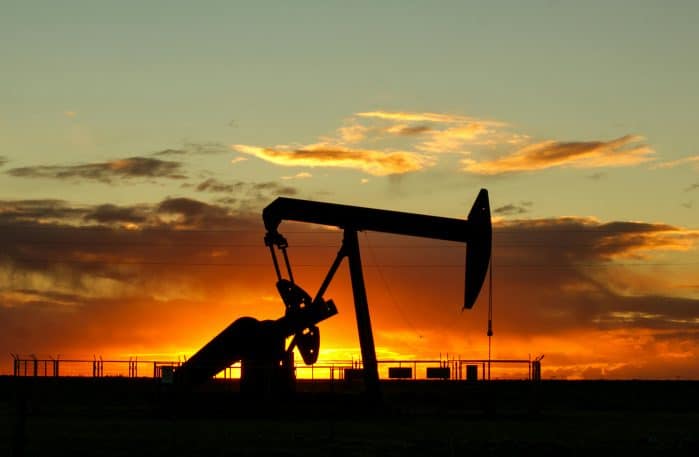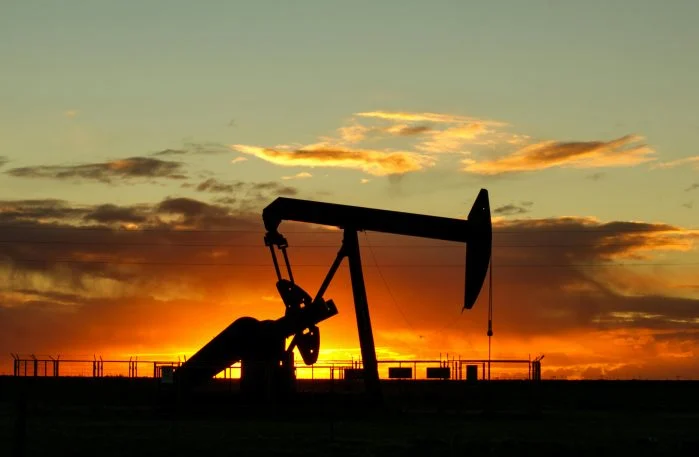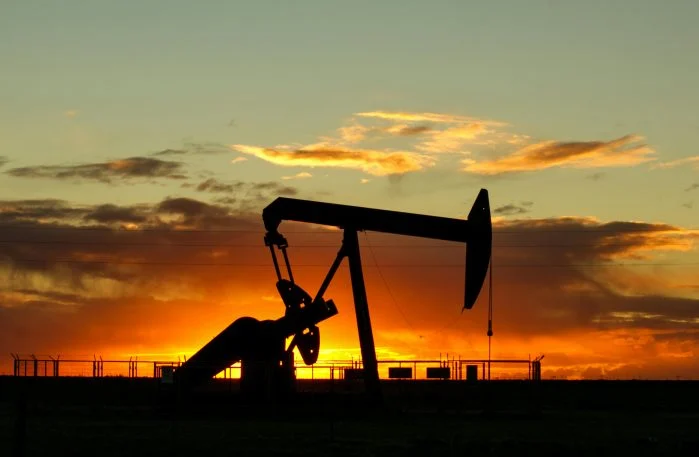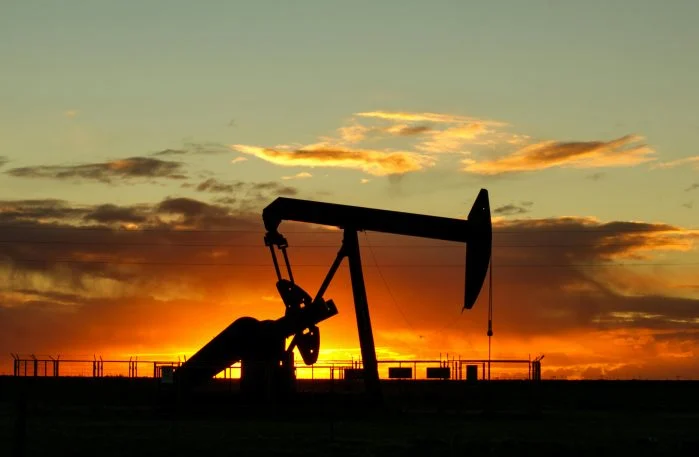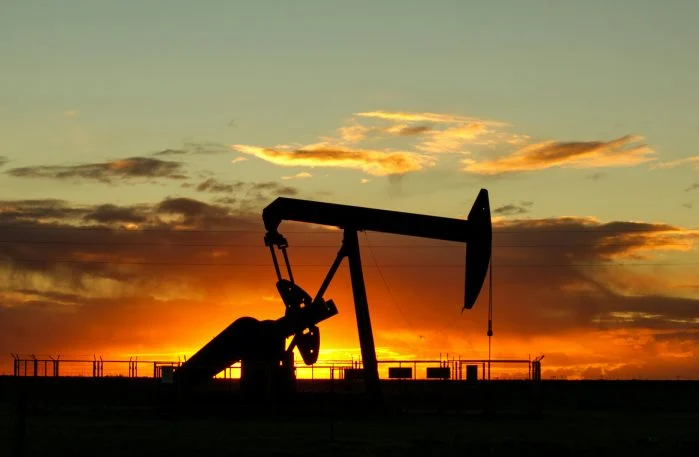
Recent hostilities between the U.S. and Iran have significantly impacted oil markets, pushing crude oil prices higher and undermining the previous narrative of an oversupply. The geopolitical tension has led to disruptions in oil shipments through the Strait of Hormuz, a critical passage for global oil transport, and has resulted in a U.S. naval blockade on Iranian ports. These developments have caused a supply shock, with Brent crude oil now around $80 per barrel and WTI at approximately $74, contrary to earlier forecasts predicting a year-end price drop due to an anticipated oversupply.
Market participants appear to be reevaluating their expectations, as evidenced by recent shifts in prediction markets. The likelihood of crude oil reaching a new all-time high by the end of September has seen a modest increase, now priced at 5.9% YES, while the December 31 market shows a more pronounced jump to 14.5% YES. This pricing shift suggests that the geopolitical risks have introduced a premium to oil prices, counteracting the projections previously made by the International Energy Agency that were supportive of a NO outcome on new highs.
Key market actors, including OPEC’s Secretary General Mohammad Sanusi Barkindo and the IEA’s Executive Director Fatih Birol, are likely to play influential roles as the situation unfolds. Their responses to these geopolitical dynamics could further sway market sentiment and pricing in the coming months.