As our Laravel applications grow, we inevitably face a common architectural dilemma: where do we put complex business logic that dictates whether an entity meets certain criteria?
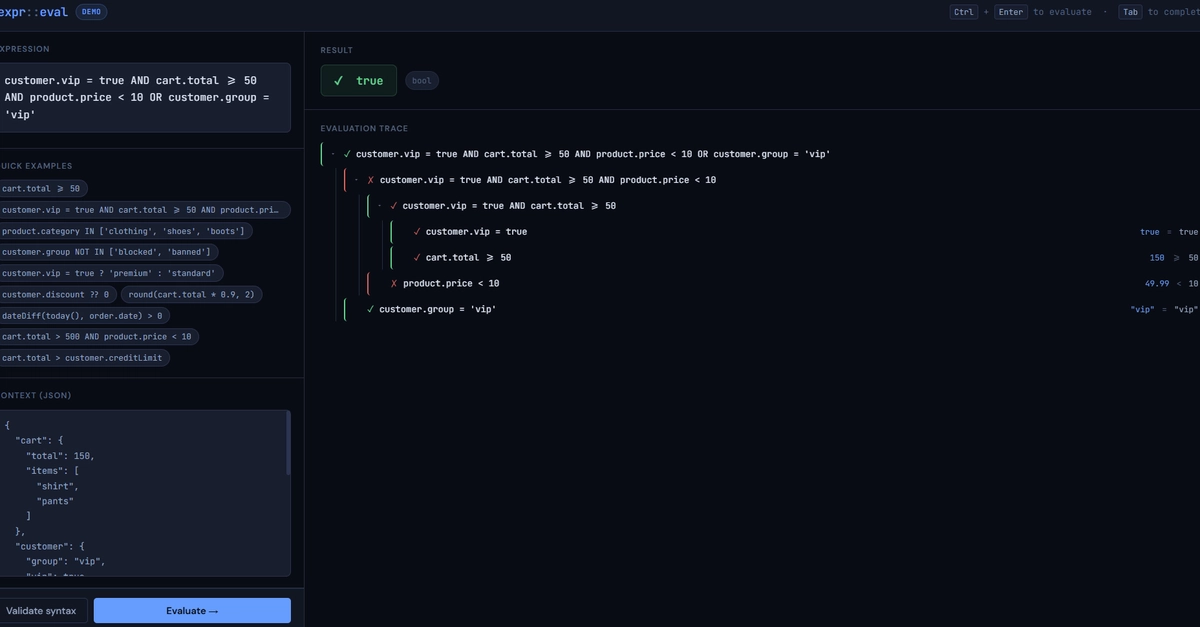
You start simple. A user is allowed to purchase a premium item if they are active. Easy—you write a quick Eloquent scope. But three months later, the business team changes the rules. Now, a user can only buy that item if they are active, have a verified email, have spent at least $500 in the last 90 days, and are not flagged for suspicious activity.
Suddenly, your code becomes littered with long chains of Eloquent scopes in your queries, and worse, identical blocks of if-else statements in your PHP services to check the exact same logic for already-loaded models.
This is where the codebase starts to smell. We are violating the Single Responsibility Principle, duplicating rules, and creating a maintenance nightmare. To fix this, developers often reach for complex design patterns that end up overengineering the solution, violating the KISS (Keep It Simple, Stupid) principle.
But there is a elegant, highly practical pattern that solves this perfectly without breaking a sweat: The Specification Pattern.