Solar observatory awaits a new launch date after its original ride hit booster trouble
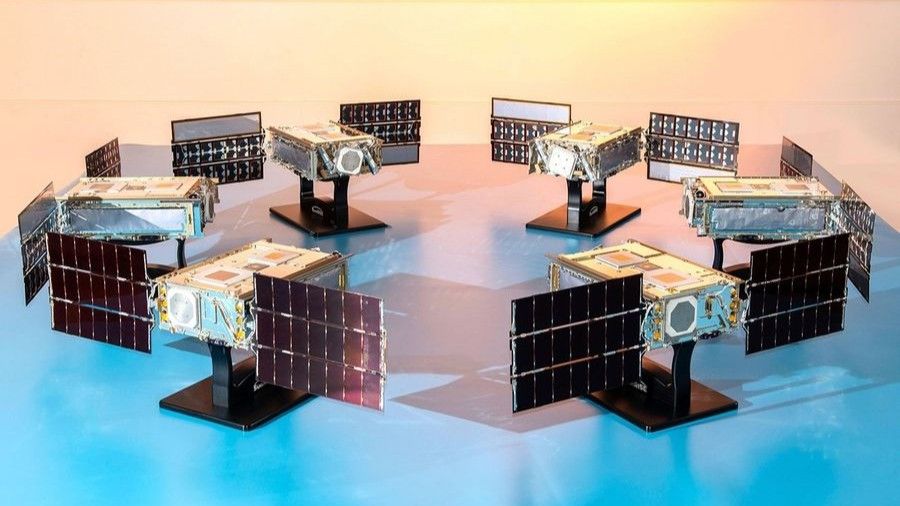
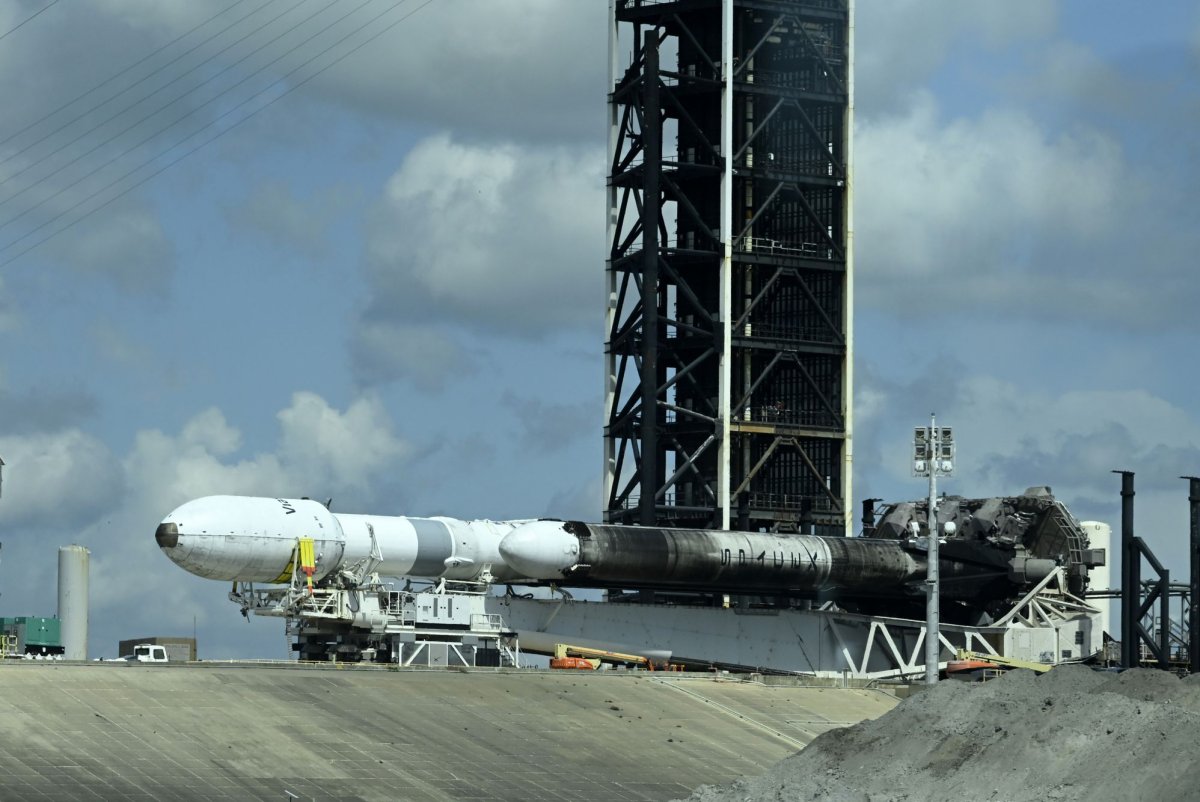
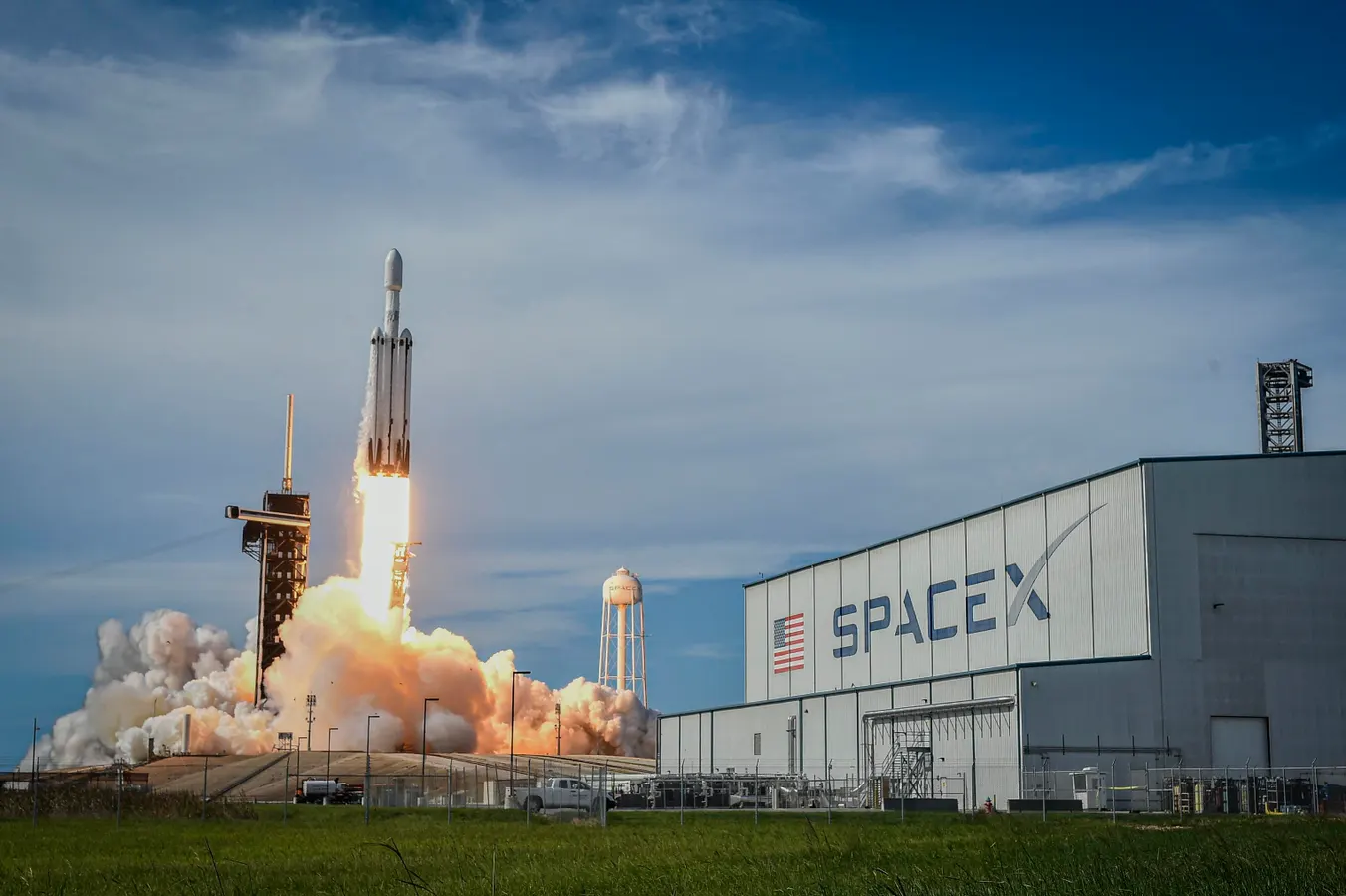
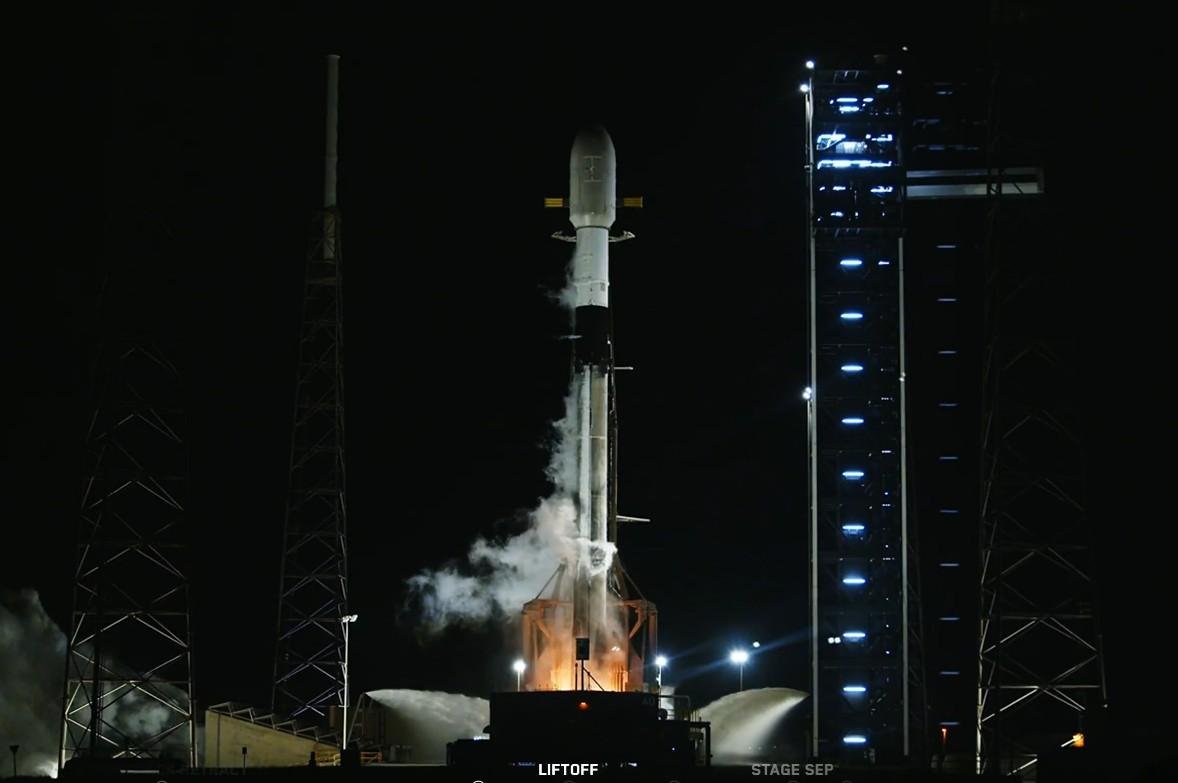
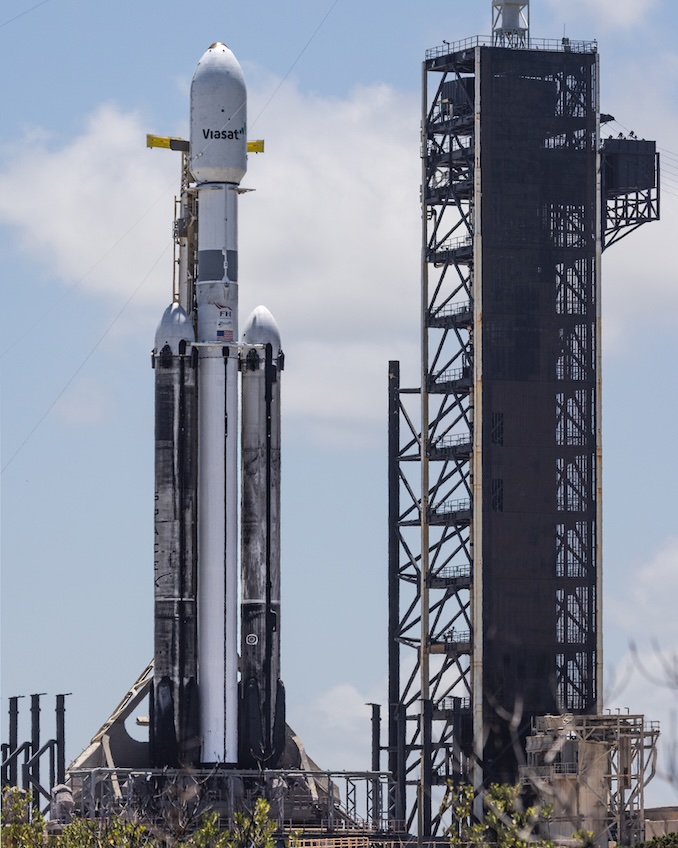
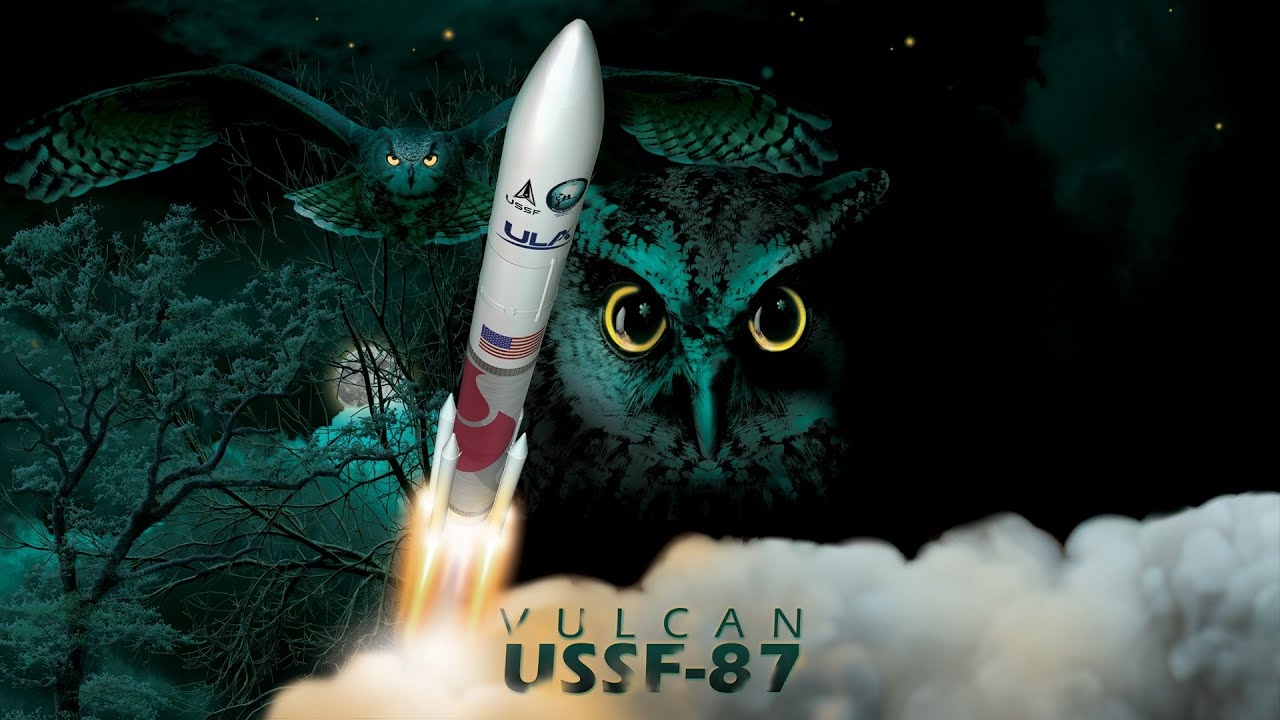
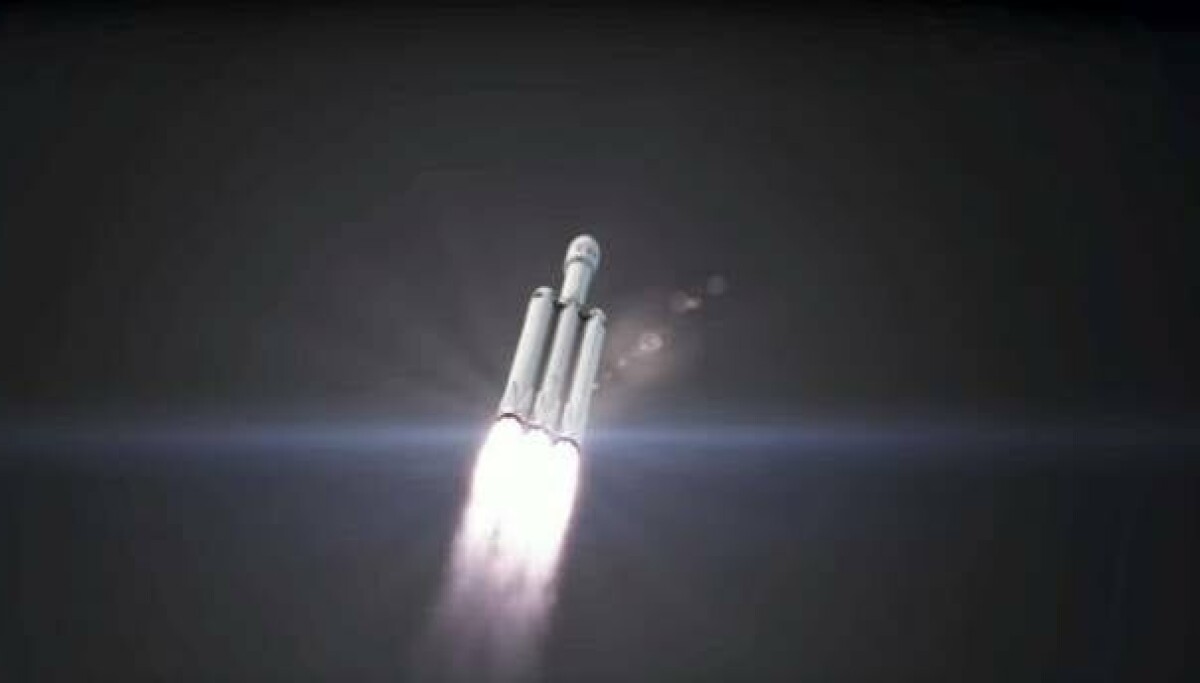
NASA has performed a rocket switcheroo and will launch its SunRISE mission on a SpaceX Falcon Heavy instead of the United Launch Alliance (ULA) Vulcan Centaur on which it was originally booked to fly.The mission is flying as a rideshare sponsored by the United States Space Force's Space Systems Command, which might go some way to explaining the decision to change the launch vehicle.In February, the fourth Vulcan Centaur flight experienced a booster anomaly during a US Space Force launch. The payload made it to orbit, but a burn-through of a Solid Rocket Booster (SRB) nozzle made the trip more eventful than planned.
Space Force reportedly paused all national security launches on the Vulcan Centaur until the investigation was complete and appropriate corrective action taken.
This left SunRISE in a pickle as it was due to launch on a Vulcan Centaur this summer, having completed its final prelaunch testing at the beginning of 2026. NASA said it "will share updated launch timing in the near future," although some time in 2027 seems a safe bet.There could be two Falcon Heavy launches in the remainder of 2026: one for the Nancy Grace Roman Space Telescope and another for Astrobotic's Griffin Mission One. Several US Space Force launches are planned for 2027, and SunRISE is likely to hitch a ride on one of them.