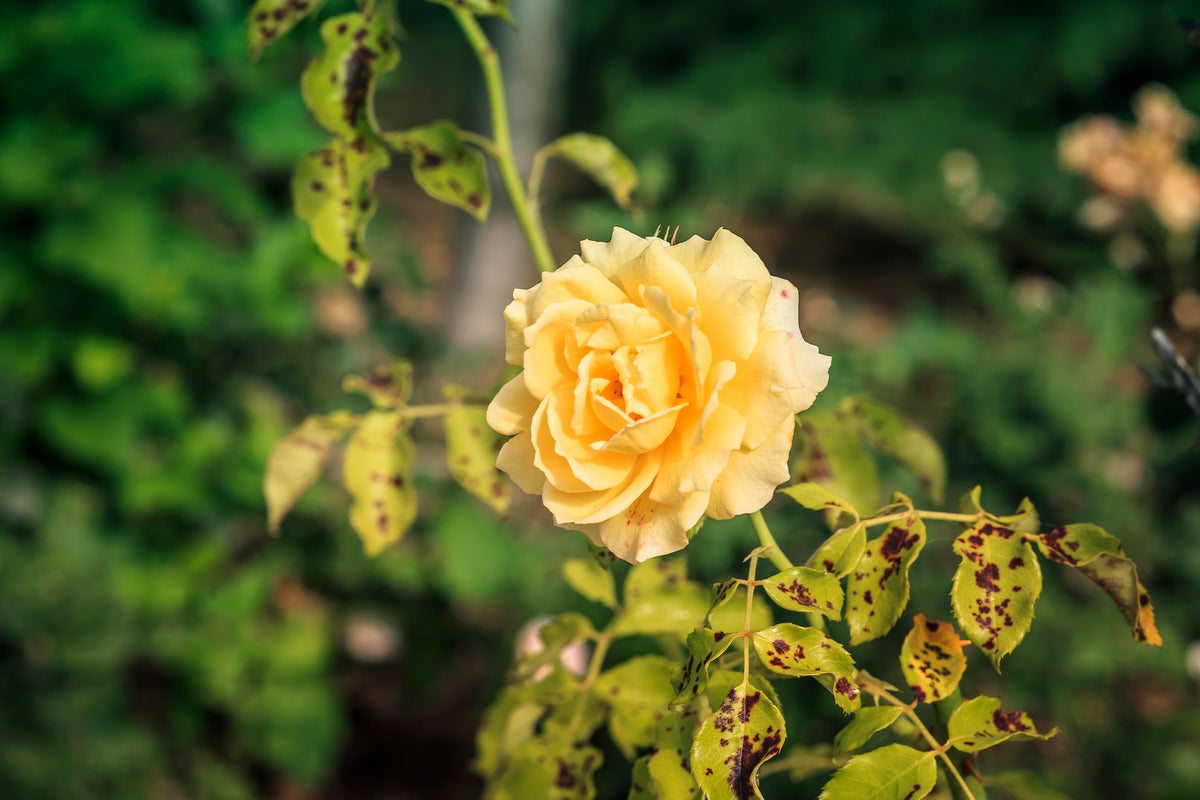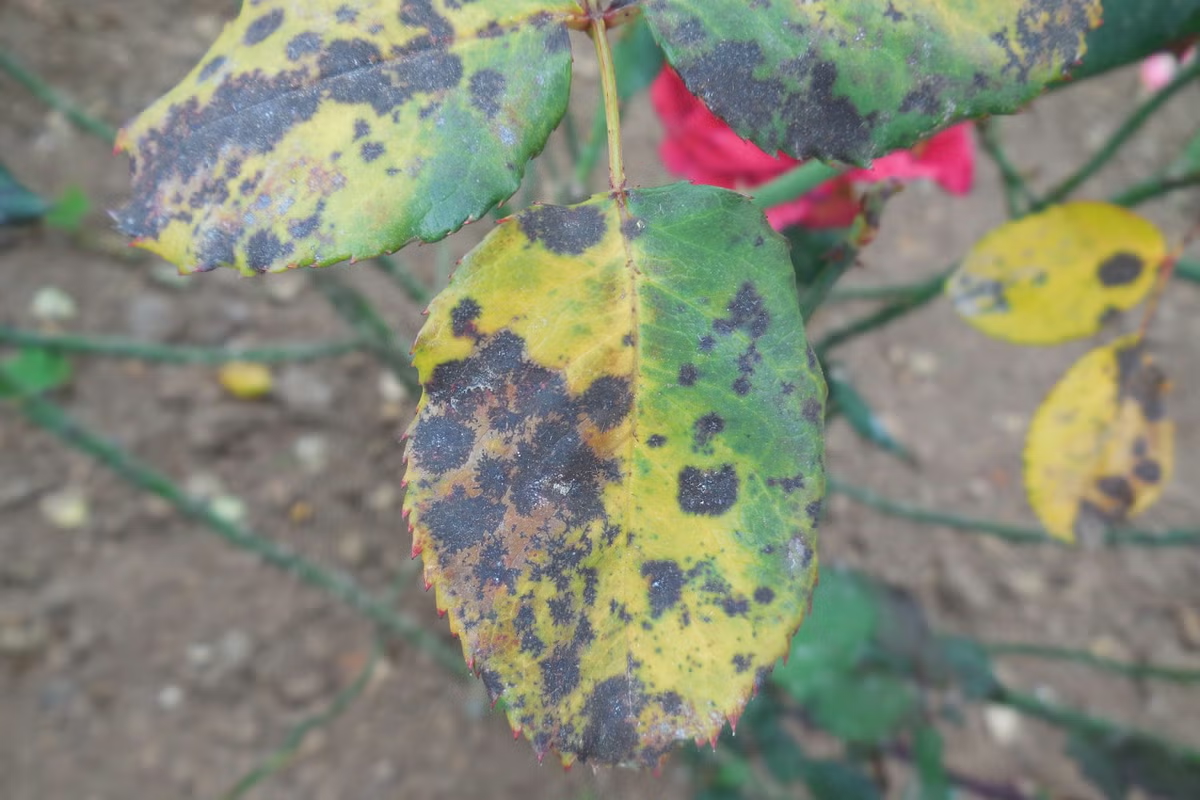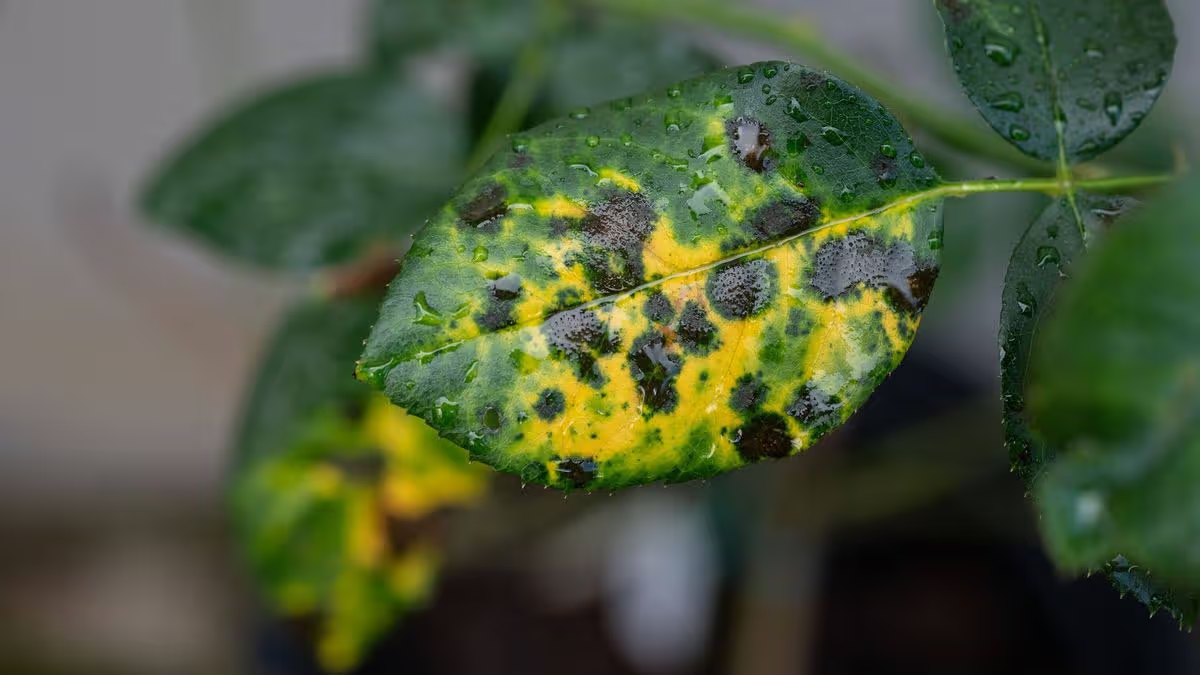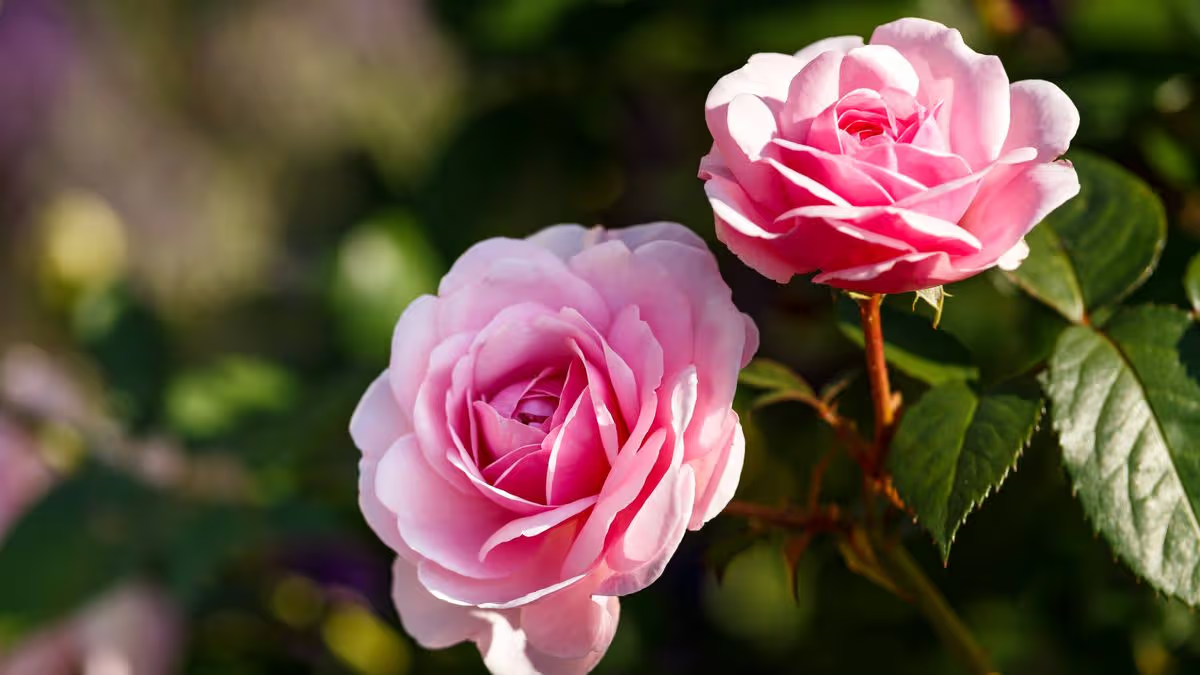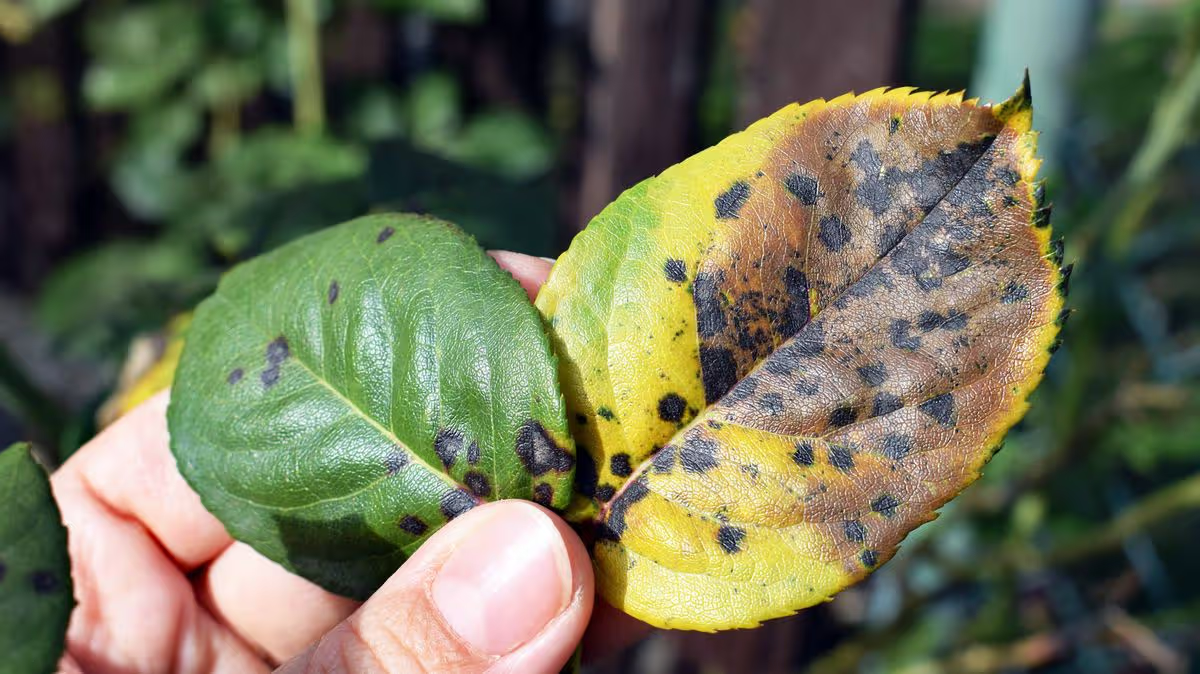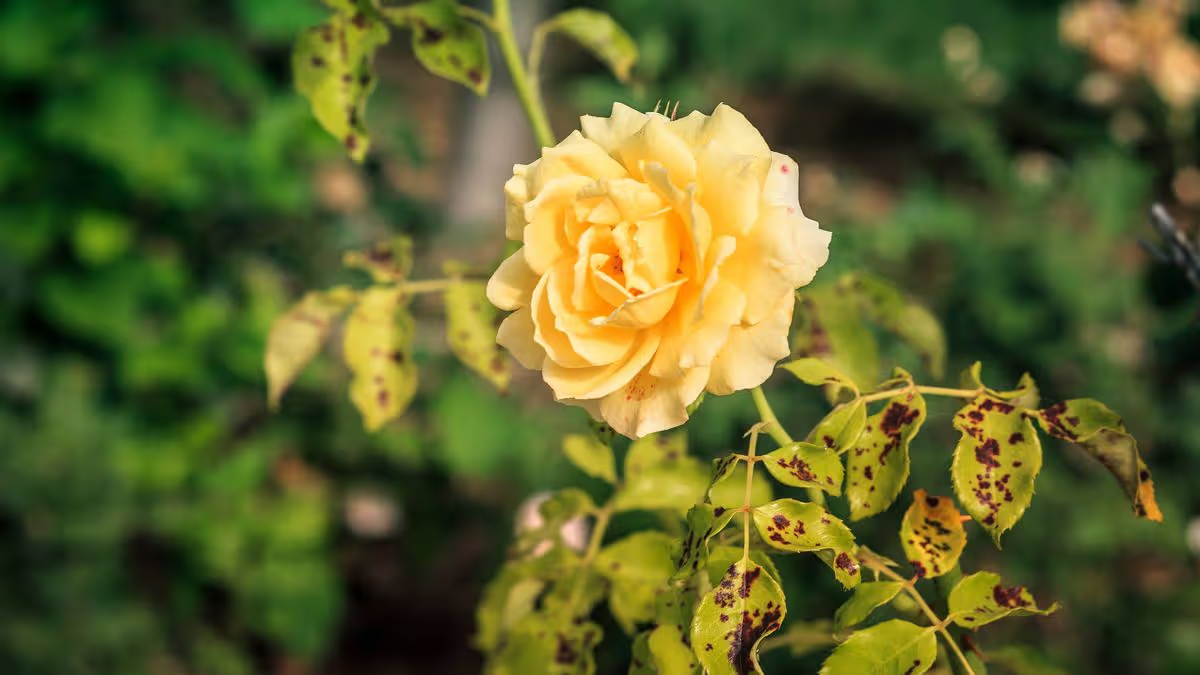
Few garden plants attract as much admiration as roses. They’re as beautiful in the garden as they are in a vase, and their flowers are almost universally a symbol of love.Unfortunately, they don’t always grow without challenges. Wilting, infestations and infections are not uncommon. And none are more dreaded than the often-deadly black spot disease.Although there is no cure for black spot, it can be effectively managed — and future growth protected — with a bit of vigilance.What to do if you see those telltale black spotsCaused by the fungus Diplocarpon rosae, black spot disease causes telltale black spots on foliage. Left unchecked, the often-fatal infection will diminish blooms and severely weaken plants, which increases their susceptibility to other diseases, pest infestations and winter injury.If your plant is affected, prune away all infected leaves and branches and rake all fallen plant parts from the soil. Then, place the debris in a sealed bag and dispose of it in the trash; leaving it on the soil will lead to reinfection. Avoid doing this when the weather is humid, as spores spread rapidly when exposed to moisture.There are many fungicides indicated for the prevention and treatment of black spot.
How to protect your roses from black spot disease
Roses are admired for their beauty, but can face challenges like black spot disease. The fungal infection creates black spots on leaves and weakens plants.
547 words~2 min read