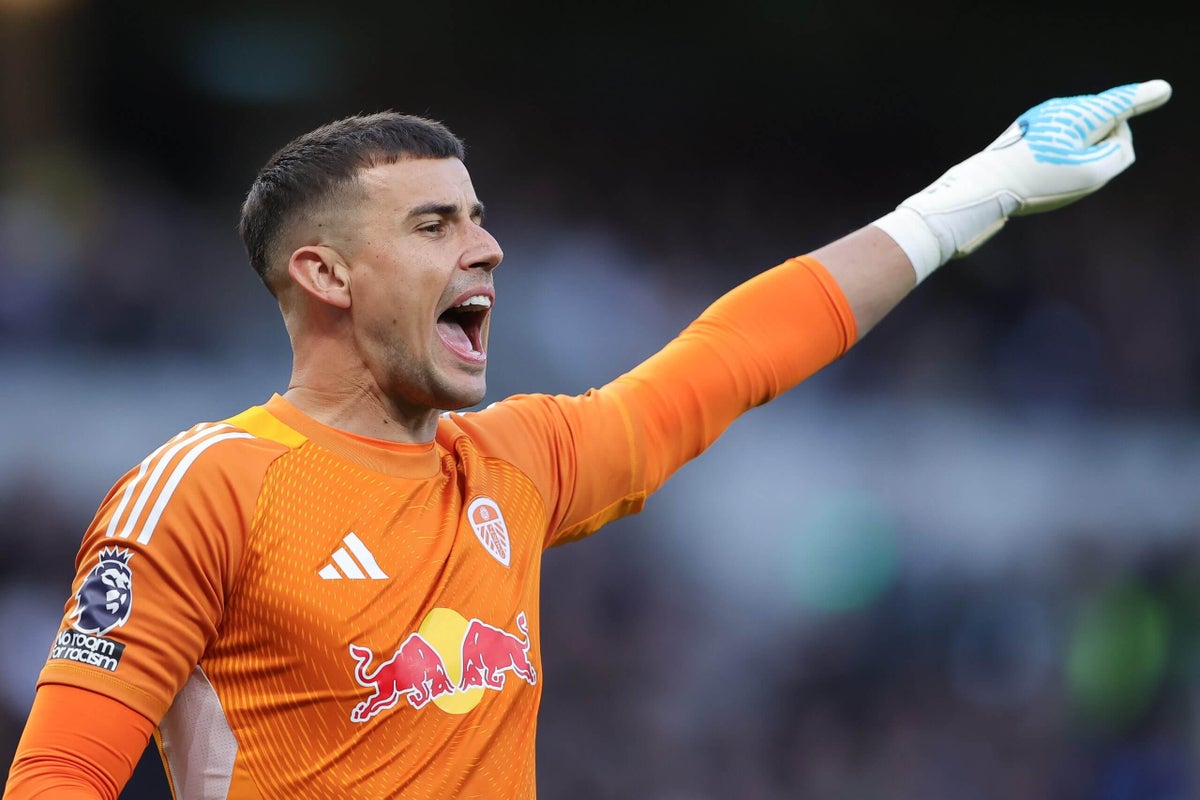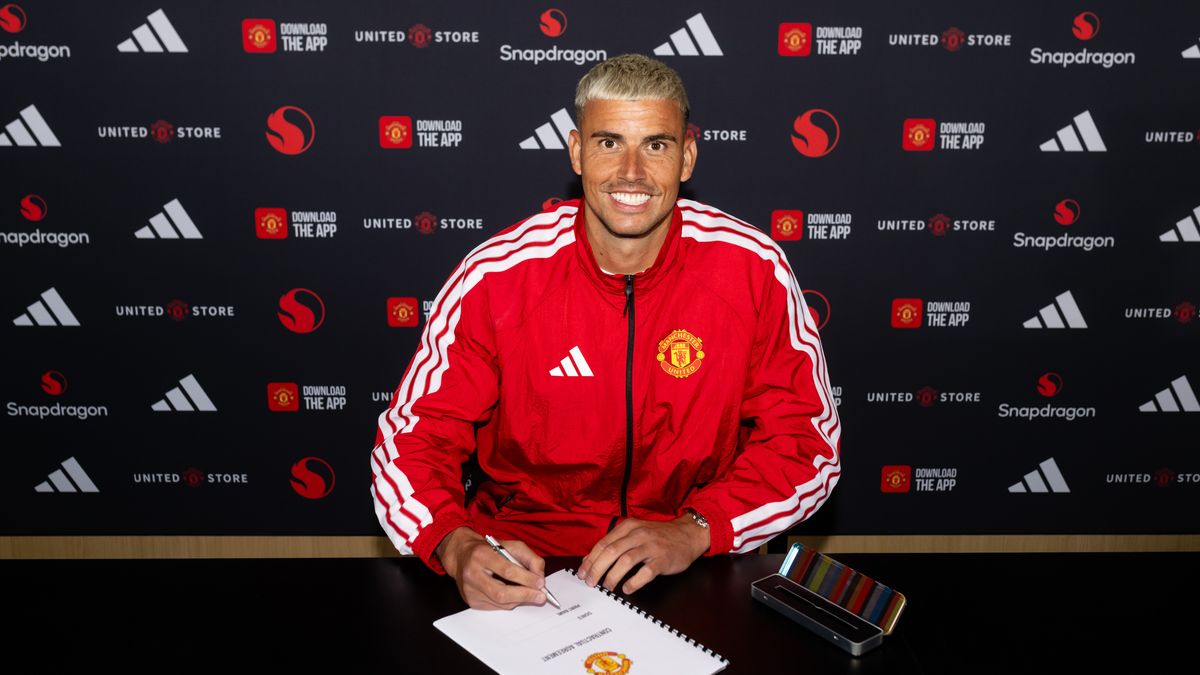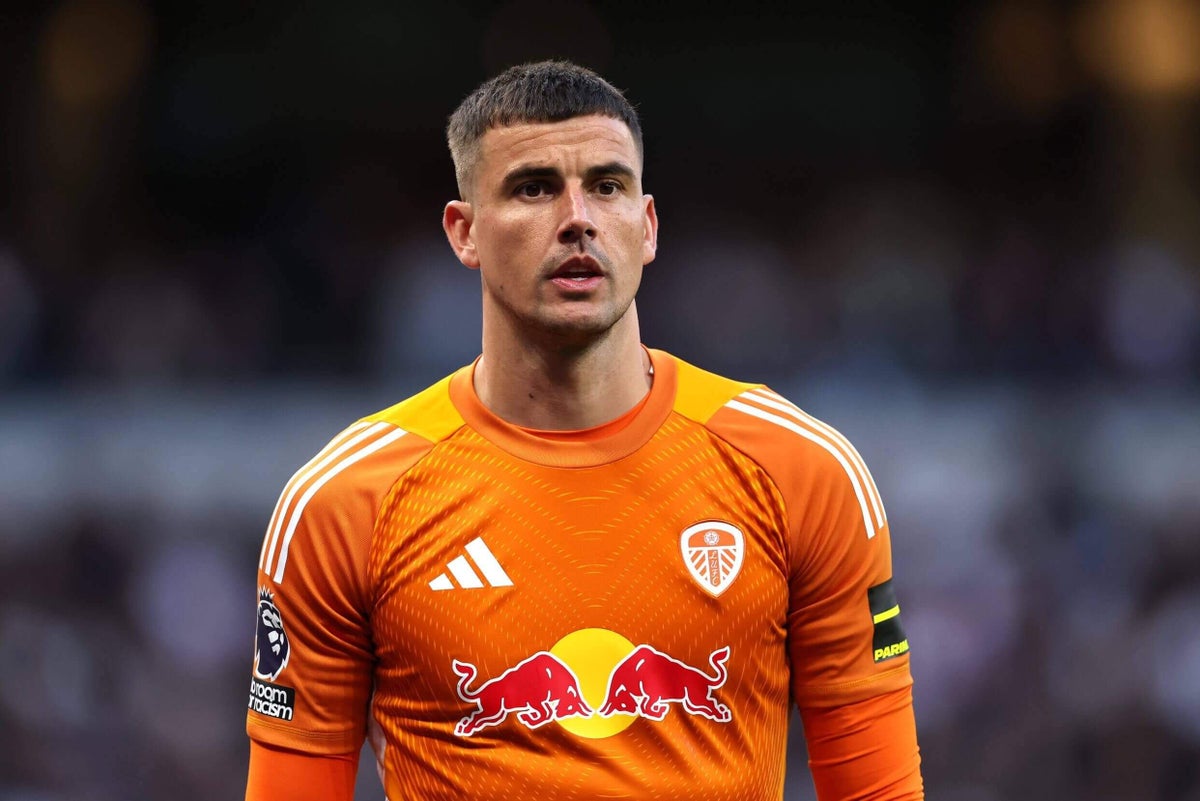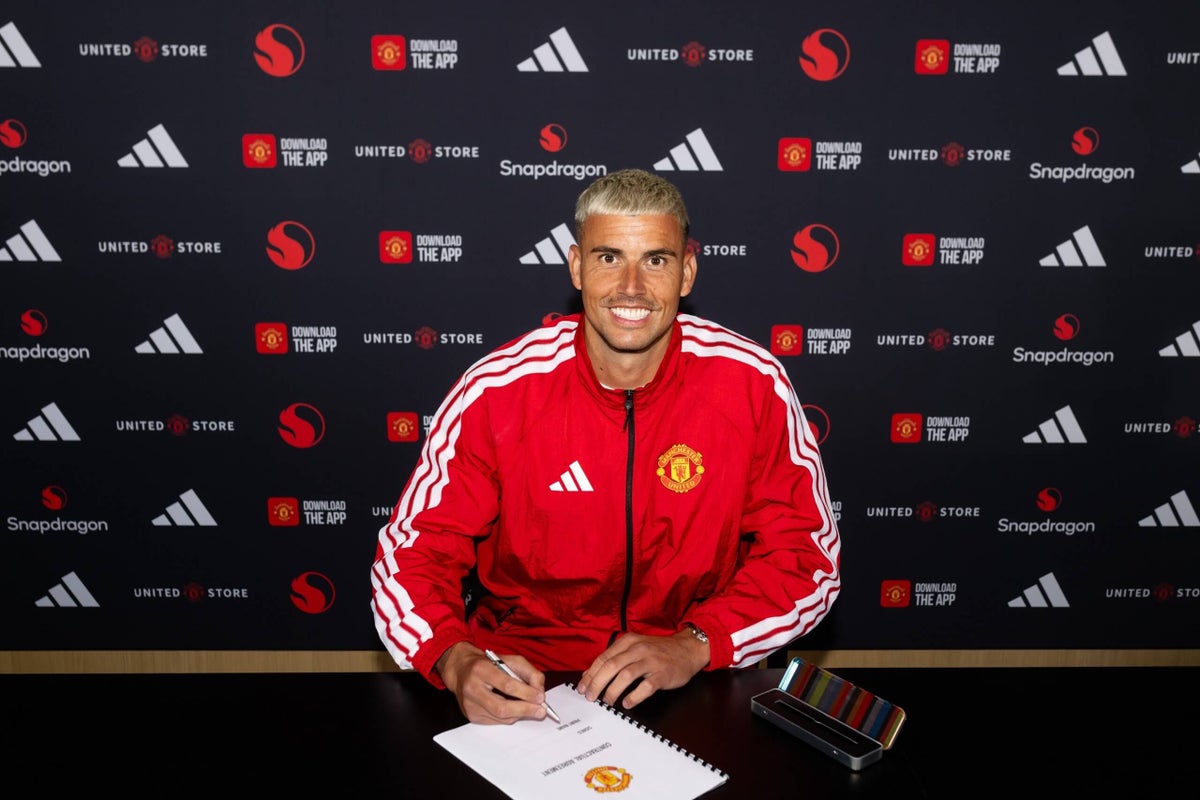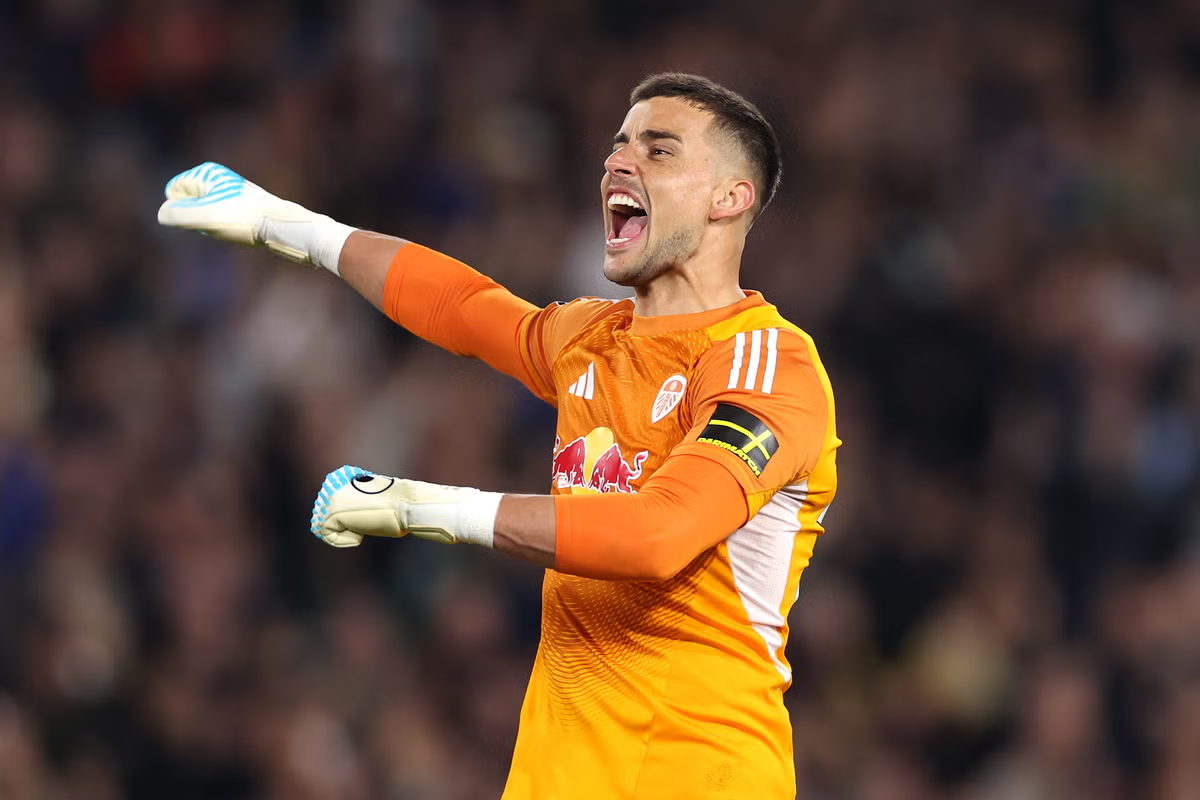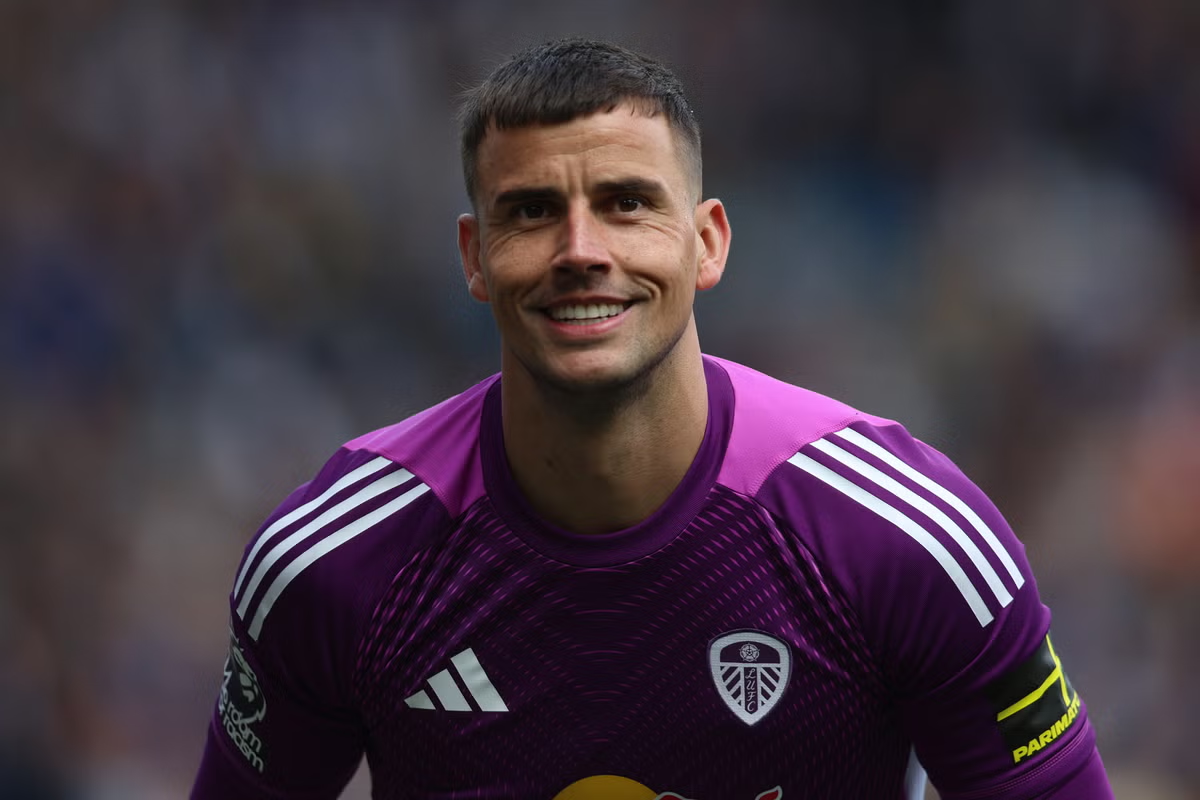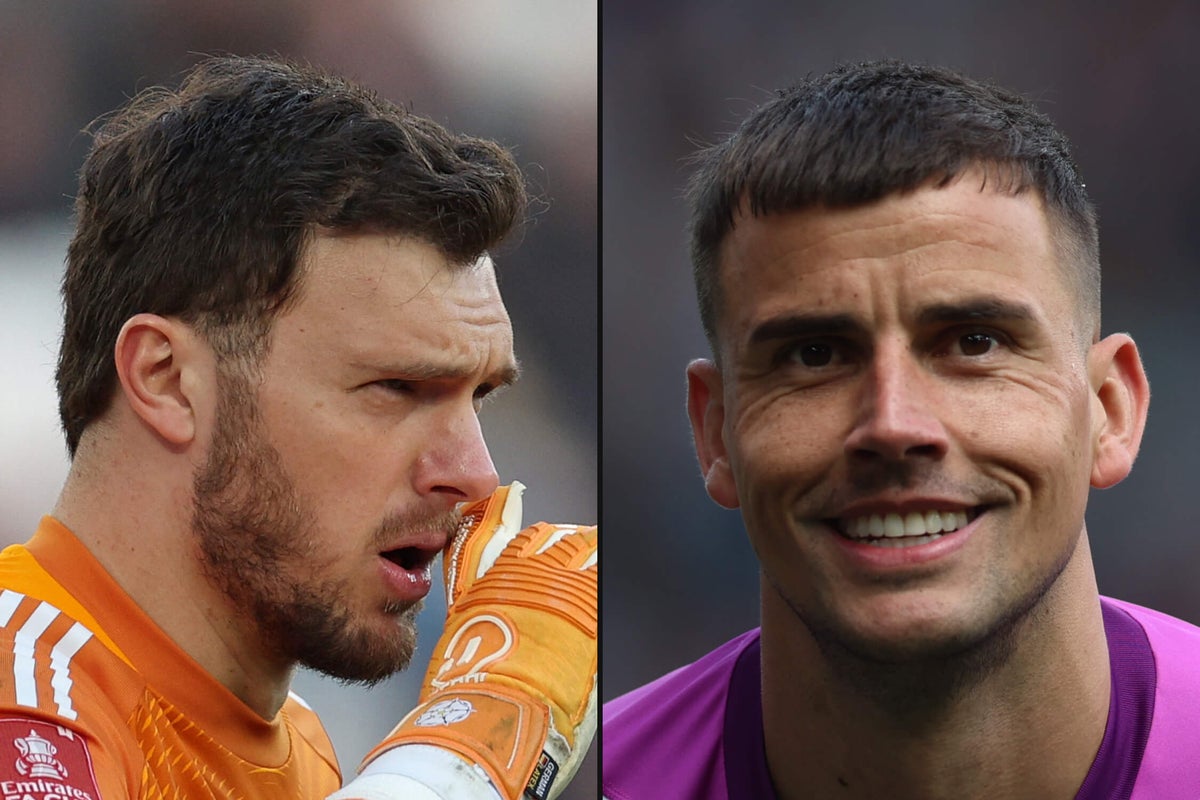
Karl Darlow just called Manchester United the biggest club in the world. Darlow, a 35-year-old Welsh international, completed a free transfer from Leeds United on July 9, 2026. His contract runs until June 2028, with a club option extending through June 2029. He arrives as a backup goalkeeper following the expected departure of Altay Bayindir, slotting into a depth role after making 38 appearances for Leeds since 2023.
The economics of a free transfer in modern football
Free transfers have become one of the most financially efficient tools in modern football. When Darlow’s contract at Leeds expired, Manchester United acquired a goalkeeper with Premier League experience without spending a single pound on a transfer fee. Fabrizio Romano gave this one the full “here we go” treatment in early July 2026, which says something about United’s ability to turn even a routine depth signing into a global news event.
Where football meets the financial frontier
While Darlow’s signing itself has no connection to digital assets or blockchain-based fan tokens, the broader landscape around major football clubs has been evolving rapidly. Several top-tier European clubs have launched fan tokens on platforms like Socios, generating new revenue streams and creating quasi-financial instruments tied to club engagement. Manchester United has been more cautious than some peers in this space.