Reading Time: 2 minutes
This article is adapted from AQ’s special report
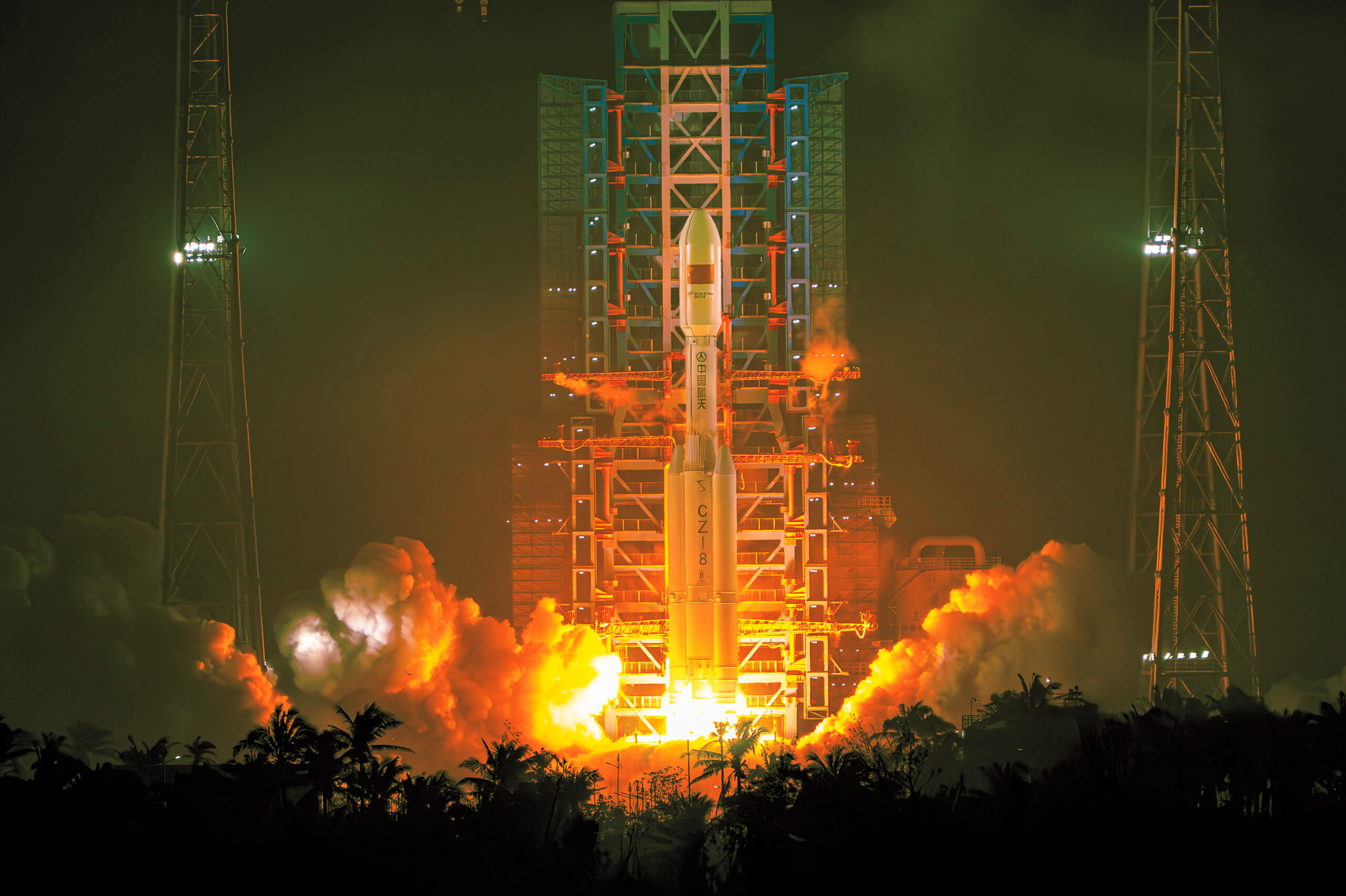
When Elon Musk’s SpaceX went public in June in a record-setting $75 billion share offering, it confirmed what investors had been betting on for years: The space industry is on the verge of a major boom. The global space economy could reach $1.8 trillion by 2035, nearly triple its value in 2023. And Musk, among others, has signaled that much of the upcoming expansion will occur outside of the U.S.
Increasingly, the search is leading south. As Juan Pablo Toro reports in this issue’s cover story, several Latin American countries are emerging as protagonists in the new space economy. Ecuador’s pitch, for example, is in its name: Sitting just two degrees south of the equator, where the planet spins fastest and rockets get a free boost toward orbit, Ecuador is courting investors with the promise of cheaper launches. Plans for spaceports are now on the table in Brazil, the Dominican Republic, Peru and Uruguay, while Argentina and Brazil already build satellites that help farmers assess crops and governments respond to disasters.
Space has also become a theater in the U.S.-China rivalry, with Washington pressing local governments not to host Chinese installations. The region, for its part, is determined to be more than a battleground. But fragile institutions, thin budgets and unforgiving technical demands stand between ambition and achievement.