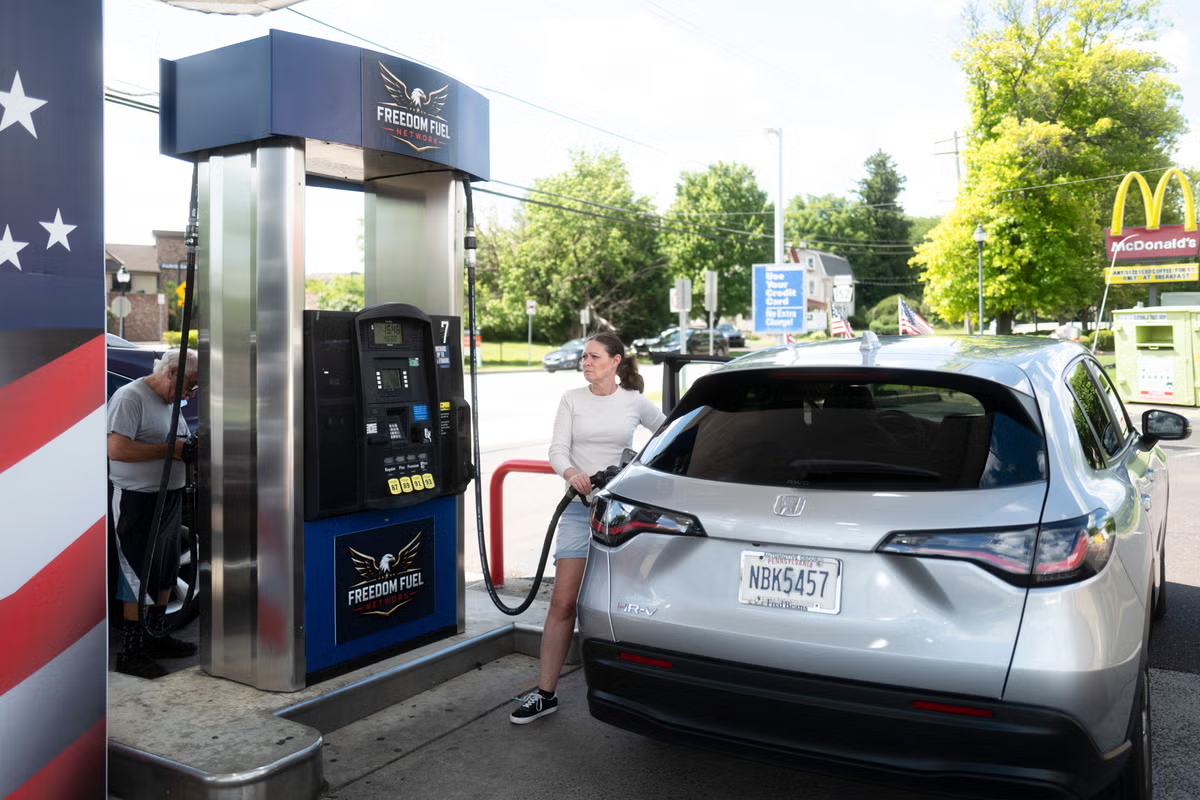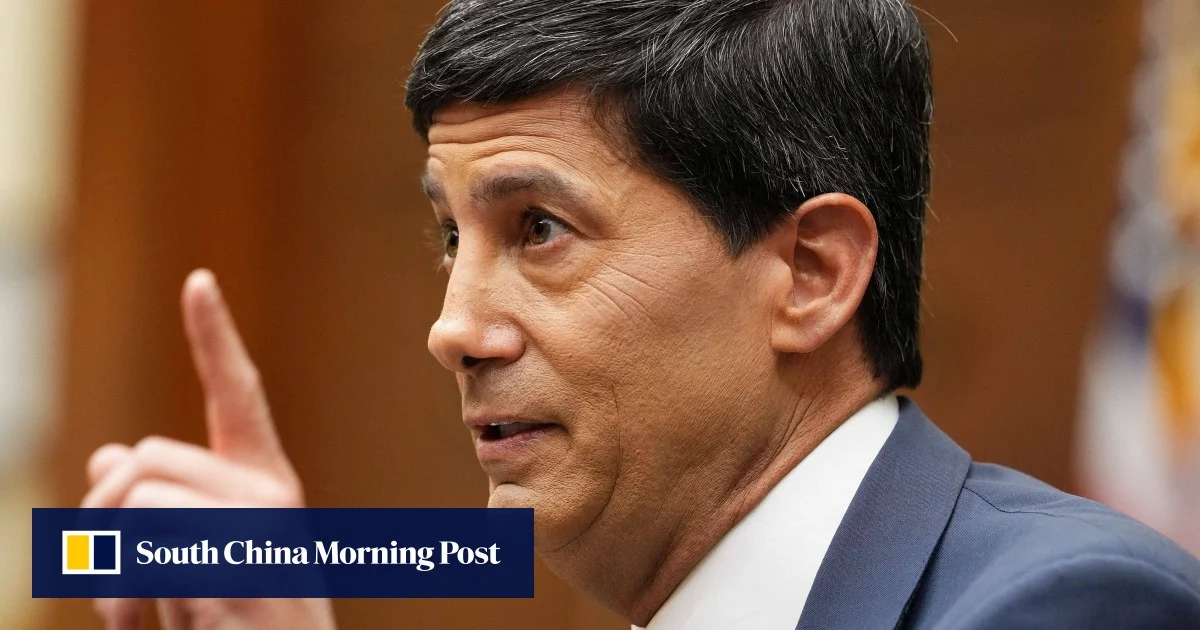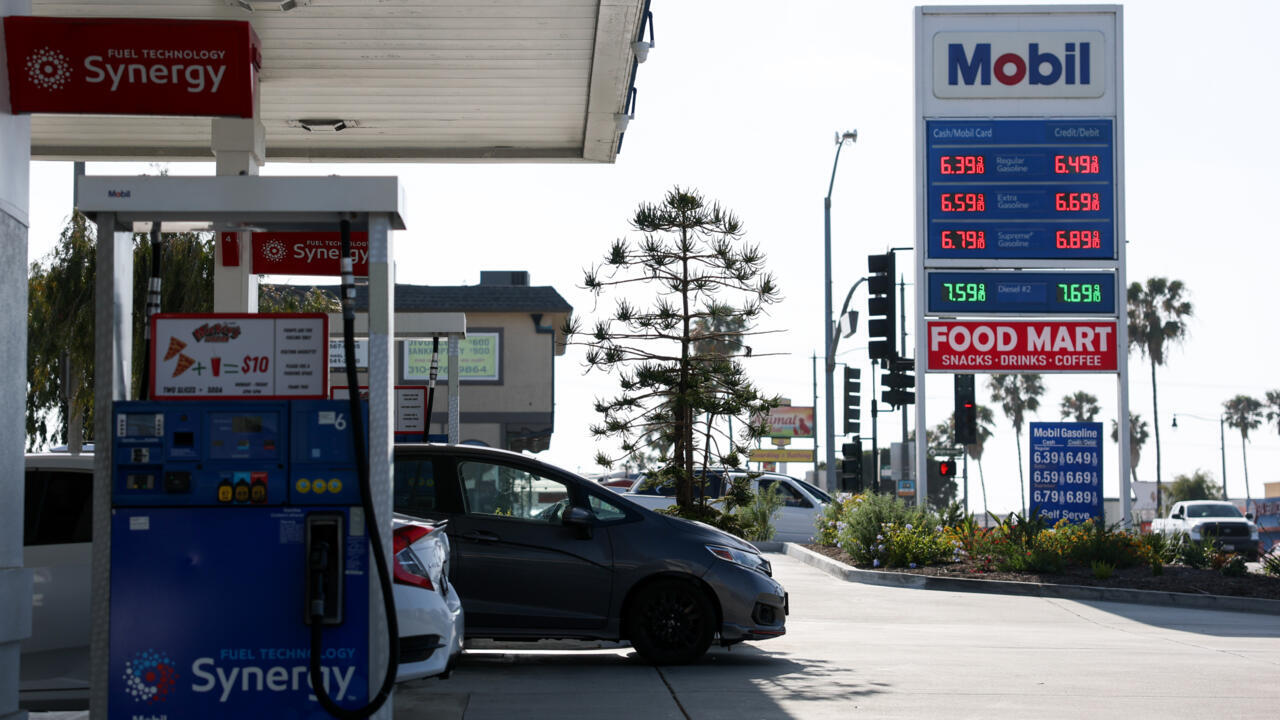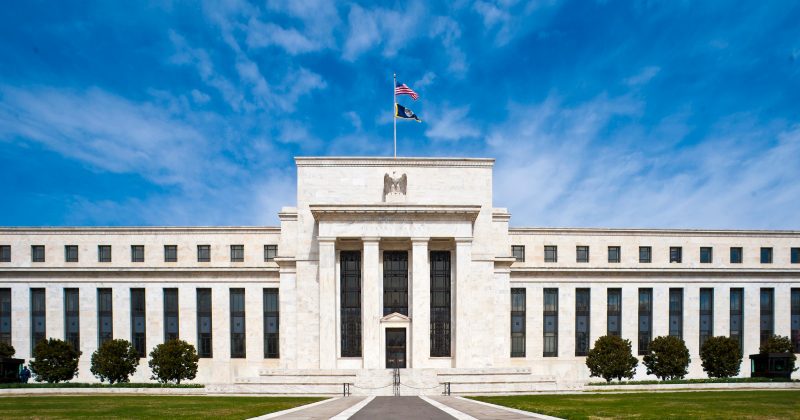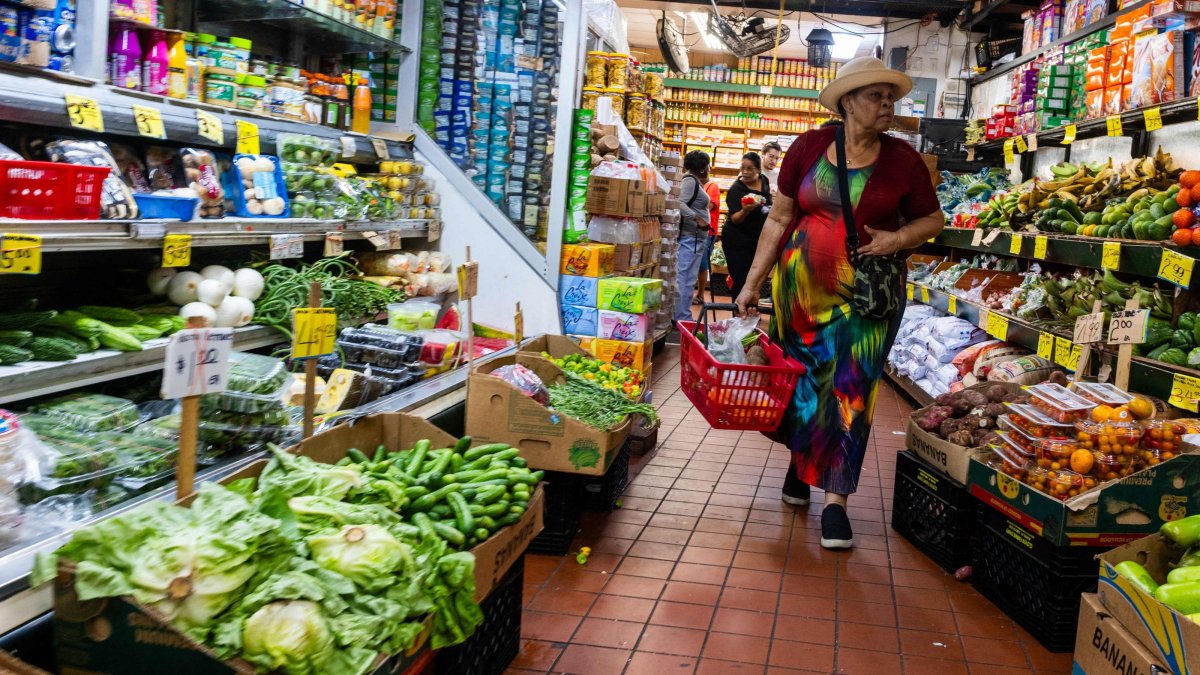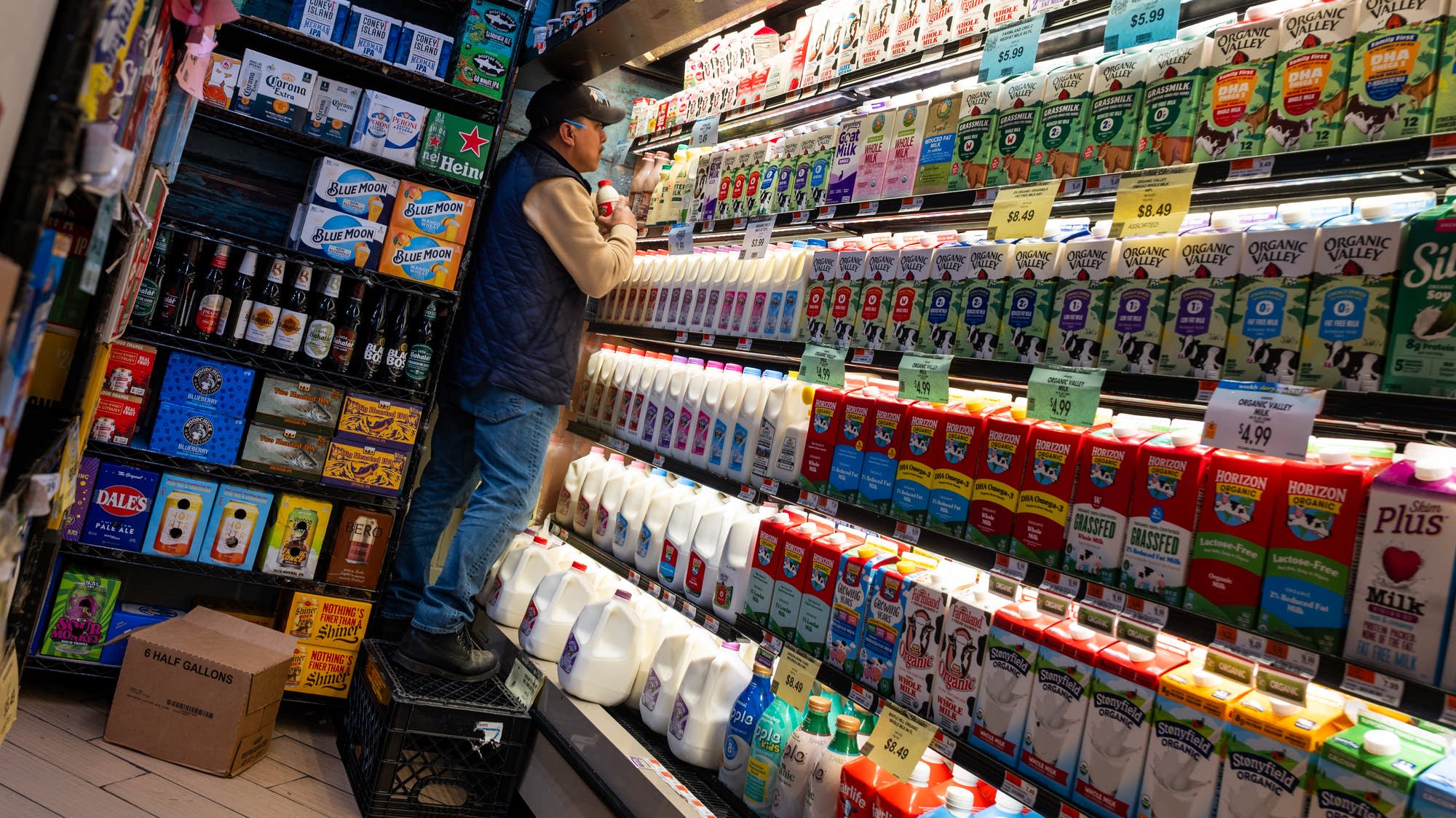
WASHINGTON – US consumer inflation slowed more than expected in June as energy prices retreated, but the moderation was insufficient to convince financial markets to take an interest rate increase from the Federal Reserve in 2026 off the table against the backdrop of renewed conflict in the Middle East.The consumer price index (CPI) from the Labor Department on July 14 also showed underlying inflation subsiding in June amid declines in the costs of motor vehicle insurance, communication, apparel, healthcare as well as used cars and trucks.Fed Chair Kevin Warsh in prepared remarks to lawmakers on July 14 said the US central bank had “no tolerance for persistently elevated inflation”.“It appears less likely that the Fed will raise rates over the next few meetings,” said Jeffrey Roach, chief economist at LPL Financial. “However, we may still be at an inflection point, given the risk that the energy shock could spill over into other categories of consumer prices. A positive resolution with Iran before the end of the summer is becoming increasingly important.”The CPI increased by a still-high 3.5 per cent in the 12 months through June after surging 4.2 per cent in May, which was the largest year-on-year rise since April 2023, data from the Labor Department’s Bureau of Labor Statistics showed on July 14.The CPI fell 0.4 per cent over the month, the first decline since April 2020, after advancing 0.5 per cent in May.Economists polled by Reuters had forecast the CPI rising 3.8 per cent year on year and dipping 0.1 per cent on a monthly basis.The pullback in the CPI mostly reflected a 5.7 per cent drop in energy prices, the largest monthly decline since April 2020, after rising 3.9 per cent in May as a fragile ceasefire between the US and Iran took hold in June. Petrol prices tumbled 9.7 per cent. That truce, however, collapsed last week after commercial tankers came under fire in the Strait of Hormuz, triggering military strikes between the United States and Iran.Petrol prices have reversed course as a result, with the national average rising to US$3.86 a gallon on July 14 from US$3.79 a week earlier, data from motorist advocacy group AAA showed. Petrol prices rose 26.7 per cent year on year.US stocks opened higher. The dollar slipped against a basket of currencies. US Treasury yields fell.Oil prices are rising againFurther increases are likely as oil prices rose to a four-week high on July 14 after the US reimposed a naval blockade of Iran.President Donald Trump said on July 13 the US would reinstate a blockade in the Strait of Hormuz, a vital route for global oil supplies, that has become one of the main battlegrounds of the conflict.Food prices rose 0.2 per cent, matching May’s gain. They advanced 3 per cent year on year in June.Grocery prices climbed 0.2 per cent, lifted by a 4.3 per cent jump in the cost of eggs and a 1.2 per cent increase in dairy products.But prices for non-alcoholic beverages fell 1.5 per cent, with coffee declining 2 per cent.Fruits and vegetables were 0.2 per cent cheaper. They, however, increased 5.3 per cent year on year.Excluding the volatile food and energy components, the CPI increased 2.6 per cent year on year in June after rising 2.9 per cent in May.So-called core CPI inflation was unchanged over the month, after gaining 0.2 per cent in May.Core inflation was restrained by a 2 per cent drop in motor vehicle insurance, which followed a 1.7 per cent decline in May.The cost of communication decreased 1.5% per cent over the month, while apparel prices fell 0.6 per cent.Prices for used cars and trucks slipped 0.2 per cent.The cost of shelter rose 0.1 per cent, the smallest monthly gain since January 2021.Owner’s equivalent rent increased 0.2 per cent, while prices for hotel and motel rooms dropped 2.3 per cent.The cost of recreation increased 0.5 per cent, while prices for household furnishings and operations rose 0.2 per cent, as did the cost of personal care.The US central bank tracks the personal consumption expenditures price indexes for its 2 per cent inflation target.Financial markets expected the central bank to leave its benchmark overnight interest rate unchanged in the 3.5 per cent to 3.75 per cent range in July.Traders, however, saw a 60 per cent chance of a rate hike in September.Inflation was last below 2 per cent in early 2021.Minutes of the Fed’s June 16 to June 17 meeting showed policymakers’ concerns about inflation mounted that month. REUTERS
US consumer inflation slows, but Fed rate hike likely
US consumer inflation slowed more than expected in June, but this may not deter the Federal Reserve from raising interest rates due to ongoing geopolitical conflicts. Read more at straitstimes.com. Read more at straitstimes.com.
747 words~3 min read