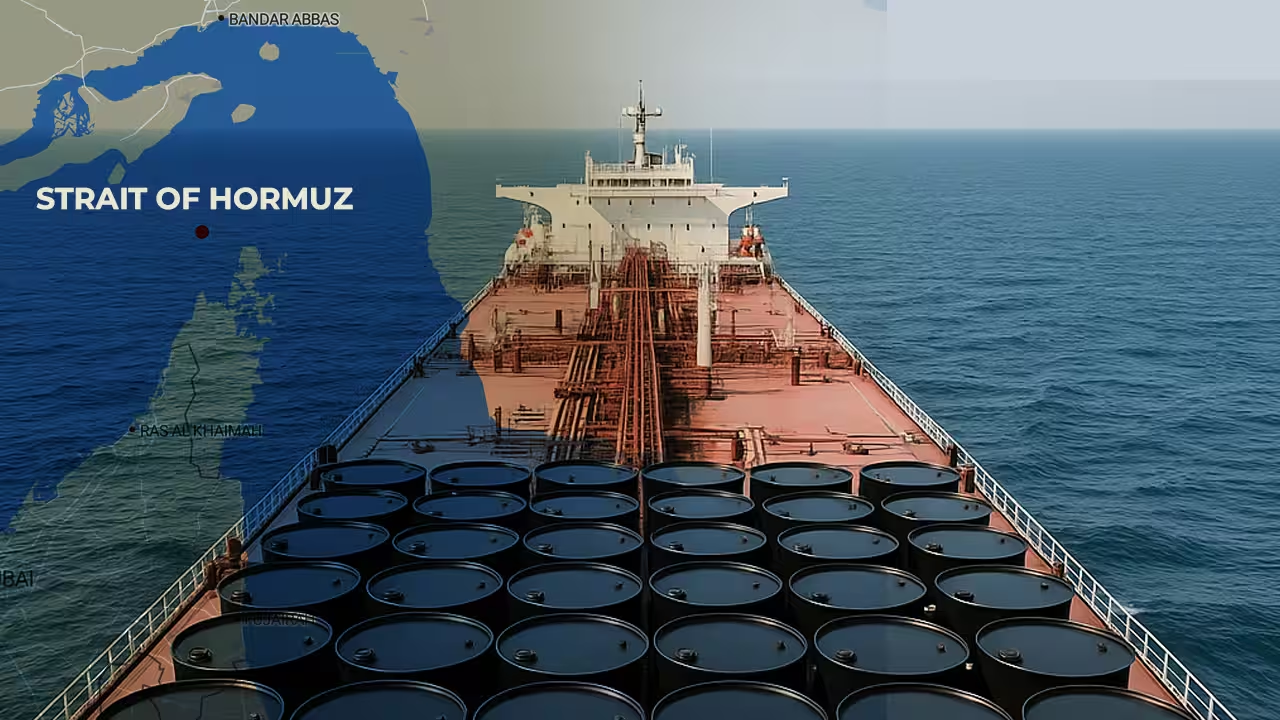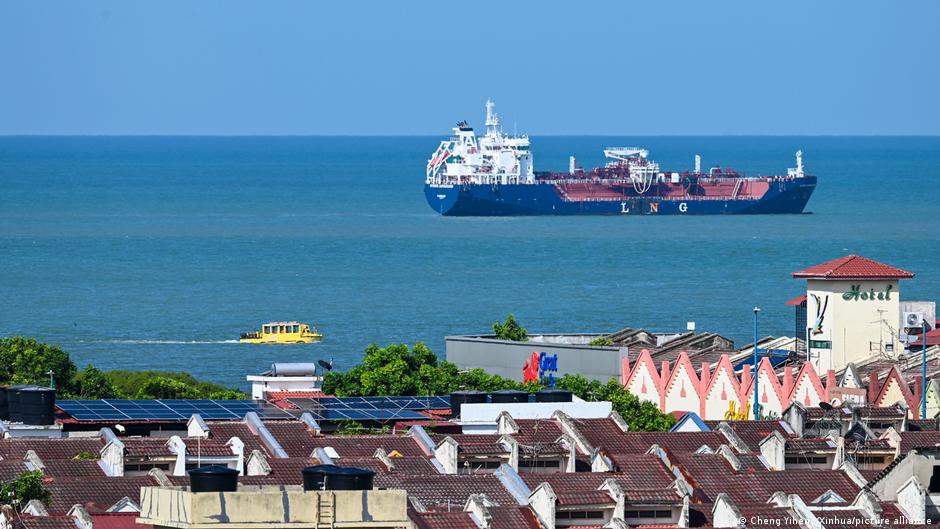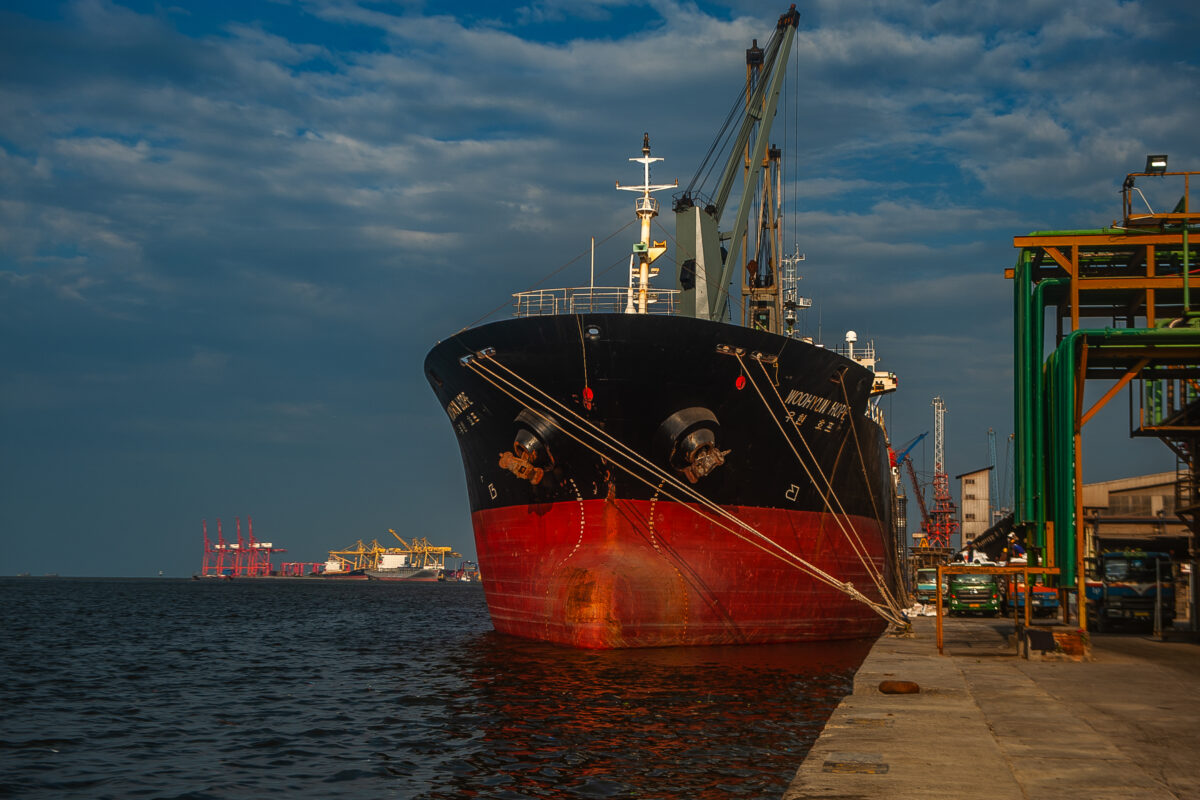
Iran’s plan to introduce fees for ships passing through the Strait of Hormuz has inspired Indonesian policymakers to jest, and others to seriously suggest, that the country was contemplating similar measures for the Strait of Malacca and its archipelagic sea lanes. Across both facetious and real assertions, the Strait of Malacca has been popularly equated with the Strait of Hormuz — a misleading assertion that overstates the indispensability of Indonesia’s surrounding waters.
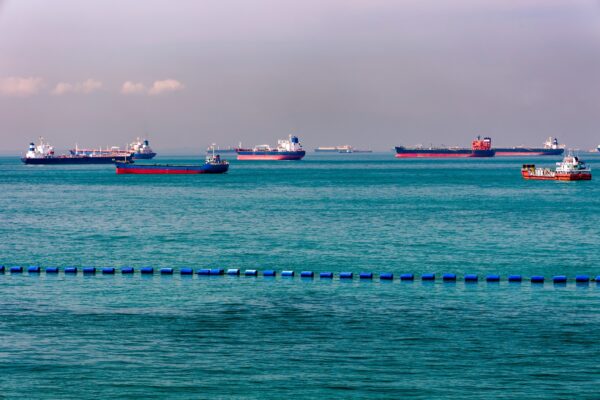
There is no question that both straits are vital bottlenecks in international trade. Ships carrying oil and natural gas from the resource-rich countries of the Middle East must pass through the Strait of Hormuz. Similarly, ships carrying goods, oil and gas transit the Strait of Malacca and Indonesia’s archipelagic sea lanes to expeditiously reach their suppliers and consumers across Europe, Africa and South Asia.
But there are key differences that make fees in the Strait of Hormuz a much more unnerving prospective than any hypothetical fees Indonesia could impose in the Strait of Malacca. The Persian Gulf is surrounded by land, and several Gulf states rely on the Strait of Hormuz for maritime transit, making Iran’s leverage over the Strait absolute. Though Oman controls half of the Strait, Iran is still willing and capable to exert its control over the Omani half, forcing risk-averse ships to avoid sailing through the strait entirely.