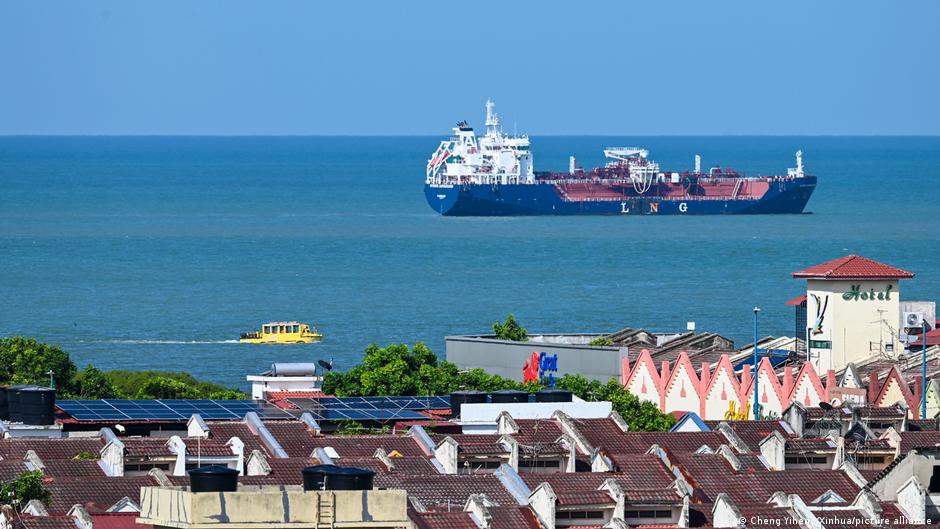
Could imposing a toll to pass through the Strait of Malacca, the narrow stretch of water that connects the Indian Ocean with the Pacific, be a profitable business?
Indonesia's Finance Minister Purbaya Yudhi Sadewa seemed to float the idea at the end of April. "If we split it three ways between Indonesia, Malaysia, and Singapore, that could be quite something, right?" he said.
He later clarified that he was not being entirely serious after Indonesian Foreign Minister Sugiono said that his country supported the freedom of navigation and would not be imposing tolls on vessels passing through the strait, which runs between Indonesia, Malaysia, and Singapore.
Nonetheless, the remark raised the specter of maritime traffic being misused for geopolitical leverage, not just in the Strait of Hormuz, but in other waterways, too. "The closure of the Strait of Hormuz has forced policymakers in Asia to face questions over the security of other maritime chokepoints," wrote the Reuters news agency.
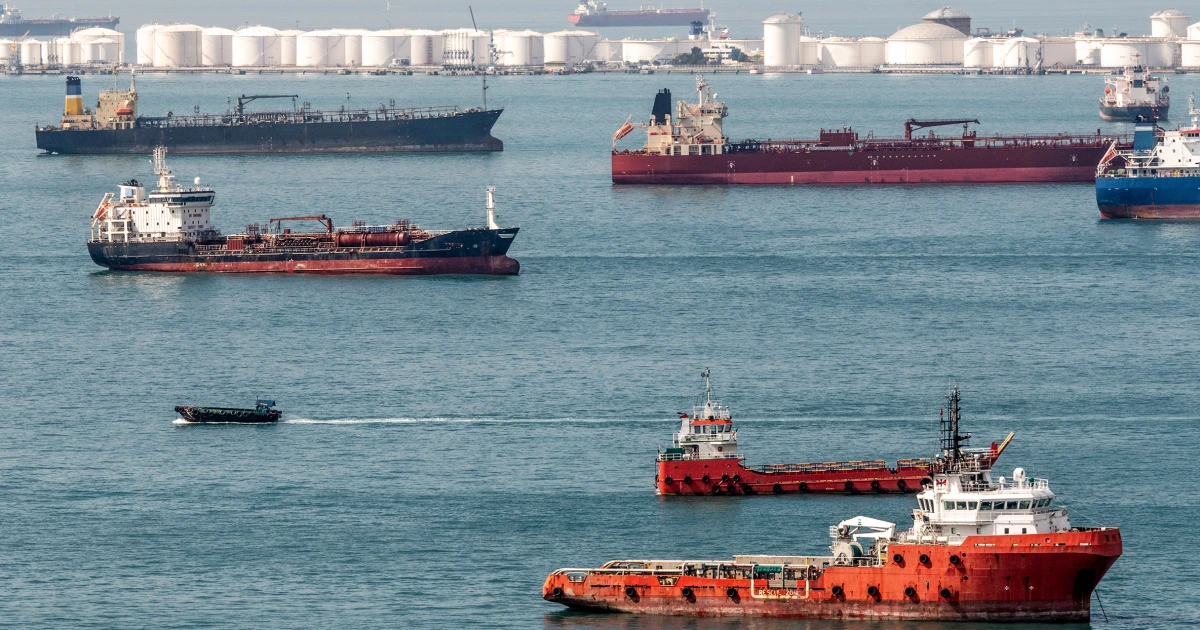
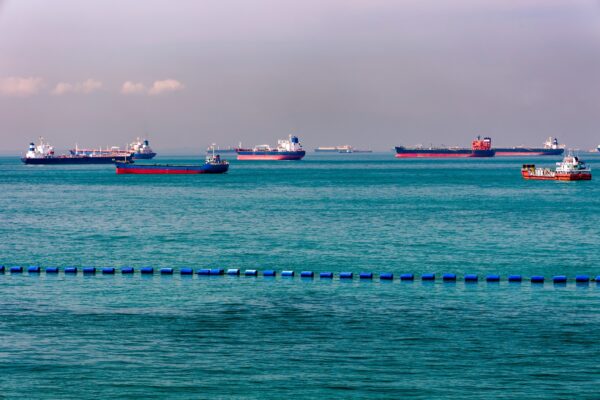
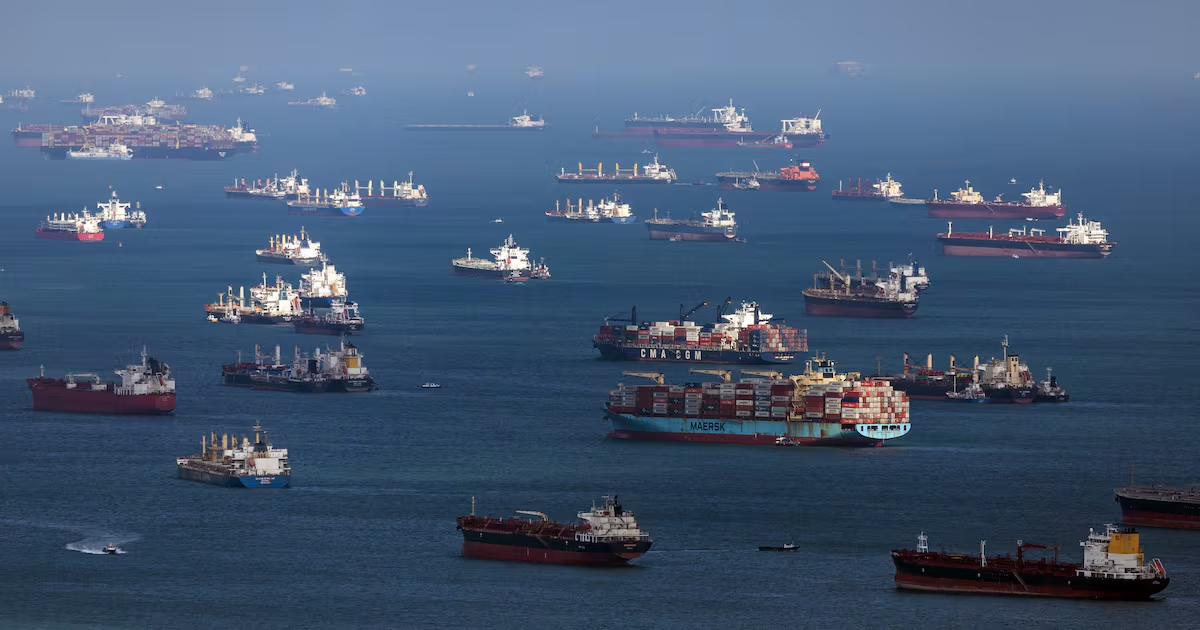
The Strait of Malacca is of particular concern. This is the most important shipping route between East Asia, the Middle East, and Europe, accounting for around 22% of international maritime trade.