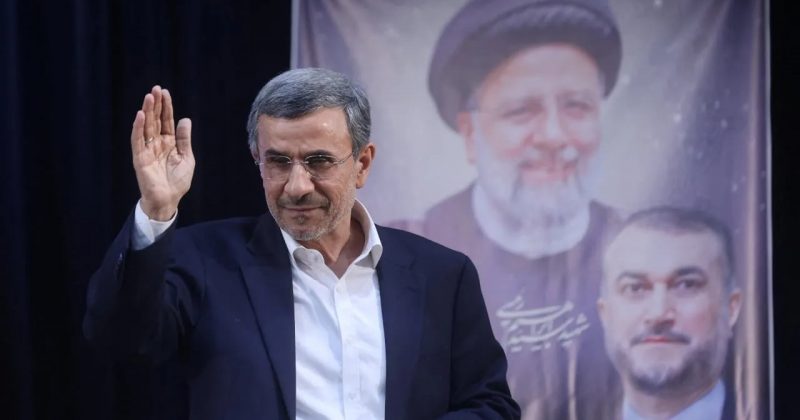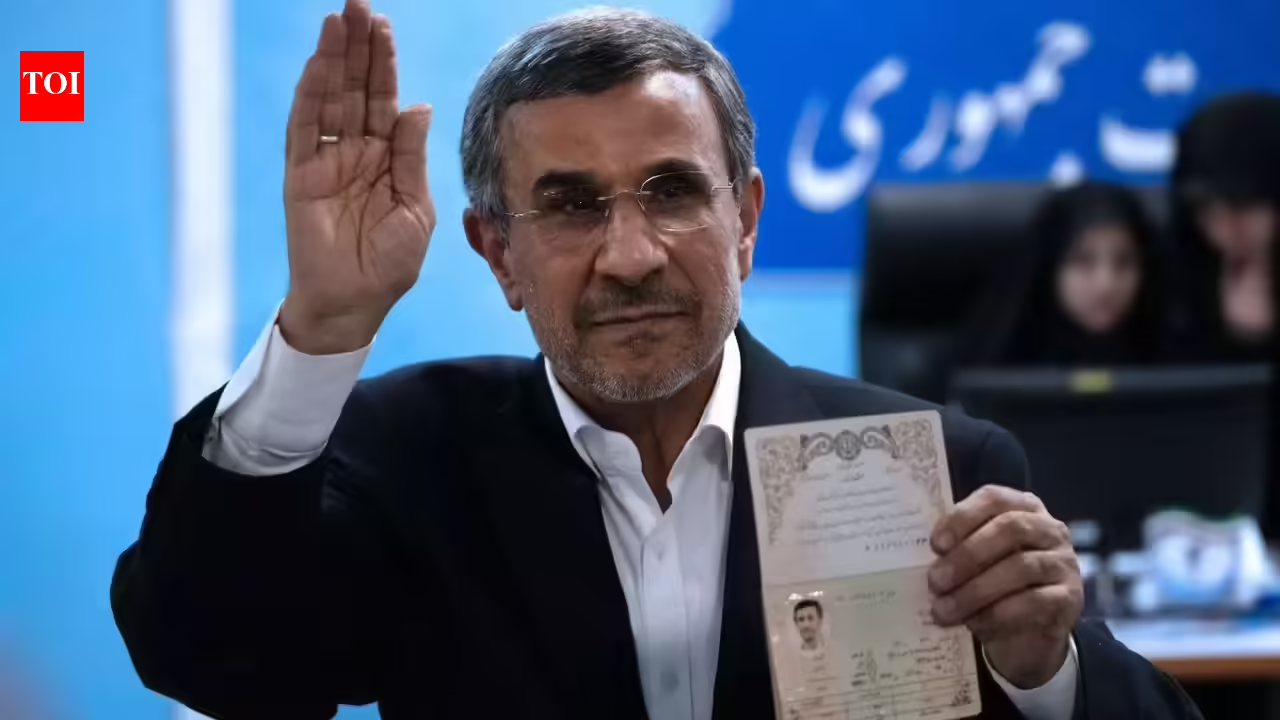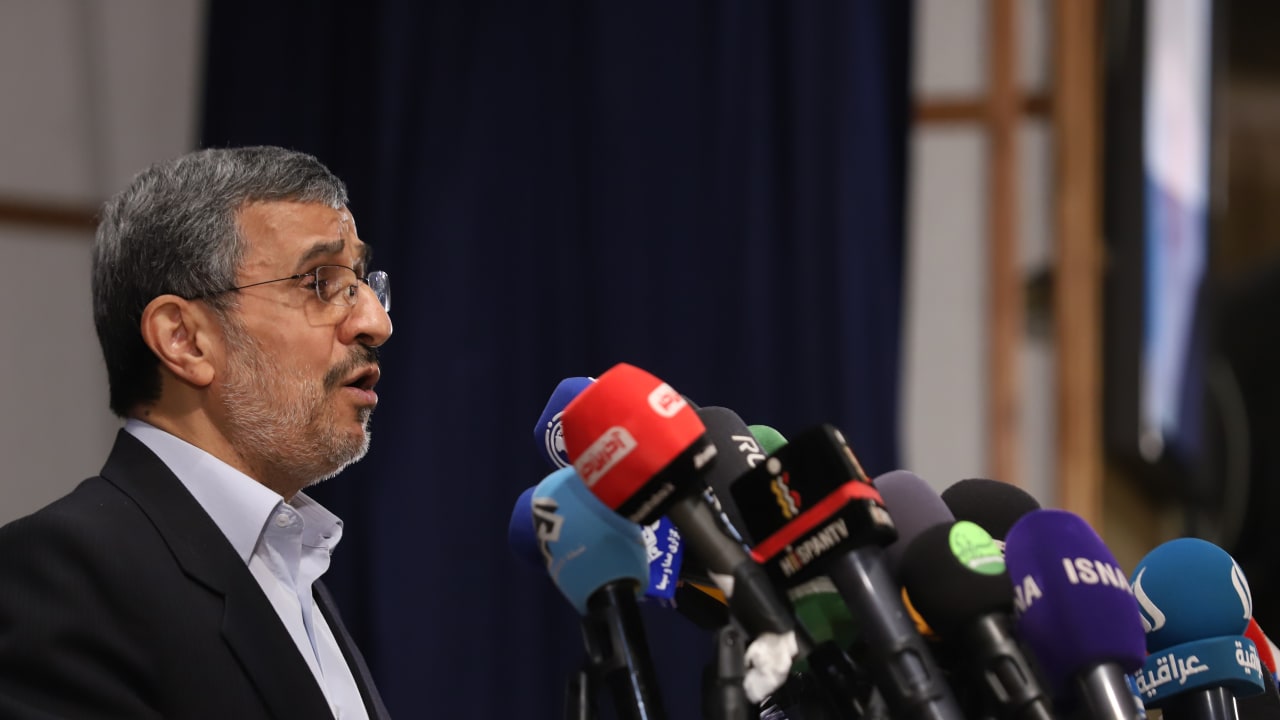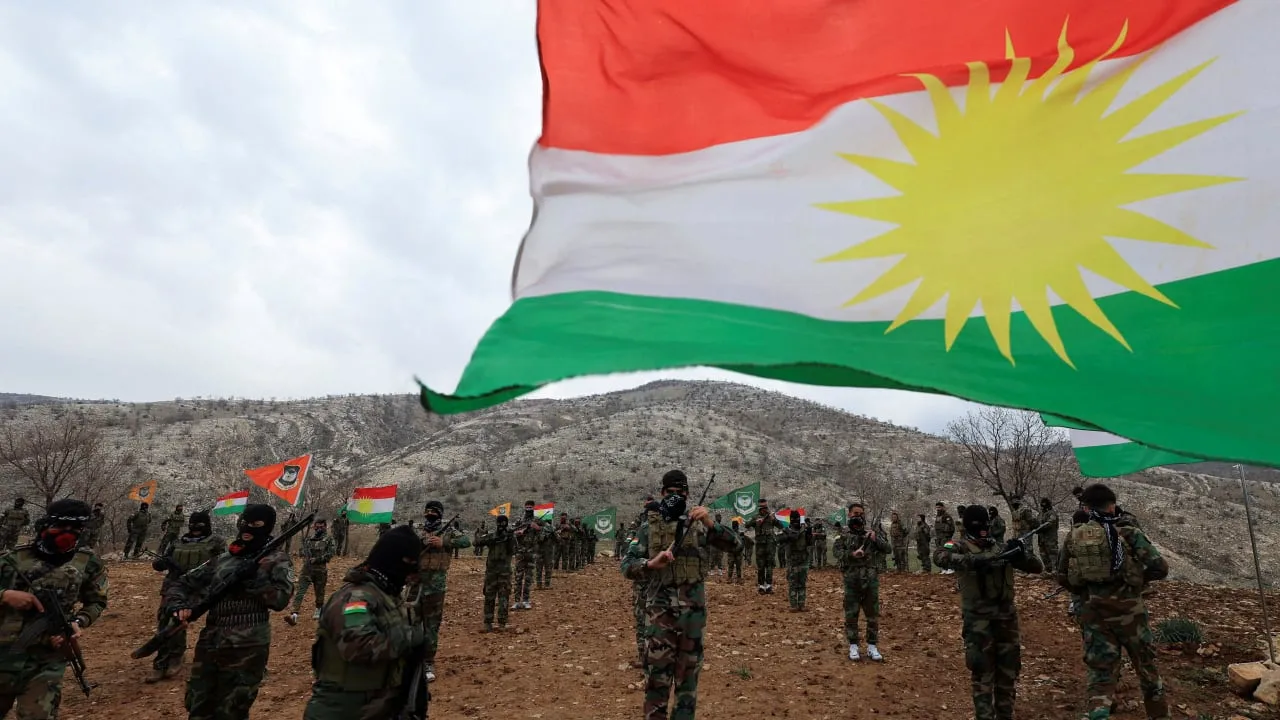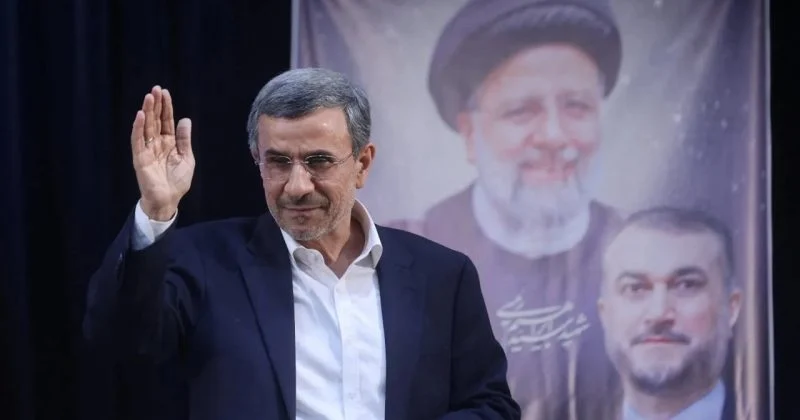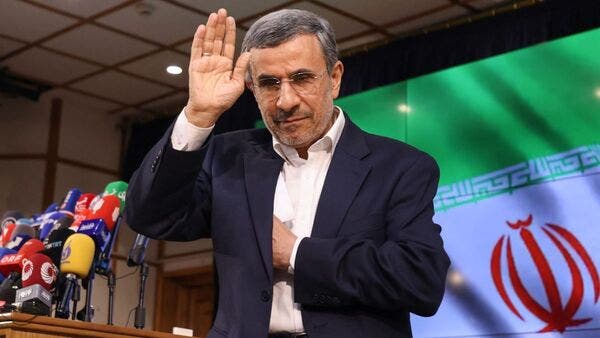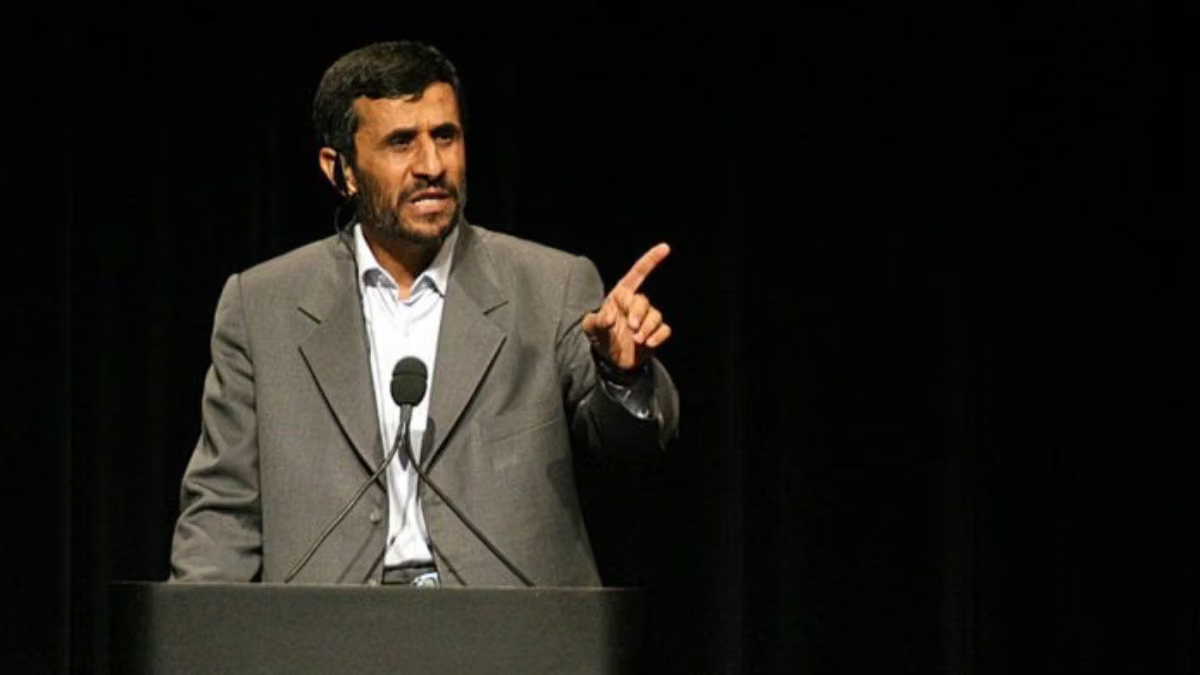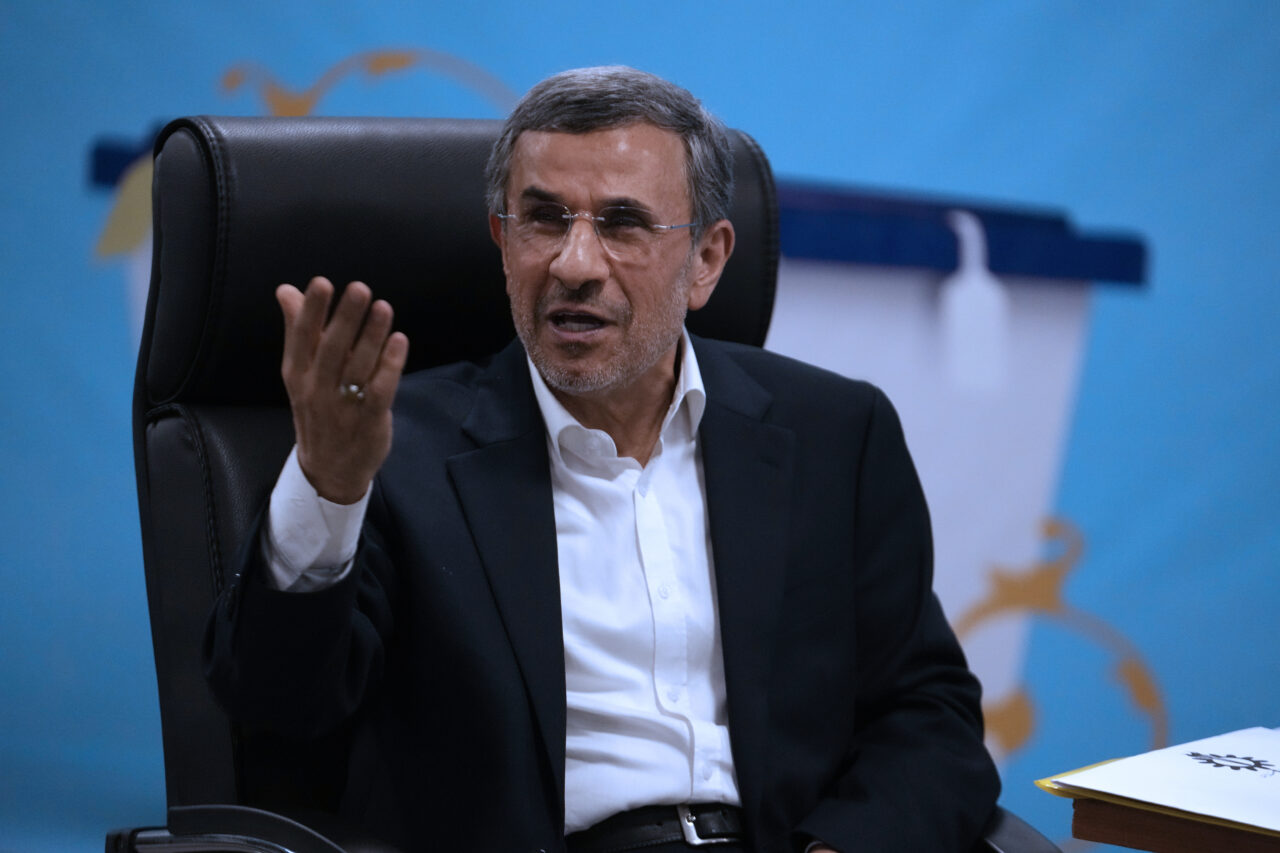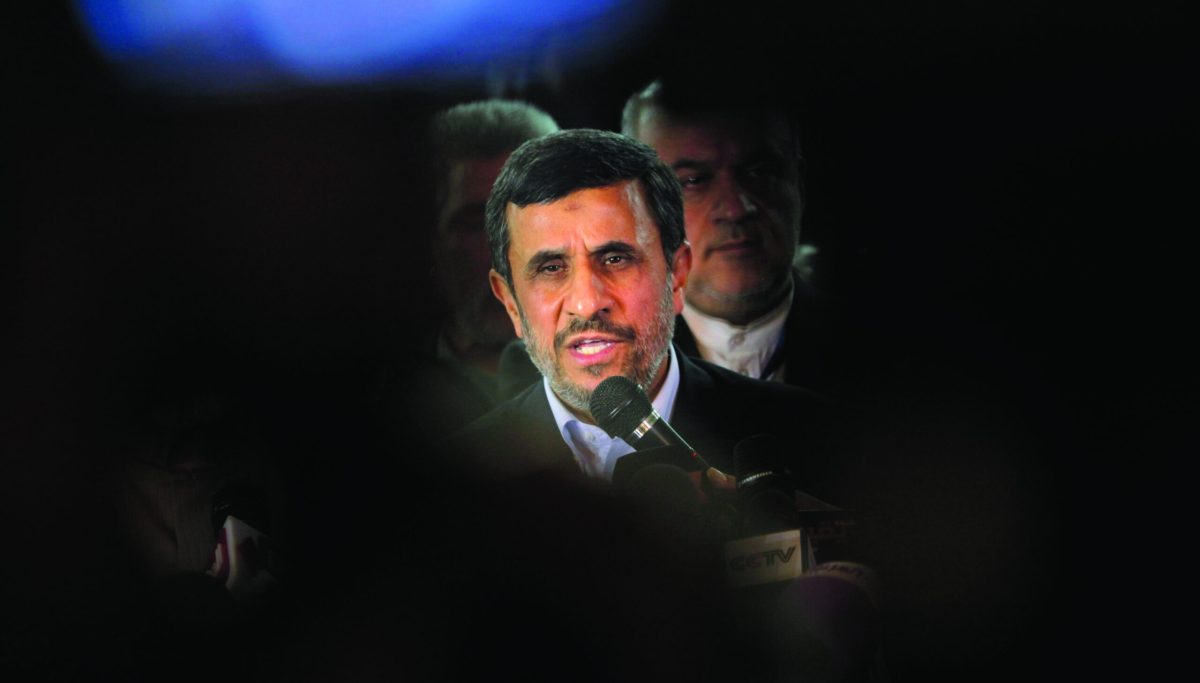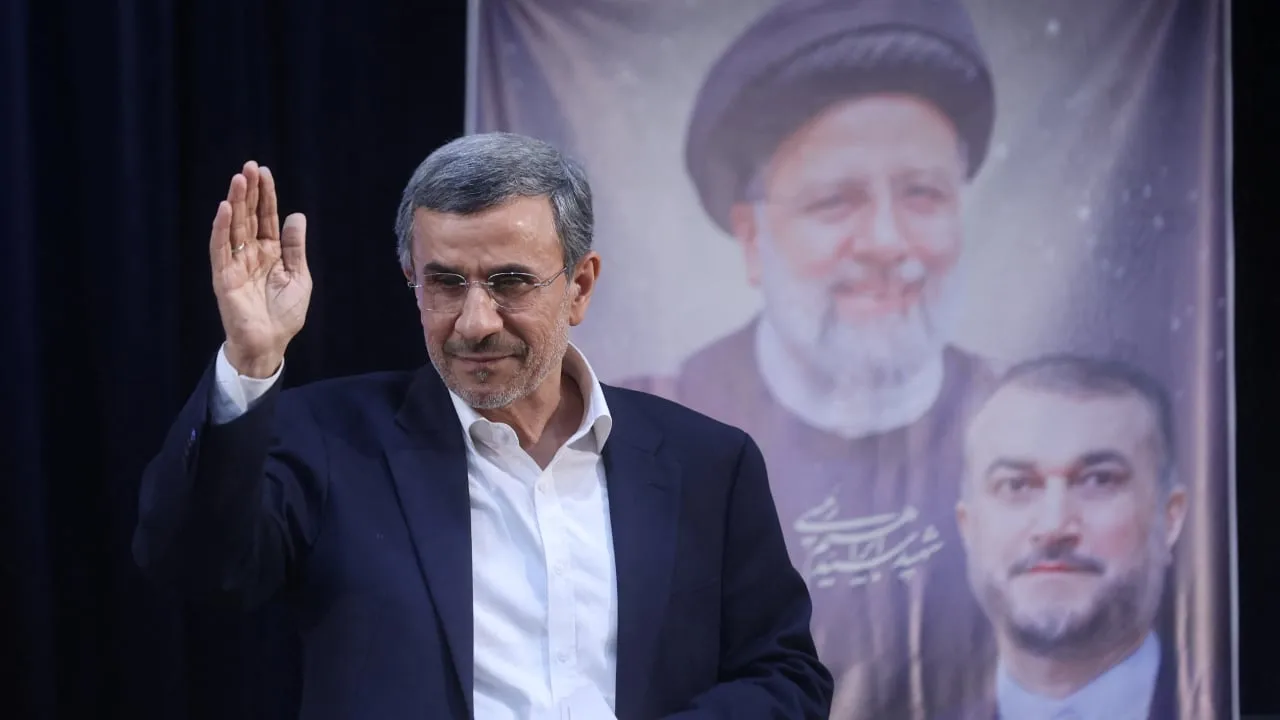
ByYONAH JEREMY BOBJULY 14, 2026 15:50The New York Times publication on Monday of meticulously detailed Mossad plans to recruit, pick up, and prepare former Iranian president Mahmoud Ahmadinejad to take over the Islamic Republic from the current regime raised a new question: Was the Ahmadinejad plan a success or a failure?Between foreign reports, public confirmation by former head of Military Intelligence Tamir Hayman, and The Jerusalem Post's own Western sources, it has been known now for some time that the Mossad sought to replace Ayatollah Ali Khamenei with Mahmoud Ahmadinejad.The New York Times had previous, more speculative reports on the issue which were eventually confirmed by Hayman to the PBS network, and which created the space for the Post to receive confirmation, though Israeli journalists often cannot publish all that they know.From the perspective of the end of the story, with Ahmadinejad under house arrest, the details of the plan blown out into the open, likely by American sources seeking to block future Israeli adventurism (as they see it) with regime change in Iran, and the Islamic Revolutionary Guard Corps still firmly in control of the country - the plot was an abject failure, clouding other recent successes.But from an Israeli perspective, if the US had acted differently, everything might have gone differently.Former Iranian president Mahmoud Ahmadinejad at former supreme leader Ali Khamenei's funeral, July 6, 2026. (credit: SECTION 27A COPYRIGHT ACT)Hayman had told PBS, “Regarding Ahmadinejad, there was a sequence of special operations, very, very unique that was supposed to happen. And Ahmadinejad was a part of that sequence. The rest of the operations are not fully disclosed to the public, except for the Kurdish invasion.”Questioned why the plan to replace Khamenei with Ahmadinejad failed, Hayman replied: “Because the centerpiece of all the sequence should have been started with the Kurdish invasion. According to what was published is that Erdogan, who really considered the Kurdish as a strategic threat to the stability of Turkey, convinced Trump that it's a bad idea to give the Kurds a state. And backing the Kurds goes against the interest of Turkey. And I think that had something to do with the decision of Trump to cancel this operation.”US was originator of using Kurds to topple Iran's regimeSources close to former Mossad chief David Barnea previously told the Post that in many ways, the US was the originator of the idea of toppling the Islamic regime by using the Kurds to initiate an internal ground thrust. In fact, in 2003, the Americans had already used the Kurds in joint operations to help bring down Saddam Hussein in Iraq.These sources emphasized that many of the same Kurds involved in that historic ground operation and who entered Baghdad – including Massoud Barzani, the first man who entered Hussein’s palace – were the ones who Israel was hoping to activate against Iran’s Islamic regime.Both the Iraqi and Iranian Kurds have significant fighting capabilities, without additional training beyond what they had already received, according to sources. Utilizing the Kurds in the 2026 war would have saved the US from deploying and endangering its own ground forces.In that respect, Israeli sources viewed this concept as something that should be even easier to swallow for Washington.Stunningly, Israel was prepared to provide the Kurds not only with a no-fly zone, but with continuous aerial firepower to help them advance against any Iranian force that would have tried to assemble to block their path forward.Weapons that the Kurds received both from the US and the Mossad – many of which were “re-tasked” after the IDF captured the arms from Hamas in Gaza or from Hezbollah in Lebanon, and training the Kurds received from Israelis, enabled the fighters to be fully ready to go.There is a debate regarding whether US President Donald Trump was convinced to veto the operation by some of his own top officials, or by Turkish President Recep Tayyip Erdogan.Even within Israel, some officials doubted that such an operation would work.But Mossad officials and sources close to Barnea said that most of the agencies’ operations require faith, and that the spymasters have already pulled off a long list of operations that have boggled the imagination.Although CIA director John Ratcliff has been reported as having taken a strong position against the Kurdish intervention, Mossad sources have said that he never told Israelis that he was against it.Furthermore, they note the public reports that the CIA provided the Kurds with weapons, meaning that the American clandestine agency acted in ways that could have helped the operation happen.Israeli sources have accused American officials within the White House of leaking the plan to Erdogan to help the Turkish president get to Trump in time to stop the operation before it could be rolled out.It is also noteworthy that during the war, the IDF started to bomb the Iranian regime and Basij forces in the Kurdish areas, as the IDF publicized.However, while the IDF later said that 100% of “critical” and “essential” targets had been struck, the Post has learned that possibly only around 10% of the targets to help the Kurds strike the Iranian regime forces were actually hit.These targets were not included in the broader operation numbers, because they were considered part of a separate stage of the war that never fully kicked in. In this plan, about eight million Kurds, and many other minorities such as the Sunnis and the Baluchis, could have been brought into the regime-toppling effort, like an avalanche.No strikes on Iran's heart, energy sector complicated planAnother piece of the plan which Trump vetoed was Israeli strikes on the heart of Iran's and the regime's energy sector and remaining economic power.Trump allowed Israel a bit of leeway in this area, but then slammed the door shut in the most public way possible.What would have happened with Ahmadinejad if the Kurds had been allowed to go forward, the IDF had struck the other 90% of targets related to the Kurdish operation, and the air force had been allowed to take out more of the regime's energy sector and power?The New York Times leaves the impression that Ahmadinejad was unhappy with the operation to spring him from his home and that he broke with his Israeli recruiters over that and the overall state of the war.But what if the overall state of the war had gone differently if all of the Israeli plans had been allowed to go forward?Might Ahmadinejad himself have stayed on plan against the Iranian regime?If so, then the entire saga has a different look.It would mean that the Mossad pulled off one of the most brilliant recruiting approaches in history, turning Israel's once greatest enemy against his own regime.It would mean that the agency secured Ahmadinejad physically at the precise moment necessary to utilize him to help overthrow the Islamic regime.It would mean that the agency may have only failed in the sense that Trump did not allow its full plans to play out, leaving its biggest failure not that Ahmadinejad and the rest might not have worked, but that it did not see that Trump would scrap key large parts of the program.Until top Israeli and American officials come forward on the record, some of this will remain a mystery.But rushing to judgment in the meantime about whether the Ahmadinejad plan was a success or failure may be premature.Follow us on Google
Mossad Ahmadinejad plan might have worked if other plans weren't vetoed by Donald Trump | The Jerusalem Post
Would the former Iranian president Ahmadinejad have overthrown the Iranian regime if Trump had not vetoed Kurds and energy attack ops?
1,226 words~6 min read