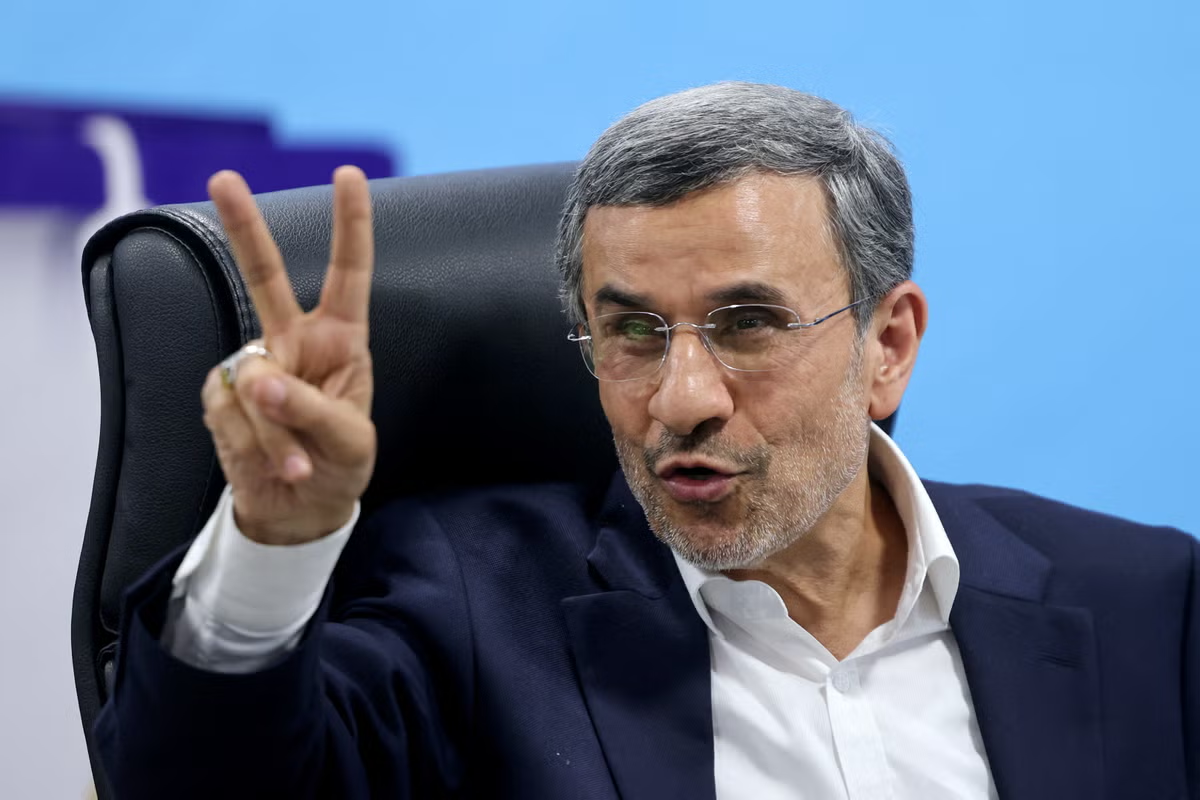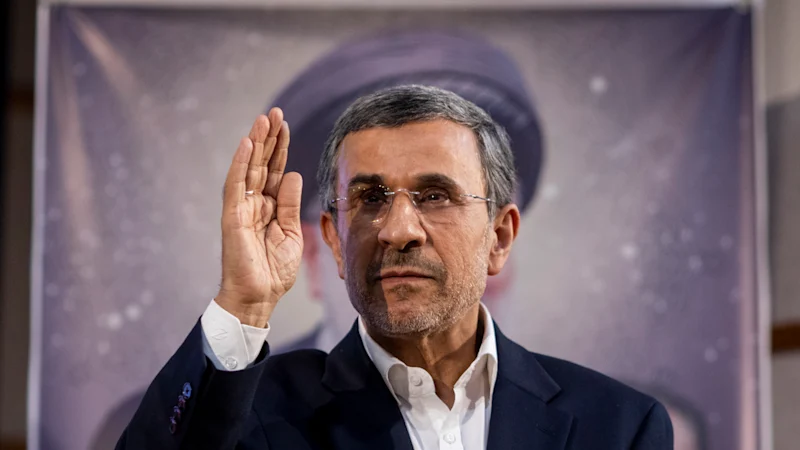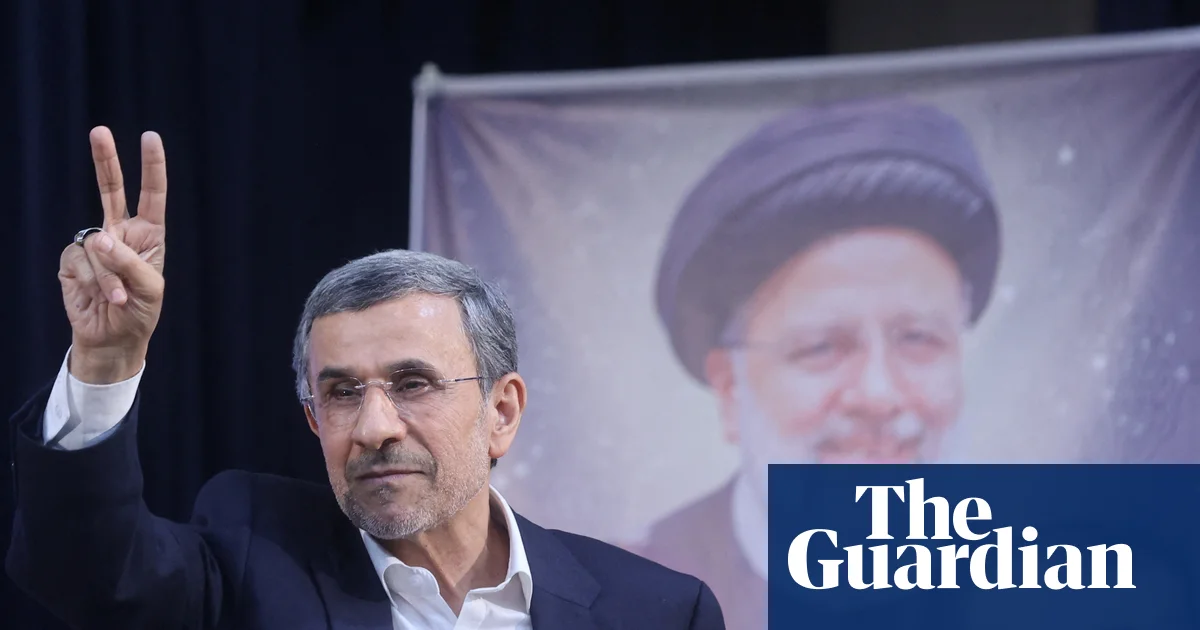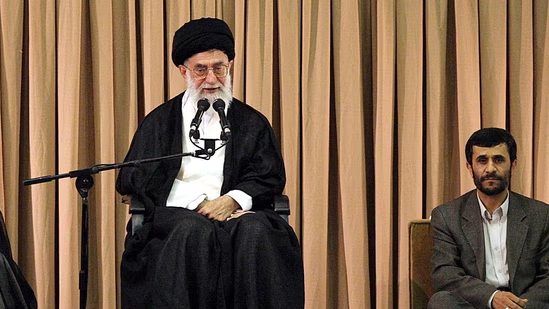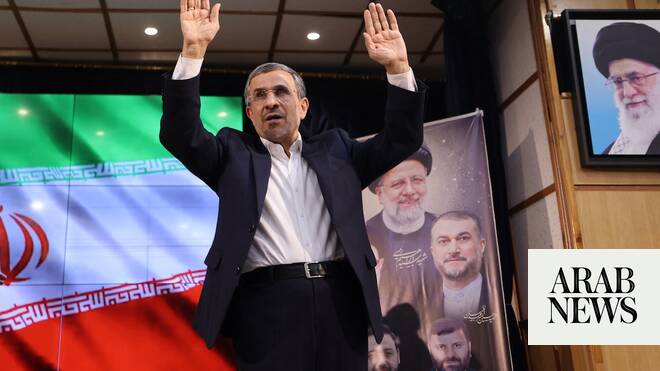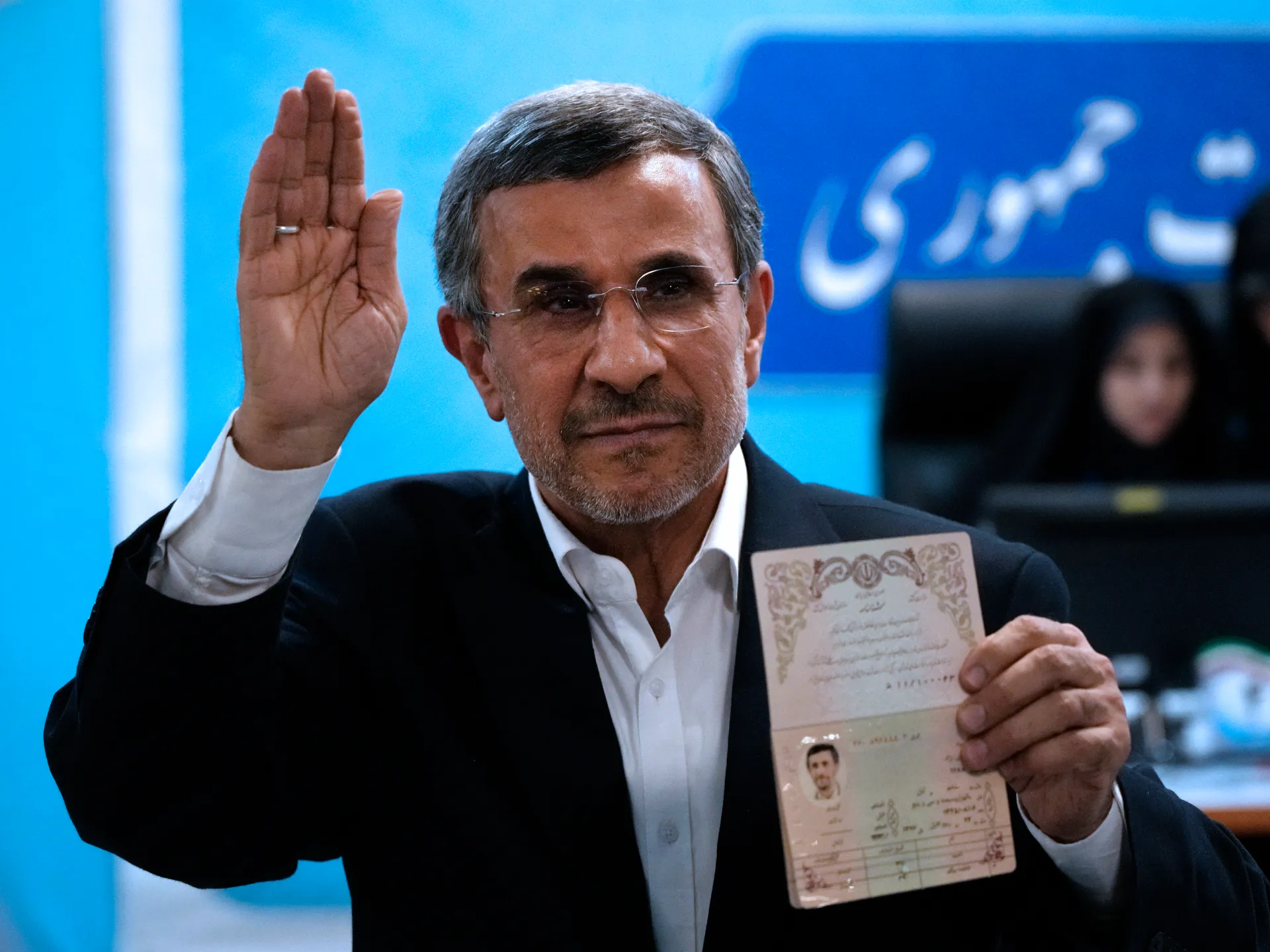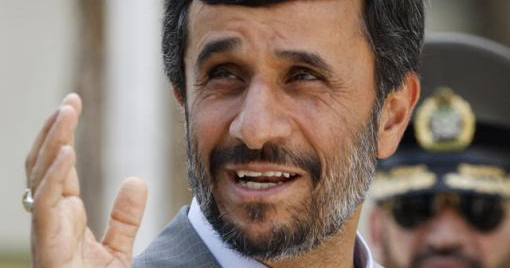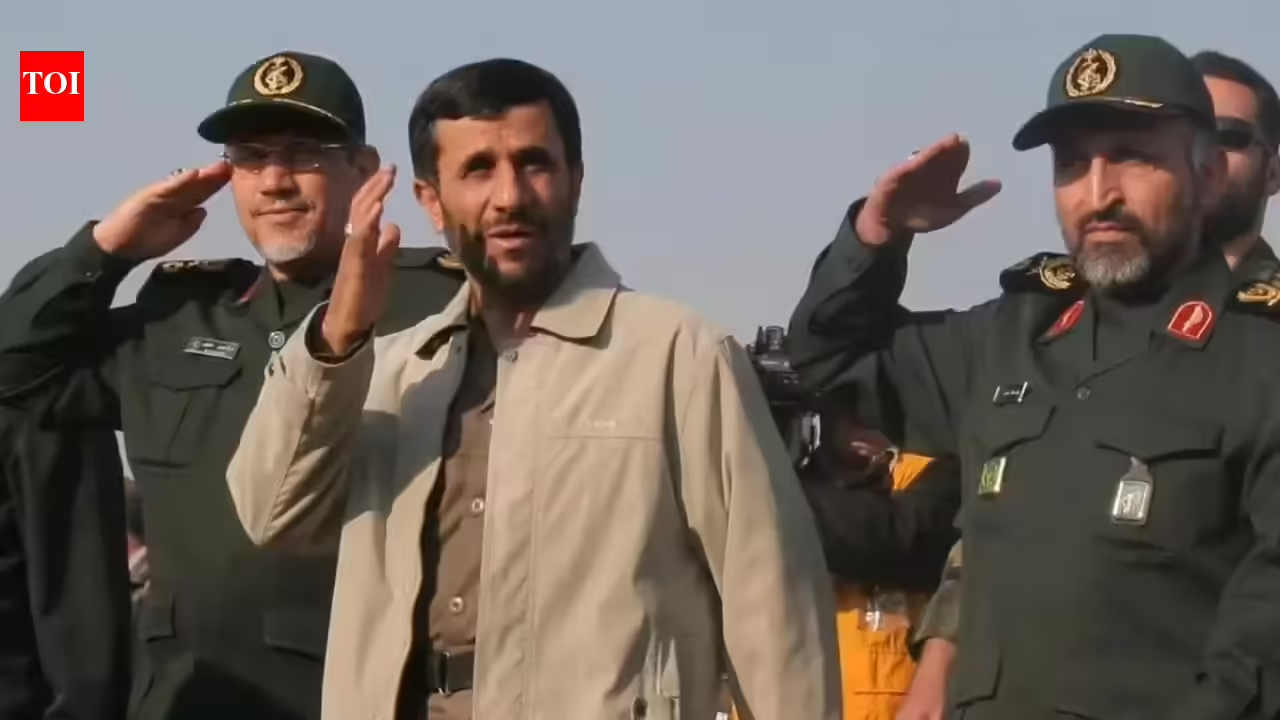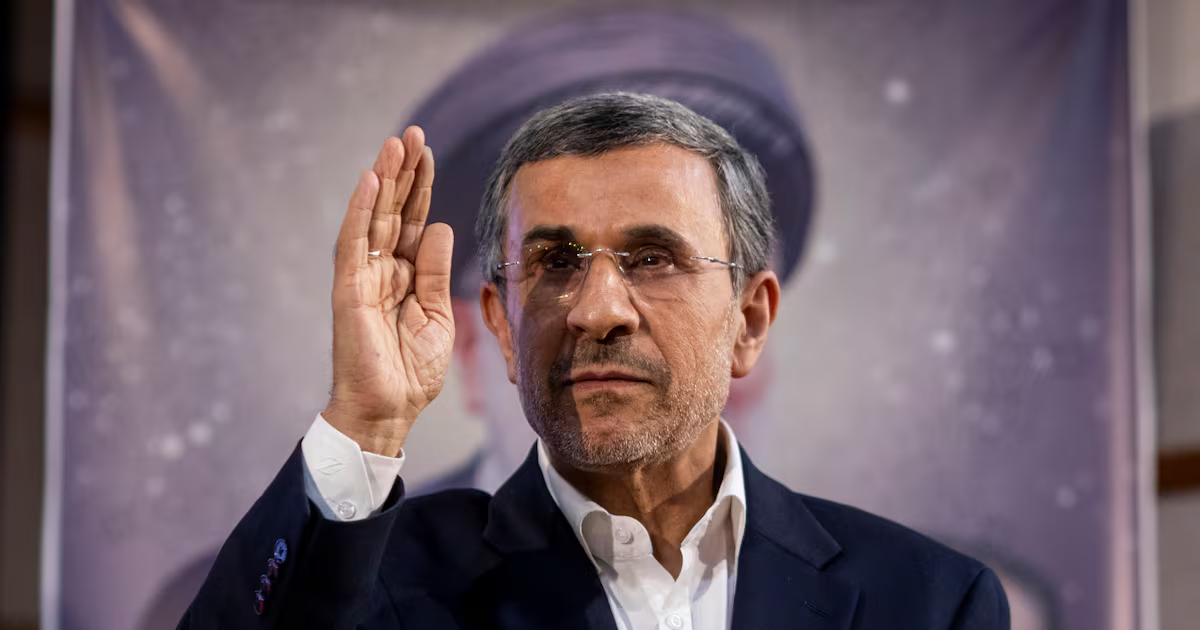
Days after Israeli strikes killed Iran’s supreme leader and other top officials in the opening salvos of the war, US president Donald Trump mused publicly that it would be best if “someone from within” Iran took over the country.It turns out that the United States and Israel went into the conflict with a particular and very surprising someone in mind: Mahmoud Ahmadinejad, the former Iranian president known for his hardline, anti-Israel and anti-American views.But the audacious plan, developed by the Israelis and which Ahmadinejad had been consulted about, quickly went awry, according to the US officials who were briefed on it.Ahmadinejad was injured on the war’s first day by an Israeli strike at his home in Tehran that had been designed to free him from house arrest, the US officials and an associate of Ahmadinejad’s said. He survived the strike, they said, but after the near miss he became disillusioned with the regime change plan.He has not been seen publicly since then and his current whereabouts and condition are unknown.To say that Ahmadinejad was an unusual choice would be a vast understatement. While he had increasingly clashed with the regime’s leaders and had been placed under close watch by Iranian authorities, he was known during his term as president, from 2005 to 2013, for his calls to “wipe Israel off the map”. He was a strong supporter of Iran’s nuclear programme, a fierce critic of the United States and known for violently cracking down on internal dissent.How Ahmadinejad was recruited to take part remains unknown.The existence of the effort, which has not been previously reported, was part of a multistage plan developed by Israel to topple Iran’s theocratic government. It underscores how Trump and Israeli prime minister Binyamin Netanyahu went into the war not only misjudging how quickly they could achieve their objectives but also gambling to some degree on a risky plan for leadership change in Iran that even some of Trump’s aides found implausible. Some US officials were sceptical in particular about the viability of putting Ahmadinejad back into power.“From the outset, president Trump was clear about his goals for Operation Epic Fury: destroy Iran’s ballistic missiles, dismantle their production facilities, sink their navy, and weaken their proxy,” Anna Kelly, a White House spokeswoman, said in response to a request for comment about the regime change plan and Ahmadinejad. “The United States military met or exceeded all of its objectives, and now, our negotiators are working to make a deal that would end Iran’s nuclear capabilities for good.”A spokesperson for Mossad, the Israeli foreign intelligence agency, declined to comment.US officials spoke during the early days of the war about plans developed with Israel to identify a pragmatist who could take over the country. Officials insisted there was intelligence that some within the Iranian regime would be willing to work with the United States, even if those people could not be described as “moderates”.Smoke rises in the distance in Tehran, following a US-Israeli air strike in late February. Photograh: Arash Hhamooshi/The New York Times Trump was enjoying the success of the raid by US forces to capture Venezuela’s leader, Nicolás Maduro, and the willingness of his interim replacement to work with the White House – a model that Trump appeared to think could be replicated elsewhere.In recent years, Ahmadinejad has clashed with regime leaders, accusing them of corruption, and rumours have swirled about his loyalties. He was disqualified from numerous presidential elections, his aides were arrested and Ahmadinejad’s movements were increasingly restricted to his home in the Narmak section of eastern Tehran.That US and Israeli officials saw Ahmadinejad as a potential leader of a new government in Iran is further evidence that the war in February was launched with the hopes of installing more pliable leadership in Tehran. Trump and members of his cabinet have said that the goals of the war were narrowly focused on destroying Iran’s nuclear, missile and military capabilities.There are many unanswered questions about how Israel and the United States planned to put Ahmadinejad in power, and the circumstances surrounding the air strike that injured him. US officials said the strike – carried out by the Israeli air force – was meant to kill the guards watching over Ahmadinejad as part of a plan to release him from house arrest.[ Israeli outposts in Iraq desert kept secret for monthsOpens in new window ]On the first day of the war, Israeli strikes killed Ayatollah Ali Khamenei, Iran’s supreme leader. The strike at Khamenei’s compound in central Tehran also blew up a meeting of Iranian officials, killing some officials whom the White House had identified as more willing to negotiate over a change in government than their bosses.There were also initial reports at the time in the Iranian media that Ahmadinejad had been killed in the strike on his home.The strike did not significantly damage Ahmadinejad’s house at the end of a dead-end street. But the security outpost at the entrance to the street was struck. Satellite imagery shows that building was destroyed.In the days that followed, official news agencies clarified that he had survived but that his “bodyguards” – in actuality Revolutionary Guard members who were both guarding him and holding him under house arrest – were killed.An article in The Atlantic in March, citing anonymous associates of Ahmadinejad’s, said the former president had been freed from government confinement after the strike at his house, which the article described as “in effect a jailbreak operation”.After that article, an associate of Ahmadinejad‘s confirmed to The New York Times that Ahmadinejad saw the strike as an attempt to free him. The associate said the US viewed Ahmadinejad as someone who could lead Iran, and had the capability to manage “Iran’s political, social and military situation”.After Ahmadinejad left office he gradually became something of an open critic of the theocratic government, or at least at odds with Khamenei. Photograph: Chang W Lee/The New York Times
How a secret US plan to install Ahmadinejad as Iran’s leader quickly fell apart
An Israeli strike was designed to free the former Iranian president from house arrest. It injured him instead
1,834 words~8 min read