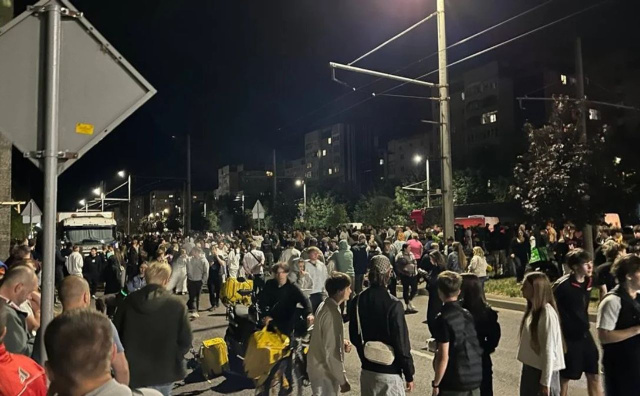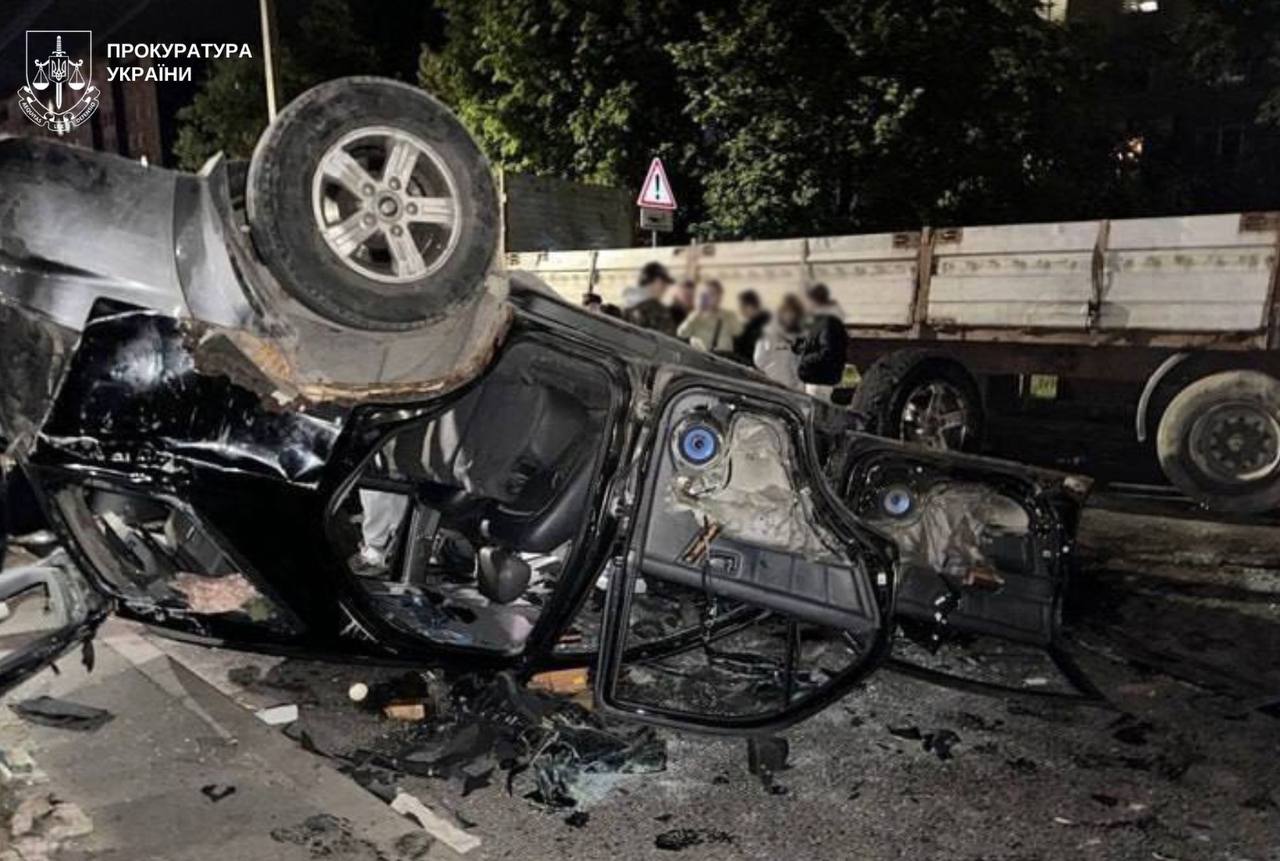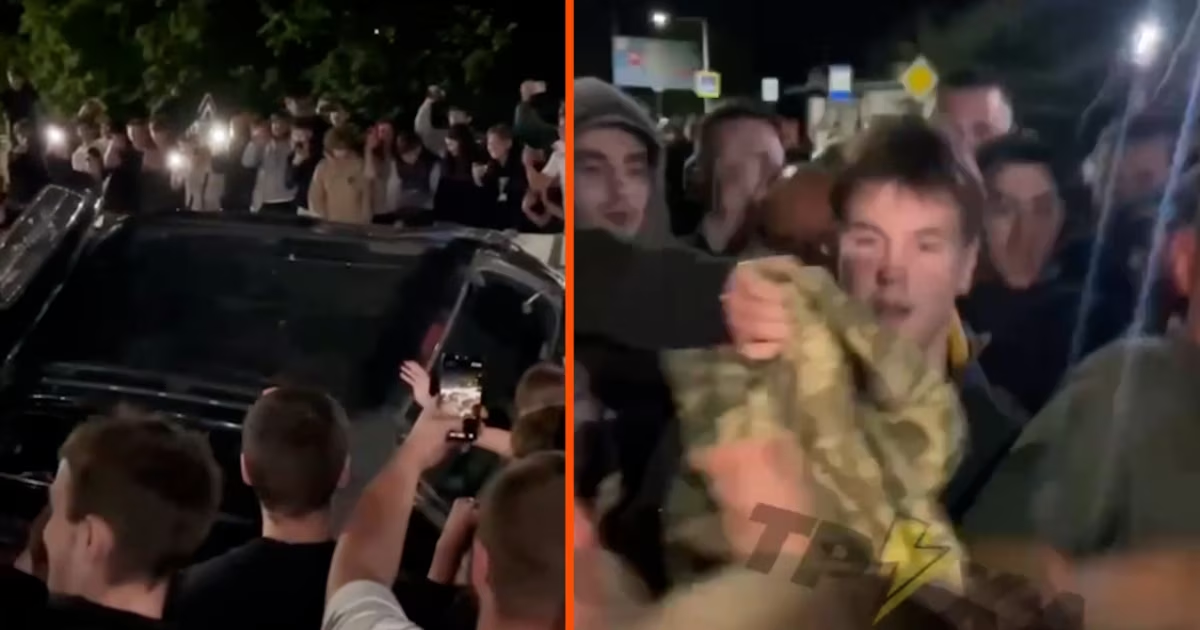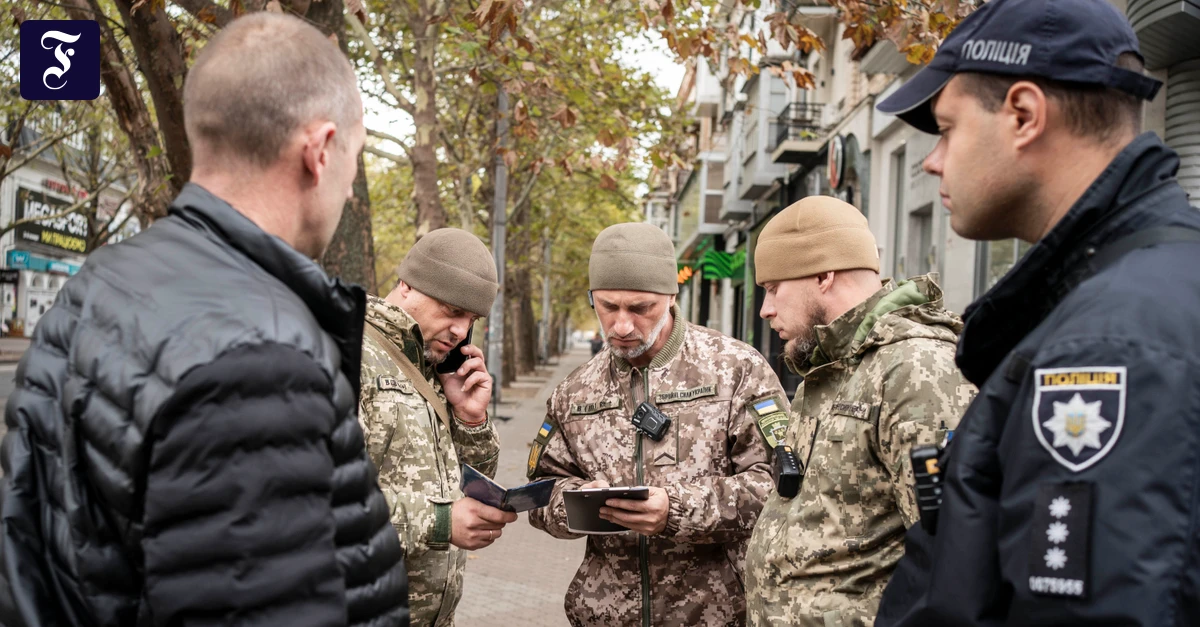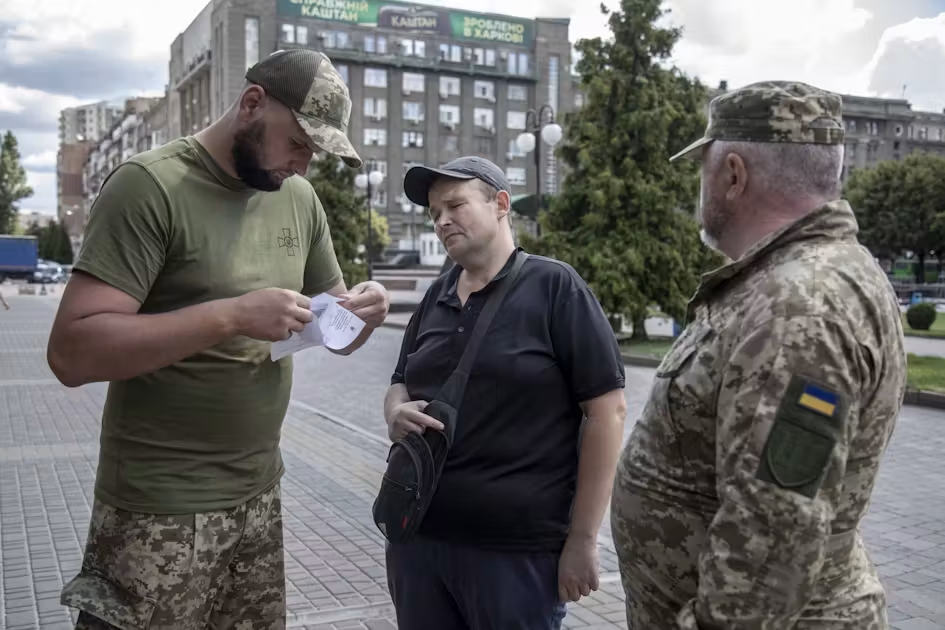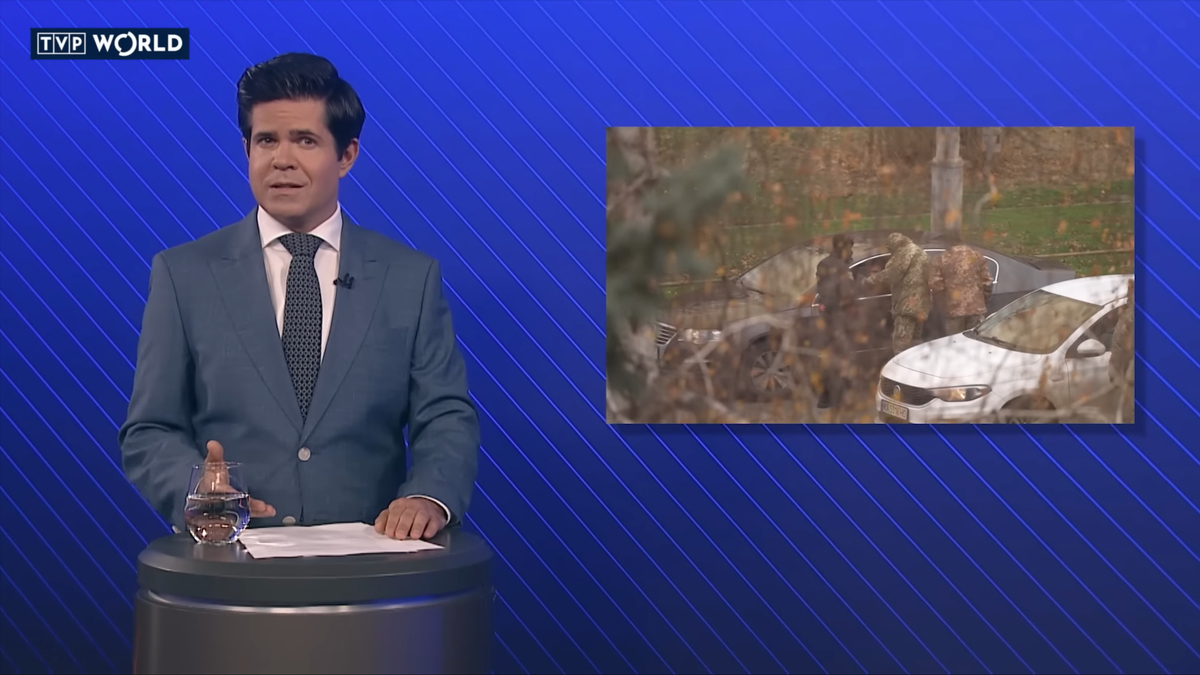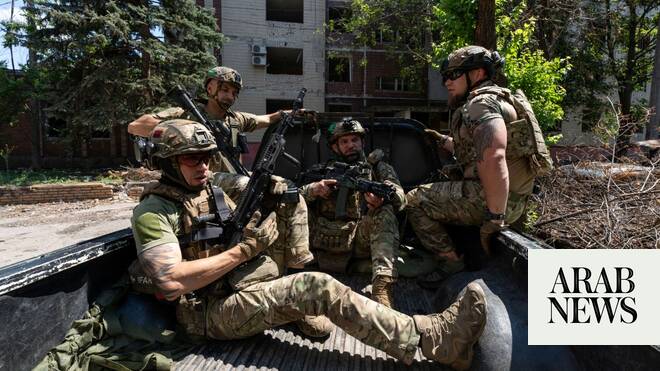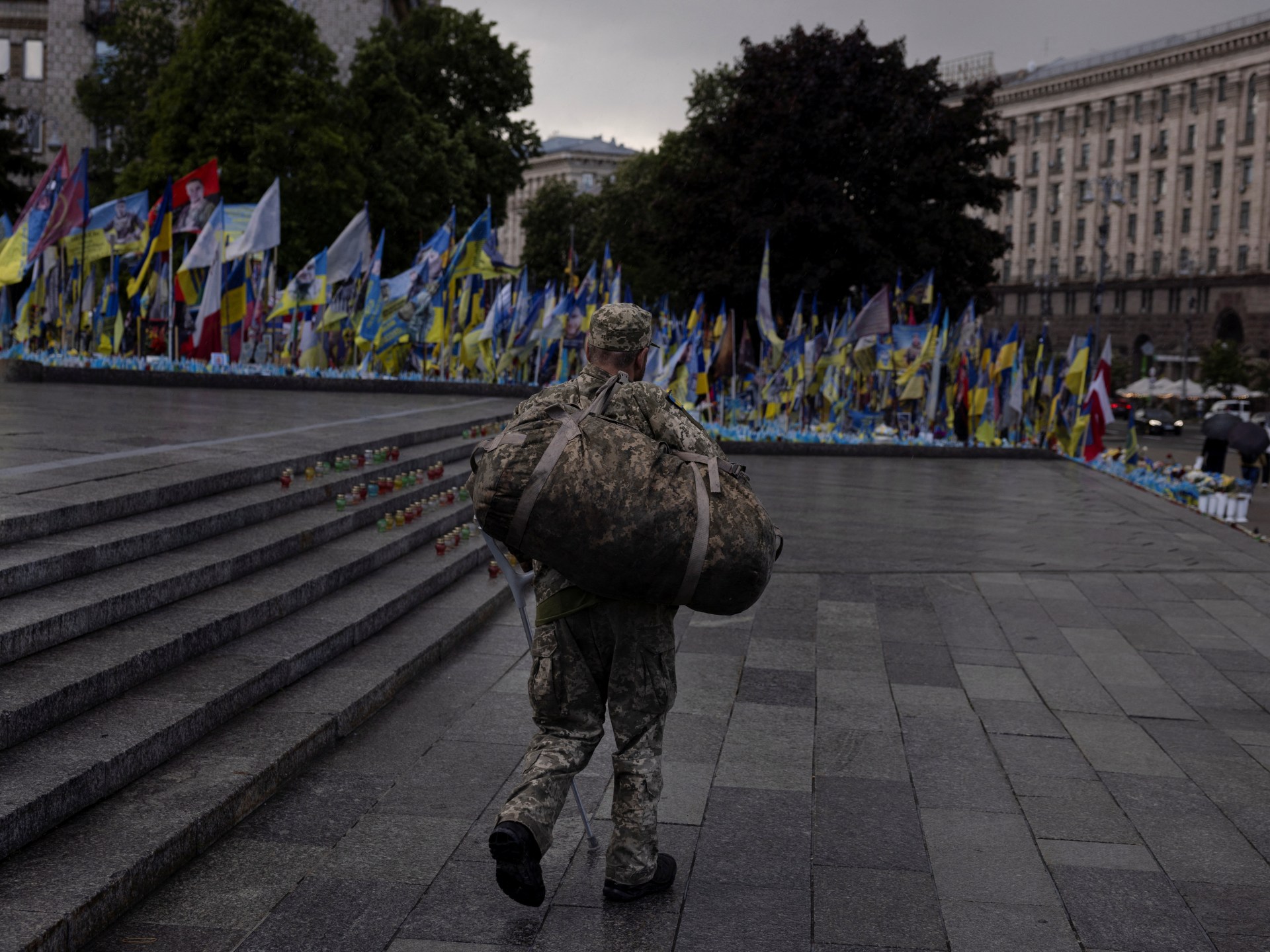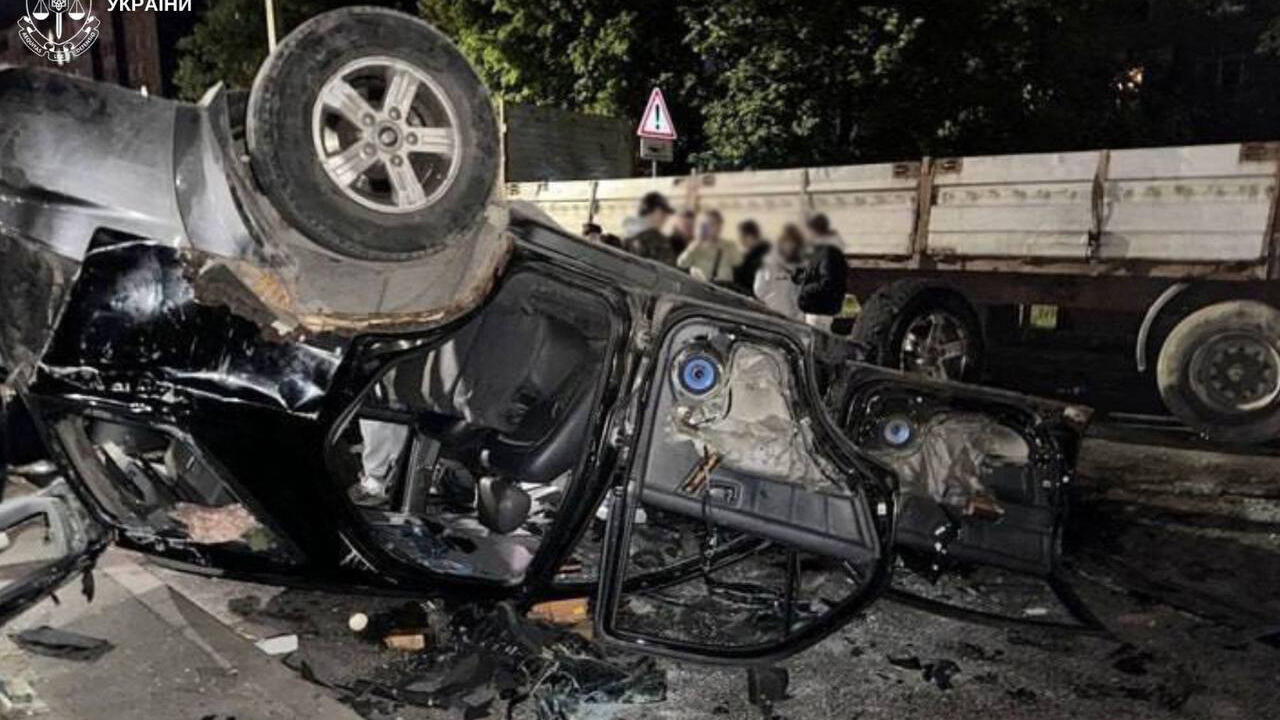
A draft riot broke out in Ukraine’s western city of Lviv last week. On Wednesday evening, territorial recruitment officers – the official name for the military personnel charged with conscripting military-age men – stopped a man in the street they apparently suspected of evading the country’s mandatory military service. After checking his registration documents, they held him at a local draft centre to undergo a medical exam that would determine whether he was fit to be sent to the front. Eyewitnesses reported that other draft officers remained on the scene, and soon tried to detain two more men. By this point, prosecutors say, a crowd of some 200 people had gathered. They surrounded the officers and tried to physically stop them from taking the men away. One video, which recruitment authorities insist has been taken out of context, showed an officer striking a member of the public. Footage published across social media shows hundreds of people heaving around the officers’ army vehicle, rocking it back and forth to chants of “Shame!” Before long, they had tipped the battered car over, to widespread cheers. They stripped the clothes off one of the officers’ backs. A police officer who tried to intervene was also injured. Read morePatriot missile license a 'long-term' investment for Ukraine – but can it afford the wait? While more dramatic than most outbursts, it is far from the first time that Ukraine’s draft officers have found themselves face-to-face with a seething public. 'Abusive practices' As the Russian invasion of Ukraine slouches deeper into its fifth year, the number of violent confrontations with draft officers – themselves often soldiers who were wounded on the front line – continues to rise sharply. In 2022, in the first year of the Russian invasion, police reported just five cases of people attacking draft officers. By last year, that number had risen to 341, the Interfax-Ukraine news agency reported. Just shy of 120 such clashes took place in the first four months of 2026 alone – including the fatal stabbing of a draft officer in April. The suspect alleged that a group of draft officers had beaten him and his brother and sprayed them with pepper spray. While the more prosperous and populous Russia has so far managed to tempt raw recruits to the front in part through generous financial incentives, the number of Ukrainians signing up to push back the Russia's advance has fallen dramatically following Kyiv’s last major counteroffensive in the spring of 2023. Instead, Ukraine has become increasingly reliant on conscripted troops to replace those killed or wounded on the front line. While both Kyiv and Moscow remain tight-lipped about their own casualty rates, the US-based Centre for Strategic and International Studies think-tank this month estimated that as many as 635,000 Ukrainian troops had been killed, wounded or gone missing since February 2022 – less than half the estimated 1.4 million casualties suffered by Russian forces. Under Ukraine’s current mobilisation laws, men between the ages of 25 and 60 are subject to mandatory military service. As an analysis for the Carnegie Endowment for International Peace described in March, it is a policy that enjoys little public trust. “Highly visible cases of abusive practices, legal overreach, and selective enforcement of mobilisation have undermined Ukrainians’ perception of the process’s legitimacy, increased public anxiety, and provided fertile ground for Russian information operations,” it read. Watch moreWilling to pay: Europe faces the bill for backing Ukraine without the US 'A real lack of manpower' While accusations that wealthy or well-connected Ukrainians have been able to buy their way out of military service have dogged the programme from the beginning, much of the public unease centres on a tactic that has become known as “busification”, where draft officers effectively press-gang military-age men on the street and bus them to recruitment centres for a perfunctory medical exam and enlistment. As you would expect, videos of these incidents spread swiftly across social media, gleefully picked up and promoted by Russian media. Draft officers have been accused of beating the men they detain, and several deaths have been recorded – including that of 43-year-old Roman Sopin last year, who died from a severe head injury in a recruitment centre. Authorities said that Sopin fell, which his family and lawyer deny. While authorities maintain that the overwhelming majority of mobilisation cases pass without incident, the number of complaints about draft officers to Ukraine’s Parliament Commissioner for Human Rights has risen steeply since the war began. In 2022, just 18 complaints were recorded. Last year, there were 6,127. Some 1,657 complaints about draft officers’ behaviour were registered in the first four months of 2026. Ryhor Nizhnikau, a senior research fellow at the Finnish Institute of International Affairs’ Russia, Eastern Europe and Eurasia programme, said that the urgent need for troops to hold back Moscow’s grinding advance had put enormous pressure on the mobilisation effort. “It’s quite banal, but there is a real lack of manpower, which makes the state more aggressive and more assertive in trying to find people,” he said. “Which was obviously not the case two or three years ago, when so much of the mobilisation was based on volunteers.”
What the Lviv draft riot tells us about Ukraine’s struggle to send men to fight
A violent confrontation between a hundreds-strong crowd and draft officers trying to detain military-age men in the western Ukrainian city of Lviv last week is just the latest in a growing number of…
1,476 words~7 min read