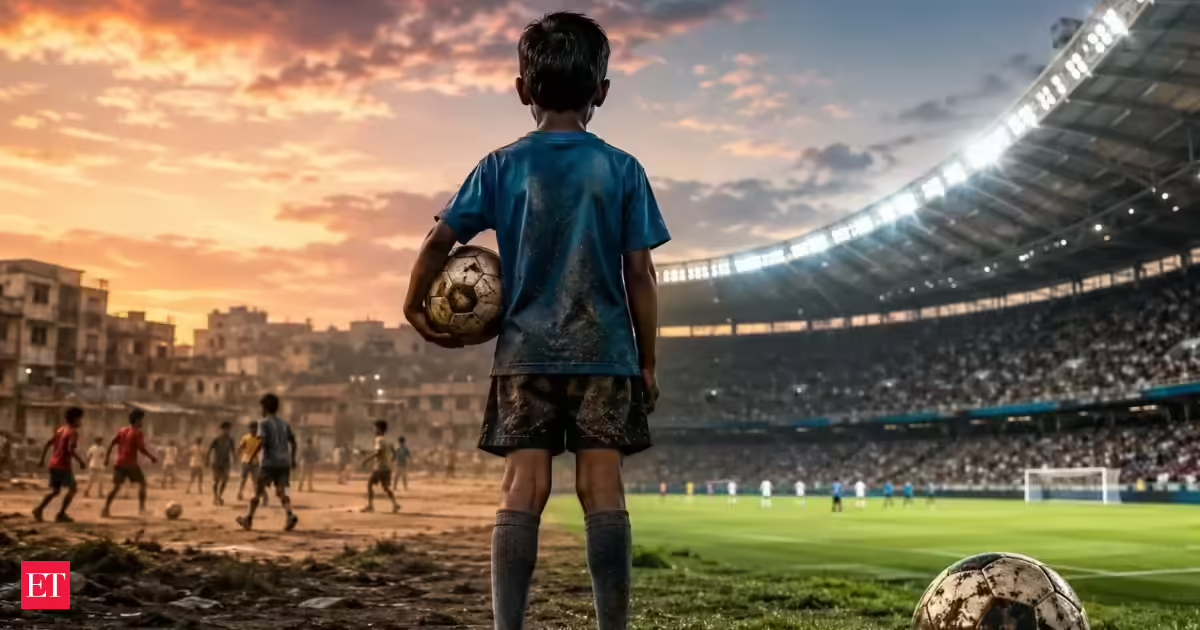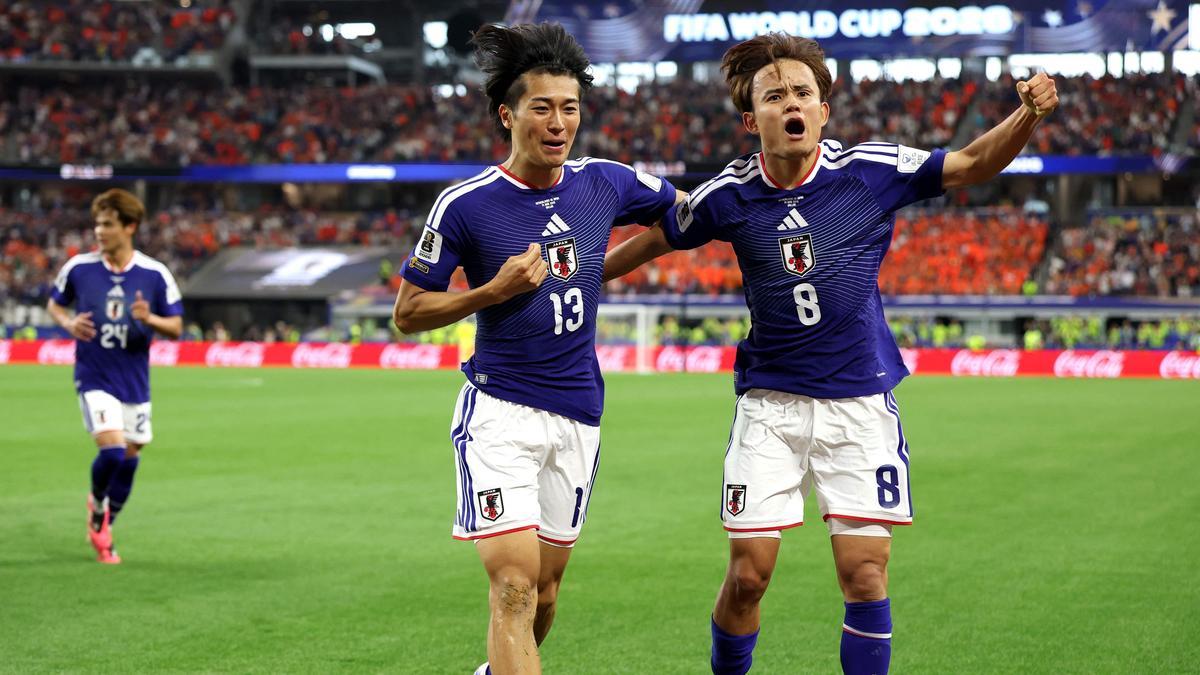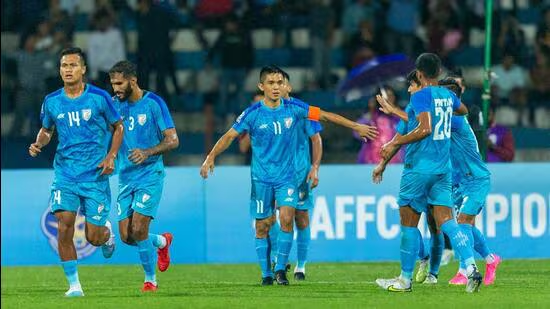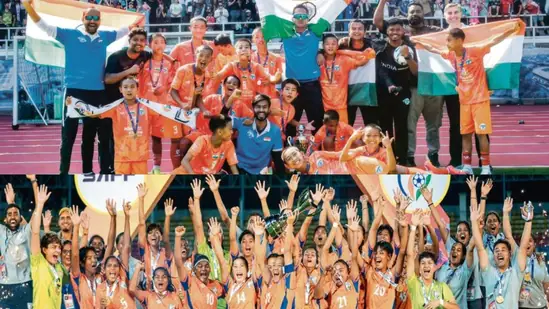
As the FIFA World Cup enters its business end, the conversation around Indian football follows a familiar, tired script: a country of 1.4 billion that still can’t produce a team good enough to even qualify. But not all hope is lost. Two Indian teams have recently shown the talent and grit that is needed, and all they ask for in return is the hope that the country backs themMinerva Academy's historic Helsinki Cup triumph and the Indian women's SAFF title are proving the country's football future is on the right track.‘We will put Indian football on world map’As the debate intensifies over whether India can ever compete at football’s highest levels, a group of teenagers from Chandigarh have proven that yes, it can. Minerva Academy FC beat defending champions HJK Helsinki 1-0 in the final on July 11, to become the first Indian side to win the Helsinki Cup, which is one of the world’s largest youth tournaments as it draws over 1,700 teams from 20 plus countries.It’s redemption completed. A year ago, Minerva became the first Indian team to reach the Helsinki Cup final, only to fall 1-0 to. This time they went unbeaten, outscoring opponents by more than 50 goals through the week, including a 9-1 win over HPS and a 6-0 quarterfinal win over HJK, before grinding out a tense final rematch. “Honestly, people keep saying Indian football is going nowhere, so this trophy feels like our answer,” says Yohenba, who scored in Minerva’s quarterfinal win over HJK, adding, “Just believe in us a little, that’s all we’re asking.”Seizing a remarkable 2025-26 European run for itself, Minerva has became the first Indian club to win the Norway Cup, and the first Indian side in 43 years to win Denmark’s Dana Cup. “Standing on the ground with the Tricolour on my chest, that’s the kind of moment I used to only see on TV,” recalls T Kipgen, who scored six goals in a single group-stage match against EBK, adding, “We’re achieving this at the Under-14 stage. Just think what happens if the country actually gets behind us all the way up.”The academy now heads to Sweden for the Gothia Cup, widely regarded as the world’s premier youth tournament, carrying the same message its players hope the country is finally ready to hear. “This isn’t just our win,” says Rimoson, who scored a hat-trick against FC Kasiysi during the campaign. He adds, “Our victory is for every kid who is stuck in some small academy back home, being told this sport won’t get them anywhere. We want people to actually believe in Indian football, don’t worry we are there and we will put it on the map one day,”‘India has talent scattered all over the country; it needs to be backed’Proving that the doom narrative doesn’t tell the whole story is India’s senior women’s team that recently gave the country another reason to look at the light in future. Last month, the Blue Tigresses had beat defending champions Bangladesh 3-1, in Goa, to win the SAFF Women’s Championship that is their sixth title and the first in seven years. And they achieved this feat without dropping a single match, scoring 18 goals, and conceding only once across the tournament.For the squad’s most experienced player, Dangmei Grace, the recent win carried more weight as she has represented India 95 times since her 2013 debut. Retired from international football, moments after the final whistle, she close her career with a third SAFF title, and shares, “I didn’t plan to cry on the pitch but I couldn’t help it,” said Grace, adding, “Thirteen years and people still ask me if this sport is worth it in India. What we need now is more investment at the grassroots, there is talent scattered all over this country, in villages and small towns nobody is even looking at. If we back that the way we backed this team, you will see how far Indian football can actually go.”“I cried after that final whistle not because we won but because seven years is a long time to be told you’re not good enough,” shares Sanfida Nongrum, who scored in both the semi-final and the final, adding, “We carried that sentiment (that we can’t make it) for so long. But that night last month, all emotions came out as we held the trophy.”The women’s side has now won six regional titles, with this one arguably its most dominant yet, a body of work that deserves a place alongside every debate about where Indian football is headed. This makes a case of India’s football campaign and adds real weight to a thought for optimism. “The moment our opponents equalised and we still managed to come back to win, that’s the real story,” said Lynda Kom Serto, whose 82nd-minute goal off the bench sealed the win. She adds, “Our win proves that we have the grit to shine when the chips are down. That’s what should give the country faith in us. We have the talent, and we have always had it.” Dhyan Chand Awardee Shabbir Ali, former captain of Men’s Indian Football Team says1. Create more jobs: To fully win over parents trust to let talented kids take up football and not shy away, there needs to be a clear sense of long-term security for the player’s career. If a player is representing one’s state it should mean direct job security from entities like the Railways, Excise, or other government departments. It does not happen enough now thus talented players are not always willing to get deeper into the sport fearing financial stress. Reviving and expanding these sports-quota job facilities would give athletes peace of mind and naturally elevate the level of competition.2. Send more youth teams abroad for exposure: Grassroots programs cannot be a one-off initiative; they need to run consistently and sustainably across every single state. Send more teams abroad, they will learn from new minds, compete against stronger teams in conditions alien to them. That is what will help them grow.3. Train on high-quality surfaces: Training on proper artificial turfs and international-standard ground directly translates to sharper skills and better gameplay. Replicate successful models like Goa and West Bengal have consistently focused on infrastructure. We need this level of infrastructure standardized nationwide.4. Looking Beyond the Indian Super League (Premier football competition): National team scouts and coaches shouldn’t limit their focus to the ISL. They need to cast a wider net across the I-League, I-League 2, I-League 3, and state leagues to discover hidden talent. Also, increasing the number of participating teams in domestic tournaments will ensure more players get crucial game time, ultimately building a much larger and stronger pool for the national squad.5. Corporate Backing: Major companies and corporate houses need to step up and actively sponsor clubs, youth academies, and local tournaments. Instead of spending millions solely on traditional advertising, investing in football offers brands massive visibility through social media and television broadcasting, creating a win-win scenario for both business and sport.
Indian football amid FIFA WC: Young gen proves future isn’t all gloomy
While India watches the FIFA World Cup from the sidelines, two young young are showing the country has the talent to dream bigger.
1,169 words~5 min read