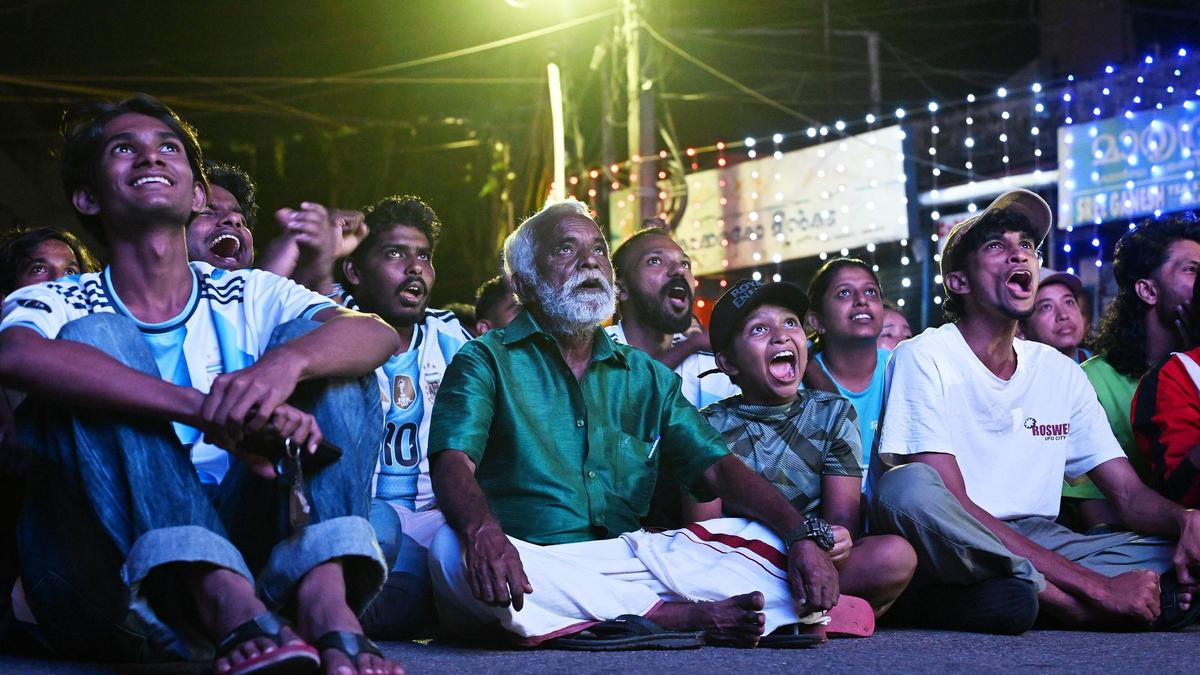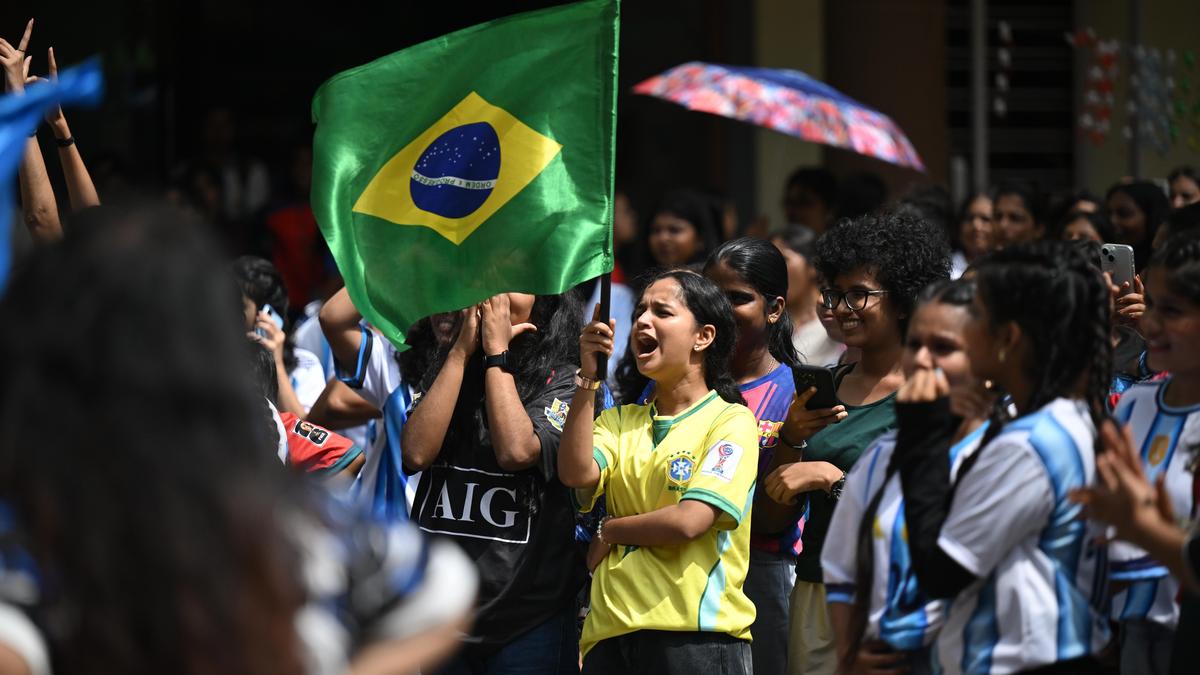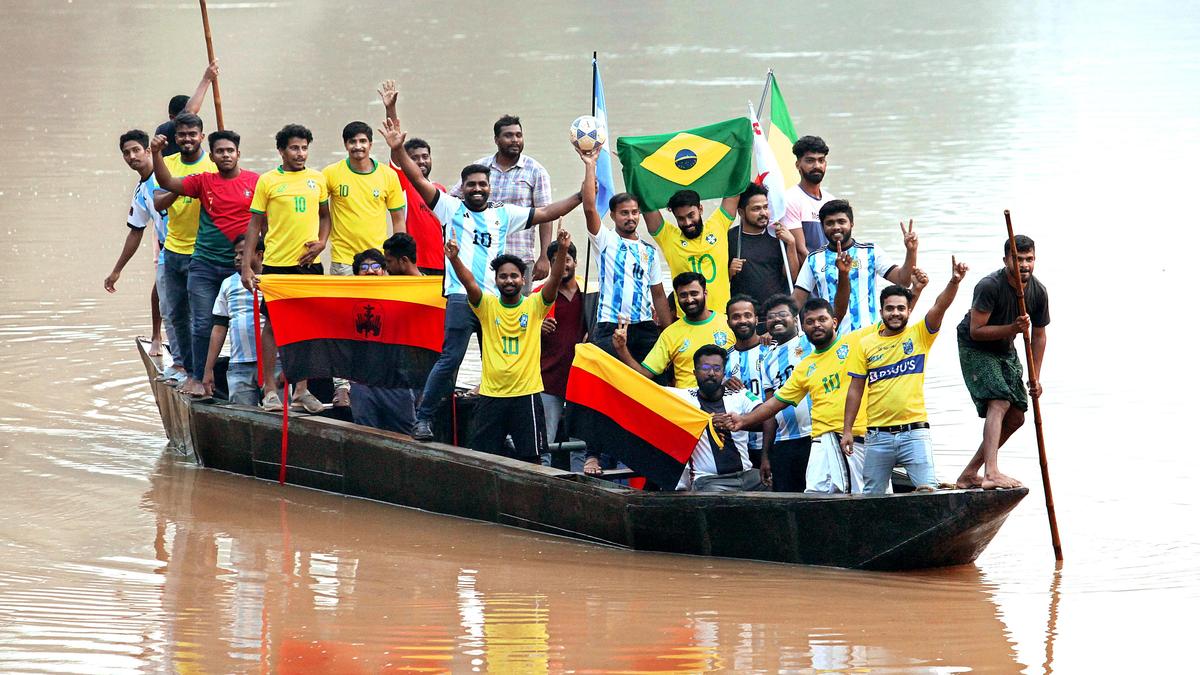
In late-90s Kerala, a young girl is jolted awake at night by the sound of the television. She finds her father watching football, a cup of tea in hand to stay awake. Soon, the cups become two as the World Cup turns into a way for her to connect with him. She watches a usually composed man move through a gamut of emotions — from euphoria to dejection. Around that time, she nails the Argentina flag to the mast.Around the same period, a few hundred kilometres north, a young boy grows up playing pseudo shoot-outs with his father, who invokes the names of Diego Maradona, Gabriel Batistuta and co. before every kick. Despite the prevalent Latin American flavour around him, the boy chooses England after Michael Owen’s solo goal in the 1998 World Cup. It becomes one of his earliest football memories; soon he begins following English football and its clubs.Over the years, he also reads books about football culture in Argentina and becomes enamoured by the manic love, passion, mysticism and folklore surrounding the game, as well as its inspirational and mercurial footballers.Years later, when the girl and boy meet and get married, their first point of agreement is their love for Argentine midfielder Juan Román Riquelme. When Argentina wins the World Cup, the girl — now a woman — refuses to watch the shootout because, as any true fan will tell you, watching is precisely what brings bad luck. Ángel Di María, Emiliano Martínez, Lionel Messi et al. will never know of her — and countless others’ — sacrifices.
FIFA World Cup 2026 | Why football’s most passionate fans may be in India
Explore India's passionate football culture as fans prepare for the FIFA World Cup 2026, igniting connections and celebrations.
2,738 words~12 min read