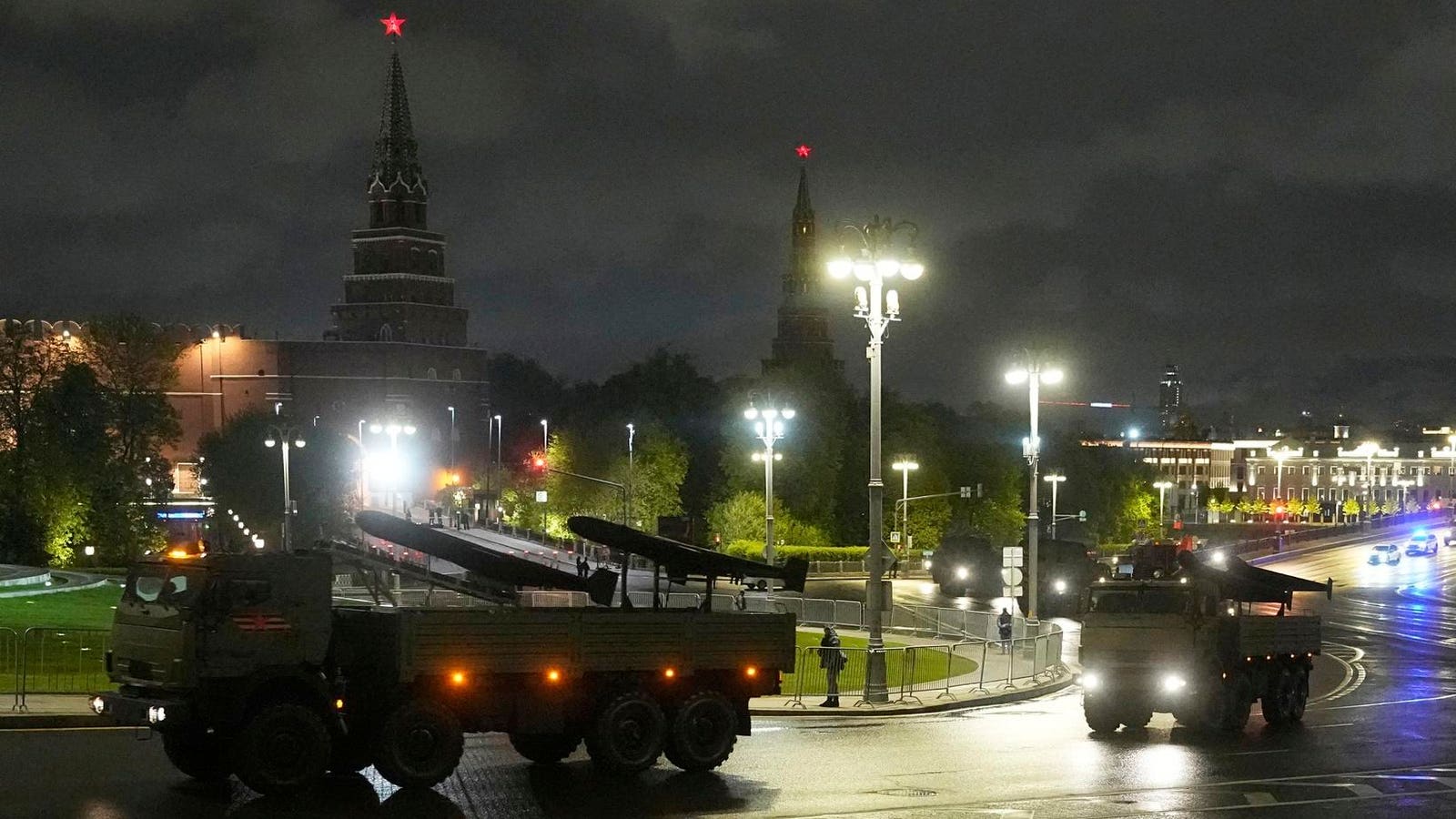
Russian military trucks carrying Geran-2 drones roll along Borovitskaya Square next to the Kremlin after a rehearsal for the Victory Day military parade in Moscow, Russia, on Tuesday, April 29, 2025. (AP Photo/Pavel Bednyakov)
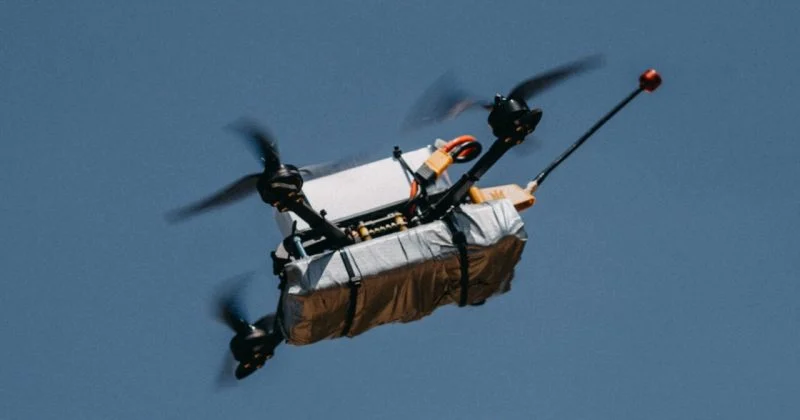
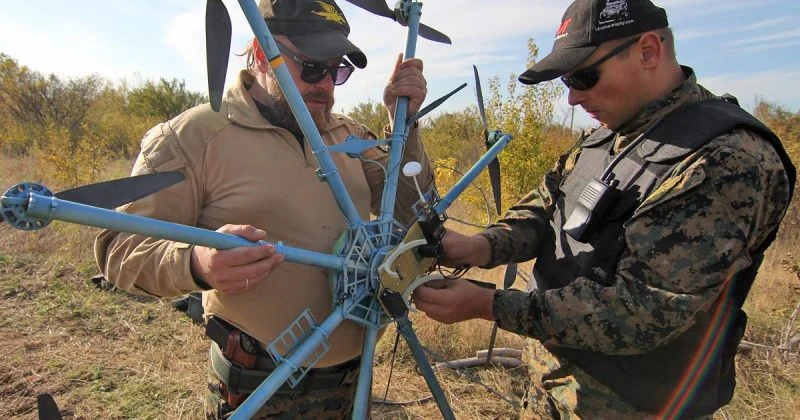
Ukrainian drones have shifted the balance of the war, giving Ukraine the edge on the battlefield. Extensive drone-based kill zones have effectively halted the Russian ground offensive, while Ukraine’s long-range strike drones have imposed significant costs on Russia’s military-industrial and economic infrastructure. However, Russia has advanced drone capabilities of its own, most notably its expanding fleet of Geran drones. Russia has extensively employed these systems in both strategic and tactical roles throughout the conflict. As Ukraine has become increasingly effective at countering these drones, Russia has developed new variants with enhanced capabilities. In recent months, it has also shifted its employment strategy, leveraging a more diverse Geran fleet to exploit gaps in Ukraine's air defenses and improve the drones' operational effectiveness.
Russia’s Need For A New Strategy For Its Geran Drones
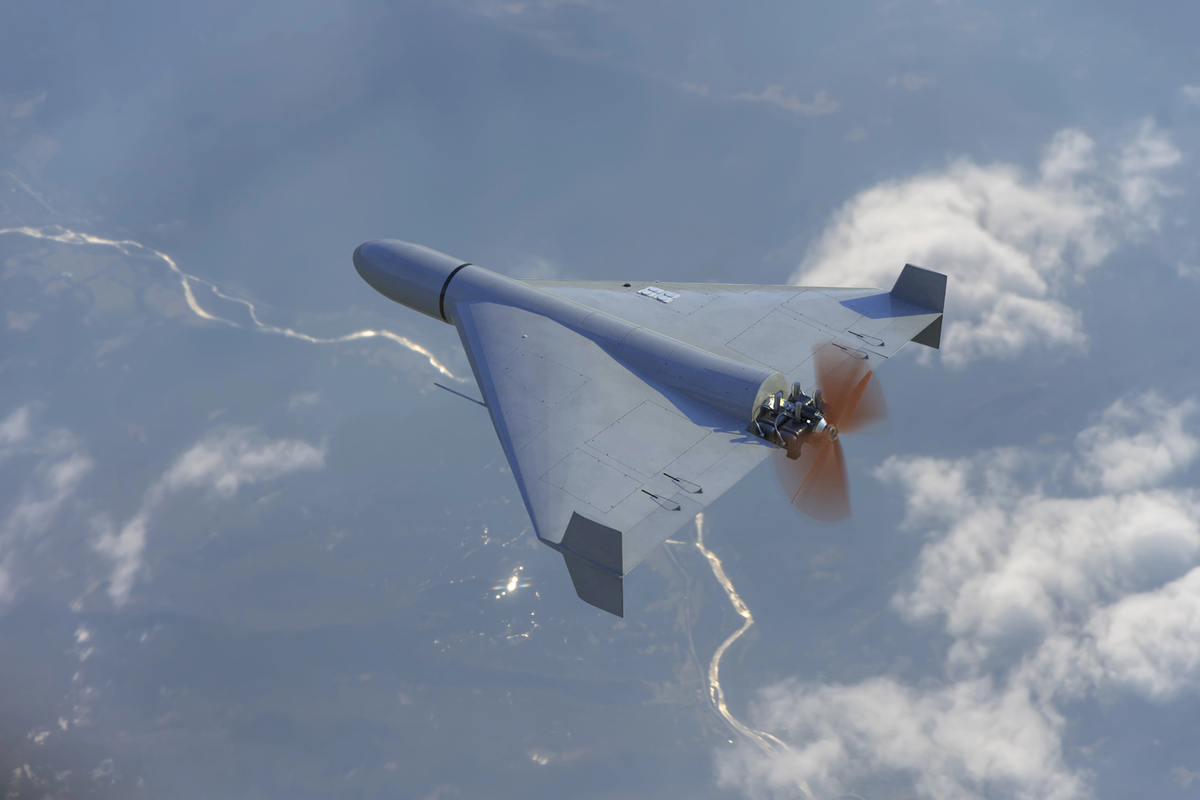
The primary Geran model used by Russia throughout the conflict has been the Geran-2, which is based on the Iranian Shahed-136. The Geran-2 features a delta-wing configuration with a wingspan of approximately 2.5 meters, a range of 2,500 km, and a 50 kg warhead. It is powered by a piston engine driving a pusher propeller, allowing it to reach speeds of 180 km/h. The baseline Geran-2 navigates autonomously along a pre-programmed route using an inertial navigation system aided by satellite navigation, requiring no operator control after launch. Its low cost has enabled Russia to mass produce the drones and incorporate hundreds of them into each nightly strike package to saturate Ukrainian air defenses.