ByVikram Mittal,
Contributor.
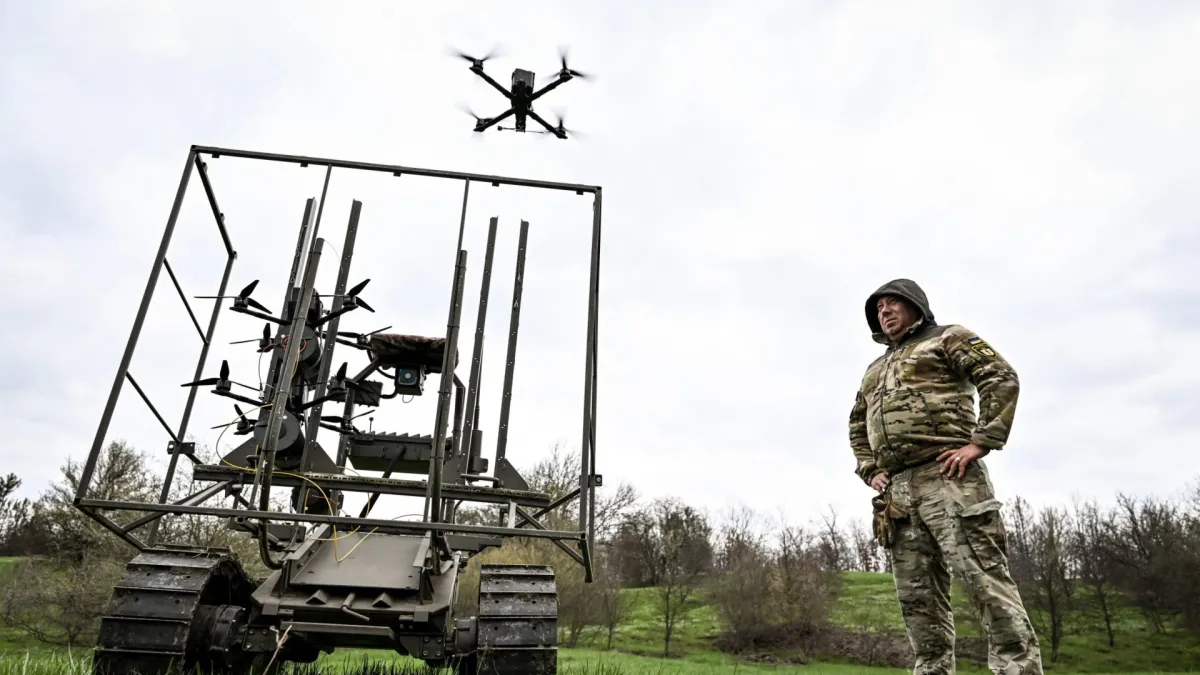
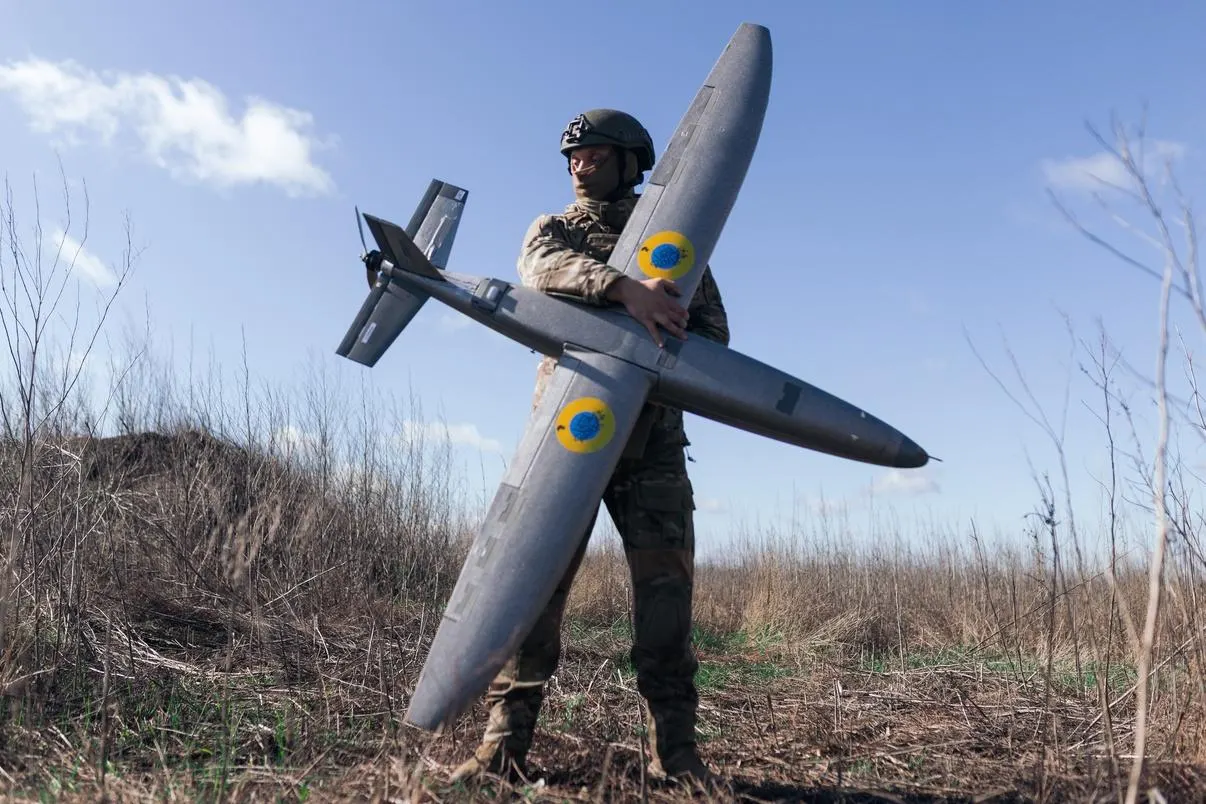
Over the course of the Russia-Ukraine War, drone technology has advanced at a rapid pace. The current Shahed and Liutyi drones are far more sophisticated and versatile than the Orlan 10s and Bayraktar TB2s used at the start of the conflict. These advancements have been matched by significant progress in counter-drone technology. In particular, both sides have developed an impressive array of non-kinetic, electronic warfare systems that disrupt drone operations. However, they are now racing to develop and field interceptor drones, which are designed to target and destroy enemy drones through kinetic engagement.
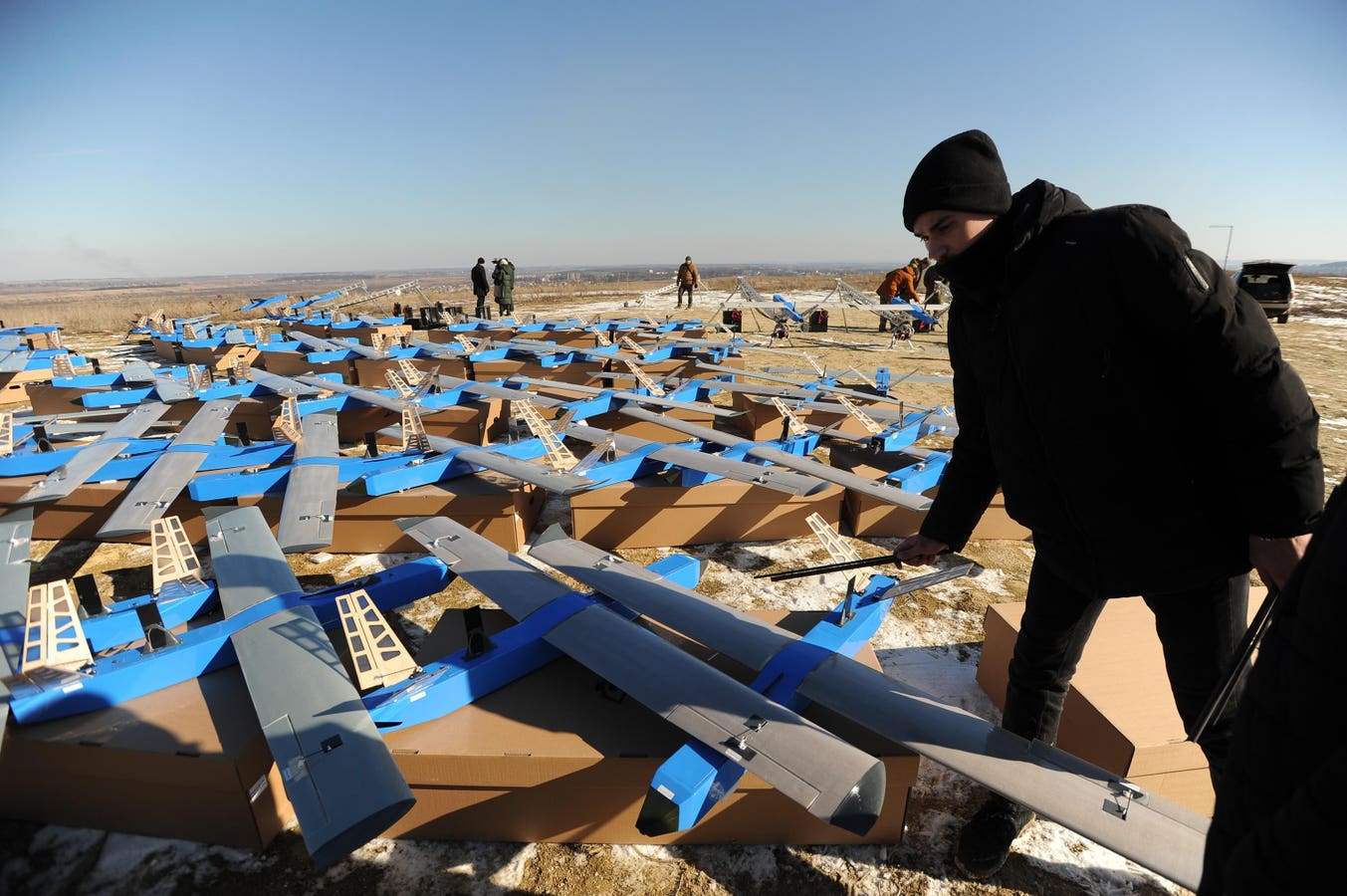
The increasing need for drone interceptors stems from the growing number and sophistication of drones on the battlefield. The introduction of fiber-optic drones has reduced the effectiveness of traditional jammers, since these systems are resistant to electronic warfare. Many drones are also incorporating advanced artificial intelligence processing, allowing them to operate in failsafe modes when their command signals are jammed. At the same time, the sheer volume of drones being deployed has begun to overwhelm conventional air defense systems, which are expensive and limited in supply. These circumstances have created a need for a kinetic counter-drone method that is both affordable and capable of being produced in quantity.