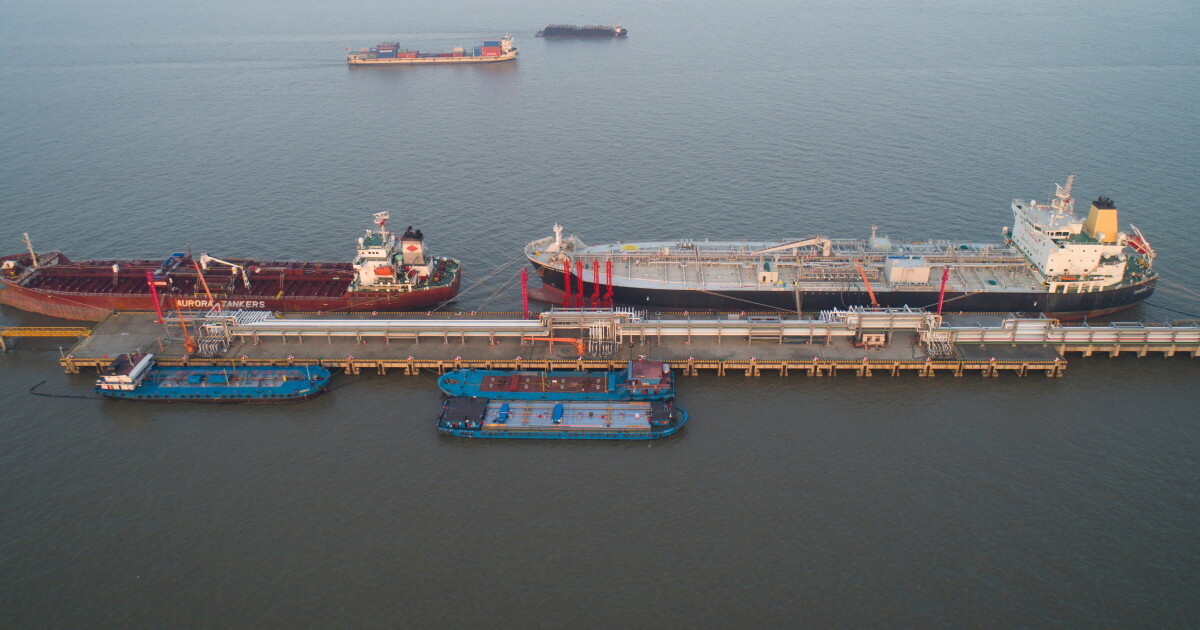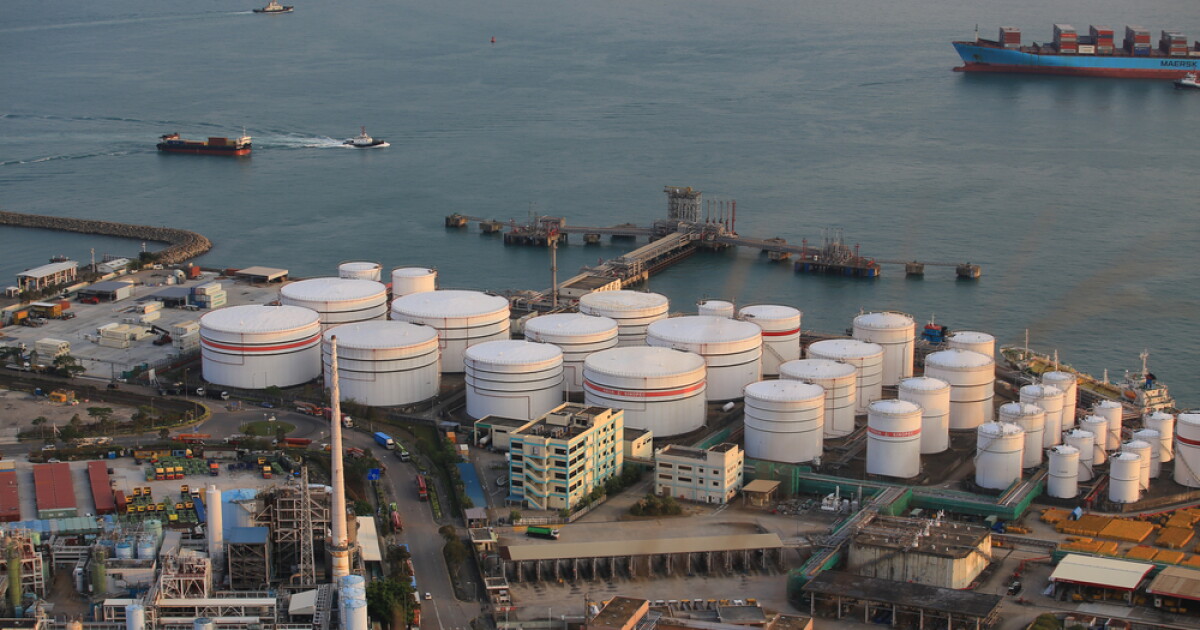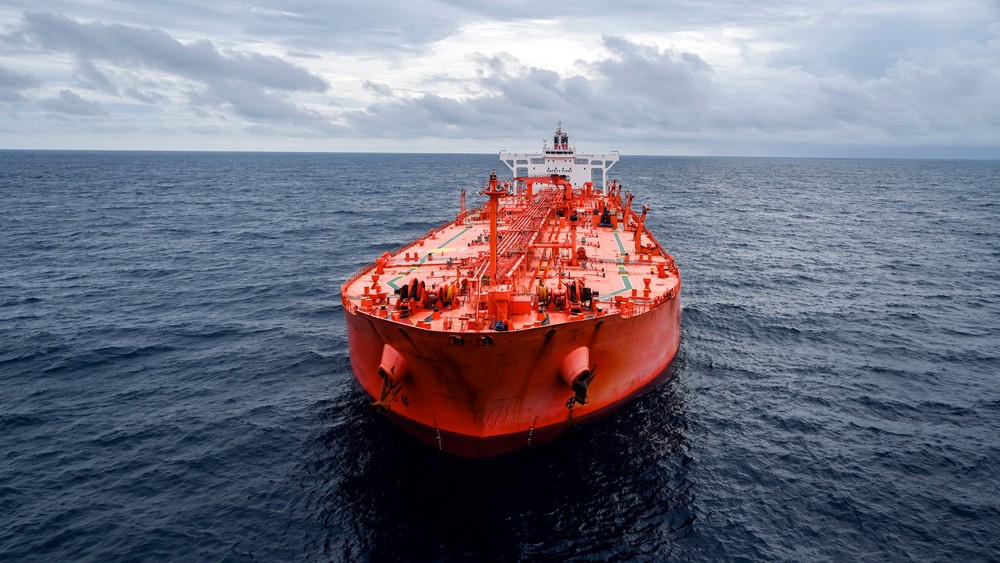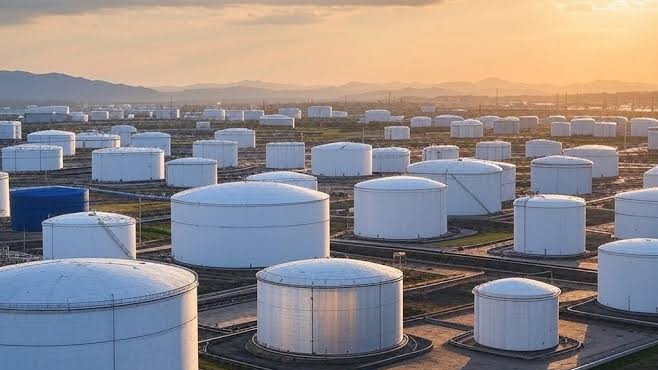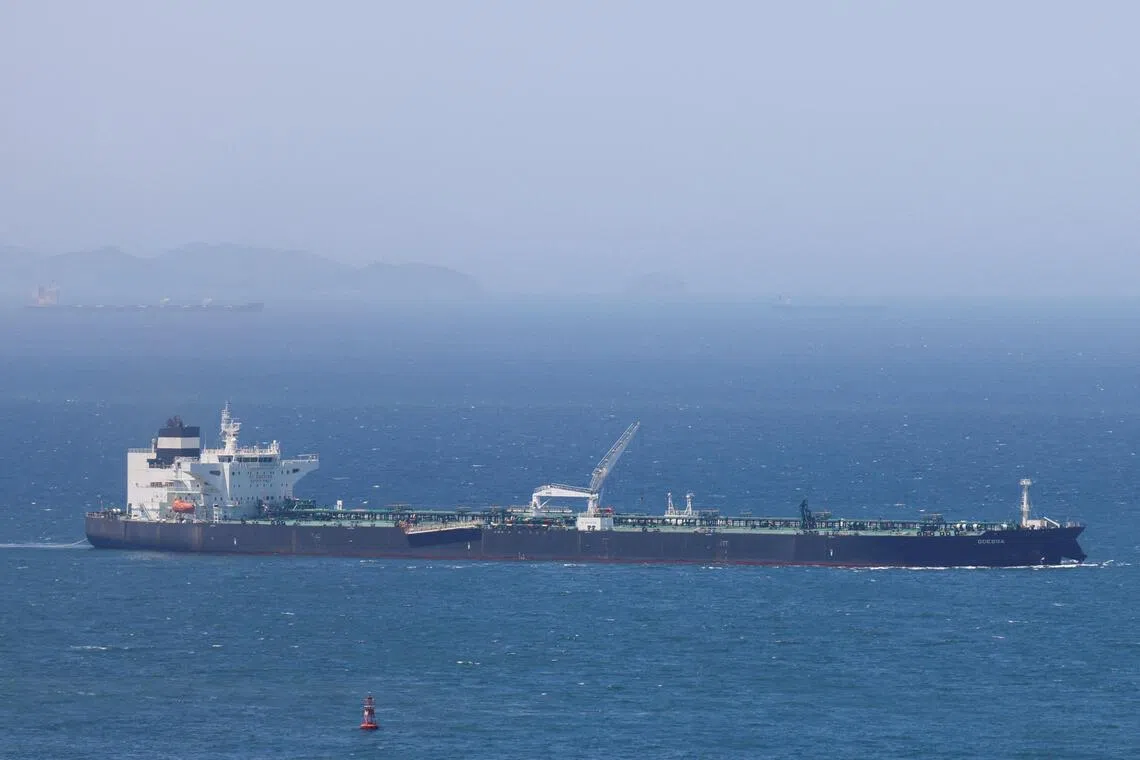
China’s reliance on oil and gas imports from the Middle East places it among the most exposed nations to the region’s escalating tensions. The country’s position as the largest global importer of crude oil has been significantly impacted by the current conflict in the Middle East, which has disrupted key supply routes. With almost half of China’s crude imports passing through the increasingly volatile Strait of Hormuz, supply constraints and increased costs are emerging as China seeks alternative sources. The potential for further disruptions has led to market speculation regarding future oil price movements.
Key Takeaways
Market pricing suggests that China’s exposure to Middle East tensions could drive up oil prices, potentially reaching new all-time highs.
There is an observable increase in the December 31 crude oil market, with YES pricing at 14.5%, up from 12% just 24 hours ago.
The September 30 market remains relatively stable, with a slight increase from 6% to 6.2% YES over the past 24 hours.