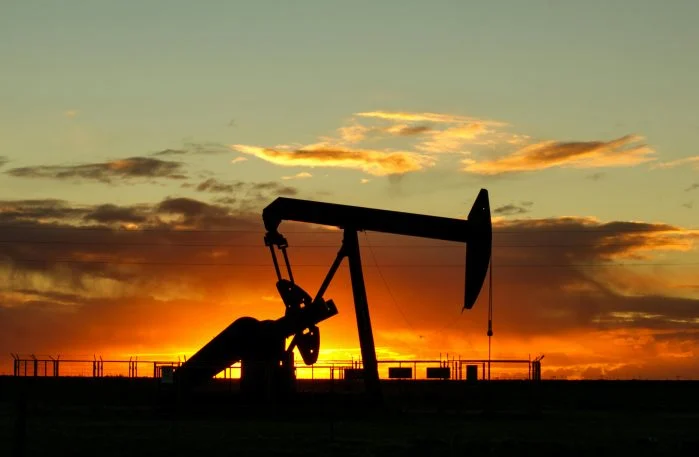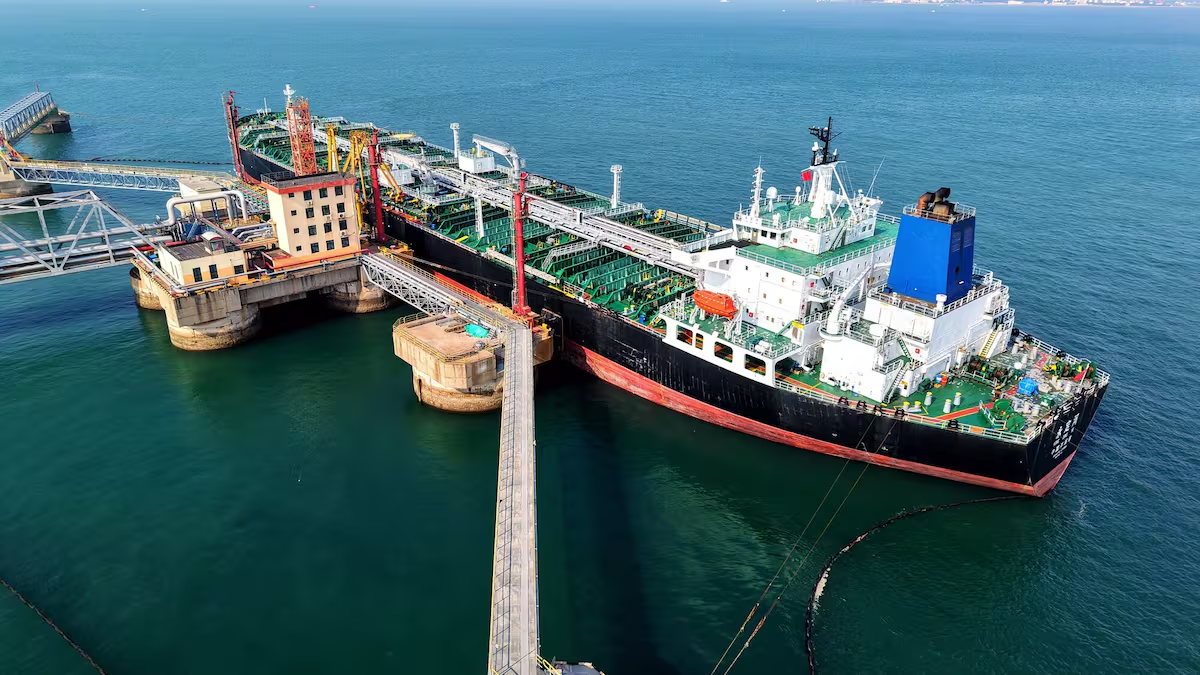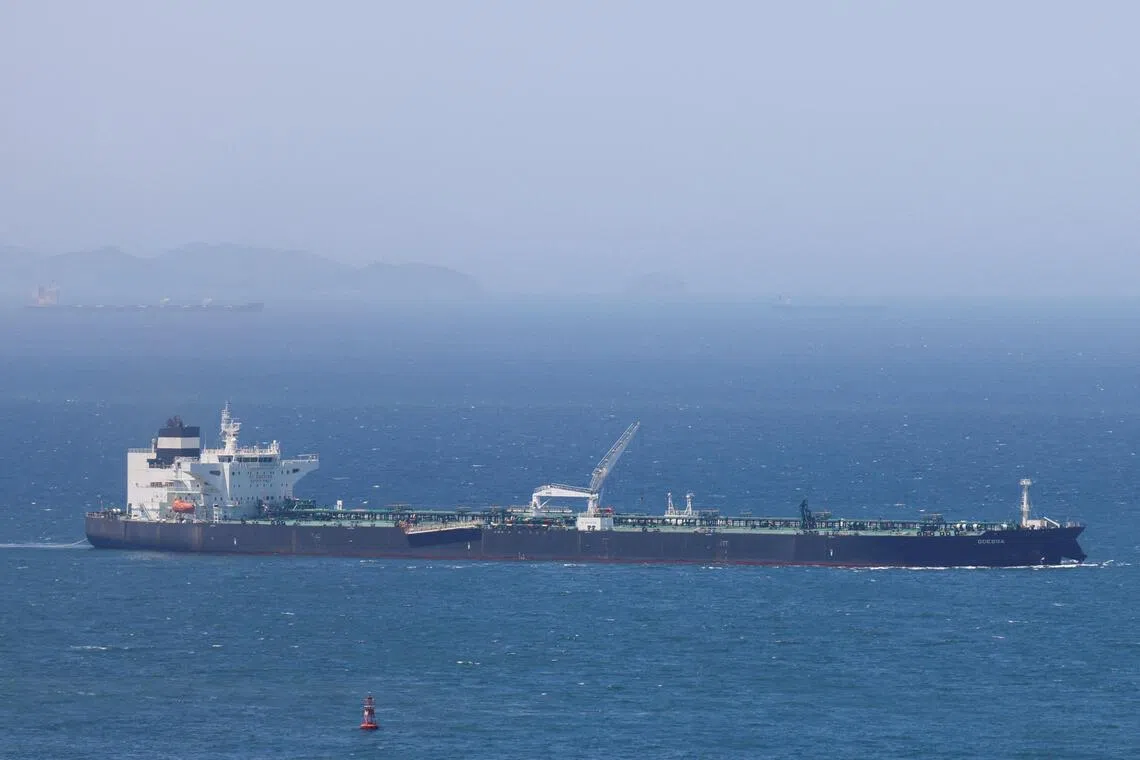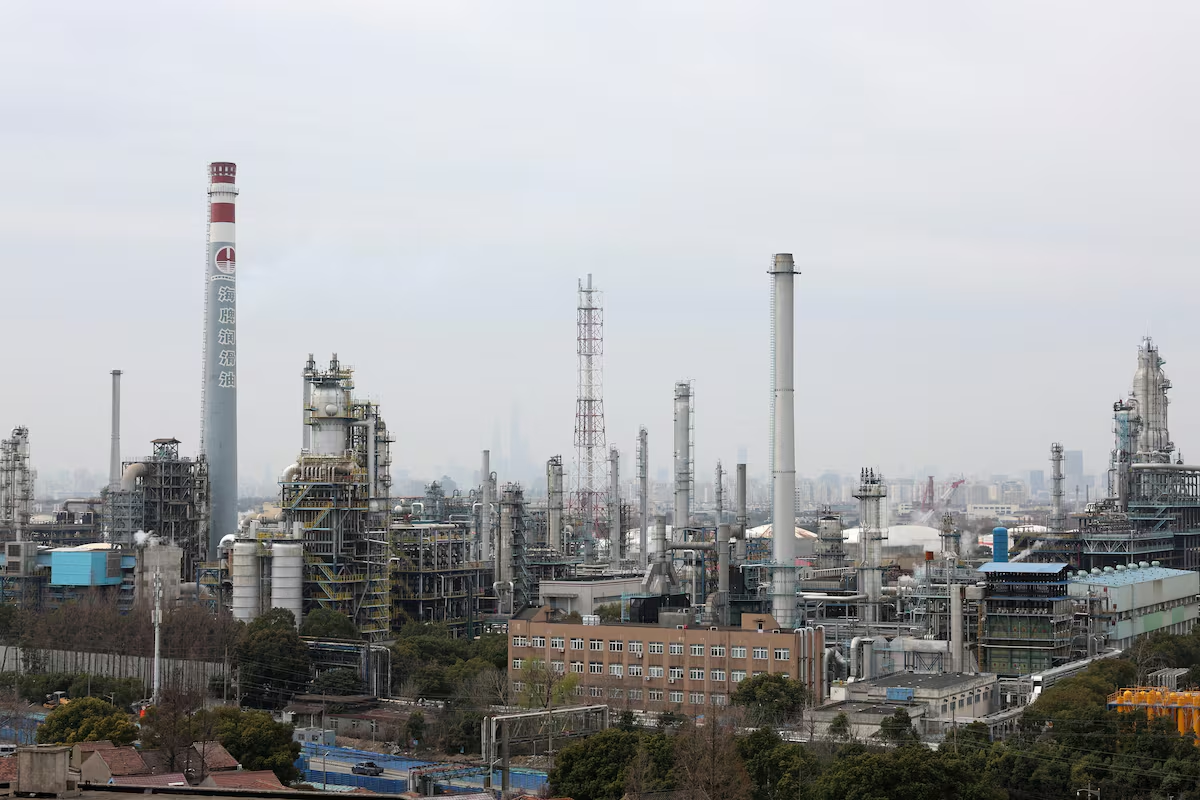
The latest Middle East war has revealed many things about the global energy market, but among the most striking has been China's ability to upend traditional producer-consumer dynamics over oil prices. China is the world's largest oil importer — which, on paper, would make it a captive price-taker that is negatively impacted by a sudden, significant loss of supply. Instead, it proved a crucial linchpin that — by pulling back its own oil imports with unprecedented flexibility — helped cap oil prices and allow the market to take a "black swan" disruption in relative stride. In effect, the country over the past decade-plus had quietly built a security cushion through strategic stocks, higher domestic output and electrification that proved substantial enough to effectively transform China into a flex-consumer that has turned oil pricing on its head. "China's energy logic has been rewritten," says a source familiar with the country’s energy strategy. Beijing's multipronged, multiyear strategy has seen it build massive oil reserves, diversify supply via pipelines to limit exposure to seaborne disruptions, and pivot from acquiring equity oil and gas abroad to maximizing energy production at home. Since 2018, state producers have grown domestic oil production by 500,000 barrels per day, to a record 4.34 million b/d. These volumes, alongside some 850,000 b/d of piped crude from Russia and Kazakhstan, cover around one-third of China's crude supplies; its commercial stocks have grown by 380,000 b/d since 2018, reaching 1.46 billion barrels as of December 2025, according to Energy Intelligence data. Strategic stocks make up a further 286 million bbl. Electrification of the transport sector, which Beijing has pushed heavily since 2015, is also having an impact, with both gasoline and diesel demand already peaking. The result? China has shifted from being a "passive" importer beholden to producer nations to sustain its economy to a consumer that can use "active regulation" to bolster its domestic energy security, the Beijing observer says.
China Wields New Power Over Oil Pricing
One of the biggest surprises to emerge from the Mideast crisis was China's capacity to influence oil prices as an import-dependent consumer nation.
320 words~1 min read