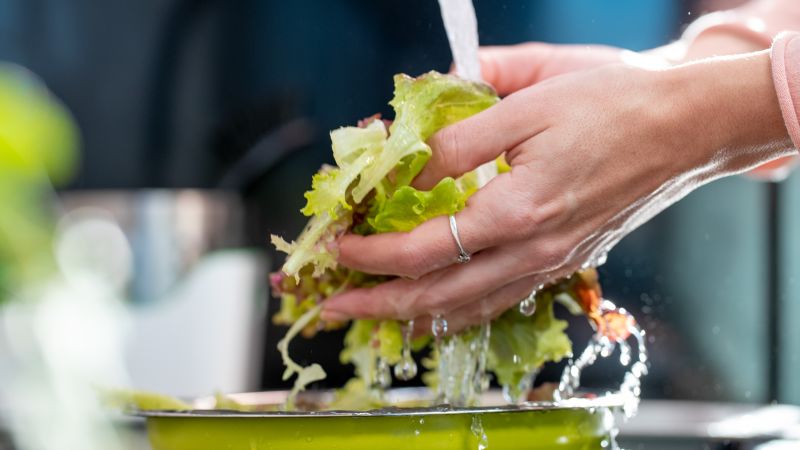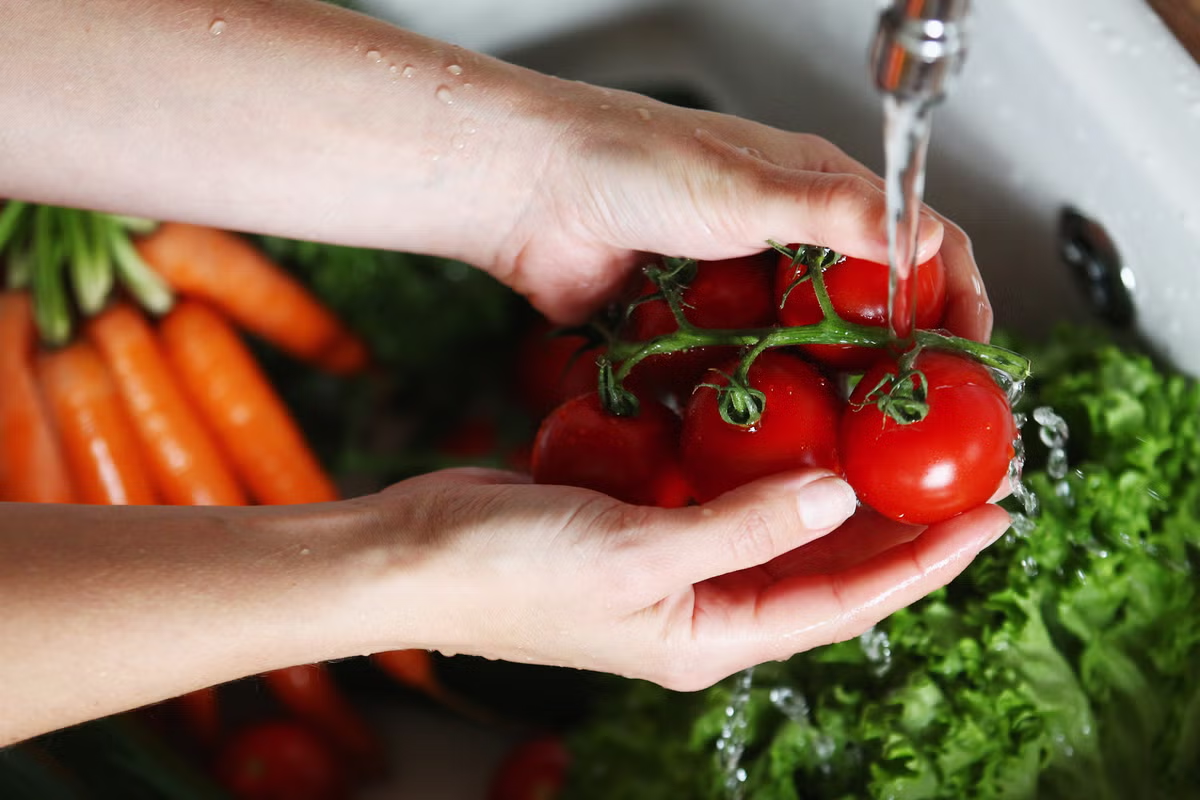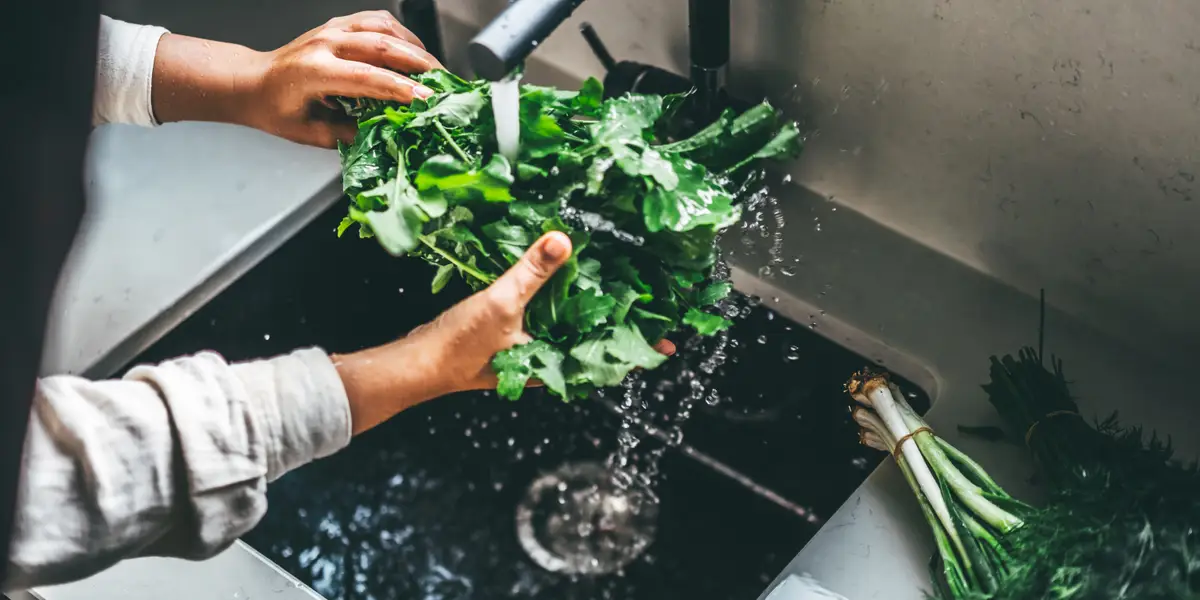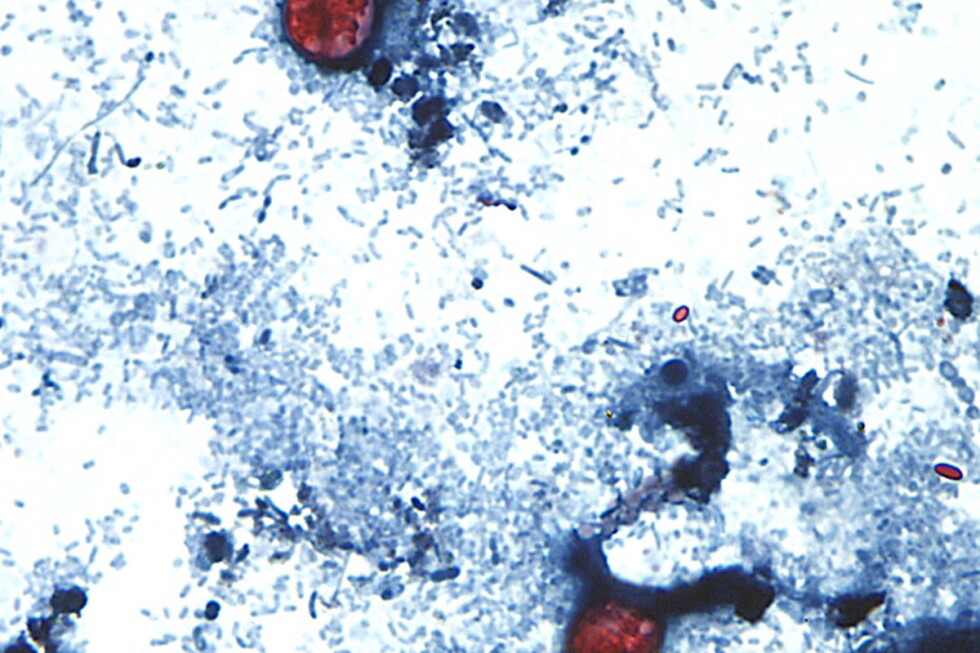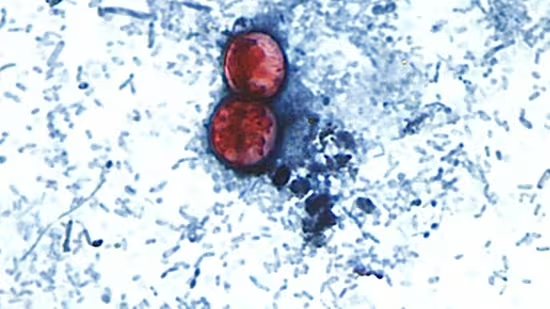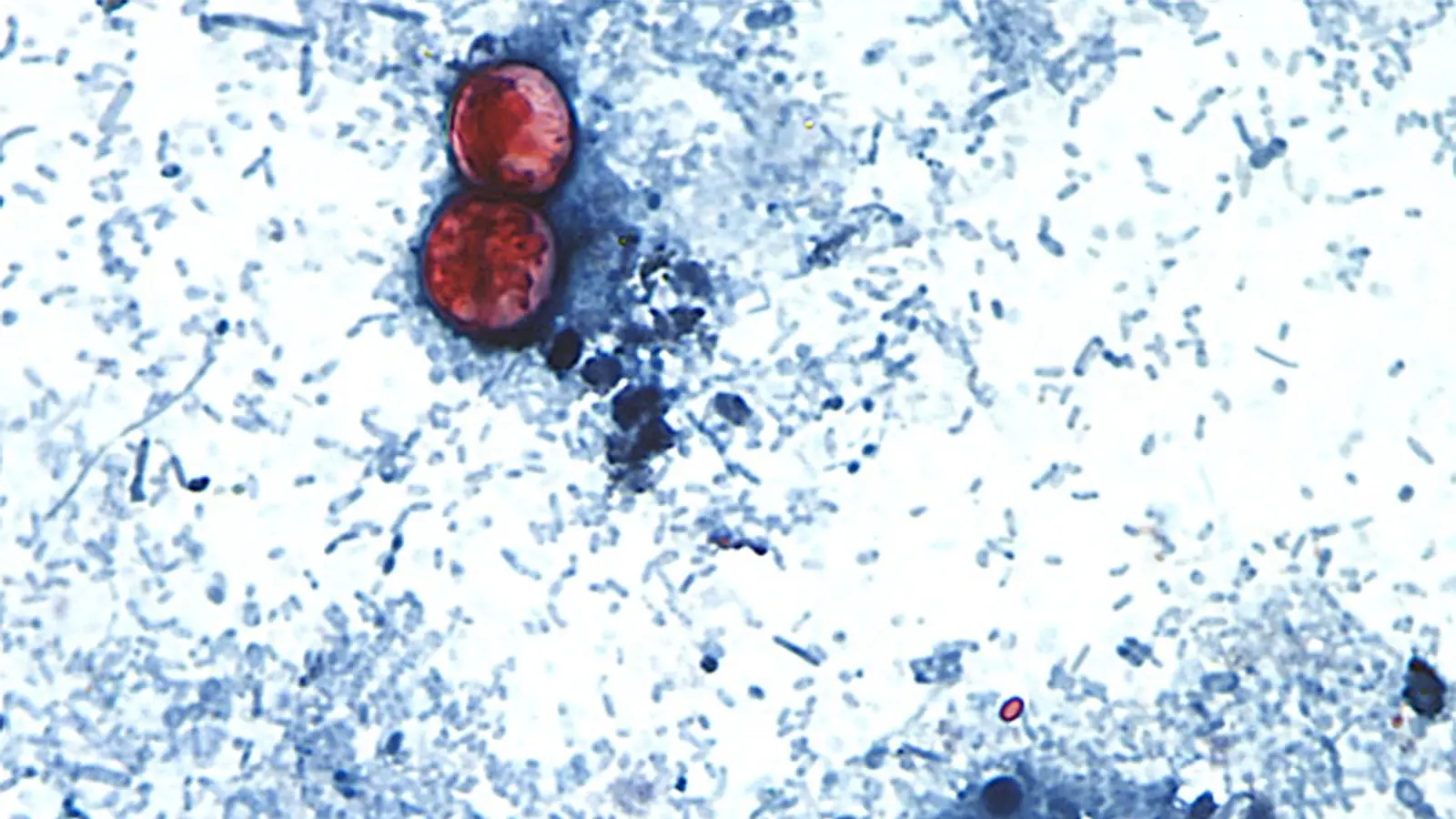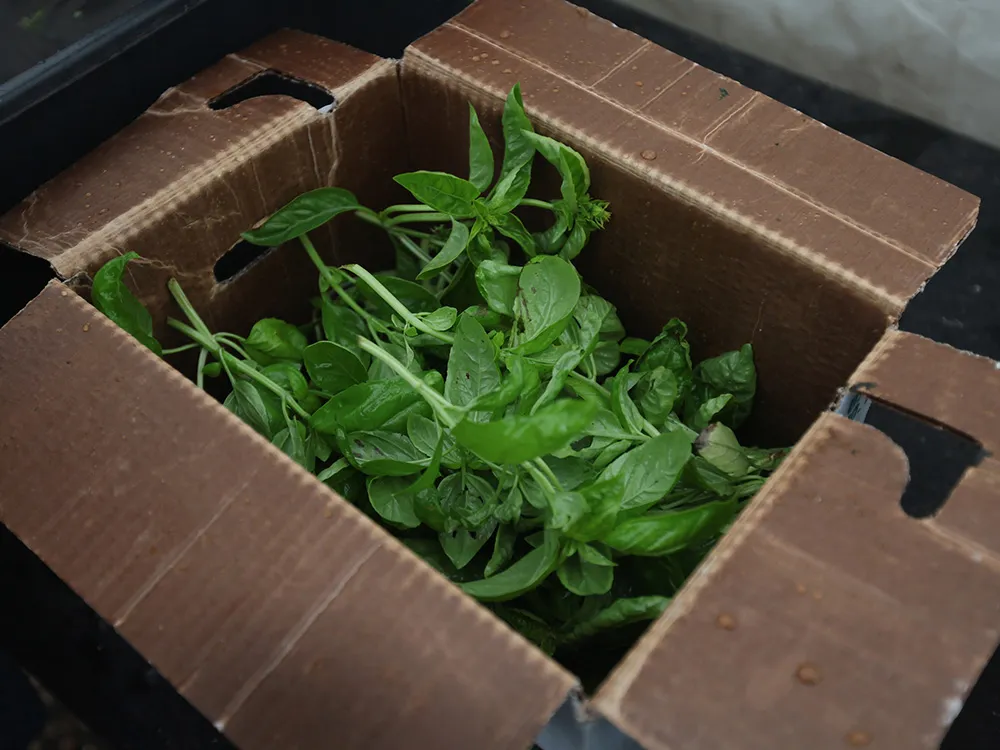
Skip to Content Subscribe Our Offers My Account Manage My Subscriptions FAQ Newsletters Canada Canadian True Crime Canadian Politics Health World Israel & Middle East Financial Post NP Comment Longreads Puzzmo Diversions Comics NP News Quiz New York Times Crossword Horoscopes Life Eating & Drinking Style Sponsored Play for Ontario Travel Travel Canada Travel USA Travel International Cruises Travel Essentials Culture Books Celebrity Movies Music Theatre Television Business Essentials Advice Lives Told Tails Told Shopping Buy Canadian Home Living Outdoor Living Kitchen & Dining Tech Style & Beauty Personal Care Entertainment & Hobbies Gift Guide Travel Guide Amazon Prime Day Deals Savings National Post Store More Sports Hockey Baseball Basketball Football Soccer Golf Tennis Driving Vehicle Research Reviews News Gear Guide Obituaries Place an Obituary Place an In Memoriam Classifieds Place an Ad Celebrations Working Business Ads Archives Healthing Epaper Manage Print Subscription Profile Settings My Subscriptions Saved Articles My Offers Newsletters Customer Service FAQ Newsletters Canada World Financial Post NP Comment Longreads Puzzmo Diversions Life Shopping Epaper Manage Print Subscription HomeHealthNewsWorldWhy washing your fruit and vegetables won't save you from the parasite causing 'watery diarrhea'The gastrointestinal disease that has sickened thousands in the U.S. could already be in Canada, we’re just not detecting itLast updated 44 minutes ago You can save this article by registering for free here. Or sign-in if you have an account.Imported herbs, such as basil and cilantro, have been linked to outbreaks of cyclosporiasis in the past. Photo by Scott Olson/Getty ImagesThe gastrointestinal disease that has reportedly sickened thousands in more than half of U.S. states could possibly be in Canada, but there hasn’t been an outbreak because we’re not detecting it, says a Canadian food safety expert. Though Canadian public health officials haven’t noted an increase in cases of cyclosporiasis, “it could be an ‘if you don’t look, you don’t find’ sort of thing,” says Keith Warriner, a professor at the University of Guelph’s department of food science.Enjoy the latest local, national and international news.Exclusive articles by Conrad Black, Barbara Kay and others. Plus, special edition NP Platformed and First Reading newsletters and virtual events.Unlimited online access to National Post.National Post ePaper, an electronic replica of the print edition to view on any device, share and comment on.Daily puzzles including the New York Times Crossword.Support local journalism.Enjoy the latest local, national and international news.Exclusive articles by Conrad Black, Barbara Kay and others. Plus, special edition NP Platformed and First Reading newsletters and virtual events.Unlimited online access to National Post.National Post ePaper, an electronic replica of the print edition to view on any device, share and comment on.Daily puzzles including the New York Times Crossword.Support local journalism.Create an account or sign in to continue with your reading experience.Access articles from across Canada with one account.Share your thoughts and join the conversation in the comments.Enjoy additional articles per month.Get email updates from your favourite authors.Create an account or sign in to continue with your reading experience.Access articles from across Canada with one accountShare your thoughts and join the conversation in the commentsEnjoy additional articles per monthGet email updates from your favourite authorsSign In or Create an Accountor“To say that we’re protected in Canada, I’m not sure that’s quite true for the simple reason that when you get non-travel-related cyclospora, that must mean it’s a food vehicle,” says Warriner. “We could say, ‘Well, it must be strawberries. It must be raspberries. It must be herbs, like basil and cilantro,’ but no one’s actually able to identify that yet (in the U.S.). And for all we know, we could have multiple outbreaks going on at the same time.”Get a dash of perspective along with the trending news of the day in a very readable format.By signing up you consent to receive the above newsletter from Postmedia Network Inc.A welcome email is on its way. If you don't see it, please check your junk folder.The next issue of NP Posted will soon be in your inbox.We encountered an issue signing you up. Please try againImported berries, herbs and pre-packaged salad mix have been linked to outbreaks of cyclosporiasis, but any produce in contact with people or sewage could be a vehicle. “Even oysters,” says Warriner.Washing with water, while a sound food safety practice and effective at removing debris, insects and pesticides, “doesn’t really cut it” with pathogens such as Cyclospora, E. coli and Salmonella, says Warriner. He notes that it takes 100 to 500 cyclospora oocysts to cause illness. “To give you perspective, you can get 50,000 oocysts on a needle pinhead. (Washing) is not going to do that much.”There’s a theory that the Cyclospora oocysts — the infectious stage of the microscopic parasite — “are extra sticky,” so they adhere to fresh produce and are carried along. “The thing about the oocysts is that they’re super tolerant,” says Warriner. They can withstand bleach, various sanitizers and even wastewater treatment.Cooking and freezing (at -20 degrees Celsius for roughly seven days), however, can neutralize them, which doesn’t suit all purposes. Seeking “a firewall” between the source and the consumer, Warriner developed a hydroxyl radical technology that uses hydrogen peroxide, UV light and ozone to inactivate parasites on soft fruit and vegetables.A cyclosporiasis outbreak has now reportedly sickened more than 3,000 people in 31 U.S. states, causing “watery diarrhea,” nausea and fatigue. The Centers for Disease Control and Prevention said it had received reports of 843 confirmed cases of the food- and waterborne intestinal illness, and was aware of more than 1,500 requiring further analysis. The source is still under investigation, and no deaths have been reported.The Public Health Agency of Canada (PHAC) said in an email to National Post last week that it “is not currently investigating any Cyclospora outbreaks.” Cyclosporiasis, a gastrointestinal disease caused by the parasite Cyclospora, is most common in tropical and subtropical regions.Though the parasite isn’t commonly found on food or in water in Canada, PHAC noted that domestic cases increase in spring and summer as people eat more imported fruit and vegetables.An average of 238 cases of cyclosporiasis were reported annually in Canada between 2004 and 2019. PHAC says that travellers who eat fresh produce and drink untreated water in high-risk countries are most susceptible.“Cyclospora season,” the time of greatest contamination risk, runs from May to the end of August, says Warriner. Before roughly 2015, cyclosporiasis “was very rare.” Occasional outbreaks were linked to imported foods, including basil, cilantro and raspberries. Most Canadian cases were picked up while on holidays in high-risk countries, when people drank contaminated water, ate contaminated produce or used contaminated ice.Today, Canada imports a lot of fresh produce from Mexico, Central and South America, where there are endemic populations of Cyclospora, says Warriner. Cyclosporiasis is primarily transmitted by the fecal-oral route. Poor sanitation and flooding in these regions facilitate the spread. “Cyclospora only replicates in us, so it’s in sewage. So, at some point, sewage has to contact the water, contact fresh produce.”Some people wash their produce at home in a bleach solution, which isn’t recommended. “Bleach is used extensively in the fresh produce sector in North America but in a controlled way,” says Warriner. “In domestic situations, the dose of chlorine is hard to control and likely to generate chlorinated disinfection byproducts that are carcinogenic.” Cyclospora oocysts are also highly resistant to chlorine.To reduce the risk of cyclosporiasis, Warriner recommends paying attention to the country of origin when buying fresh produce, especially between May and August, when foods grown in Mexico, Central and South America are more likely to carry the parasite. When on holiday in high-risk countries, visit a health-care centre for treatment if you suspect you have cyclosporiasis.“I think one of the good things about being in Canada is that a lot of the soft fruit we’re getting now is obviously homegrown,” he says. “And in the U.S., apart from Texas, maybe a bit of California, where they’re starting to get endemic populations of Cyclospora, all the rest is safe.”Some experts have warned that cuts to public health funding could hinder the U.S. investigation into the cyclosporiasis outbreak. Warriner notes that even before the current administration began reducing budgets, a spike in outbreaks was an issue. “I don’t think cutbacks are the key. I think what we need is more control at the source, as in stop your crops getting contaminated and get these firewalls in place.”Our website is the place for the latest breaking news, exclusive scoops, longreads and provocative commentary. Please bookmark nationalpost.com and sign up for our newsletters here. Join the Conversation This website uses cookies to personalize your content (including ads), and allows us to analyze our traffic. Read more about cookies here. By continuing to use our site, you agree to our Terms of Use and Privacy Policy.
Why washing your fruit and vegetables won't save you from the parasite causing 'watery diarrhea'
A gastrointestinal disease caused by Cyclospora that's sickened thousands in the US could already be in Canada, we’re just not detecting it.
1,455 words~7 min read