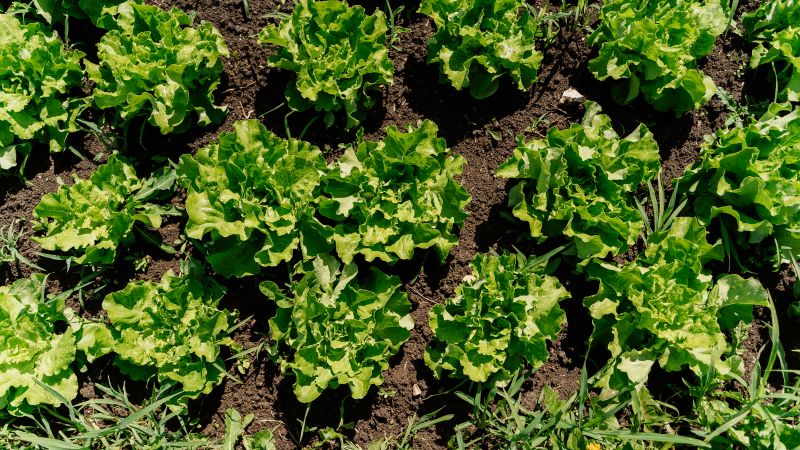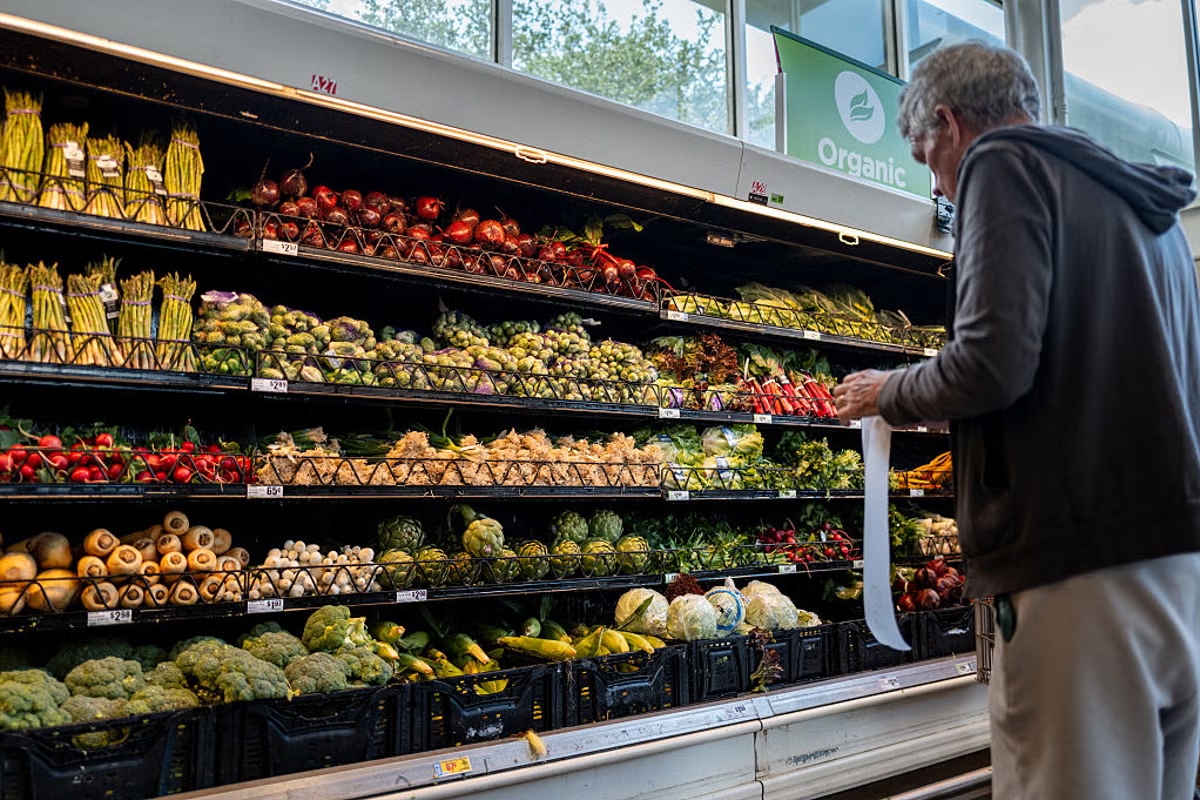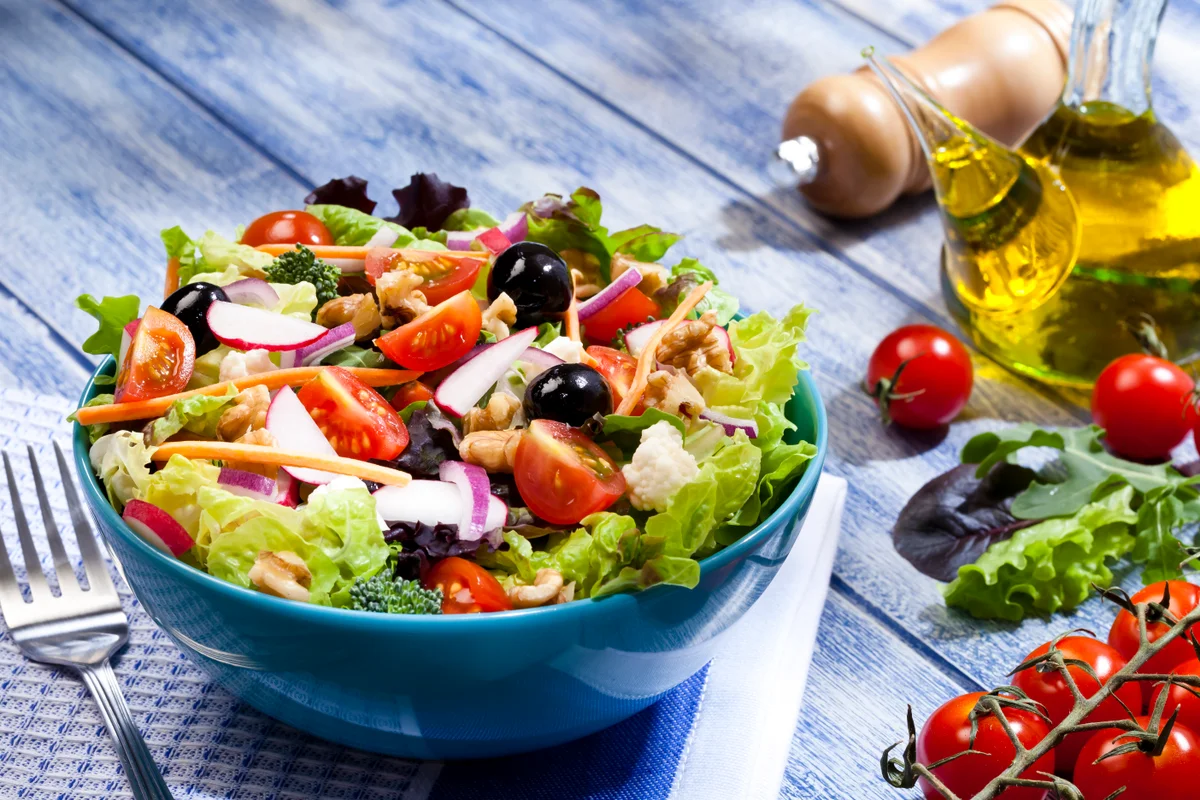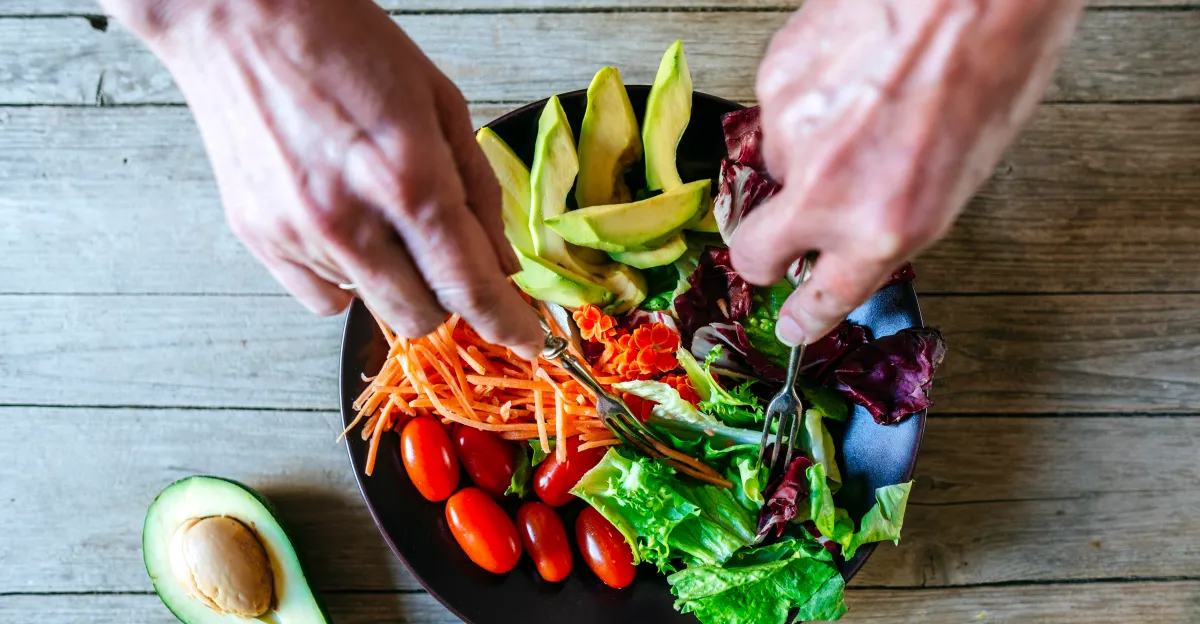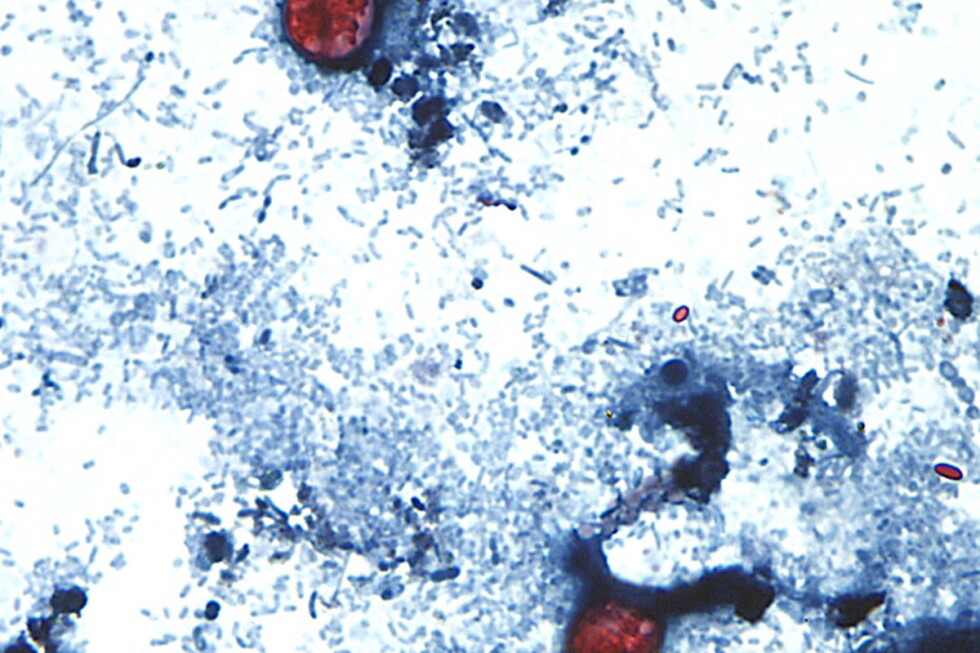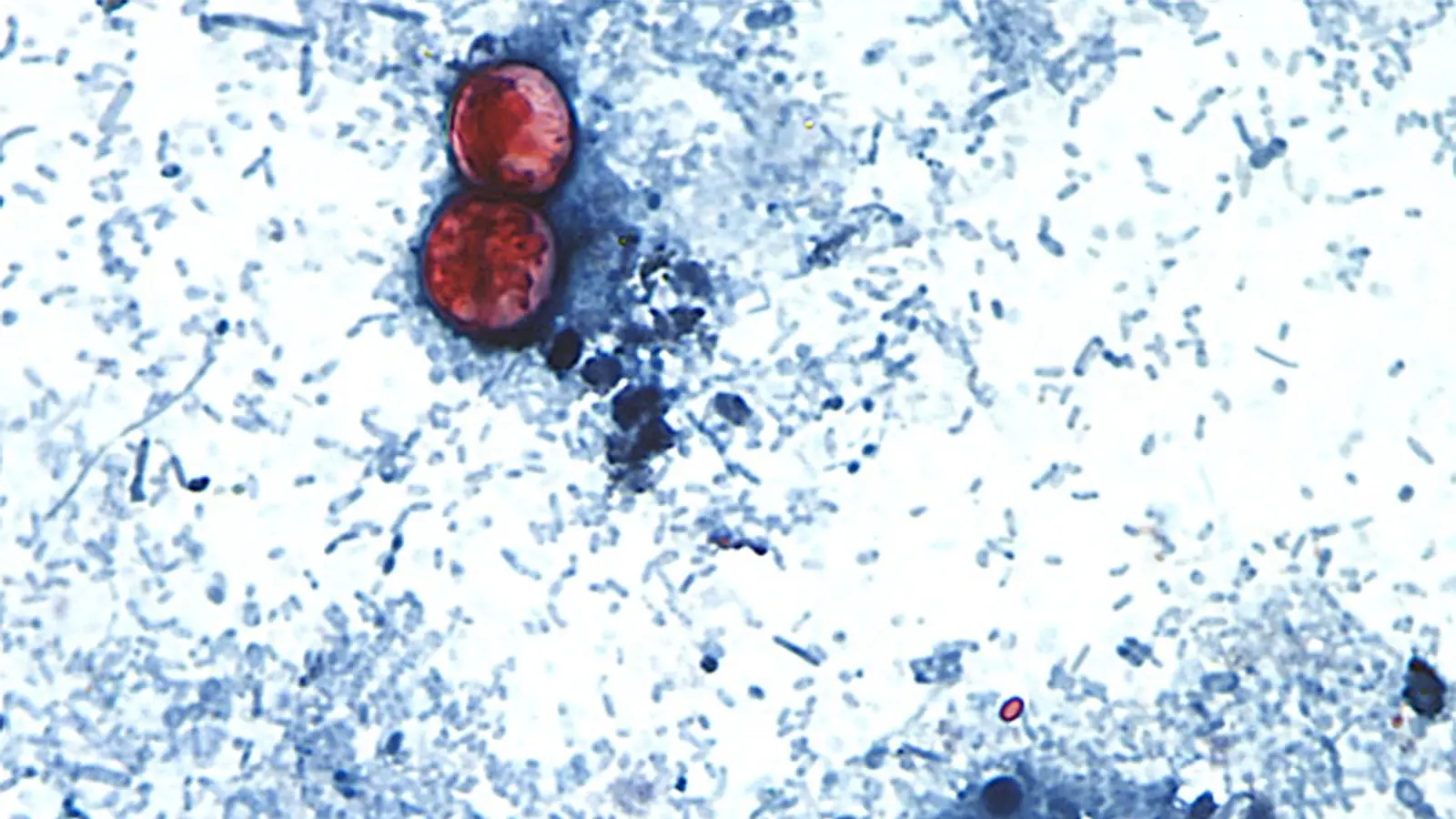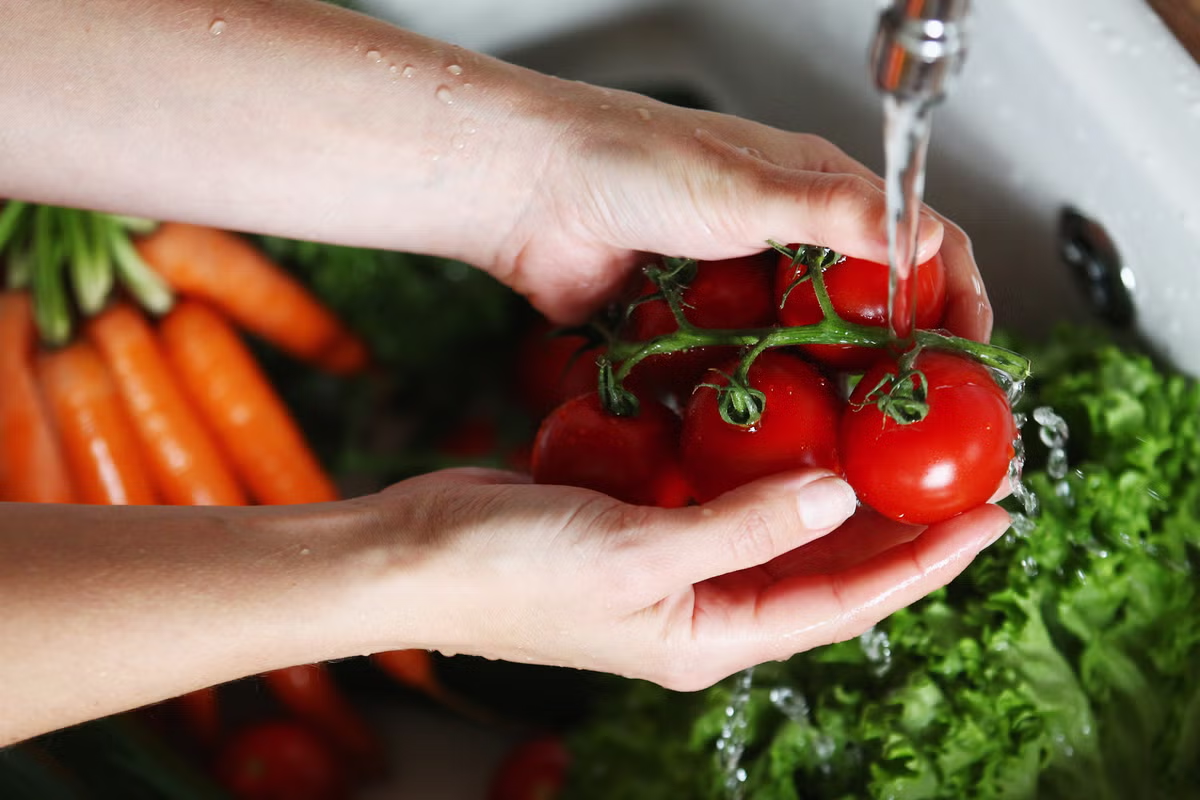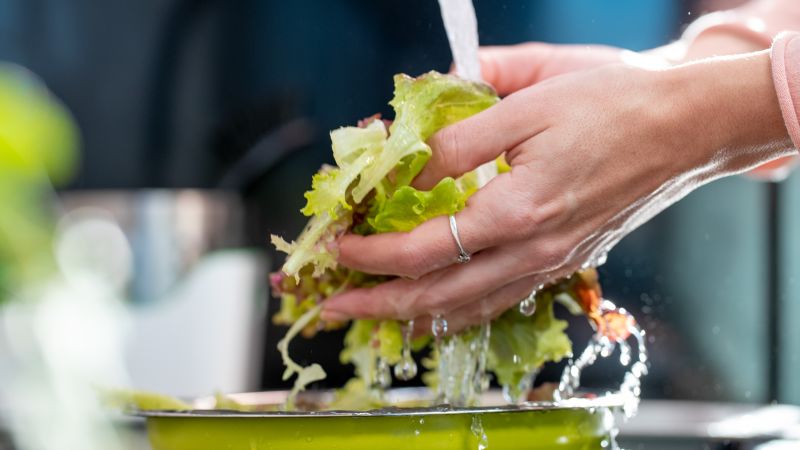
Unfortunately, poop has been on everyone’s minds the past few weeks during the recent cyclosporiasis outbreak (thanks to Cyclospora, aka “the diarrhea parasite”), which likely spread when water was contaminated with human waste.While human feces ending up on produce is never OK, the whole fiasco makes it natural to wonder what else could be on our fruits and vegetables. After all, one of the main reasons we wash produce is to remove things like fertilizer, which is often made with manure.Does this mean that, even on a regular day, poop could be on your produce? And, if so, how dangerous is it to eat it?We talked with five food safety experts to learn more about how produce in the U.S. is grown and processed, and whether any amount of poop on produce is ever acceptable. Ekaterina Goncharova via Getty ImagesConsumers have been nervous about eating lettuce since the cyclospora outbreak, but food safety experts have reasons to keep eating it.Is there animal poop on produce? When thinking about the root cause of produce contamination, it’s important to know how exactly fruits and vegetables are grown. Just like the fertilizer you might spread in your own backyard, fertilizer for commercial fruit and vegetable production very likely contains animal manure. “Soil amendments [material mixed with soil to improve its makeup] are really critical to soil health because it helps boost the yield of the crop,” Kali Kniel, a professor of microbial food safety at the College of Agriculture and Natural Resources at the University of Delaware, told HuffPost. Kniel explained that cow manure and chicken litter are commonly used in what’s called biological soil amendments of animal origin (BSAAO). While these amendments help enrich the soil, she emphasized that there are strict regulations about how they’re handled and used, because incorrect use could lead to bacterial contamination that can make people sick. Darin Detwiler, an assistant teaching professor at Northeastern University’s College of Professional Studies who has been a food safety expert for more than 30 years, said this too. “While some farms use animal manure as a fertilizer, strict agricultural standards govern how and when it can be applied to minimize the risk of contamination. Proper composting and application timing are designed to reduce pathogens long before produce is harvested,” he told HuffPost. To prevent the spread of bacterial infections from fertilizer containing manure, Kniel explained that the fertilizer is heated so that any harmful bacteria aren’t there anymore. That’s not the only regulation to ensure it’s safe, either. “The Food and Drug Administration’s Produce Safety Rule requires farms to handle animal-based soil amendments in ways that prevent them from contaminating produce, water, equipment and food-contact surfaces,” said Indu Upadhyaya, an associate extension professor of poultry science and food safety at the University of Connecticut.Curious about whether you should worry about insect poop on your produce? Don’t lose sleep over it. “As far as we know, there are no infectious diseases spread by insect feces,” said Donald Schaffner, the department chair, professor, and extension specialist in food science at Rutgers University. Here’s something that should put your mind at ease: All five food safety experts told HuffPost that no amount of poop — from any source — is considered acceptable by the FDA. “No amount of animal, domestic or wildlife feces is acceptable on produce,” said Luke LaBorde, a professor emeritus of food science at Penn State University. “There are FDA regulations that provide guidelines for composting animal manures used as a nutrient source and for avoiding crop contact.” Again, there should never be poop on your food. MoMo Productions via Getty ImagesYou should still rinse the dirt off before consuming your produce, but in general, it’s not something to worry about.What about the dirt on produce?Upadhyaya explained that a little dirt on a carrot or potato doesn’t mean it’s contaminated with manure. In fact, Kniel said that a lot of people like seeing a little dirt on their produce because it gives it a more natural look. She said that you should still rinse the dirt off before consuming your food, but in general, it’s not something to worry about.“The greater concern isn’t what you can see, it’s what you can’t. Harmful microorganisms are invisible,” Detwiler said. He explained that fresh produce can become contaminated in several different ways, including from wildlife, livestock, domestic animals, birds, insects, contaminated irrigation water, soil, improperly composted manure, and infected workers who handle produce during growing, harvesting or processing. Detwiler said that this can introduce dangerous microorganisms, including bacteria such as E. coli, Salmonella, Listeria monocytogenes, and Campylobacter, as well as parasites like Cyclospora cayetanensis and Cryptosporidium.“It’s important to understand that contamination isn’t simply about the presence of animals or insects in a field. Agriculture takes place in a natural environment where wildlife and insects are expected. Their presence alone doesn’t mean food is unsafe. The real concern is whether pathogens find a pathway from their source to the crop,” he said.How does this happen? Detwiler said the most important and often overlooked way is through water. “Irrigation water is the lifeblood of agriculture, but if that water becomes contaminated, it can efficiently spread harmful microorganisms across an entire field. That’s why agricultural water quality has become one of the most significant focuses of modern produce safety,” he said.Detwiler explained that water can become contaminated in many ways, including by human sewage. Improperly treated wastewater, failing septic systems, stormwater runoff, wildlife activity and livestock operations can all introduce pathogens into rivers, reservoirs, canals or groundwater used to irrigate crops.Edwin Tan via Getty ImagesIf you buy produce that is labeled “triple-washed,” Schaffner said you shouldn’t wash it again because it could potentially introduce contamination from your kitchen.How does human feces get onto produce?Now you know that there are strict regulations to make sure that animal poop doesn’t end up on your produce, even if it’s in the fertilizer. But the recent cyclosporiasis outbreak stemmed from human feces (shudder). How does this happen, especially at the scale it’s occurring right now?“First, I want to point out that bacteria are fundamentally different from parasites. These are not the same organism at all. Parasites are actually more closely related to us than either are to bacteria,” Schaffner said. Upadhyaya said this, too. “The organism behind this outbreak, Cyclospora cayetanensis, is a microscopic parasite, not a bacterium,” she explained. Detwiler said that this matters because Cyclospora differs significantly from E. coli. “It is considered a human-specific parasite, meaning cattle and other animals are not believed to be important reservoirs,” he said.What happened is not the case of an employee not washing their hands after using the bathroom. While all the food safety experts who spoke to HuffPost said the cause of the current outbreak is unknown, Upadhyaya said it may have happened through irrigation or agricultural water affected by sewage, septic-system failures, runoff or flooding, or contaminated water used to wash or cool produce.“Cyclospora contamination is most often associated with water contaminated by human fecal waste, whether from inadequate sanitation, sewage contamination, or improperly treated wastewater used during growing or processing,” Detwiler said. This is different from E. coli and Salmonella, which he explained are more commonly associated with animals.“Ultimately, the risk isn’t determined simply by whether contamination came from a human, a cow, a deer or a bird. The risk depends on which pathogen is present, how much is present, how it reaches the product, and whether it survives long enough to infect someone,” he said.Detwiler explained that by the time consumers rinse produce in their kitchens, most of the opportunities to prevent contamination have already passed. The most important interventions occur much earlier, through safe water management, worker hygiene, environmental monitoring, supplier verification and agricultural practices designed to prevent pathogens from ever reaching the crop.How can you make sure your produce is safe? While the current cyclosporiasis outbreak is alarming, Kniel emphasized that it shouldn’t stop anyone from buying and eating produce. “The majority of the people working in fresh produce are really trying to do a good job and protect consumers from food safety risks. They’re also feeding their own families with this food,” she said. That said, there are some steps you can take at home to protect yourself from contaminants. If you buy produce labeled “triple-washed,” Schaffner said you shouldn’t wash it again because it could potentially introduce contamination from your kitchen. If you purchased something that is not washed, he recommends washing it under cold water briefly. While this doesn’t make it safe, it does get any dirt remnants off, which you don’t want to eat. Detwiler emphasized that you shouldn’t use soap, bleach, or commercial produce washes when rinsing produce; just use water. “One of the biggest misconceptions is that if produce looks clean, it’s safe, or if it looks dirty, it’s dangerous. Neither is necessarily true. Food safety isn’t determined by appearance,” he said. He added that one sure way to ensure your produce is safe is by cooking it, because heat kills many harmful pathogens. What the food safety experts want people to know the most is that you shouldn’t let fear of contamination stop you from eating produce. “The health benefits of fruits and vegetables overwhelmingly outweigh the risks. The focus should be on buying from reputable sources, washing produce appropriately, and staying informed about recalls,” Detwiler said.Rest assured that there are federal regulations in place to make sure poop doesn’t end up on your produce. The dirt on your lettuce isn’t a big deal. Give it a rinse and don’t be afraid to dig in.
Food Safety Experts Want You To Keep Eating Fresh Produce — With A Couple Surprising Rules In Mind
Cyclospora, aka the diarrhea parasite, has consumers asking questions about how fruit and vegetables are grown. It’s time you knew.
1,597 words~7 min read