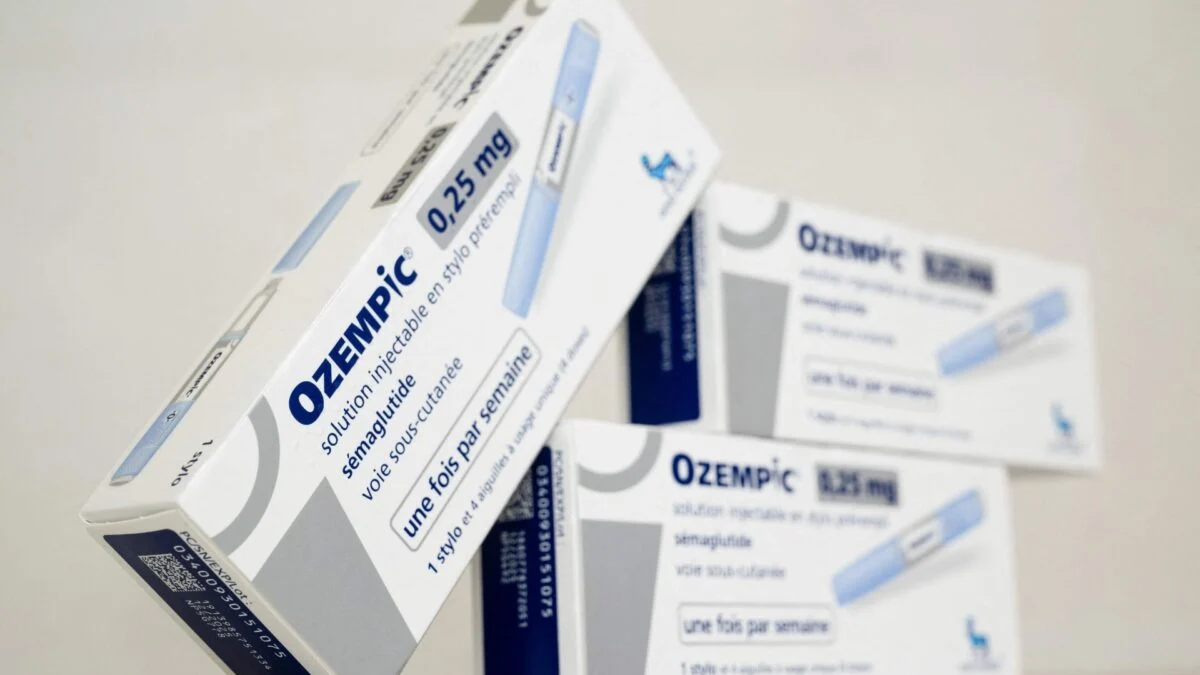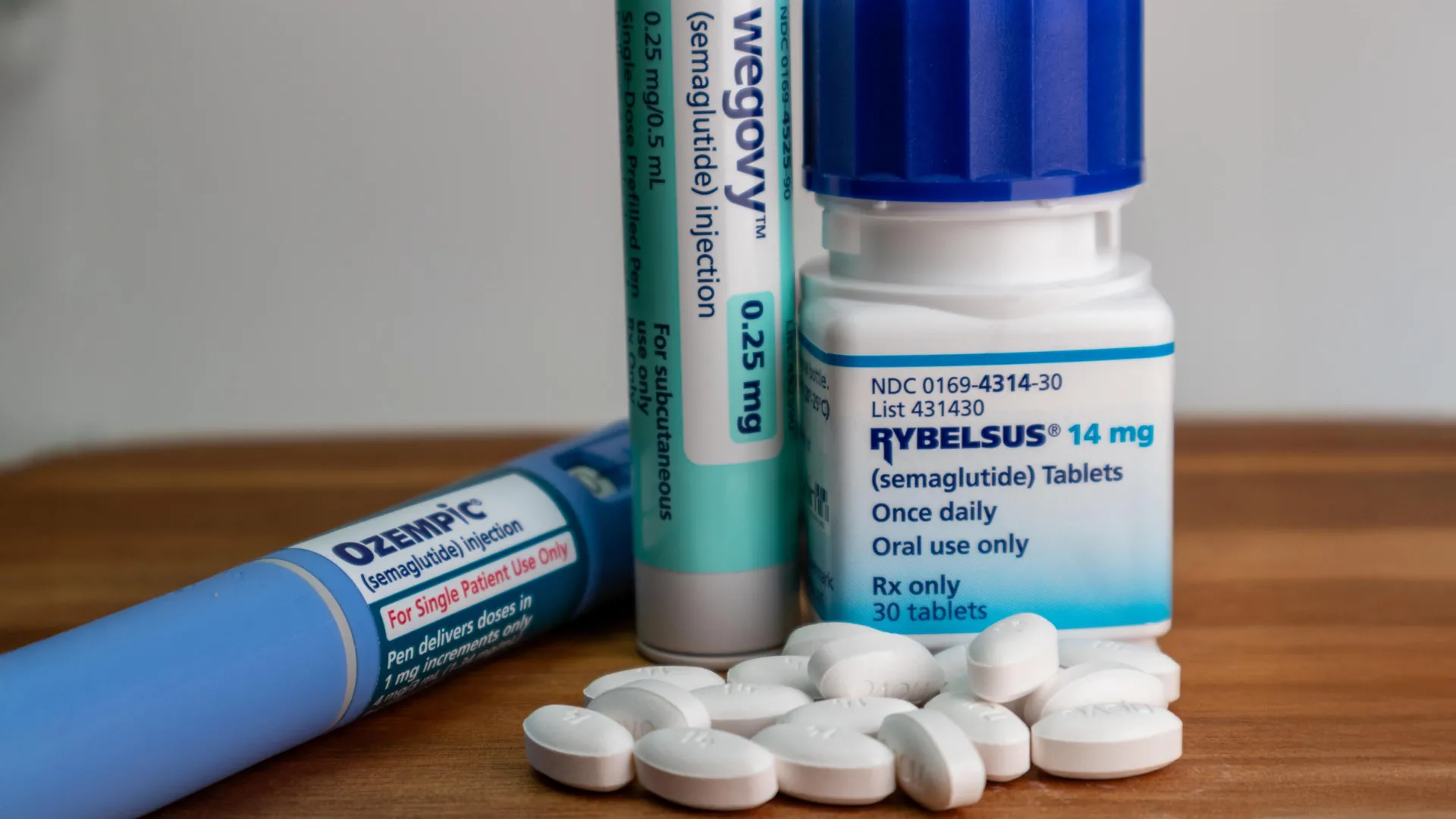
The growing popularity of GLP-1 medications such as Ozempic, Wegovy, and Rybelsus has largely been driven by their ability to help people lose weight, improve blood sugar control, and reduce the risk of cardiovascular disease. Now, researchers have uncovered another possible benefit. A new clinical trial suggests that semaglutide, the active ingredient in those medications, may also help slow some of the biological processes associated with aging.
Published in Nature Communications, the study provides the first randomized, placebo-controlled evidence in humans that semaglutide may slow the buildup of DNA markers linked to biological aging in adults living with HIV.
Semaglutide Slowed Biological Aging Markers
Scientists from the University of California San Diego and collaborating institutions examined data from an earlier clinical trial involving 108 adults with HIV-associated lipohypertrophy, a condition that causes excess fat to accumulate around the abdomen. Roughly half of the participants received weekly semaglutide injections, while the rest were given a placebo for comparison.
To evaluate aging, the researchers relied on several "epigenetic clocks." These tools estimate biological age by measuring DNA methylation, a pattern of chemical tags that influences how genes are switched on or off without changing the DNA sequence itself. Changes in these markers can provide insight into whether the body's cells appear to be aging faster or more slowly than expected.