science
Gaganyaan was supposed to fly in 2022 and make the country only the fourth to put people into orbit
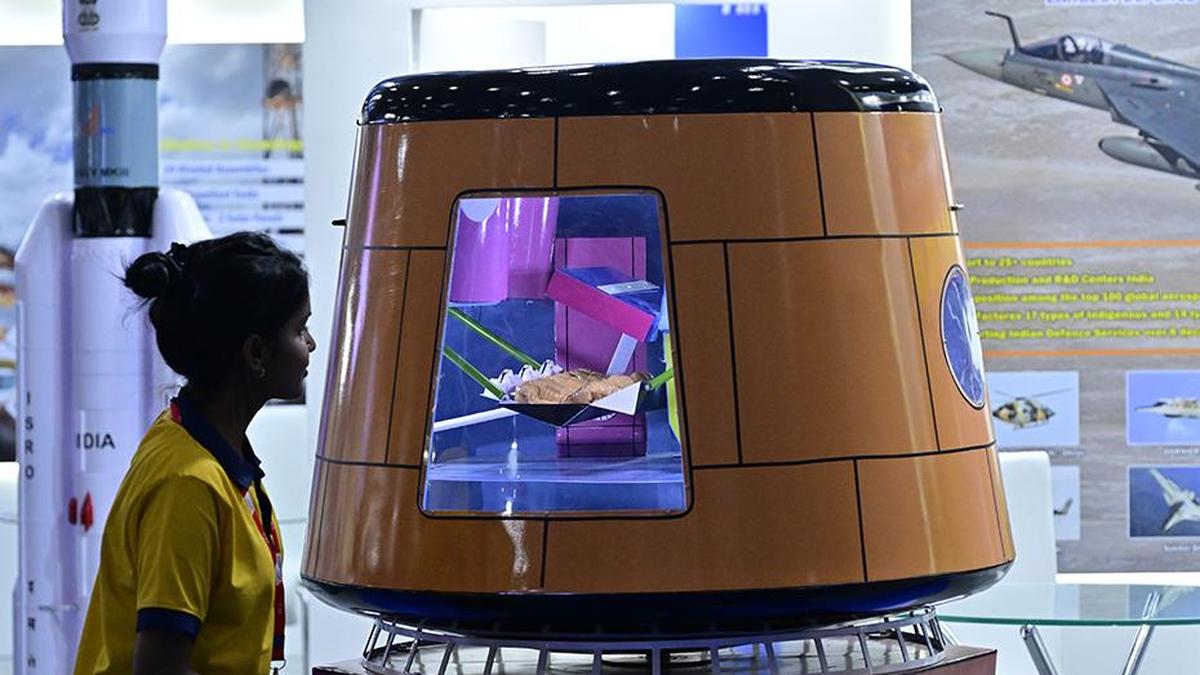
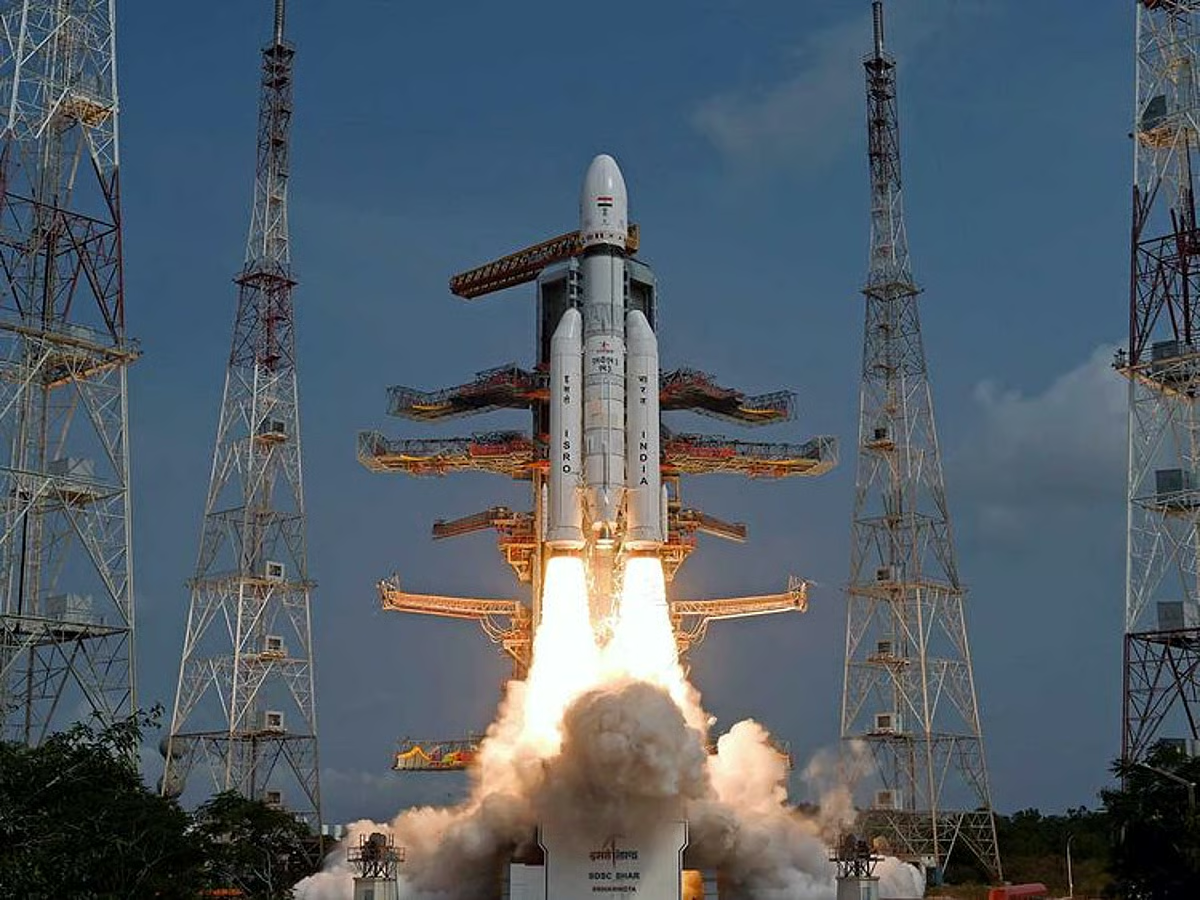
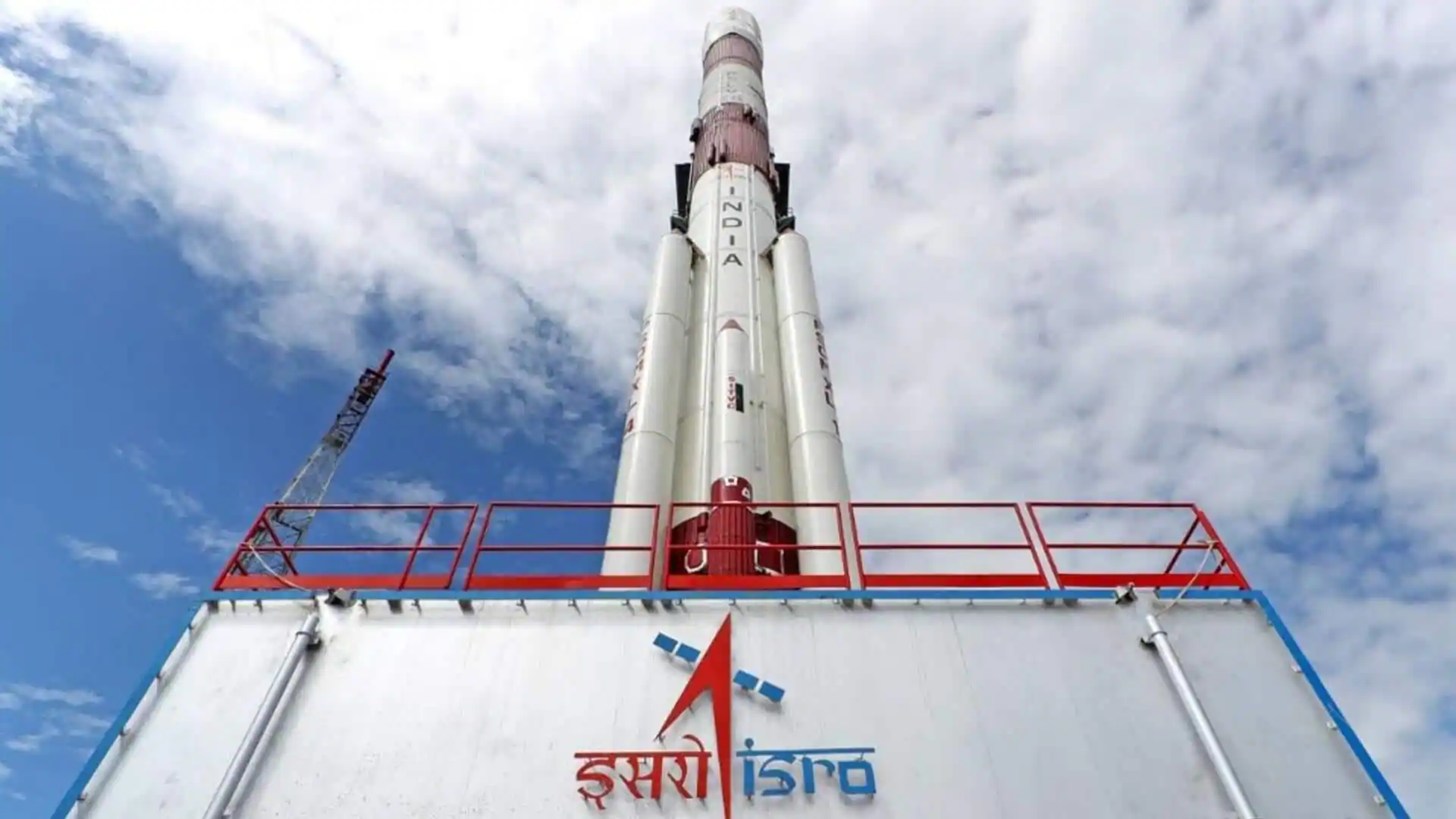
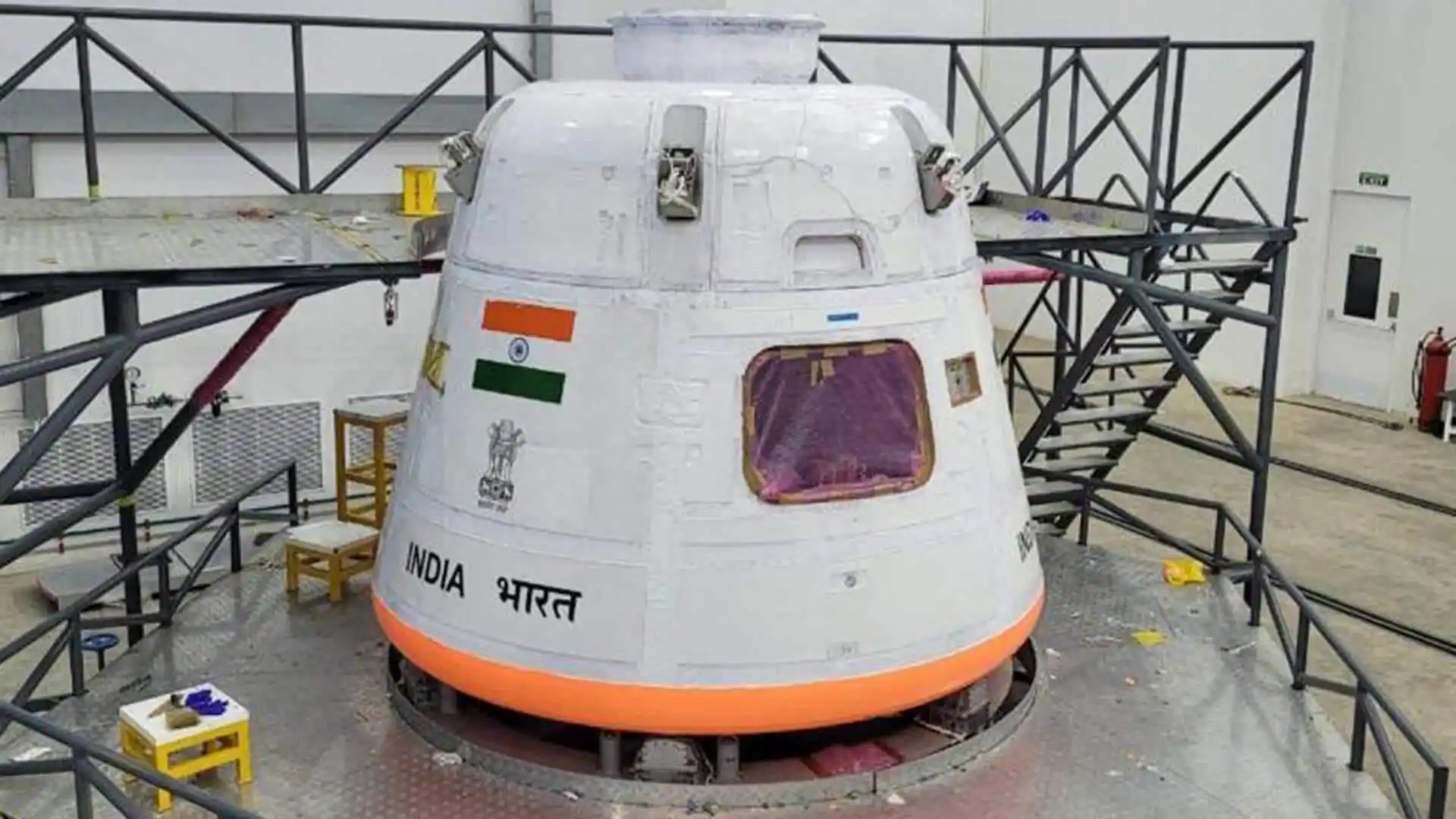
Indian Space Research Organisation (ISRO) has successfully tested systems it plans to use on the nation's first crewed space mission, but when that mission will launch remains a mystery.ISRO's crewed mission program, "Gaganyaan," is intended to carry astronauts on a rocket called the Human-Rated Launch Vehicle Mark 3 (HLVM3) into orbit. The space agency has already launched the cargo-rated version of the three-stage LVM3 rocket nine times and has a perfect success rate.When India launches humans into space, they'll occupy a crew module. On Sunday, ISRO announced it had successfully accomplished three major qualification tests for that module.
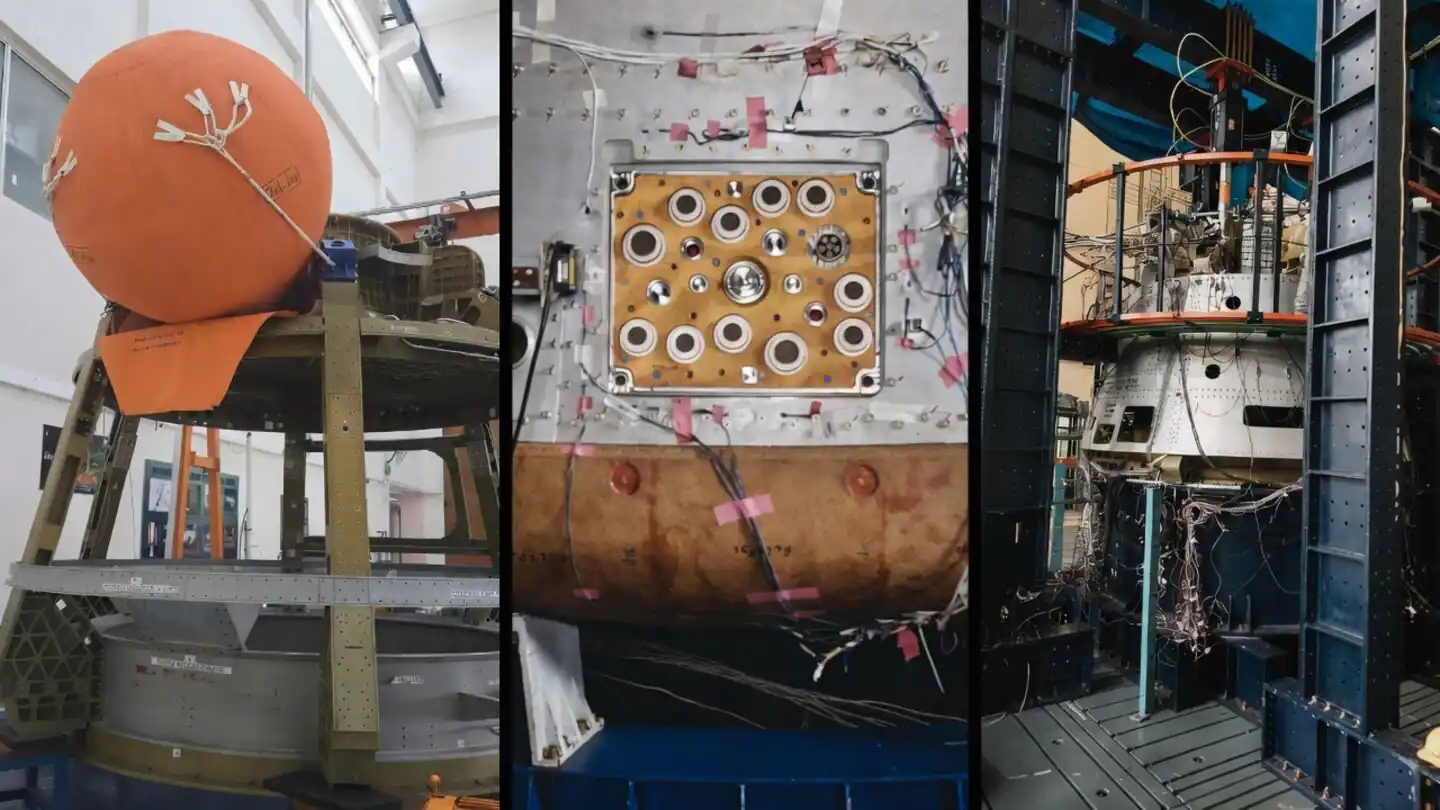
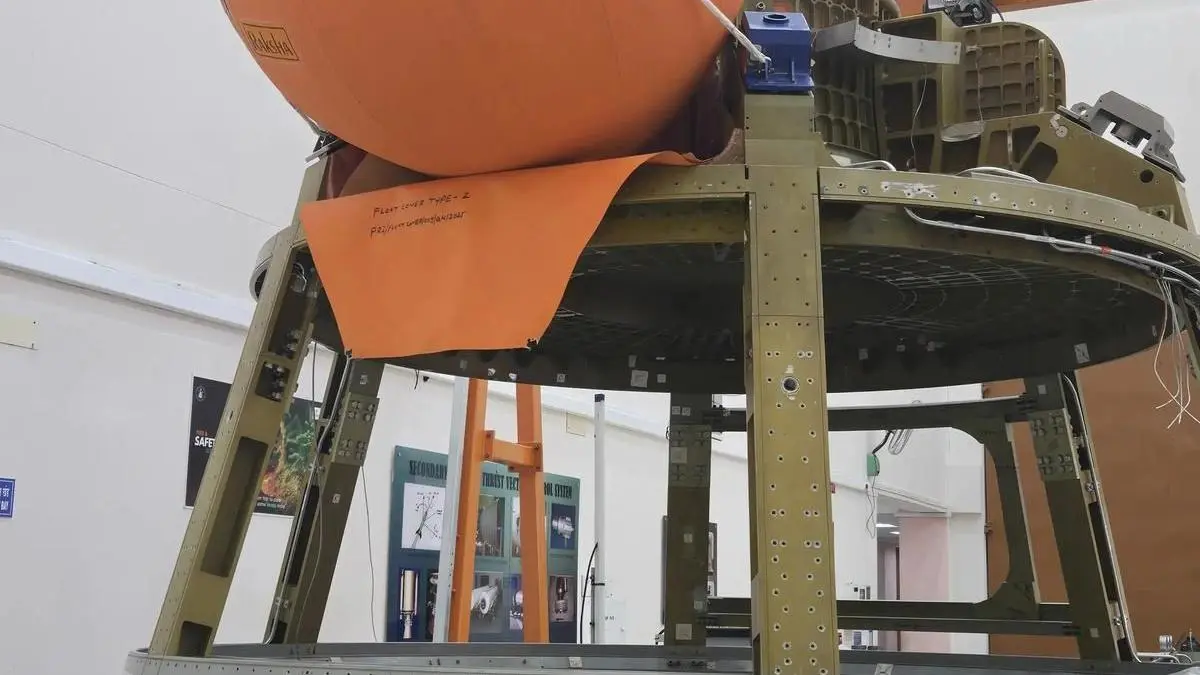
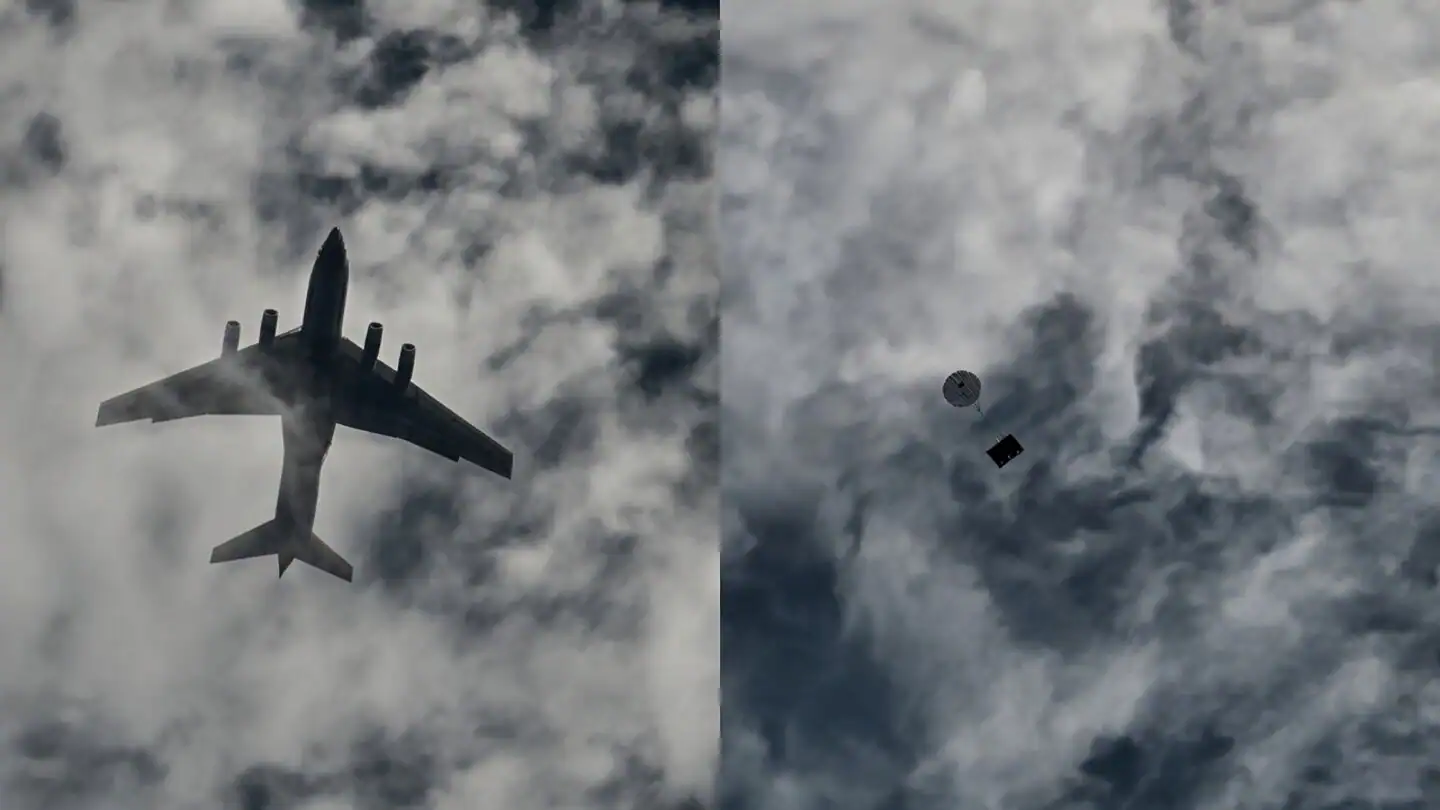
One test qualified the primary flotation unit in the system designed to right the crew module after splashdown. Another tested the mechanism that disconnects the umbilical links between the crew and service modules. The third assessed whether the crew module structure could withstand the loads generated when the cover protecting its parachutes separates.
The tests are the latest in a long series of qualification milestones for Gaganyaan. Last July, ISRO tested the Service Module Propulsion System (SMPS) and proclaimed it ready to raise and maintain its orbit, handle an emergency mission abort, and perform the deorbit maneuvers ahead of re-entry.However, the agency has had little to say about when Gaganyaan will fly.