in Food & Drink, History | July 14th, 2026 Leave a Comment
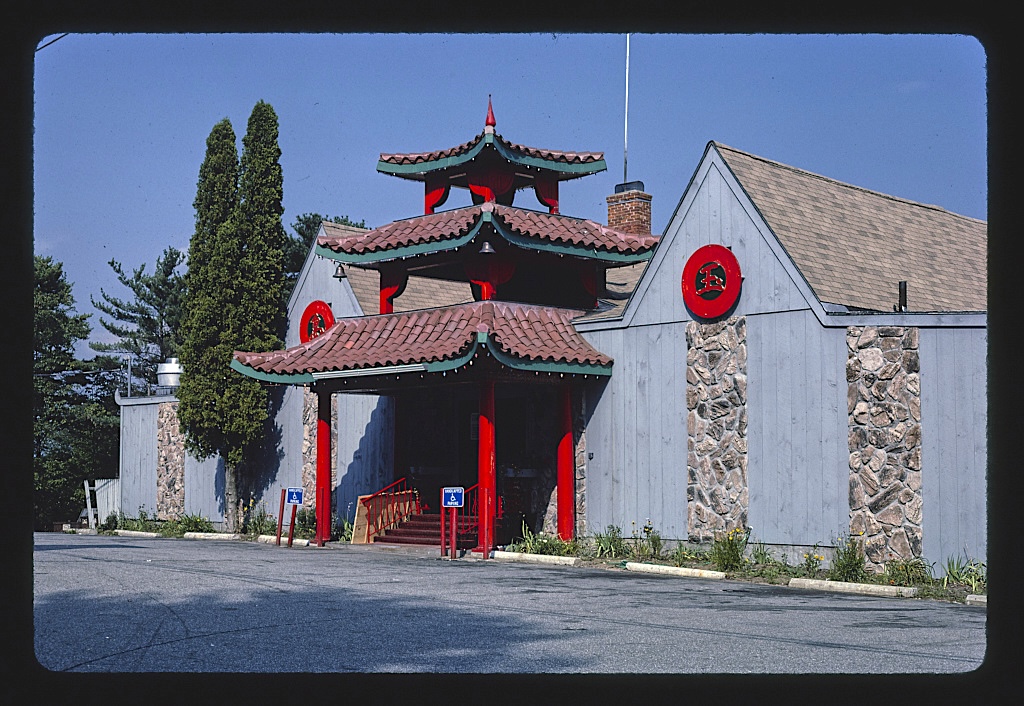
This past spring, the oldest continuously operated family-owned Chinese restaurant in the United States served its last plate of chop suey. Pekin Noodle Parlor had been an institution in Butte, Montana’s Chinatown since 1911, long outlasting the town’s gold-rush boom, but according to its final, fifth-generation owner, it couldn’t survive changing attitudes toward dining out in the twenty-twenties. Whether or not COVID-influenced habits or delivery-app addiction are to blame, the Pekin’s closure constituted an occasion to reflect on the history of American Chinese food, and its rapid evolution into a distinct cuisine unto itself.
Take chop suey, which was advertised on the Pekin’s neon sign in lettering larger than the name of the restaurant itself. Often cited as an early “Chinese” dish actually invented by Chinese immigrants in the United States, it may have a certain basis in the tsap seui eaten in Guangdong province from which many of them had come.
But even there, it amounted to a technique for throwing together a hodgepodge of leftovers in a palatable manner; only with its Americanization did it acquire a distinct set of flavors and textures. A similar process seems to have produced General Tso’s chicken, broccoli beef, lo mein, and all the other dishes that the movies have convinced the world Americans eat directly from wire-handled paper boxes.