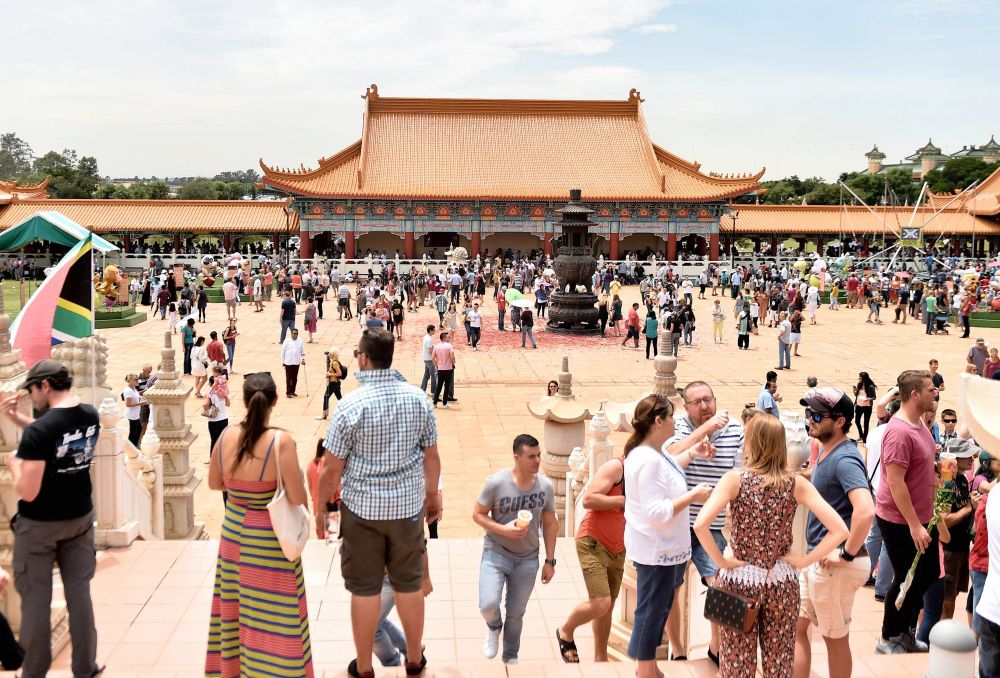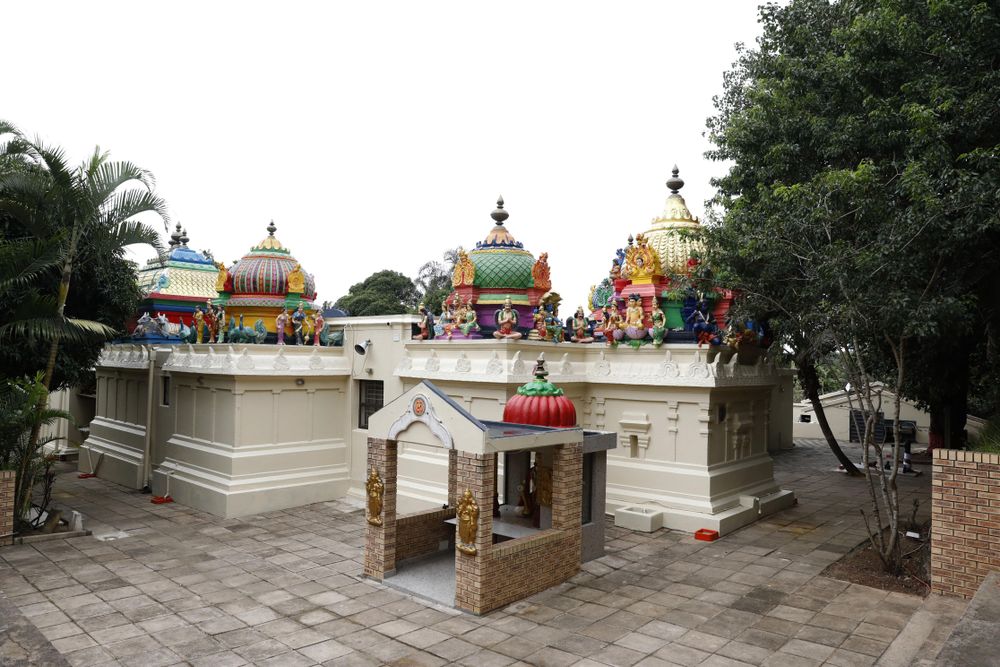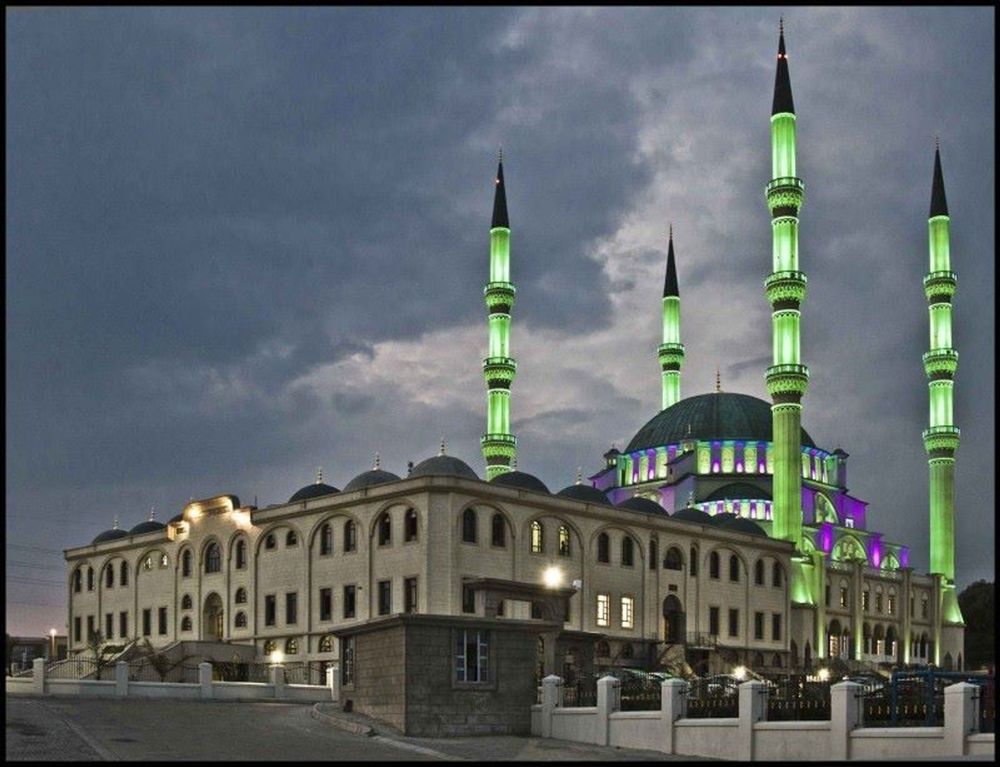
The Nizamiye Mosque Complex in Midrand and other prominent religious institutions in South Africa could open up new avenues of tourism generation as the country searches for new engines of inclusive growth.
For decades, South Africa has proudly marketed its abundant wildlife, breathtaking beaches, and lush vineyards to entice international visitors. Yet, beneath the surface, an often-overlooked tourism asset beckons: faith. In an era where religious and sacred tourism is soaring worldwide, South Africa finds itself at the cusp of a significant untapped potential that could drive economic growth and enrich local communities.
The sector of religious tourism, which has become one of the fastest-growing segments globally, generates billions each year, especially in regions like Europe and Asia. Here, pilgrimage destinations such as the Camino de Santiago illustrate how spiritual journeys can stimulate local economies, create jobs, and preserve cultural identities. However, Africa, with its profound spiritual diversity and heritage, has yet to harness this economic engine.
Researchers from the Tourism Research in Economics, Environs and Society (TREES) unit at North-West University are keen to change this narrative. Led by Prof Lisebo Tseane-Gumbi, Dr Walter Wessels, and Dr Michael Chambwe, the team is part of the SacredTravels4Growth initiative, funded by the European Union. The project aims to bolster higher education, tourism research, and sustainable development through religious and cultural tourism.