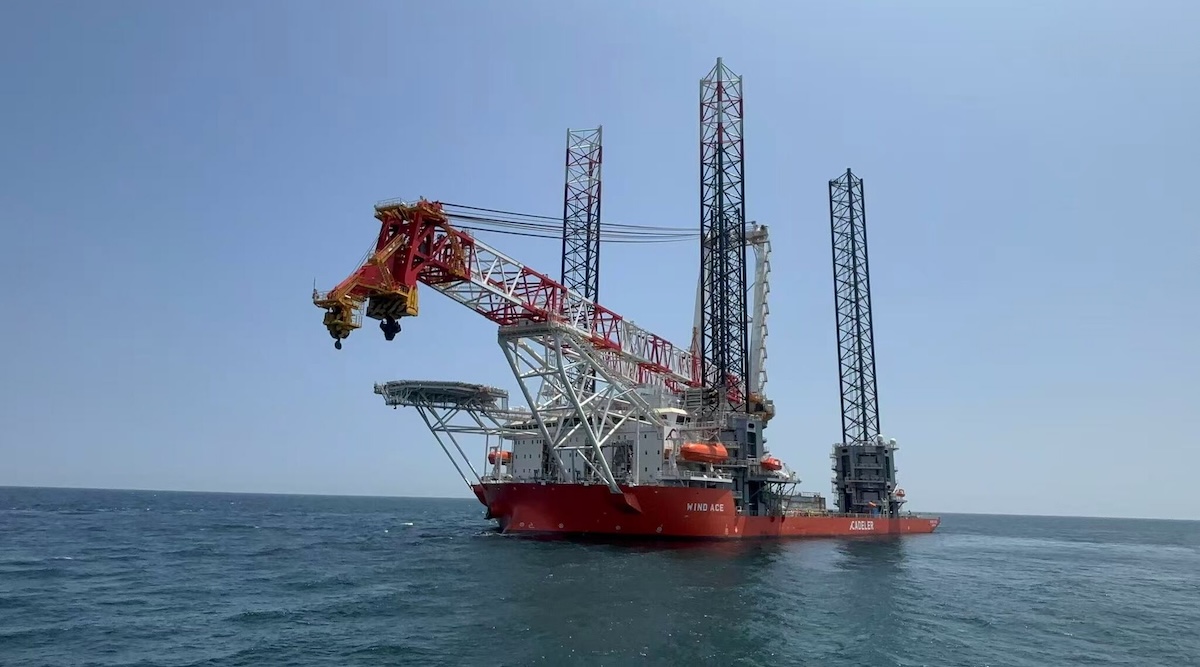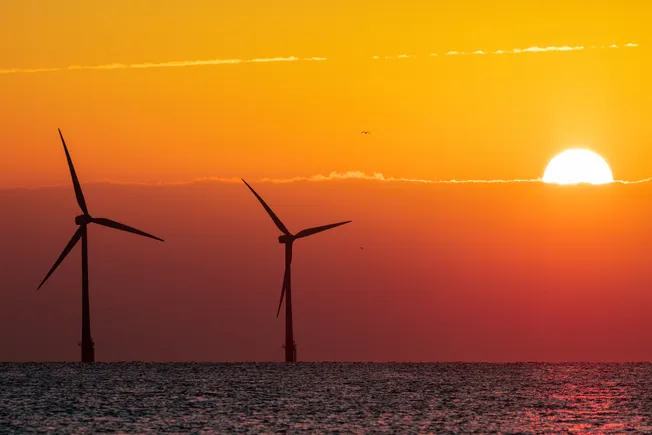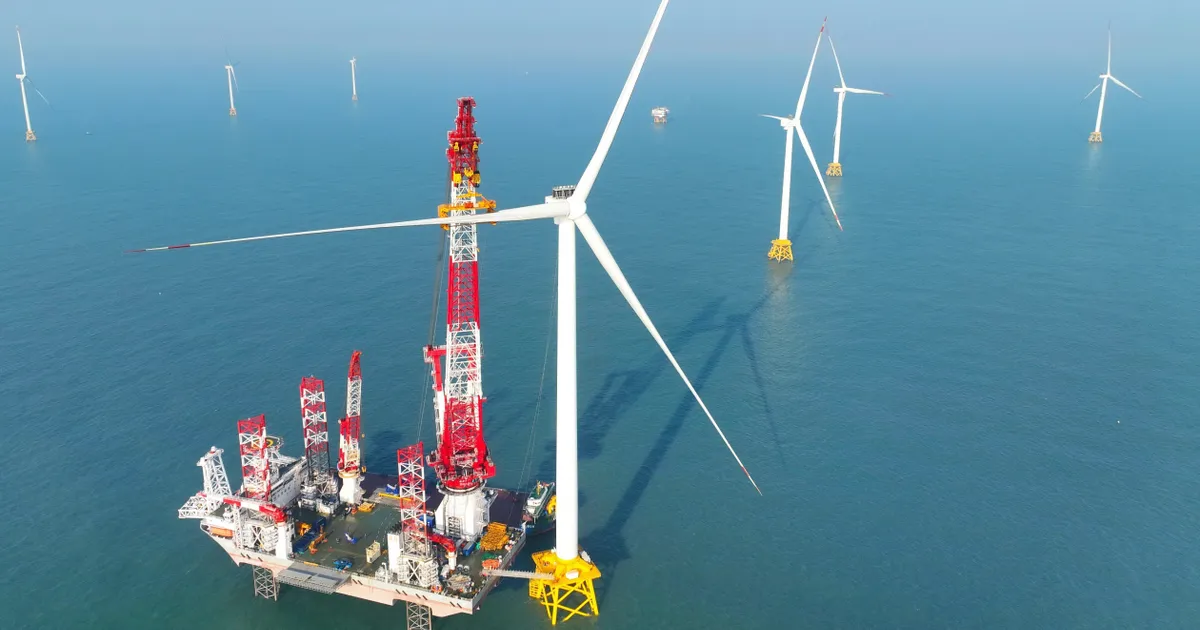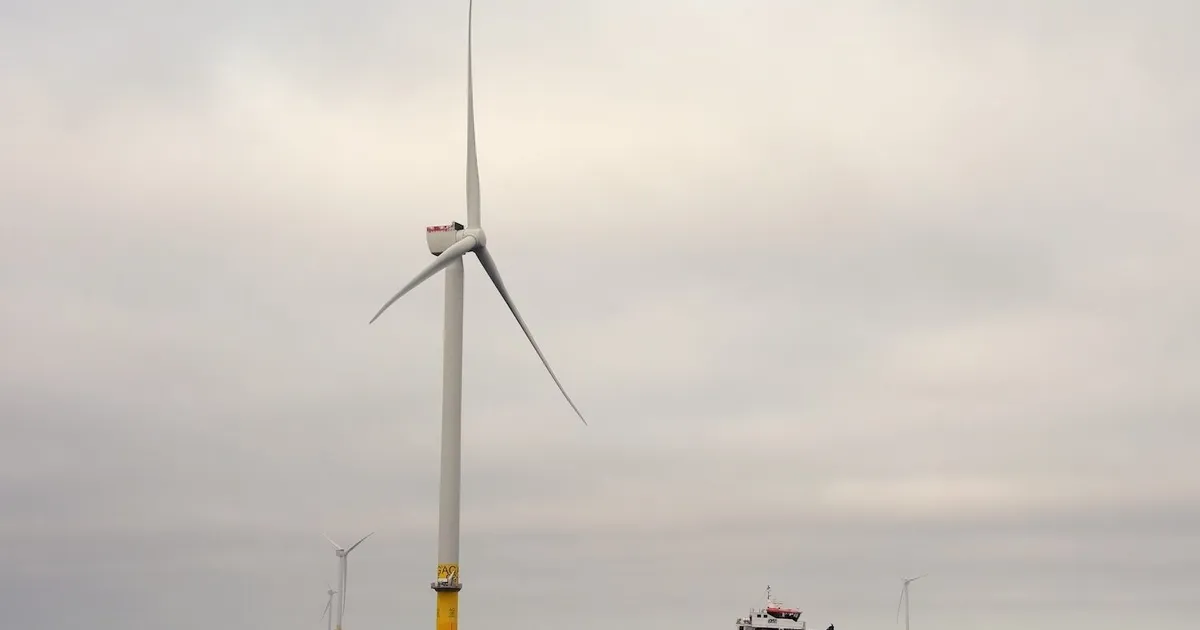
America’s offshore wind farms have already shown their ability to keep electricity flowing during brutal winter storms. Now, the clean energy resource has proved it can also bolster the grid during major heat waves.
Earlier this month, as dangerously hot and humid temperatures settled over the eastern United States, two wind projects near New England consistently delivered hundreds of megawatts to the grid as residents cranked up their air conditioners. The influx of wind reduced utilities’ reliance on dirty, expensive oil-burning peaker plants, which operate only when electricity demand is through the roof, according to the data firm Grid Status.
Analysts compared how the regional system performed during the July heat wave and a sweltering stretch in June 2025, before much of the current offshore wind capacity came online. Oil provided nearly 10% of the region’s total power supply during peak-demand conditions on July 2, 2026 — that period’s hottest day — down from nearly 15% at the highest point on June 24, 2025. That’s a drop of more than a gigawatt in oil-fueled generation between those two days.
Part of the decline was due to slightly weaker overall demand during the July 2 peak than during last year’s event. But Grid Status said that stronger generation from the region’s utility-scale offshore wind farms was a key factor. The projects are coming online despite repeated attempts by the Trump administration to block them.