This audio is auto-generated. Please let us know if you have feedback.
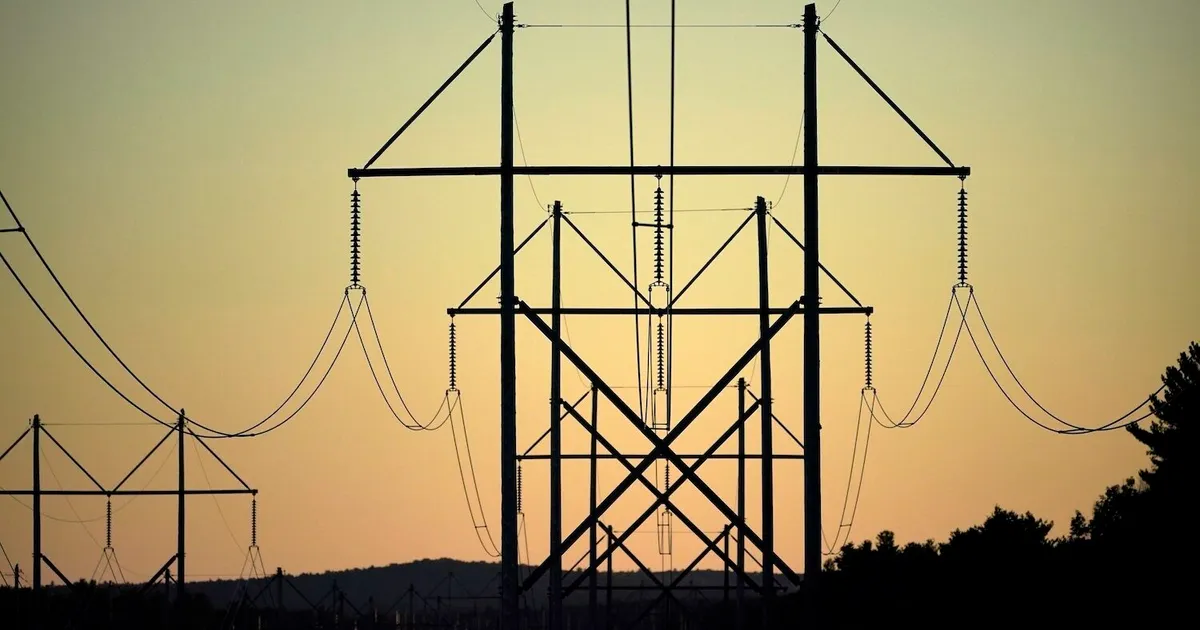
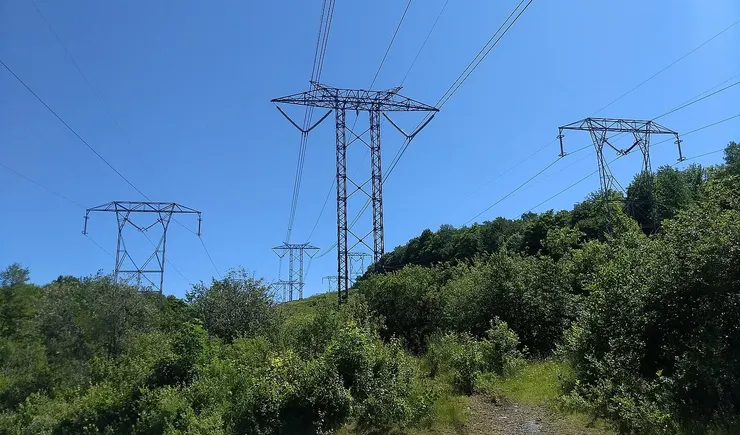
Nine Northeast states and the District of Columbia are exploring development of an offshore transmission network along the Atlantic Coast to reduce electricity costs and improve reliability. On Monday, the Northeast States Collaborative on Interregional Transmission published a trio of reports around technical standards and policy recommendations to advance a high-voltage direct current network.
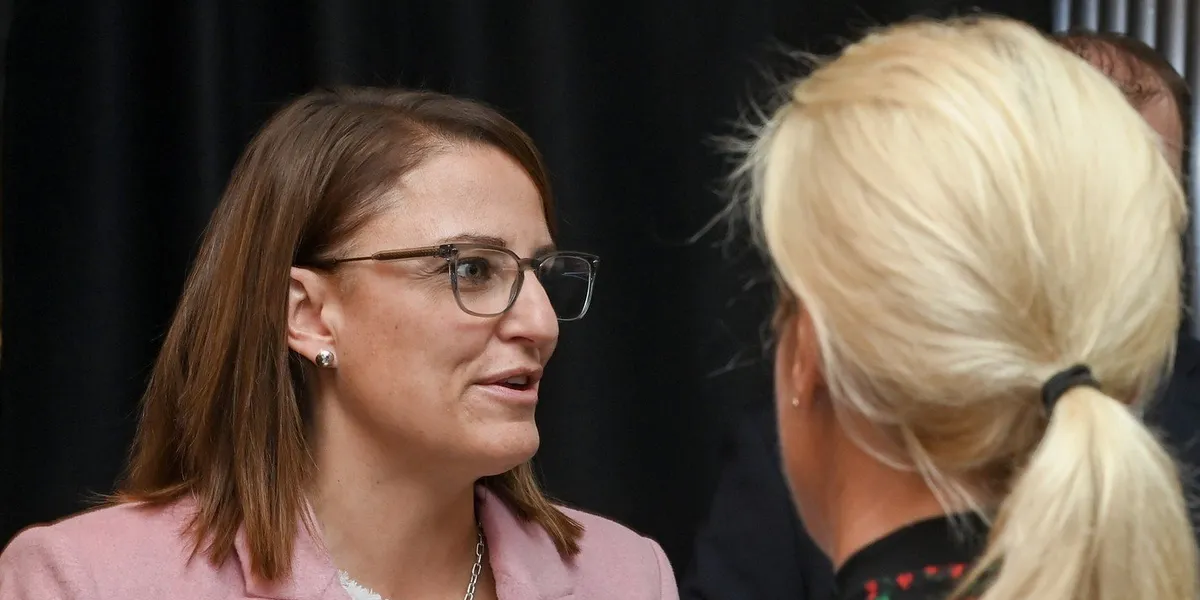
The reports are an important step in ensuring states, grid operators and the electric industry “are working from a shared framework to help accelerate offshore wind deployment and unlock broad consumer benefits,” Weezie Nuara, Massachusetts deputy secretary for federal and regional energy affairs, said in a statement.
Along with Massachusetts, the collaboration incliudes Connecticut, Delaware, Maine, Maryland, New Jersey, New York, Rhode Island, Vermont and D.C. The reports were developed by the Planning Offshore Interregional Network Standardization Consortium, a research effort that launched in 2025.
The states collaborative is made up of regulatory commissions, agencies and governor’s offices. The POINTS Consortium is a group of technical experts and state leaders.