When the New England Clean Energy Connect transmission line started carrying electricity from Canada into Maine in January, supporters hailed the project as a triumph for renewable power. Now, after nearly six months of operations, the early numbers raise questions about whether the project will be able to advance the region’s energy transition as much as advertised.
Energy flow into New England is up just marginally, and there have been roughly 27 days when no power at all traveled along the new line, commonly called NECEC. If current trends hold, New England will receive less hydropower this year over two transmission lines than it did over just one line in 2023 and previous years.
“What we’ve seen so far is not what some people expected to see,” said Joseph LaRusso, manager of the Clean Grid Program at climate nonprofit Acadia Center.
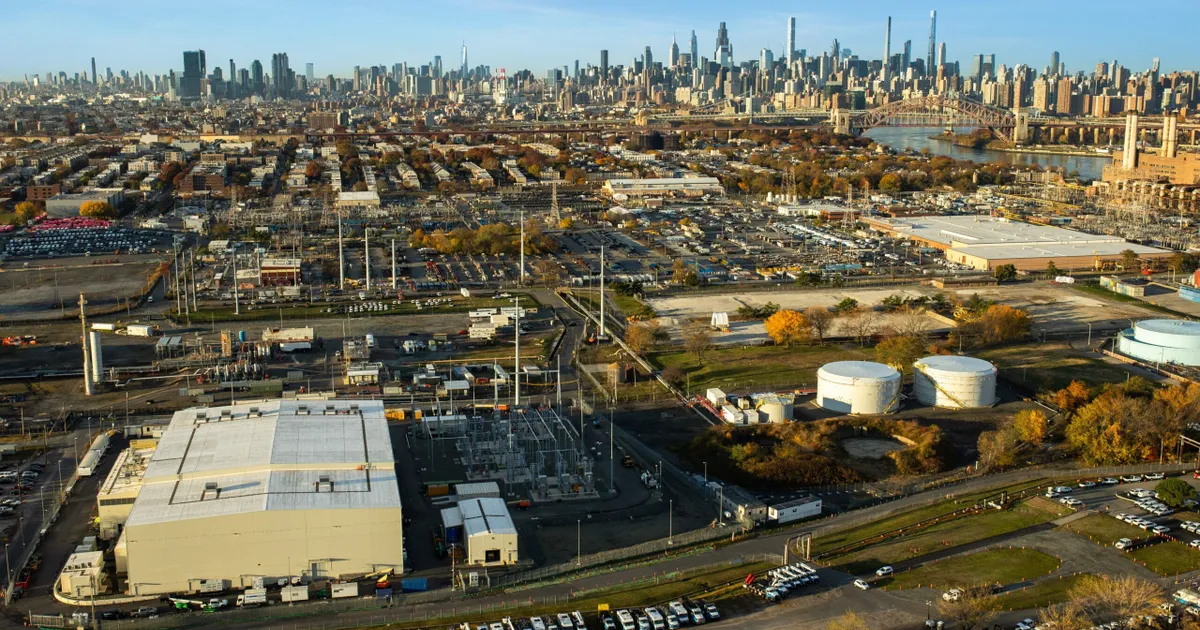
Potentially putting further strain on the supply of Canadian hydropower is the Champlain Hudson Power Express, a transmission line that started sending electricity from Quebec into New York City this month.
NECEC has its origins in a 2016 Massachusetts law that required the state to procure 1.6 gigawatts of offshore wind power and another 1.2 gigawatts of additional renewable energy. The plan was to contract with state-owned Canadian power supplier Hydro-Québec to tap into the region’s abundant hydropower resources and build a new transmission line to carry the electricity south.