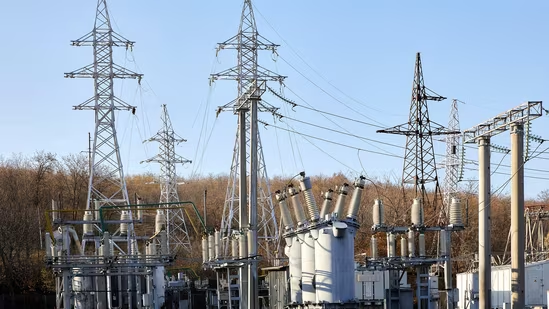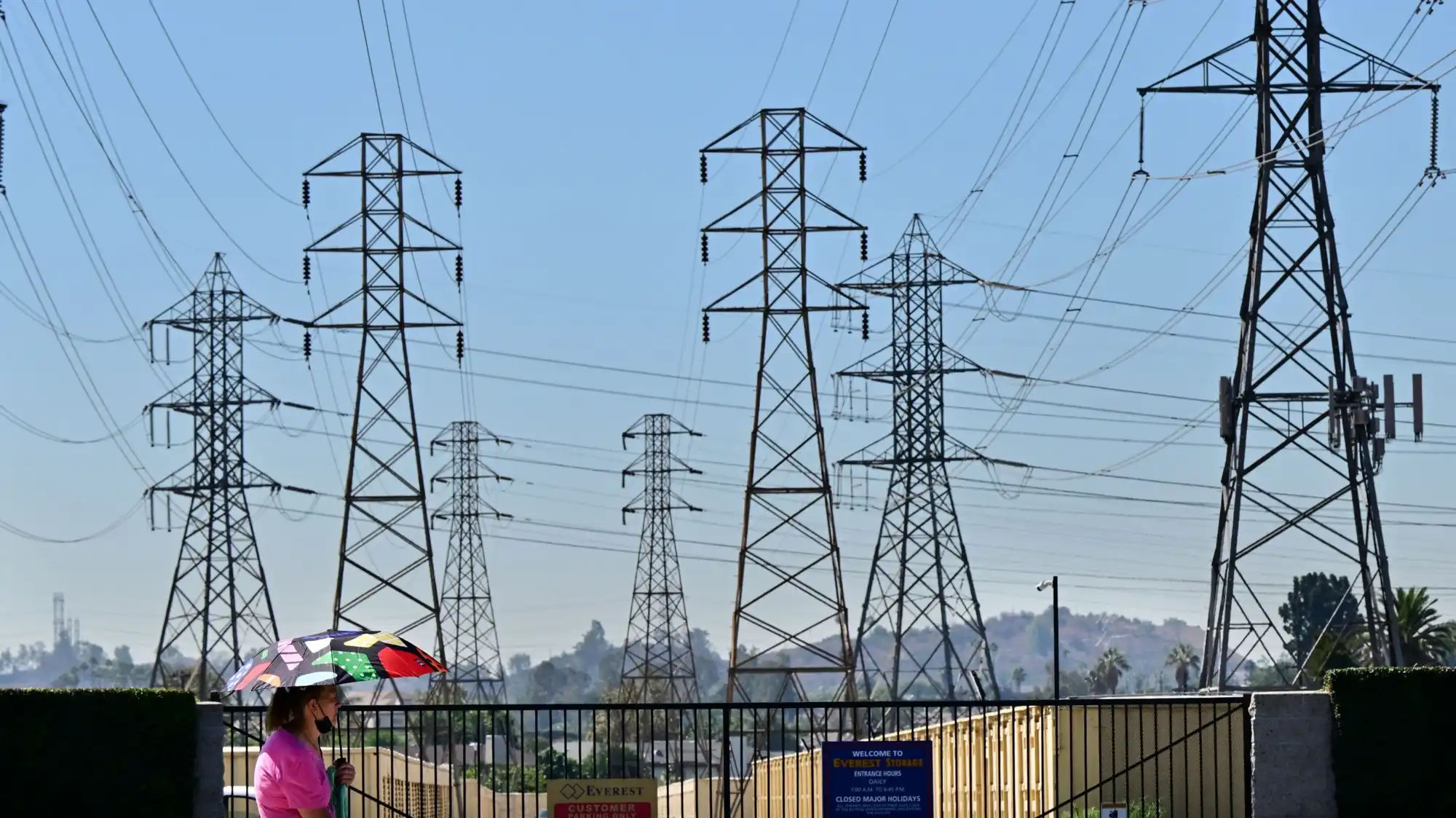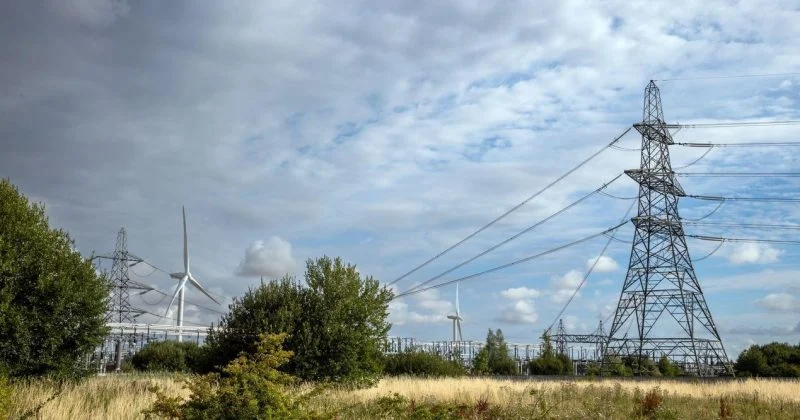
Last week brought soaring temperatures to much of the U.S., forcing Americans to switch on their air conditioners — or, in many cases, flex their heat pumps’ cooling capabilities. And to cope with it all, the U.S. power grid delivered more electricity than ever — a feat that wouldn’t have been possible without clean energy’s massive growth over the past few years.
Temperatures in the triple digits prompted grid operators across the U.S. to prepare for potential emergencies. PJM Interconnection, which covers parts of the Midwest and East Coast, was granted federal authorization to direct data centers and other large power users to tap diesel generators and battery backup systems as a “last resort” to prevent power shutoffs. But the grid region didn’t end up needing those emergency resources, even as its power demand reached its highest level on record.
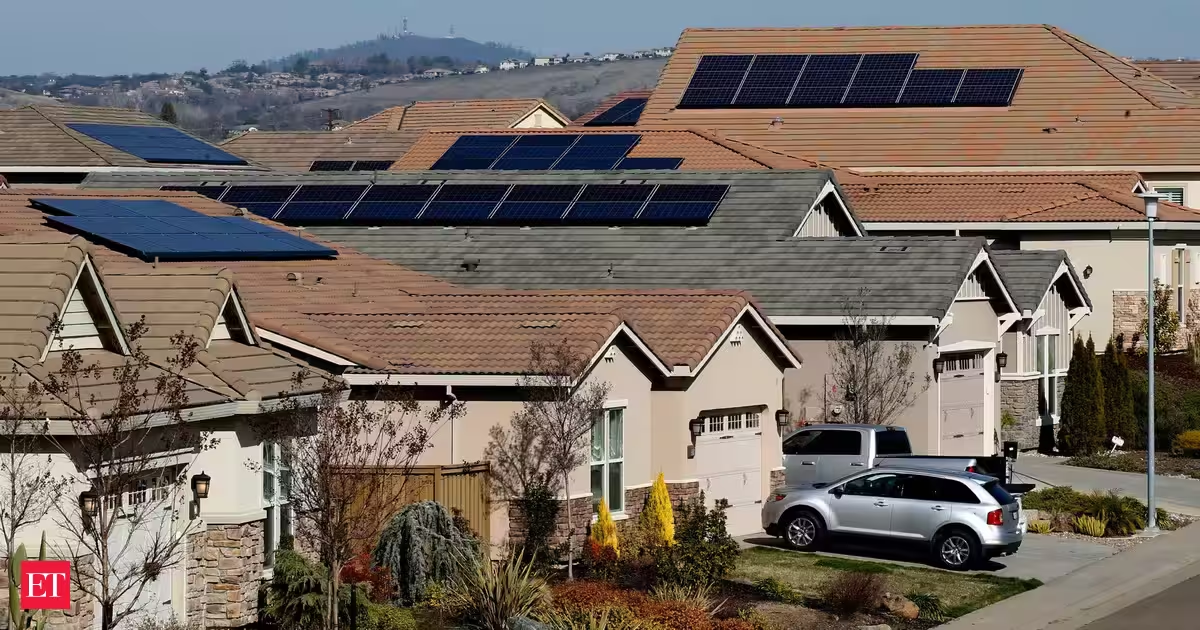
Texas, meanwhile, set a record for peak demand in any July — 83 gigawatts on the evening of July 6. Solar power, which Texas has recently added in spades, covered more than 30% of that demand, Texas energy expert Doug Lewin noted. Solar also helped Texas’ grid operator avoid the need to push customers to conserve power.
In New England, it was wind power that proved to be a hero as temperatures soared. The region burned less oil this time around than it did during a similar heat wave last year, per Grid Status, thanks in large part to offshore wind farms that have recently come online. The New England Clean Energy Connect power line, which started delivering electricity earlier this year, also brought in tons of hydropower from Canada.